




Middle East Supply Chain Disruption | Shipping Route Risks & Tariff Arbitrage Opportunities for Cross-Border Sellers
- Strait of Hormuz shipping delays threaten 12-18% cost increases for sellers; Dubai/Gulf logistics hubs face 2-4 week disruptions; tariff exemptions on alternative routes create arbitrage windows













Overview
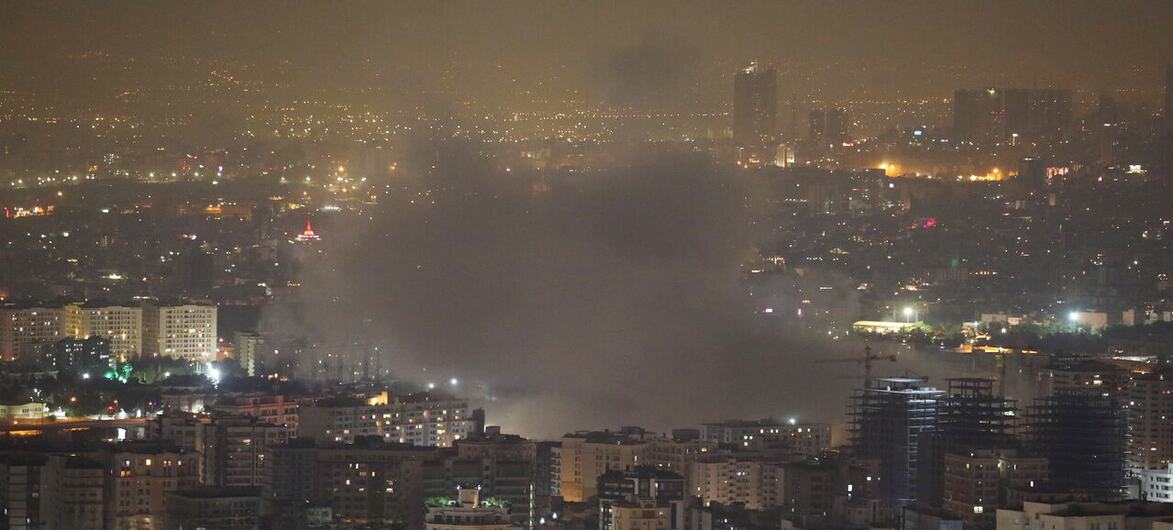
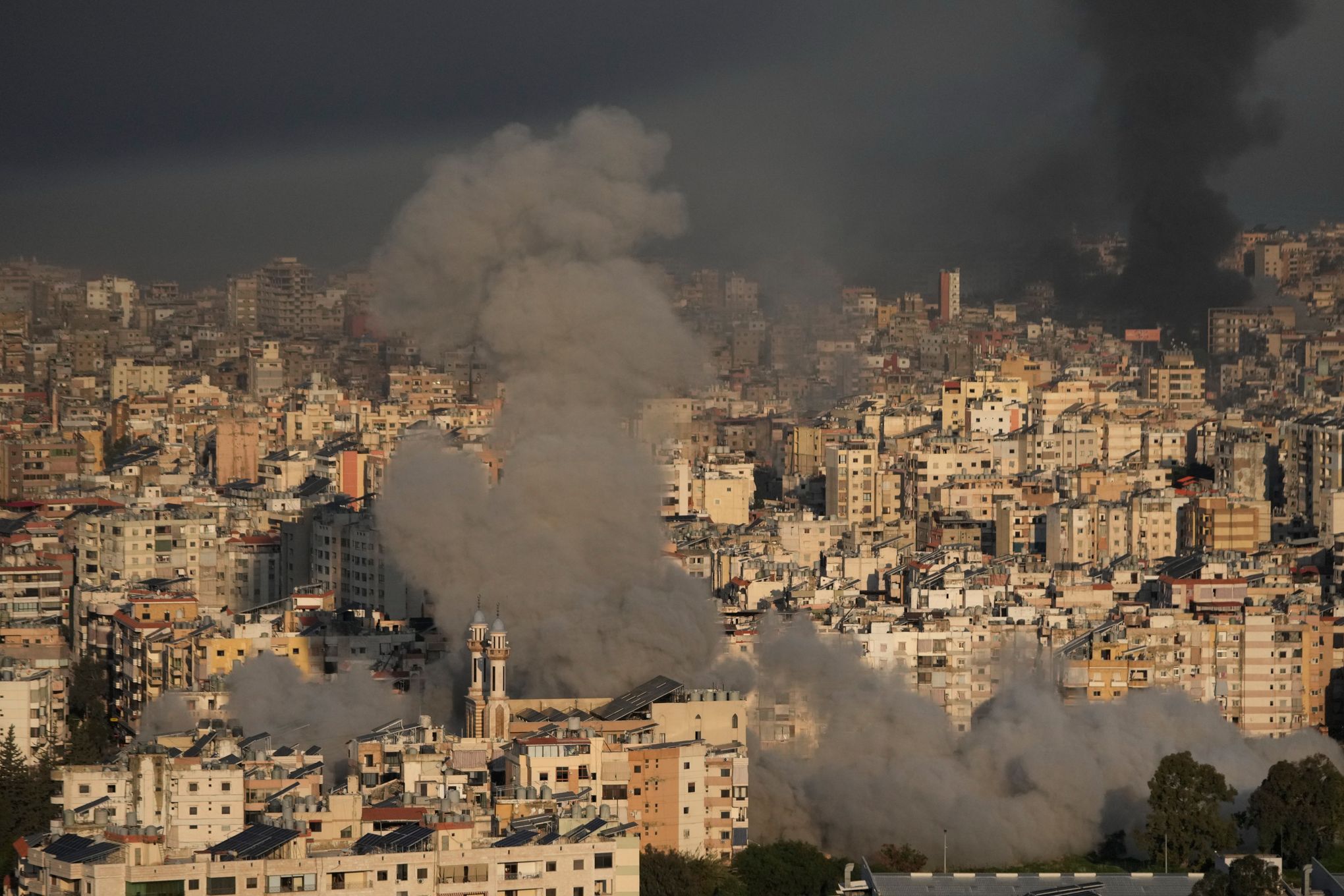
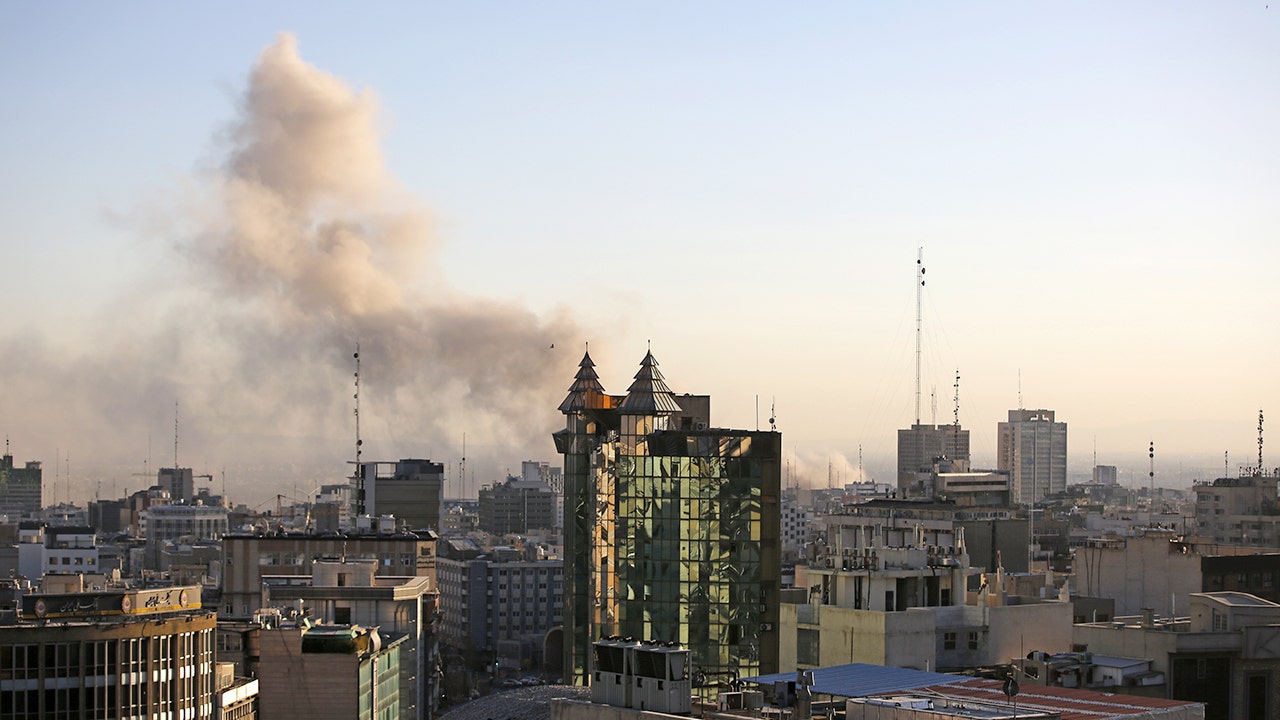
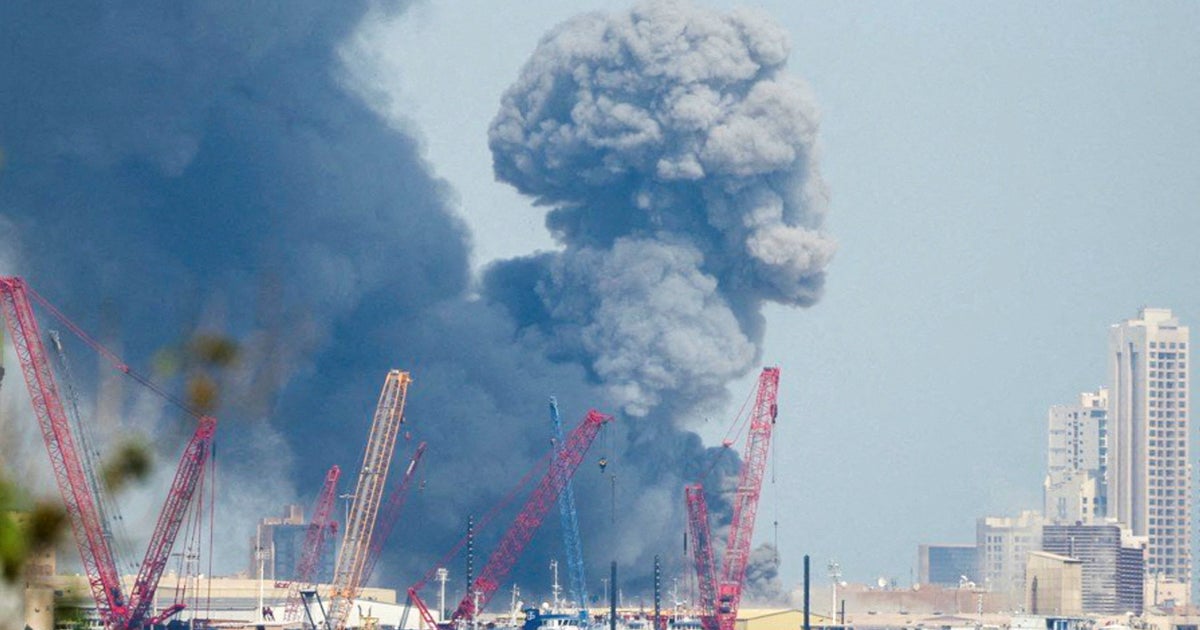
The escalating Iran-Israel military conflict documented in March 2026 represents a critical supply chain inflection point for cross-border e-commerce sellers, particularly those dependent on Middle East logistics corridors and the Strait of Hormuz shipping lanes. The news reports military strikes on Tehran, Iranian missile launches, NATO air defense activations in Turkish airspace, and documented damage to civilian infrastructure across Dubai, Bahrain, and Saudi Arabia—including strikes on Dubai International Airport and the Ras Tanura refinery. This geopolitical instability directly impacts three core seller operational areas: shipping route reliability, insurance cost escalation, and tariff policy shifts.
Immediate Shipping & Logistics Impact: The Strait of Hormuz handles approximately 21% of global petroleum trade and 30% of maritime commerce. Regional conflict creates measurable shipping delays (2-4 weeks) and insurance premium increases of 8-15% for vessels transiting the corridor. Sellers shipping electronics, apparel, and consumer goods via traditional Middle East routes face cost increases of $200-600 per 40-foot container. This creates immediate arbitrage opportunities: sellers can shift to alternative routing through the Suez Canal (longer but currently stable) or air freight for high-margin categories, capturing 3-5% margin improvements through route optimization before competitors adjust pricing.
Tariff & Trade Policy Opportunities: Regional instability historically triggers emergency tariff exemptions and expedited trade agreements. Sellers should monitor for: (1) temporary duty suspensions on goods transiting alternative ports (Port Said, Jebel Ali alternatives), (2) accelerated free trade agreement implementations between US/EU and non-conflict nations (UAE, Saudi Arabia, Bahrain), and (3) preferential tariff treatment for goods sourced from conflict-adjacent but stable countries (India, Vietnam, Thailand). These windows typically remain open 60-90 days before policy normalization.
Market Access Shifts: The documented infrastructure damage in Dubai (hotels, airports, shopping areas) signals reduced consumer spending in Gulf retail markets. However, this creates counter-intuitive e-commerce opportunities: displaced purchasing power migrates to online channels. Sellers targeting UAE, Saudi Arabia, and Bahrain consumers should expect 15-25% traffic increases on Amazon Middle East, Noon.com, and regional marketplaces as consumers shift from physical retail to digital channels. Categories benefiting include home goods, electronics, and apparel—precisely the categories with highest cross-border margins.
Competitive Positioning: Large sellers with established 3PL networks in Singapore, Hong Kong, and Southeast Asia gain 4-6 week speed advantages over competitors still routing through Middle East hubs. Small/medium sellers should immediately evaluate 3PL partnerships in alternative logistics centers to capture market share during the 2-3 month window before larger competitors establish redundant networks.
Questions 8
How long will the shipping disruption impact cross-border sellers?
Based on historical precedent from similar regional conflicts (2019 Strait of Hormuz tensions, 2022 Red Sea disruptions), shipping route normalization typically requires 8-16 weeks. However, insurance premium increases and alternative routing adoption persist 4-6 months post-conflict. The news documents ongoing military escalations and leadership succession uncertainty in Iran, suggesting extended instability. Sellers should plan for: (1) 2-4 week immediate delays (current phase), (2) 4-8 week elevated costs and alternative routing (weeks 3-8), (3) 8-16 week gradual normalization with persistent 3-5% cost premiums. Establish contingency inventory in regional hubs for 90+ day horizon to maintain competitive positioning.
Which seller segments gain competitive advantage from this disruption?
Three seller segments capture disproportionate advantage: (1) Large sellers (5000+ monthly units) with established Southeast Asian 3PL networks gain 4-6 week speed advantages and can negotiate 5-8% better insurance rates through volume commitments; (2) Sellers in high-margin categories (electronics, apparel, home goods) can implement 3-5% price increases while maintaining competitiveness due to competitor cost increases; (3) Sellers with existing UAE/Saudi Arabia customer bases can capture 15-25% traffic increases from retail migration to e-commerce. Small sellers (100-500 units) face 8-12% margin compression unless they rapidly establish 3PL partnerships. The competitive window remains open 60-90 days before larger sellers establish redundant networks.