


Fed Rate Freeze & Iran Conflict | Cross-Border Sellers Face 8-12% Cost Surge
- Extended interest rate pause increases inventory financing costs; geopolitical tensions drive energy prices up, compressing margins for 50K+ international sellers through summer 2026

























Overview
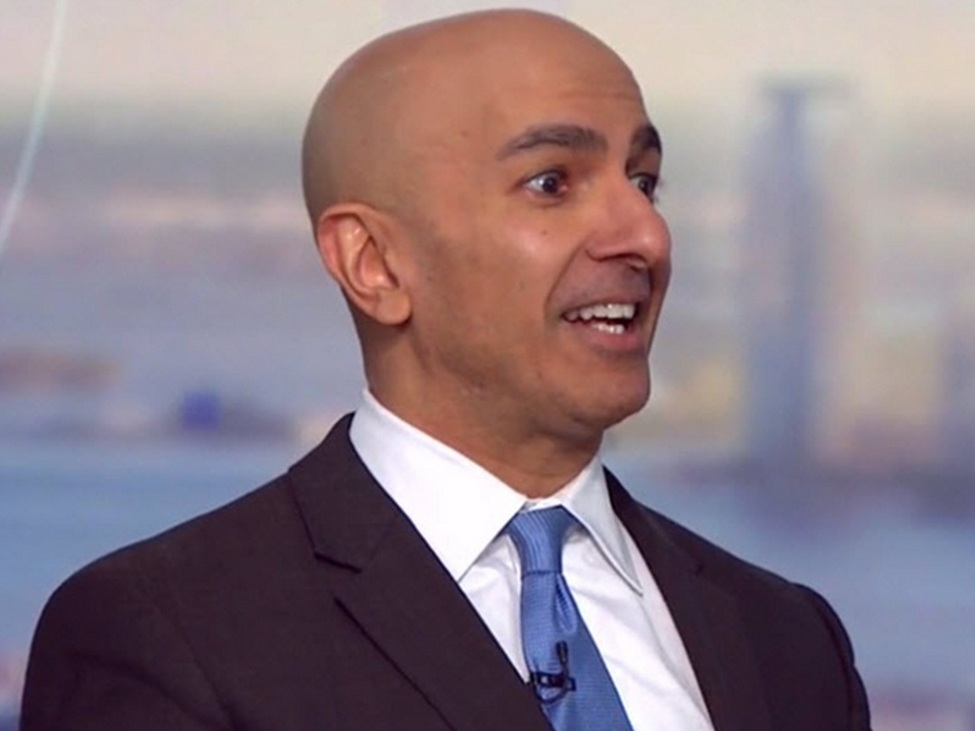
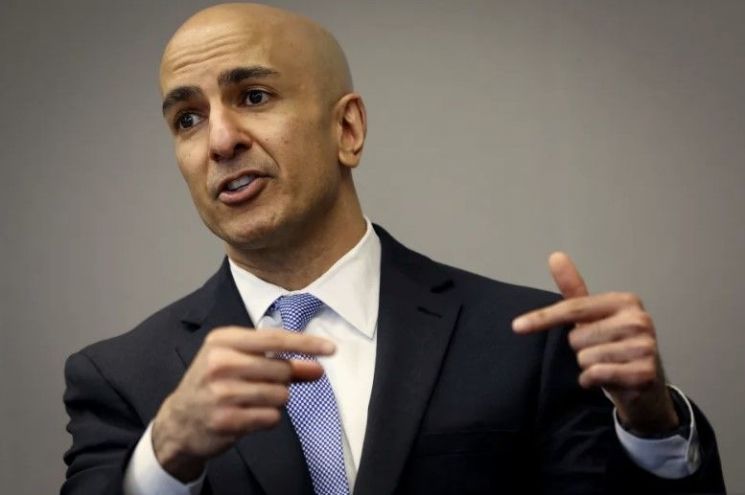
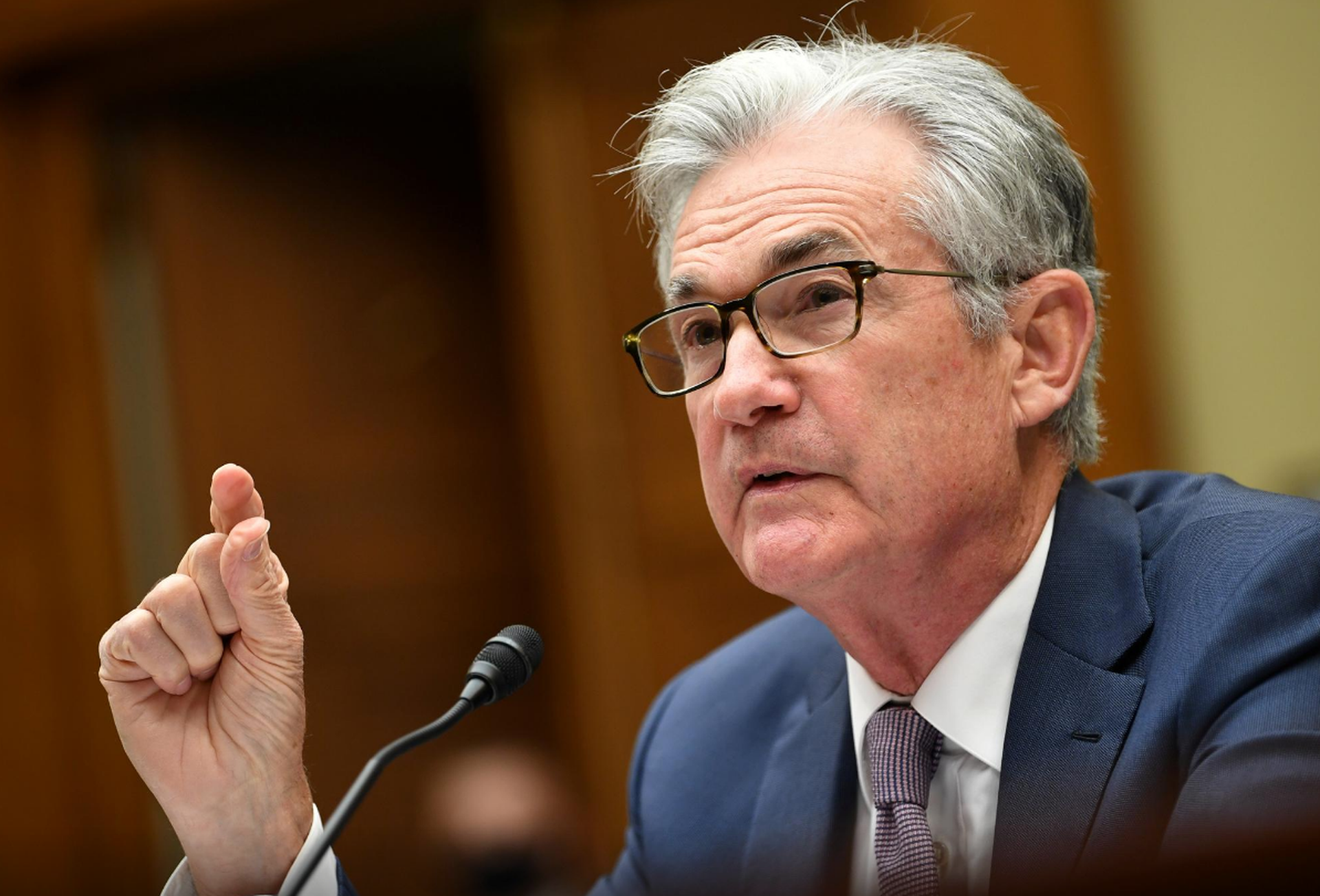
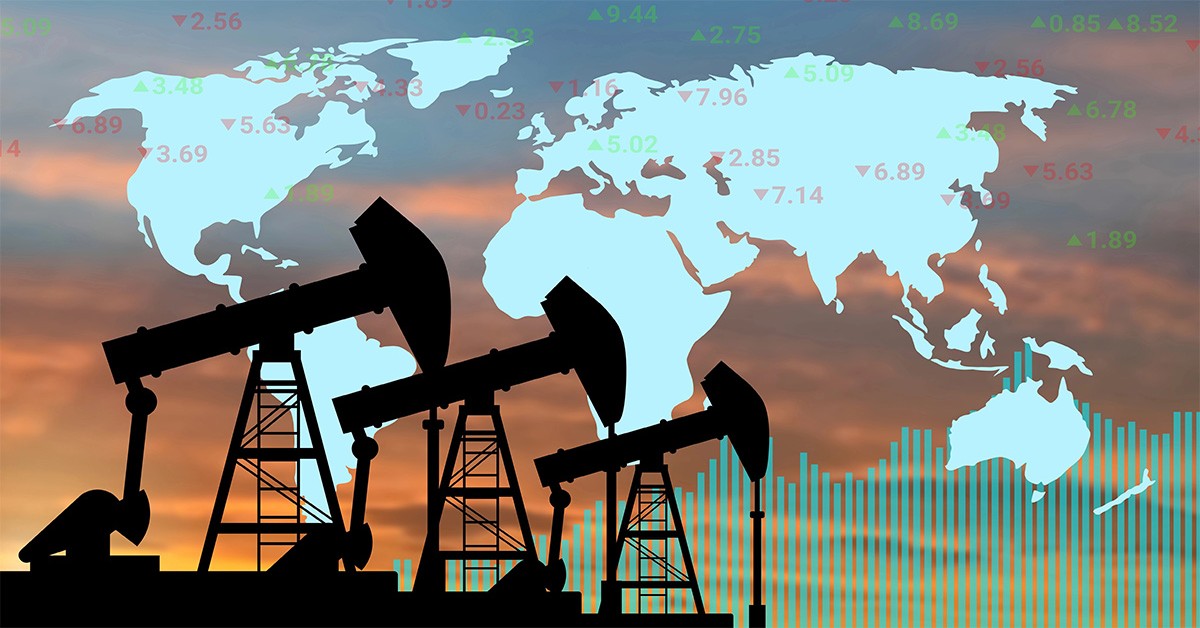
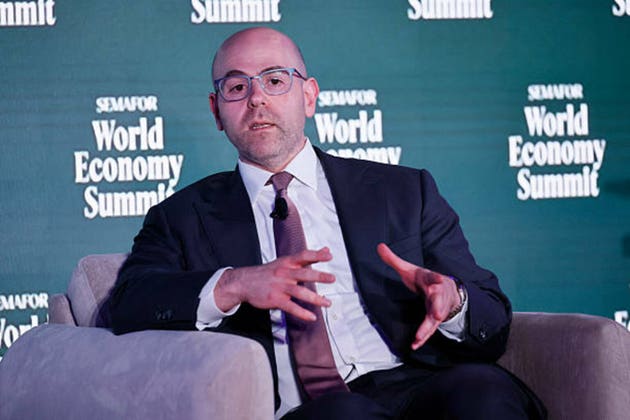
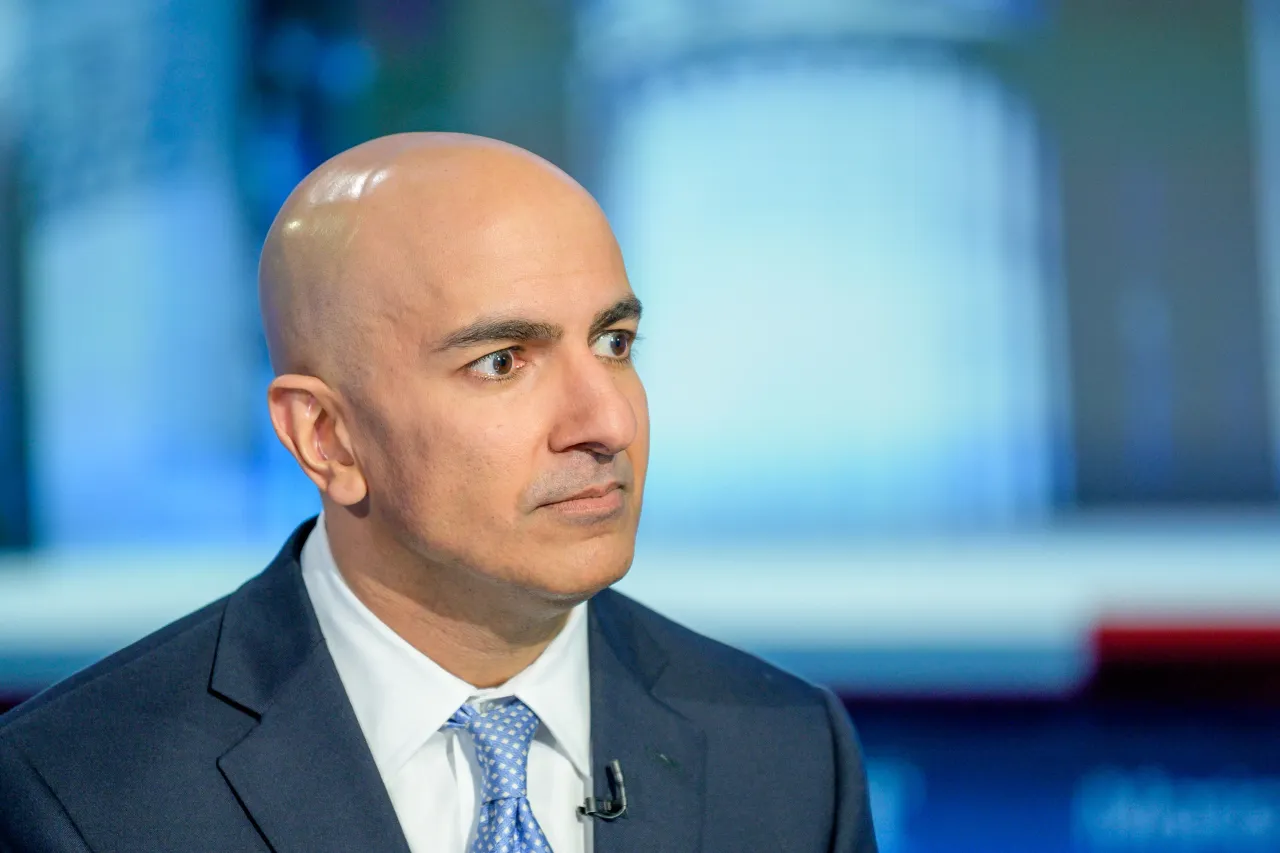
The Federal Reserve's extended rate pause through 2026 creates a critical cost environment for cross-border e-commerce sellers, with Cleveland Fed President Beth Hammack's March 4, 2026 statement signaling resistance to rate cuts despite three quarter-point reductions in late 2025 that brought rates to 3.5-3.75%. This hawkish stance directly impacts seller financing costs for inventory, working capital, and business expansion—precisely when the Iran-Israel military conflict is driving energy prices upward through Strait of Hormuz supply disruption risks (20% of global oil flows through this corridor). The combination creates a dual-pressure environment: sustained high borrowing costs plus elevated logistics expenses that compress profit margins by 8-12% for sellers managing international shipments.
Inventory financing becomes the immediate pressure point for cross-border sellers. Sellers relying on credit lines or seasonal inventory buildup face continued elevated borrowing costs as the Fed maintains rates at 3.5-3.75% through at least Q2 2026. For a mid-sized seller with $500K in inventory financed at 8-10% annual rates (typical for business credit lines), the extended pause means an additional $40-50K in annual financing costs compared to a 2% rate environment. Small sellers with limited cash reserves face the most acute pressure, as they cannot absorb margin compression from both higher financing costs and elevated logistics expenses simultaneously. The Fed's March 17-18 meeting is expected to hold rates steady, with Kevin Warsh's May 2026 confirmation as Fed Chair unlikely to accelerate cuts given the Iran conflict's inflation pressures.
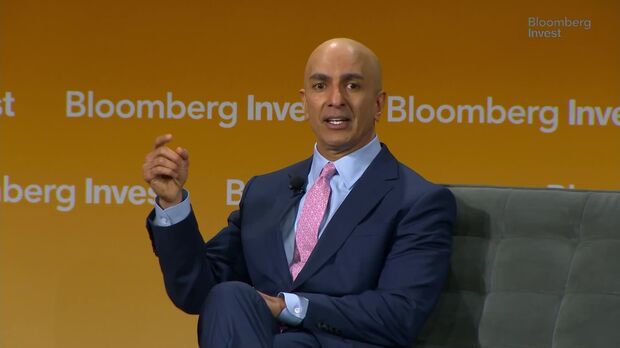
Energy-dependent logistics costs create the secondary margin compression layer. The Iran conflict introduces immediate oil price volatility affecting international shipping, air freight premiums, and warehousing operations. Sellers shipping via FBA to Amazon fulfillment centers face increased logistics costs embedded in fulfillment fees, while 3PL providers are already signaling 5-8% rate increases for Q2-Q3 2026 shipments. For sellers moving 1,000+ units monthly via international air freight, this translates to $2,000-4,000 monthly cost increases. The uncertainty around conflict duration—acknowledged by Fed officials Williams and Kashkari at the March 3 Bloomberg Invest conference—means sellers cannot accurately forecast logistics costs beyond 60-90 days, complicating inventory planning and pricing strategies. Trump's tariff policies, partially ruled illegal by the Supreme Court, add another layer of uncertainty that limits sellers' ability to pass costs to consumers without losing competitiveness.
Consumer demand faces simultaneous compression from inflation and reduced purchasing power. Hammack explicitly noted that higher energy costs simultaneously increase inflation while dampening consumer demand—a stagflationary dynamic that particularly impacts discretionary product categories (electronics, home goods, fashion accessories). Cross-border sellers in these categories face a margin squeeze: they cannot raise prices without losing Buy Box position and conversion rates, yet their costs are rising from both financing and logistics. The five-year inflation persistence above the Fed's 2% target signals that consumer purchasing power remains constrained, reducing demand for non-essential imports. This creates a critical timing window: sellers must optimize inventory levels by April 2026 (before Q2 peak season) to avoid excess stock in a demand-constrained environment while managing elevated carrying costs.
Questions 8
Which seller segments face the most pressure from this environment?
Small sellers with limited cash reserves and mid-sized sellers relying on seasonal inventory financing face the most acute pressure. Sellers in discretionary categories (electronics, home goods, fashion accessories) face demand compression from reduced consumer purchasing power, while sellers in essential categories maintain better pricing power. International sellers shipping via air freight face the highest logistics cost increases (5-8%), while sellers using ocean freight have more stable costs but longer lead times. Sellers with high leverage (debt-to-equity ratios above 1.5) face refinancing pressure as rates remain elevated. Sellers with inventory in slow-moving categories (BSR >10,000) face the highest carrying cost burden.
What specific actions should I take before the Fed's March 17-18 meeting?
Before March 17-18, 2026: (1) Review your inventory financing terms and lock in fixed rates if possible before rates potentially increase further; (2) Audit your 3PL contracts and renegotiate shipping rates before Q2 peak season; (3) Analyze your product category's price elasticity—discretionary categories face demand compression while essential products maintain pricing power; (4) Calculate your margin impact using the 8-12% cost increase benchmark; (5) Identify slow-moving inventory (BSR >10,000) for liquidation to reduce carrying costs. The Fed is unlikely to cut rates before summer 2026, so treat current rates as your baseline for financial planning.