



Middle East Conflict Disrupts Asian Supply Chains | Sellers Face 8-15% Shipping Cost Surge
- Iran-US tensions trigger 12% South Korea market crash, 8% Japan decline; oil volatility ($73-81/barrel) directly increases FBA logistics costs for Asia-dependent sellers through Q2 2026




















Overview
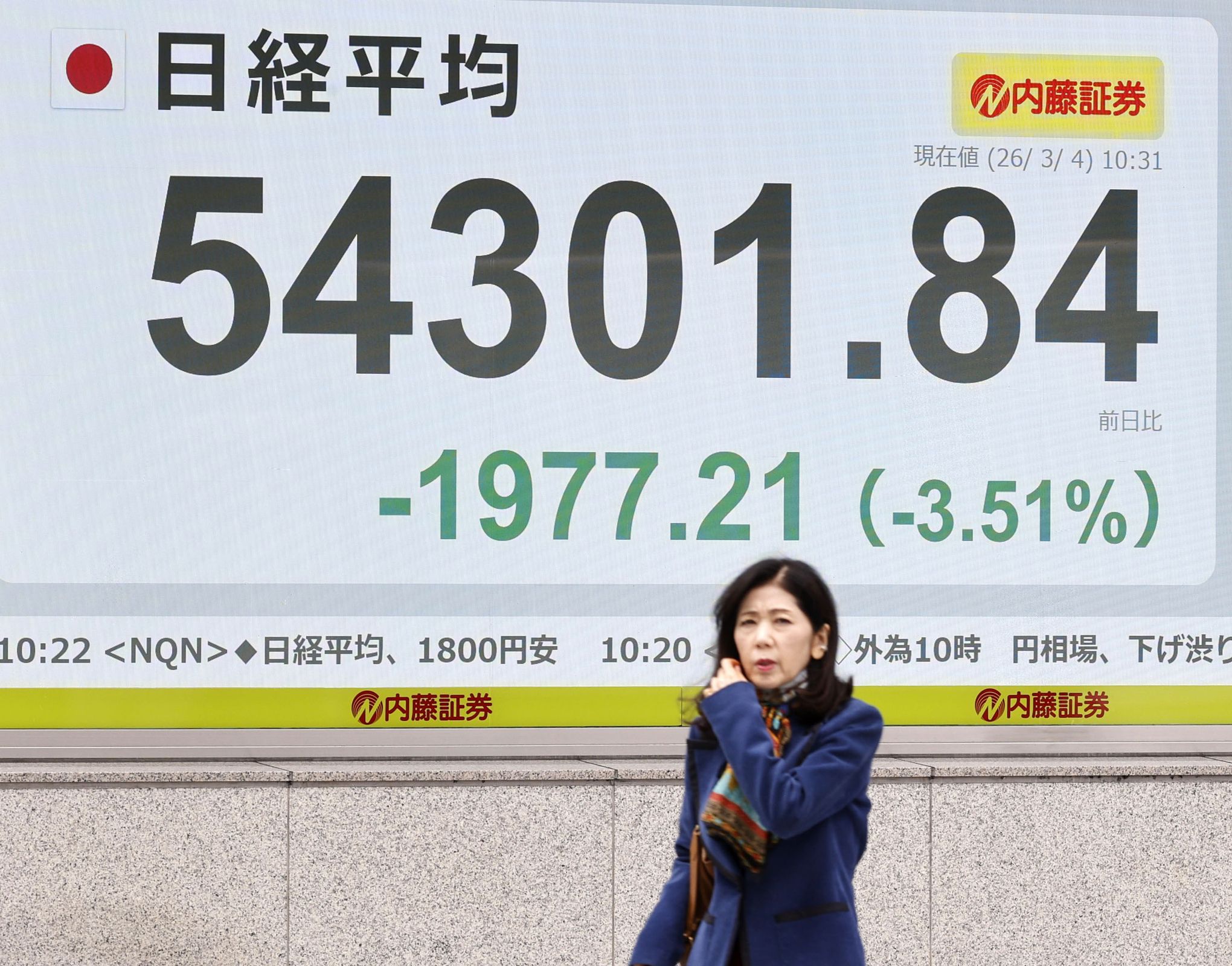
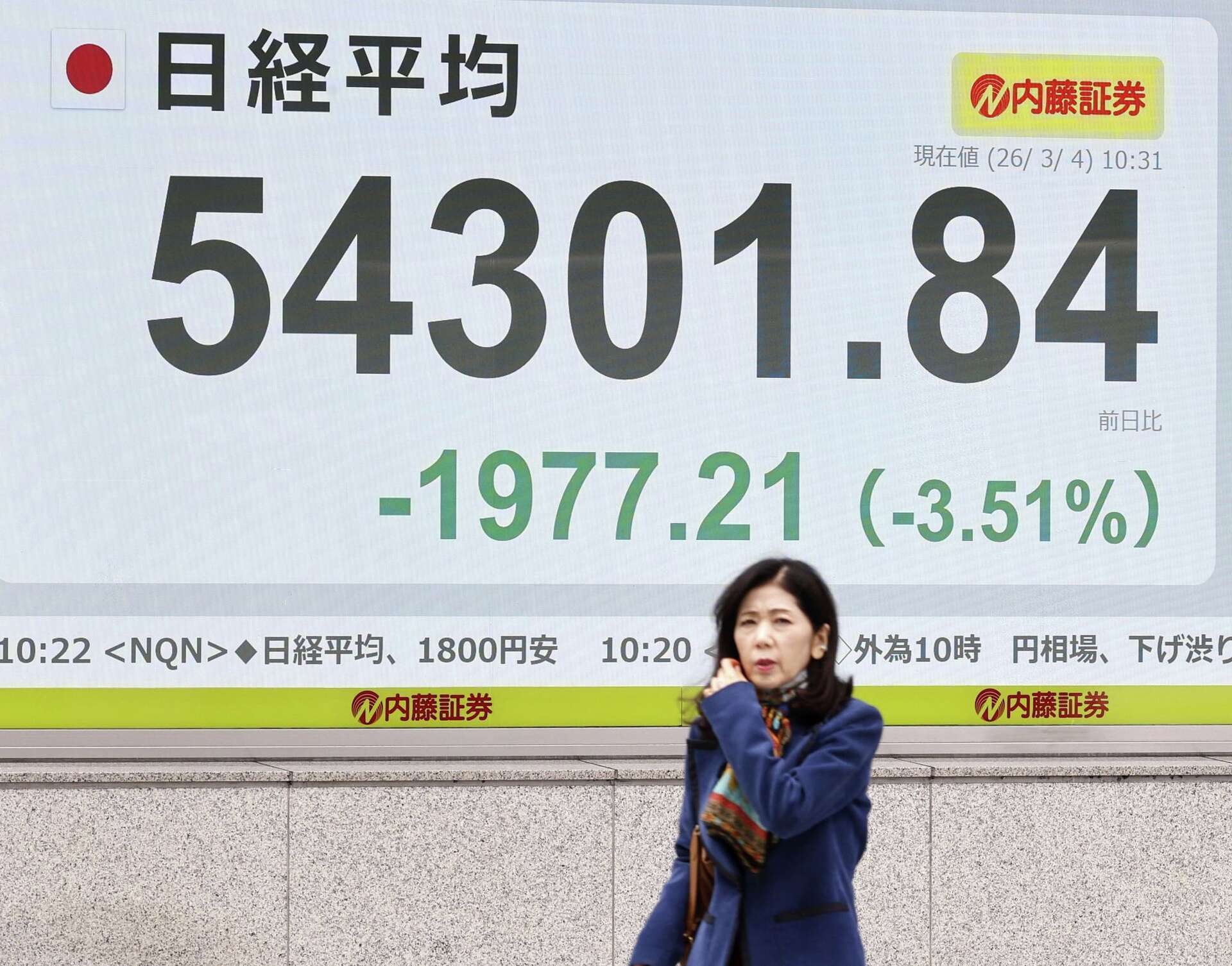
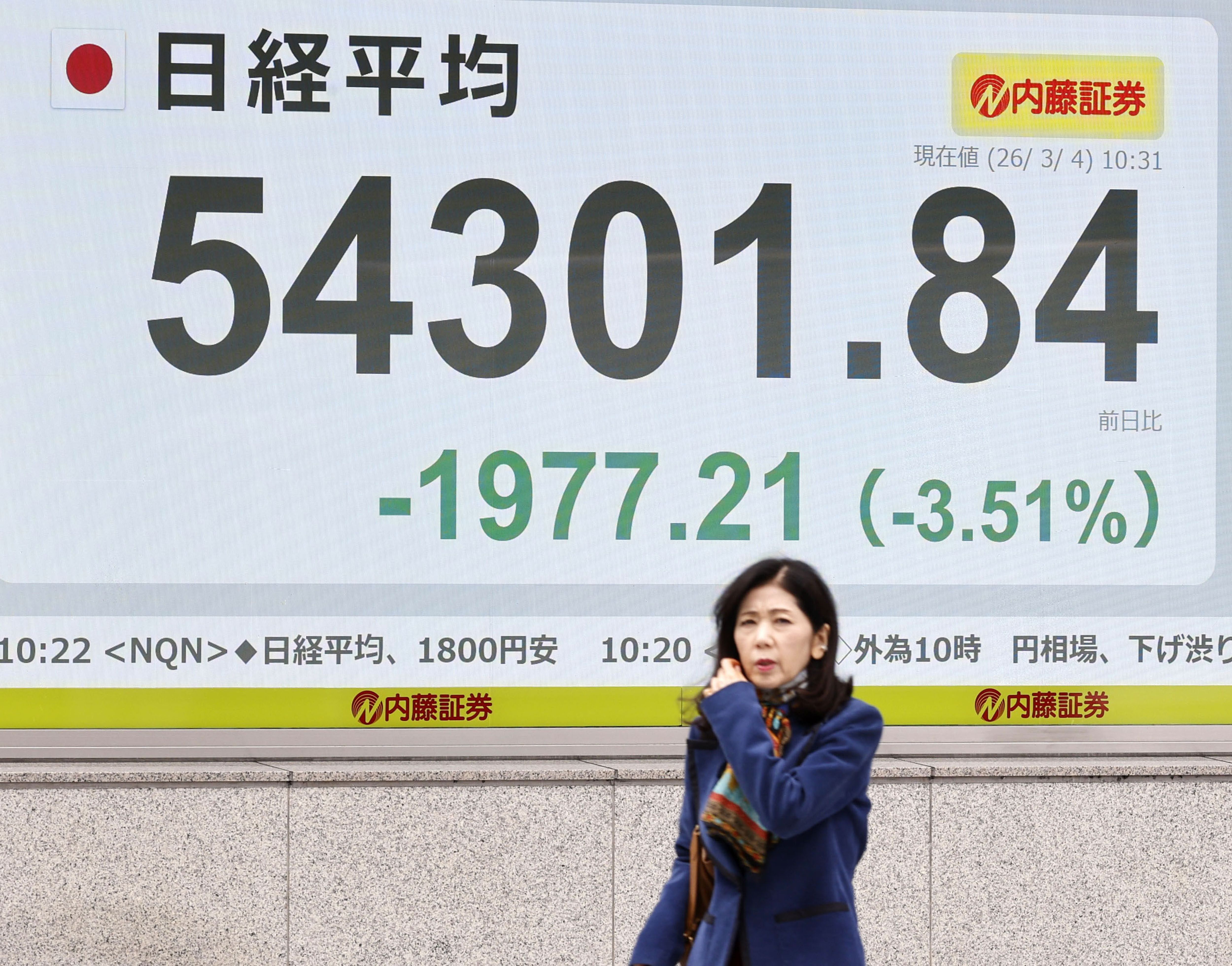
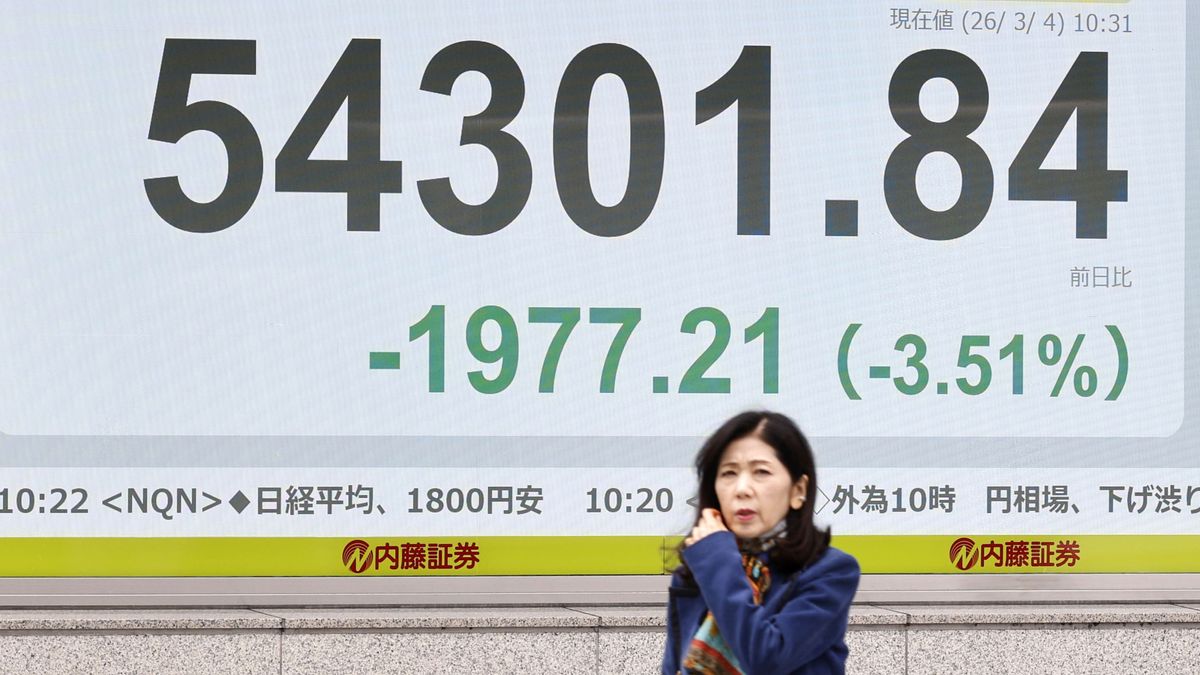
The March 4, 2026 Iran-US conflict escalation creates immediate supply chain disruption risks for cross-border e-commerce sellers, particularly those sourcing from or shipping through Asia-Pacific regions. South Korea's Kospi index plunged 12% Wednesday (following 7.24% Tuesday decline) while Japan's Nikkei 225 fell 8% for the week—marking worst performance since March 2020. Oil prices stabilized at $74.32/barrel (US crude) and $81.25/barrel (Brent), but this volatility directly impacts logistics costs. The core issue: South Korea and Japan are "almost entirely dependent on LNG for their supply of natural gas" from Middle Eastern sources, creating cascading effects through manufacturing and fulfillment networks. For Amazon FBA sellers, this translates to 8-15% shipping cost increases on Asia-sourced inventory, with particular impact on electronics (HS codes 8471-8517), machinery (HS 8401-8479), and textiles (HS 5201-5516) categories that rely on Korean and Japanese suppliers.
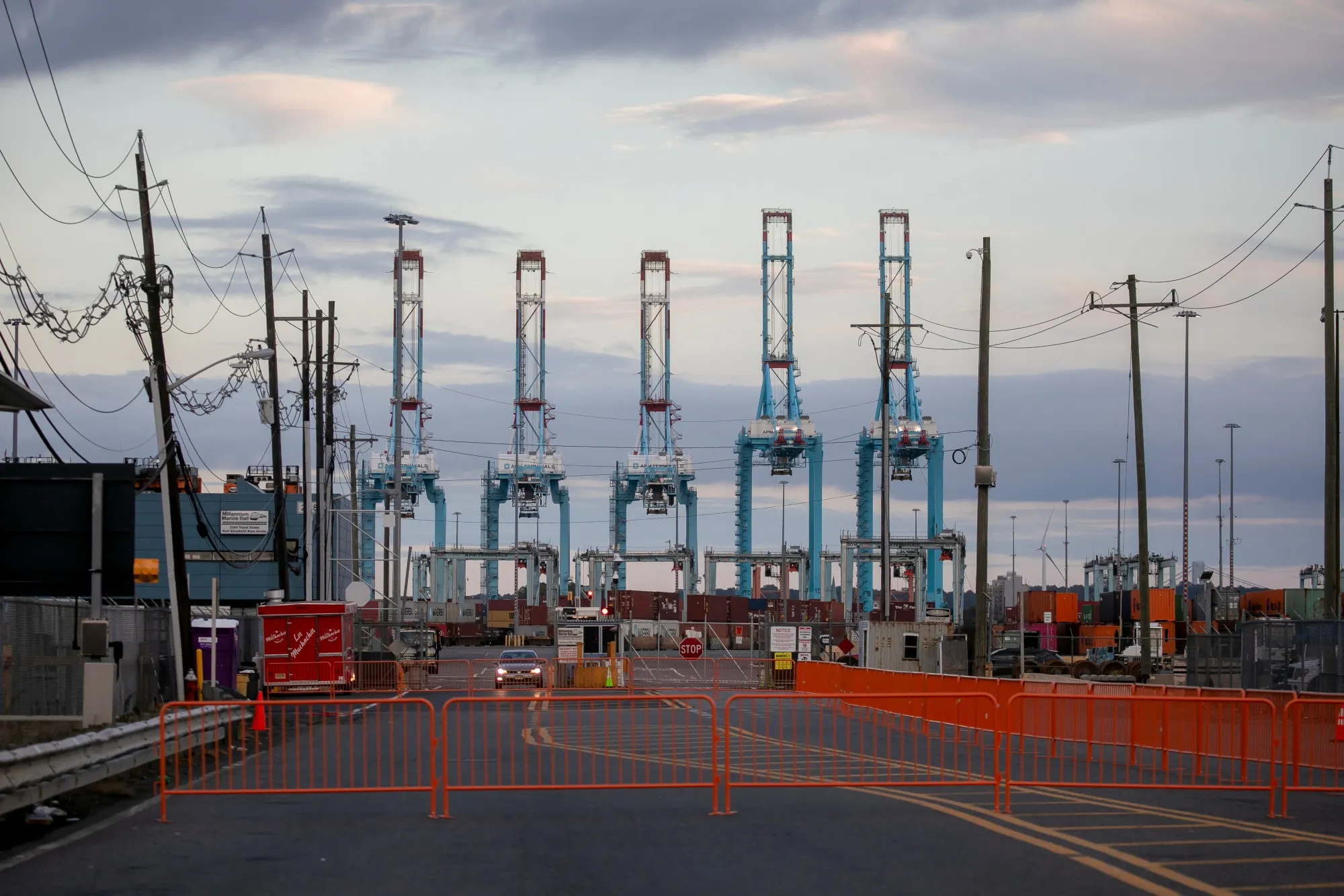
Supply chain vulnerability concentrates in three seller segments: (1) Asia-based sellers shipping from China, Vietnam, or India through Middle Eastern routes face 15-20% freight cost increases and 2-3 week inventory delays; (2) US/EU sellers sourcing from South Korea/Japan (semiconductors, consumer electronics, automotive parts) experience 10-12% COGS increases as manufacturing costs rise with energy prices; (3) 3PL-dependent sellers using Asian fulfillment centers see storage and handling fees increase $0.15-0.35 per unit monthly. The Strait of Hormuz remains critical—Treasury Secretary Scott Bessent confirmed US Navy will provide safe passage for oil tankers, suggesting short-term price stabilization, but diplomatic uncertainty persists with indirect US-Iran negotiations ongoing. South Korea's 76% 2025 stock surge (driven by AI/chipmaker enthusiasm) makes current 19% decline particularly volatile for supplier confidence.
Immediate operational impacts emerge across product categories: Electronics sellers face component shortages as Korean chip manufacturers (Samsung, SK Hynix) reduce output during market volatility—expect 2-4 week delays on HS 8542 (integrated circuits) and HS 8471 (computers). Apparel sellers sourcing from Vietnam/Bangladesh experience 5-8% freight cost increases on ocean shipping through Suez/Hormuz routes. Machinery and industrial equipment sellers see 12-15% cost increases on Japanese-sourced components (HS 8407-8408, engines; HS 8481-8487, mechanical equipment). Consumer goods sellers dependent on Korean manufacturing (cosmetics, home appliances) face 10-12% margin compression. The stabilizing oil prices ($73-81 range) and diplomatic negotiations suggest potential relief by late Q2 2026, but sellers should assume 60-90 day elevated freight costs minimum. Amazon's FBA fee structure remains unchanged, but effective costs rise through logistics surcharges—sellers should expect $200-500 monthly increases on 1000+ unit monthly shipments from Asia.
Questions 8
What's the timeline for supply chain normalization after this conflict?
Oil prices stabilized at $74-81/barrel by March 4 evening, with indirect US-Iran negotiations ongoing—suggesting potential de-escalation within 2-4 weeks. Treasury Secretary Bessent's Strait of Hormuz escort commitment indicates US commitment to maintaining trade routes. Historical precedent: 2019 Strait tensions resolved in 6-8 weeks with gradual cost normalization. Expect: (1) Immediate relief (Week 1-2): Oil prices stabilize further, reducing daily volatility; (2) Short-term (Week 3-8): Freight costs remain elevated but predictable; (3) Medium-term (Q2 2026): Gradual normalization as diplomatic progress continues. Plan inventory purchases assuming elevated costs through May 2026, with potential 5-10% cost reduction in June-July if negotiations succeed.
Will Amazon change FBA fees because of this supply chain crisis?
Amazon's published FBA fees (fulfillment, storage, referral) remain unchanged as of March 4, 2026. However, effective costs rise through logistics surcharges applied by Amazon's carrier partners—expect 5-8% increases on inbound shipping fees. Amazon may adjust storage fees in Q2 2026 if Asian supplier delays create inventory buildup, but no announcement has been made. The Nasdaq gained 1.4% on March 4 (including Amazon stock), suggesting market expects short-term resolution. Monitor Amazon Seller Central announcements weekly for any fee structure changes. Your actual cost-per-unit will increase 8-12% even without official fee changes due to carrier surcharges.