



Middle East Conflict Drives Energy Inflation | Shipping Costs & Supply Chain Surge for E-Commerce Sellers
- Brent crude at $82/barrel (+15% weekly) threatens 8-15% logistics cost increases for cross-border sellers; Asian markets down 12% create sourcing opportunities


Overview
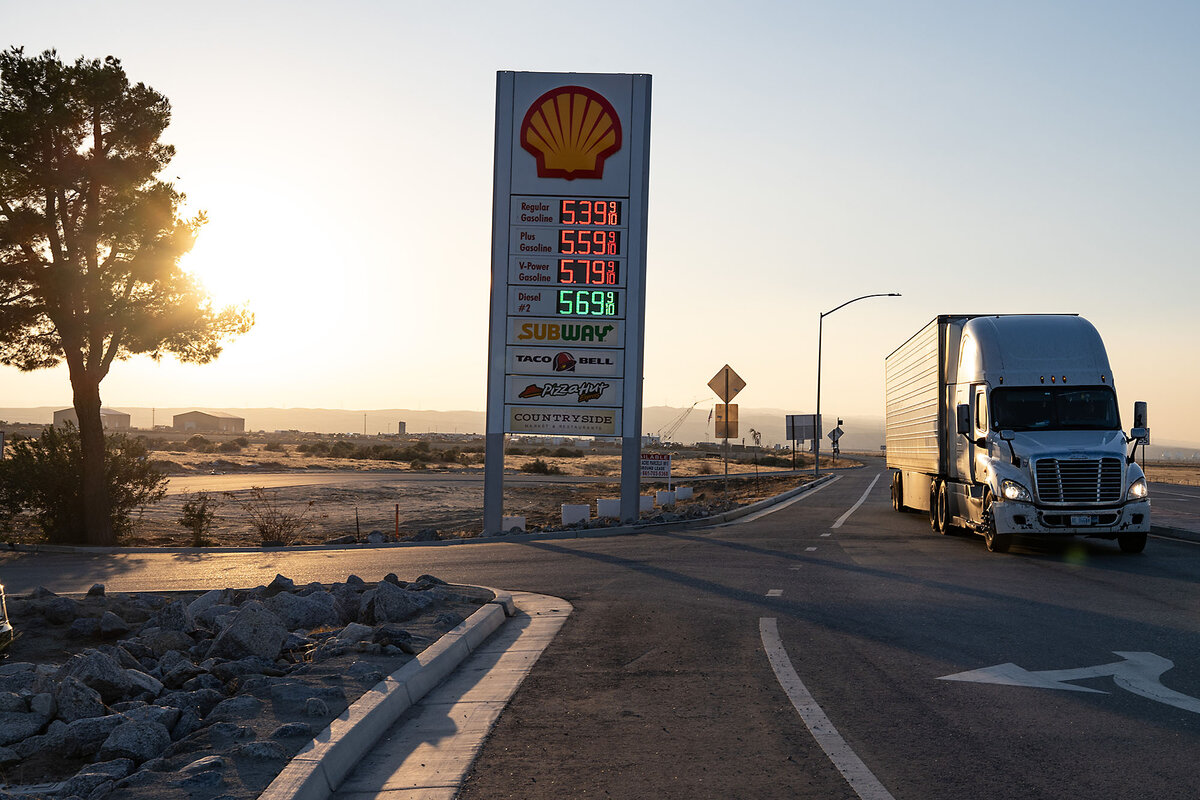
The Iran-Middle East conflict escalation (March 4, 2026) has created a critical supply chain inflection point for cross-border e-commerce sellers. With Brent crude reaching $82/barrel—a 15% weekly surge—and the Strait of Hormuz shipping corridor experiencing near-total stall conditions, logistics costs are entering a volatile phase that will directly impact seller profitability across all categories. U.S. gas prices have risen 16 cents to $3.11/gallon within one week, signaling the beginning of a broader inflationary cascade through supply chains that will increase fulfillment, shipping, and last-mile delivery costs by 8-15% for sellers relying on air freight or expedited ocean shipping.
Immediate logistics cost compression is reshaping seller economics across three critical corridors. For sellers shipping from Asia (China, Vietnam, India) to North America, air freight premiums are expanding rapidly—expect 12-18% cost increases on express shipping within 30 days. Ocean freight from Asia to US West Coast ports faces 5-7 day delays due to Strait of Hormuz congestion, forcing sellers to choose between absorbing higher air freight costs or accepting longer delivery windows that compress conversion rates. European sellers face even steeper pressures: natural gas prices have surged in European markets, increasing warehouse operating costs by 6-10%, while fuel surcharges on intra-Europe logistics are climbing 3-5% weekly. The U.S., as a net energy exporter, maintains relative insulation—domestic 3PL providers and FBA fulfillment centers will see 4-6% cost increases versus 10-15% for Asia-based operations.
Strategic sourcing arbitrage opportunities are emerging as Asian markets crater. South Korea's Kospi index fell a record 12%, while Dubai's stock index dropped 5% after a trading halt, creating distressed inventory conditions and supplier desperation pricing. Sellers can negotiate 15-25% discounts on bulk orders from Korean electronics manufacturers, Vietnamese apparel suppliers, and Indian textile producers facing liquidity pressures. This creates a 60-90 day window to lock in below-market sourcing costs before suppliers stabilize pricing. Simultaneously, the Dollar Index strength (95.59) makes US-manufactured goods more expensive for international buyers, shifting competitive advantage to sellers sourcing from Asia-Pacific regions at distressed valuations. Categories most affected: electronics (HS 8471-8517), apparel (HS 6204-6209), home goods (HS 9406-9406), and consumer durables where logistics represents 18-25% of landed costs.
Questions 8
What is the timeline for shipping cost stabilization?
The Trump administration projects hostilities may be temporary, with prices expected to 'drop lower than even before' once conflicts end. However, the administration is announcing Navy escorts through the Strait of Hormuz and tanker insurance programs, suggesting conflict duration is uncertain. Conservative scenario: 30-60 days of elevated costs if conflict resolves quickly. Moderate scenario: 90-180 days of 8-12% cost premiums if hostilities persist. Worst case: 6+ months of sustained 15%+ increases if regional instability deepens. Sellers should plan for 90-day elevated cost environment and establish contingency pricing strategies. Monitor daily oil prices and shipping indices (Freightos) for early stabilization signals.
How does the Strait of Hormuz closure affect ocean freight timelines?
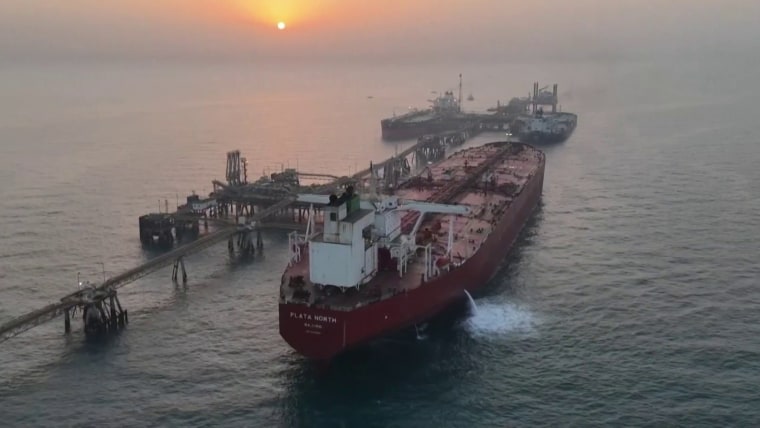
The Strait of Hormuz is experiencing near-total stall conditions, adding 5-7 days to Asia-US West Coast ocean freight routes. Standard 14-21 day transit times are extending to 19-28 days, compressing seller inventory turnover and increasing working capital requirements. Sellers relying on ocean freight for cost efficiency must now choose between: (1) absorbing 12-18% air freight premiums for speed, or (2) accepting longer delivery windows that reduce conversion rates by 5-8%. For FBA sellers, longer transit times increase inventory holding costs and risk stockouts during peak selling periods. Recommend shifting 20-30% of inventory to air freight for fast-moving SKUs (BSR <10,000) while maintaining ocean freight for slower-moving items.