

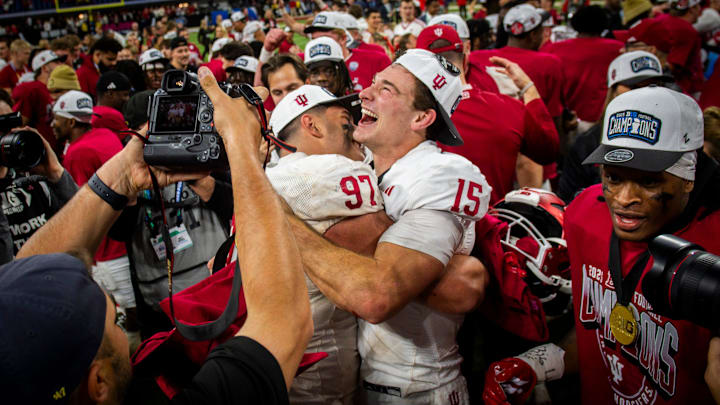

From Underdog to Champion: Strategic Transformation in High-Performance Organizations
- How Visionary Leadership Redefines Organizational Potential and Drives Unprecedented Success

















Overview
In the dynamic landscape of organizational transformation, the Indiana University football program's remarkable journey offers a compelling blueprint for strategic reinvention that transcends sports. Strategic leadership has emerged as the critical catalyst for turning historical underperformance into national prominence, demonstrating how disciplined vision can rapidly reshape institutional trajectories.
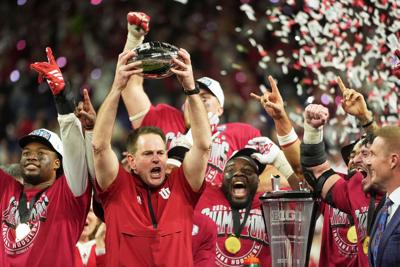
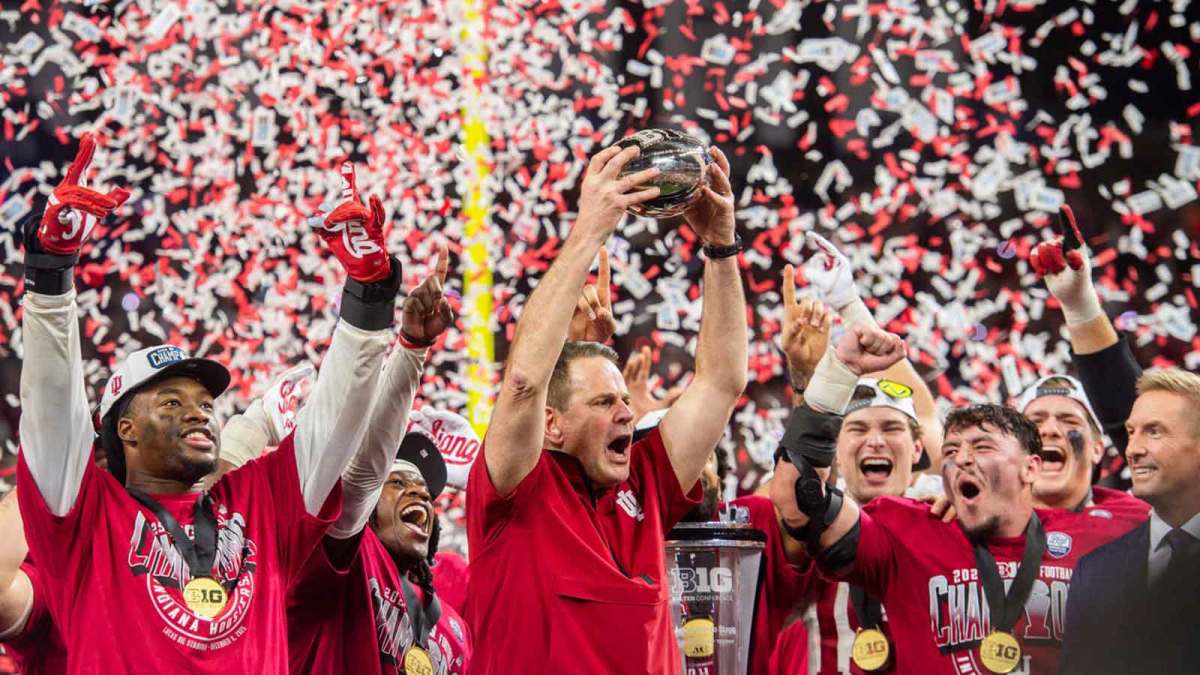
Curt Cignetti's arrival marked a pivotal moment, transforming a struggling 3-9 team into a perfect 13-0 powerhouse within a single season. This isn't just a sports narrative—it's a masterclass in organizational turnaround. By securing an unprecedented $93 million eight-year contract, Cignetti signaled a commitment to systemic change that goes far beyond traditional coaching approaches.
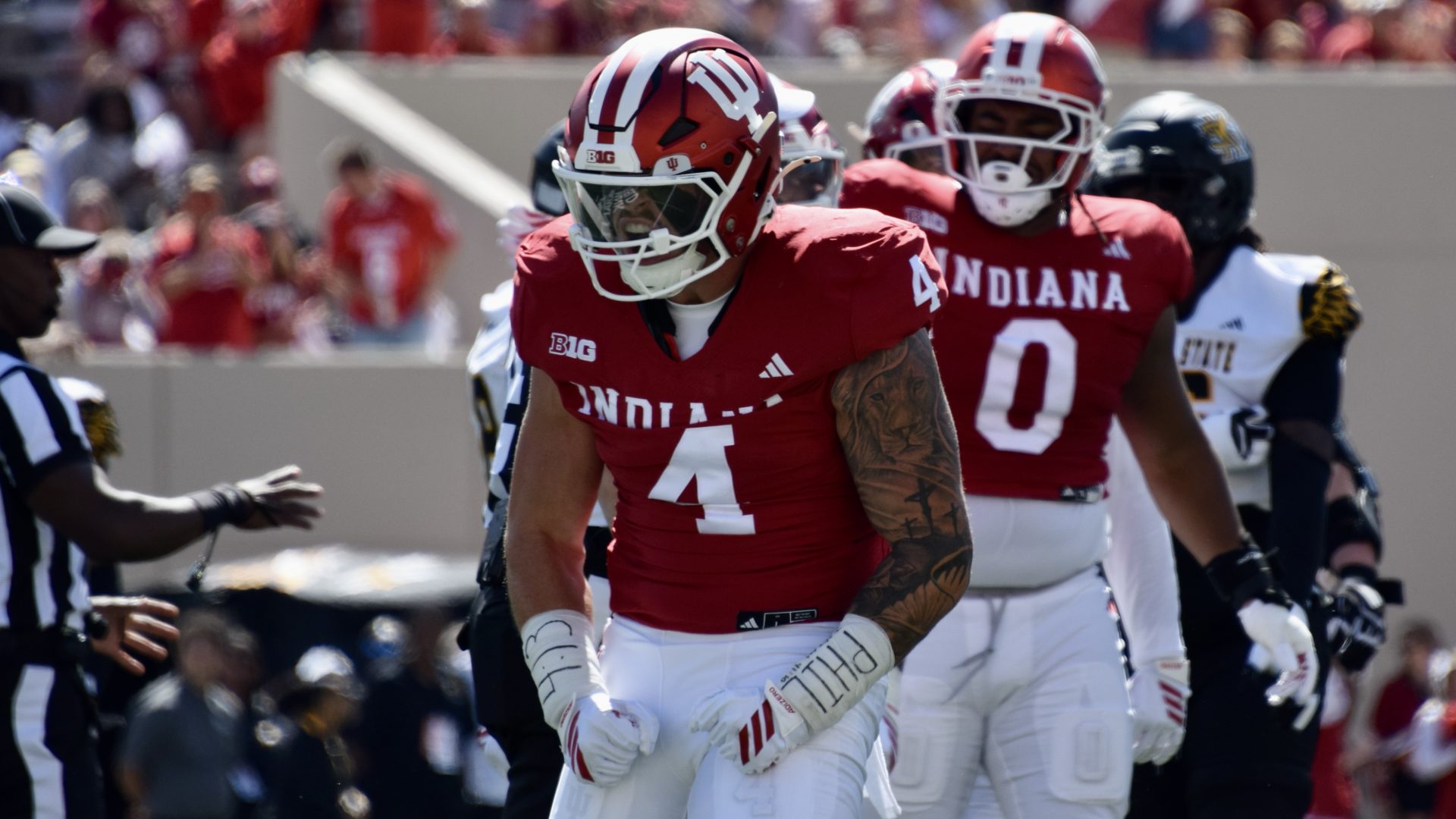
The transformation reveals several key strategic principles applicable across domains. Performance culture isn't built through incremental improvements but through radical reimagining. Players like linebacker Isaiah Jones exemplify this shift, prioritizing film study and preparation over traditional team activities. The program's success wasn't about individual talent but about creating a holistic ecosystem of excellence.
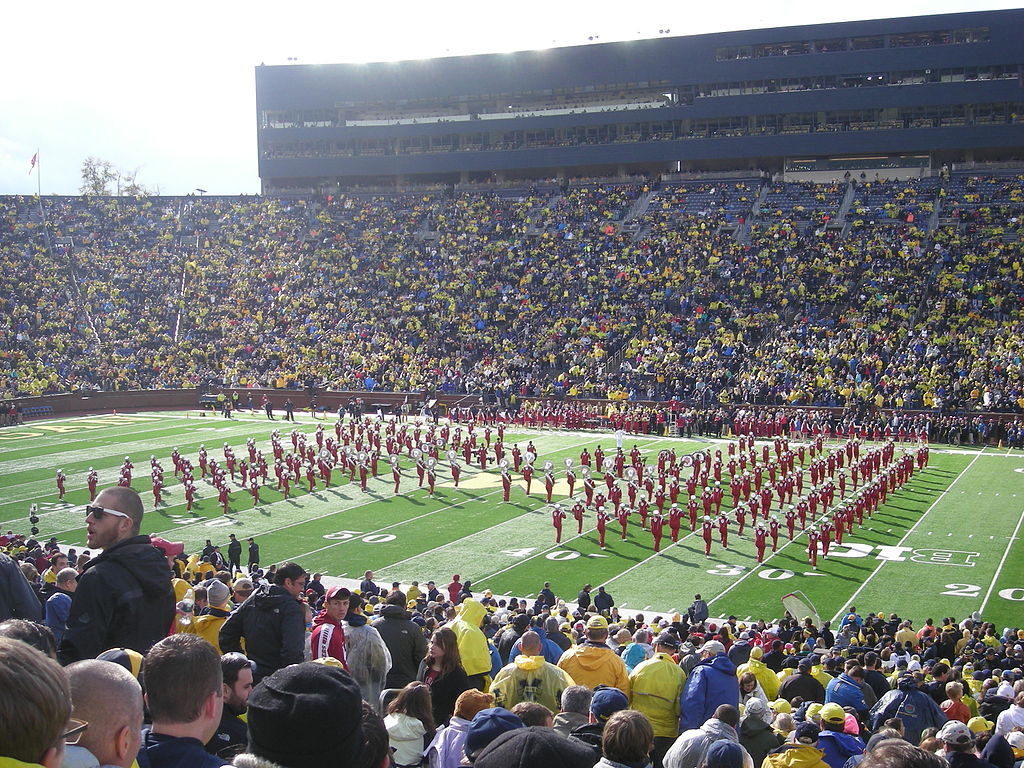
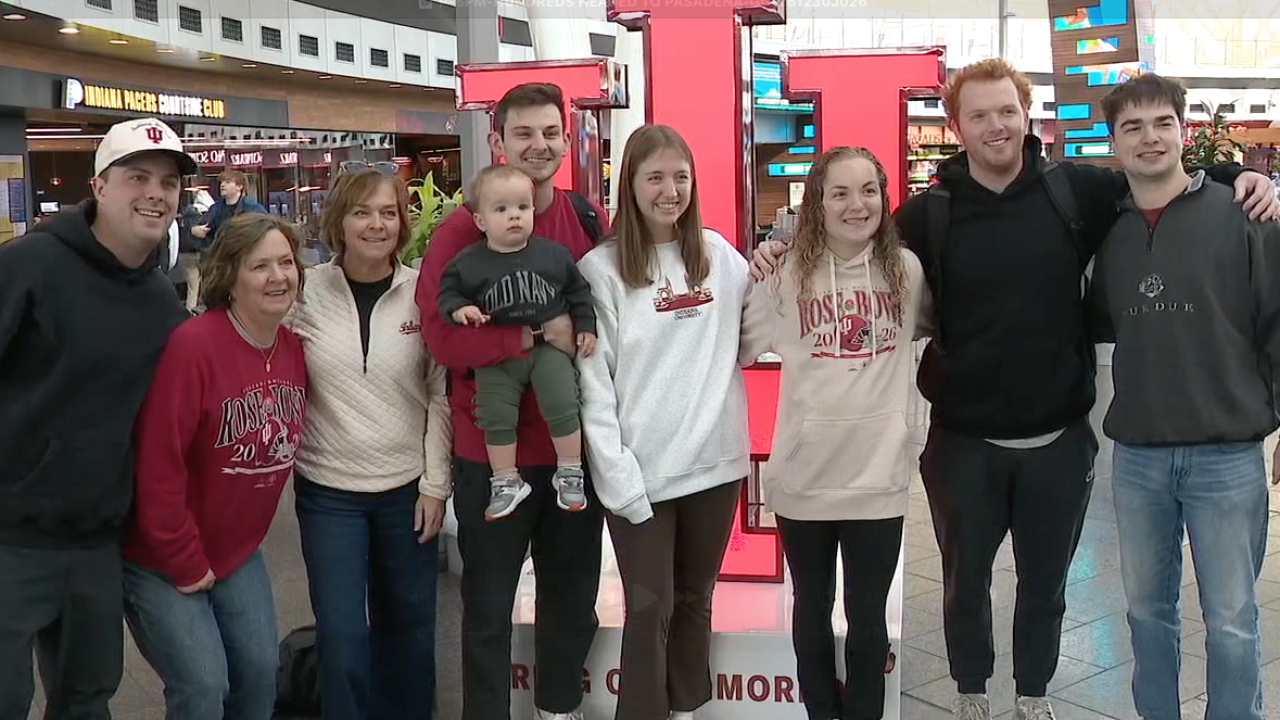
The economic and social ripple effects are equally profound. Memorial Stadium's complete sell-out and airlines adding flights to Los Angeles demonstrate how high-performance organizations create network effects that extend well beyond their immediate domain. Quarterback Fernando Mendoza's Heisman Trophy win symbolizes more than personal achievement—it represents the collective potential unleashed through strategic alignment.
For leaders across industries, the Indiana football story offers a critical insight: transformational change is possible when vision, discipline, and strategic focus converge. It challenges the notion that historical performance predetermines future potential. By dismantling deeply ingrained narratives of mediocrity, organizations can rewrite their entire competitive trajectory.
The broader implication is clear: in an era of rapid disruption, the ability to rapidly reinvent organizational DNA is the most sustainable competitive advantage. Strategic leadership isn't about incremental optimization—it's about having the courage to completely reimagine what's possible.
Questions 3
What key factors enabled Indiana's rapid transformation?
Three critical elements drove Indiana's success: visionary leadership under Curt Cignetti, a disciplined performance culture prioritizing preparation, and a willingness to completely reimagine the program's potential. Cignetti's strategic approach transformed a 3-9 team into a 13-0 powerhouse by challenging existing narratives and implementing systemic changes.
What economic impacts resulted from this transformation?
Beyond athletic success, the transformation generated significant economic ripple effects. Memorial Stadium reached full capacity, airlines added flights in anticipation of Rose Bowl demand, and the program attracted national media attention. This demonstrates how high-performance organizational change can create broader economic and social network effects.