



Windows 12 AI Upgrade Cycle 2026 | Seller Opportunity in Refurbished PC Market
- Millions of Windows 11 users face forced hardware upgrades by late 2026, creating $8-12B refurbished PC market opportunity for sellers; NPU-equipped devices (Intel Core Ultra, AMD Ryzen AI) will dominate demand

Overview
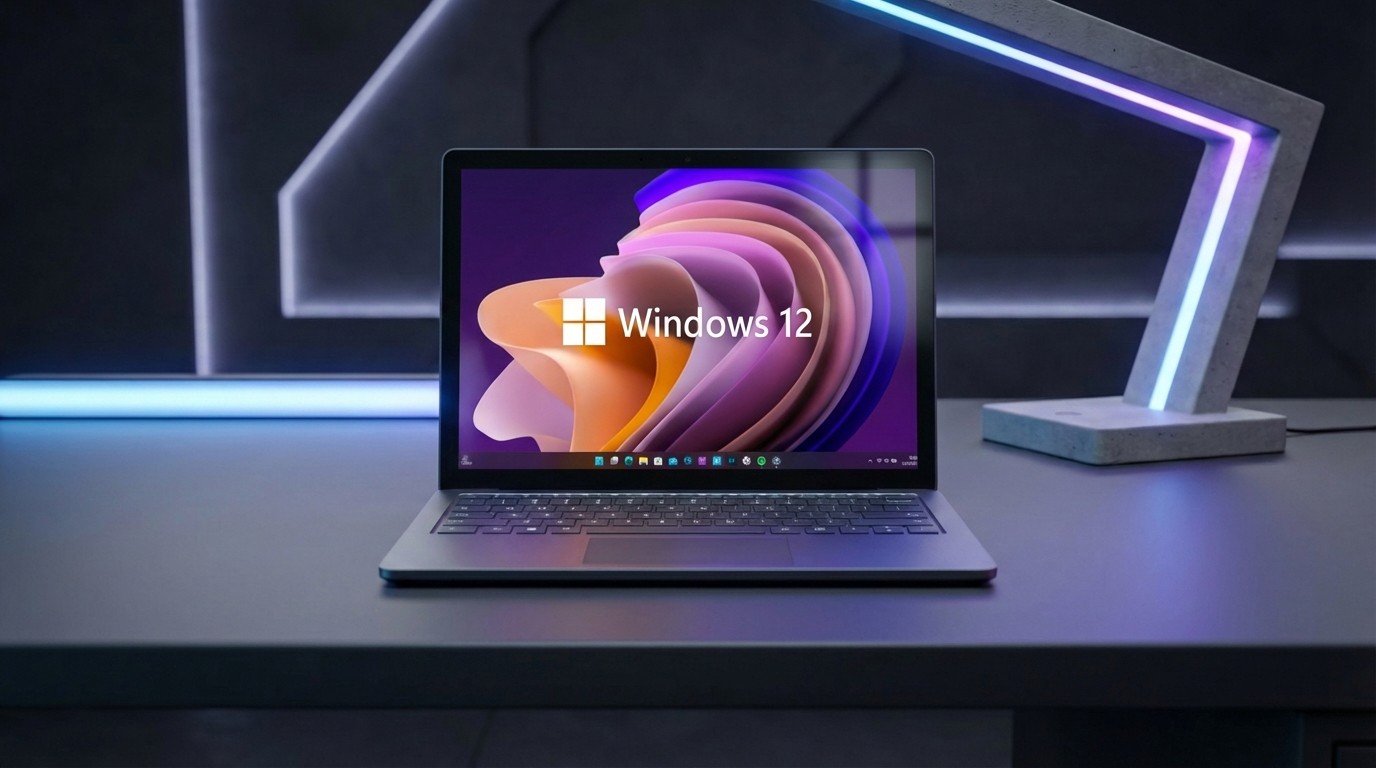
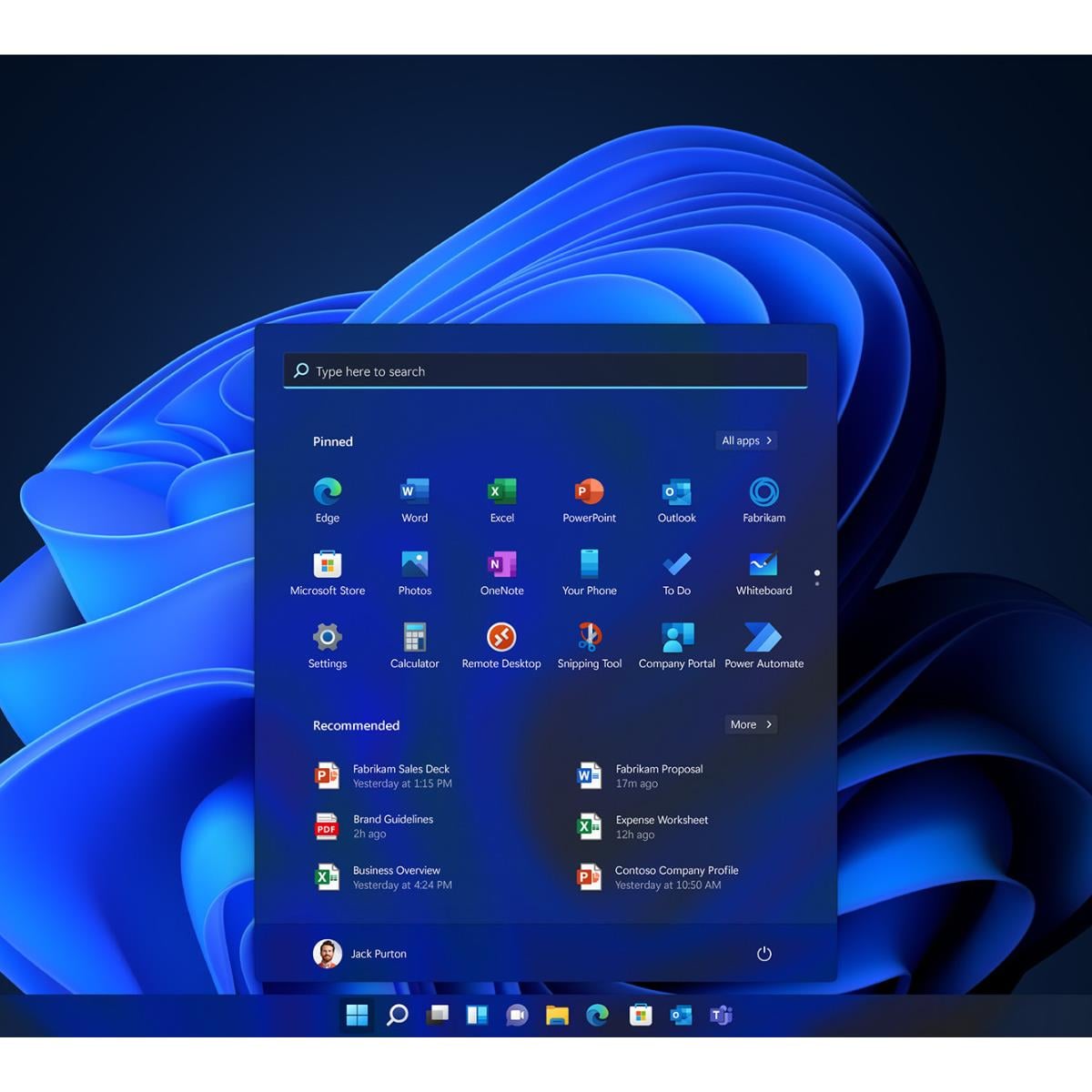
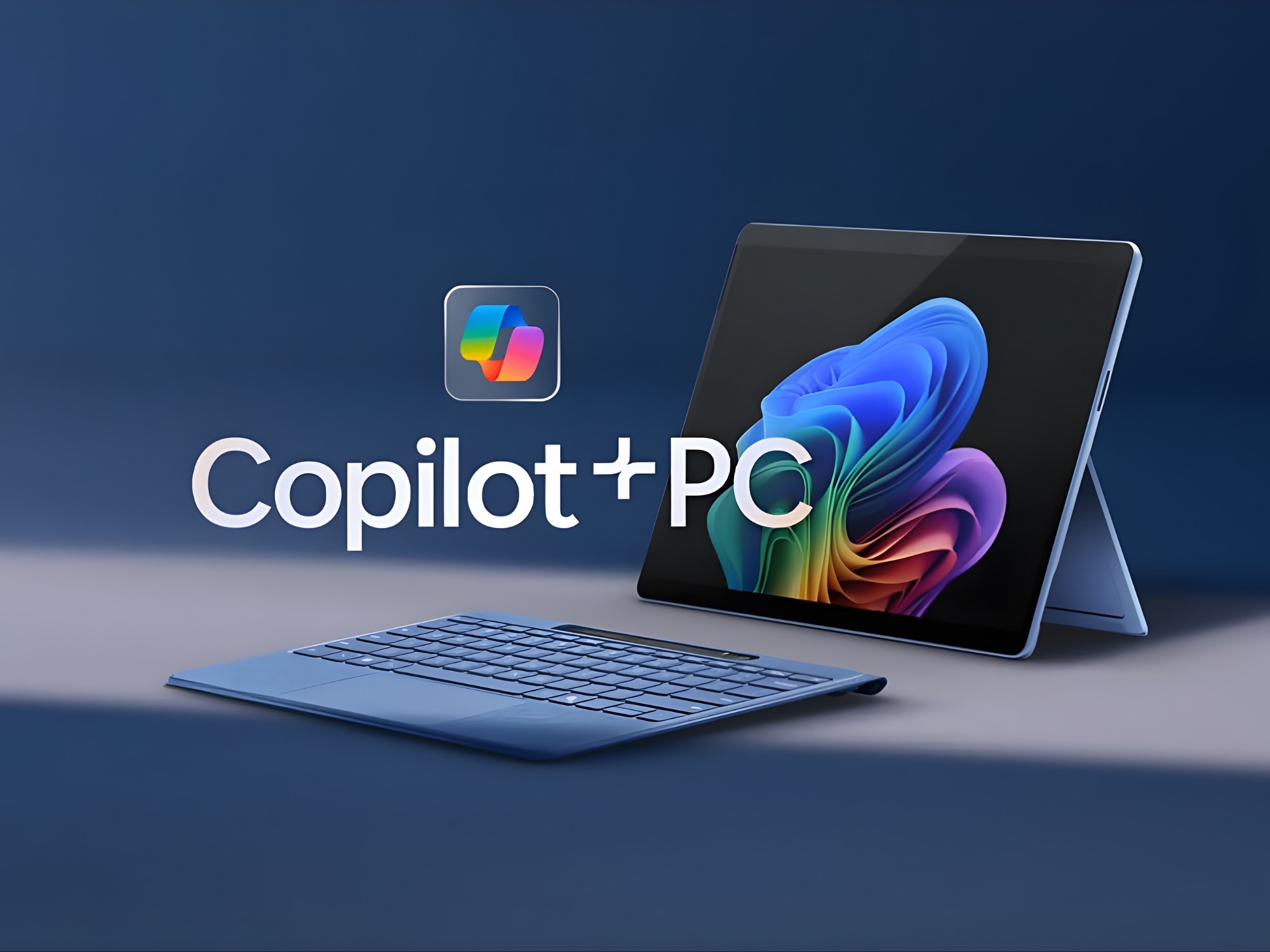
Microsoft's Windows 12 launch in late 2026 signals a massive hardware replacement cycle that creates significant e-commerce opportunities for sellers in refurbished electronics, computer components, and gaming peripherals. While Windows Central debunked false 2025 launch claims, PCWorld's analysis confirms Windows 12 (codenamed Hudson Valley Next) will require processors with dedicated Neural Processing Units (NPUs) supporting 40 TOPS or higher—a mandatory hardware requirement that will force millions of Windows 11 PC users to upgrade. This represents a fundamental shift from Microsoft's previous security-focused update strategy to AI-centric mandatory features, with Copilot deeply integrated throughout the OS for user activity monitoring, search acceleration, and gaming enhancements.
The hardware upgrade mandate creates immediate seller opportunities across multiple e-commerce categories. Millions of existing PCs will become incompatible with Windows 12's full feature set, particularly devices lacking NPU capabilities. This drives demand for: (1) Refurbished/used PCs with Intel Core Ultra and AMD Ryzen AI chips—a category that generated $15-18B globally in 2024 and will accelerate 2-3x during the 2026 transition window; (2) CPU upgrade kits and components for users attempting to extend existing systems; (3) Gaming peripherals and accessories optimized for Windows 12's evolved Gaming Copilot feature; (4) Laptop and desktop bundles marketed as "Windows 12 ready" with NPU processors. Sellers on Amazon, eBay, and Newegg can capitalize on this by building inventory of NPU-equipped devices starting Q3 2025, positioning products as "Windows 12 compatible" to capture early-adopter demand.
The subscription-based pricing model and Windows 10 support ending (October 2026) create urgency-driven purchasing behavior. Industry sources suggest Windows 12 may introduce subscription plans beyond the free Home version, with premium features tied to Windows 365 cloud services. This timing aligns strategically with Windows 10's extended support deadline, forcing 1.3B+ Windows 10 users to choose between upgrading hardware or accepting security vulnerabilities. Sellers should monitor Microsoft's official announcements regarding subscription pricing to understand total cost of ownership messaging that will influence buyer decisions. The modular CorePC architecture enabling device-specific optimizations (desktop, mobile, tablet, gaming) suggests differentiated product positioning opportunities—sellers can target specific use cases rather than generic "PC upgrade" messaging.
AI-powered seller tools become critical for capturing this trend. Sellers should use AI-driven product research tools to identify emerging NPU-equipped device models before competitors, implement dynamic pricing strategies that adjust based on Windows 12 launch proximity and hardware availability, and leverage sentiment analysis on tech forums to understand buyer concerns about forced upgrades (which creates messaging opportunities around "affordable upgrade paths"). Predictive analytics can forecast demand spikes by region based on Windows 10 user concentration and PC age demographics. The competitive advantage goes to sellers who automate inventory sourcing of NPU devices 6-9 months before Windows 12 launch, establish supplier relationships with refurbished device aggregators, and pre-position listings with Windows 12 compatibility messaging.
Questions 8
What is the market size opportunity for Windows 12-related e-commerce sales?
The refurbished PC market alone could generate $8-12B in incremental sales during the 2026-2027 upgrade cycle, with additional revenue from CPU components, gaming peripherals, and accessories. Global PC shipments average 270-300M units annually; if 30-40% of users upgrade to Windows 12-compatible hardware during the 2026-2027 window, that represents 80-120M device sales. At average selling prices of $600-1,200 for refurbished/budget-friendly NPU devices, the total addressable market exceeds $48-144B. Sellers capturing even 0.5-2% of this market through Amazon, eBay, or Shopify could generate $240M-2.8B in incremental revenue. Early movers with established inventory and messaging will capture disproportionate share of this demand.
Will Windows 12 introduce subscription pricing that affects buyer decisions?
Industry sources suggest Windows 12 may introduce subscription-based plans beyond a free Home version, with premium features tied to Windows 365 cloud services. While Microsoft hasn't officially confirmed pricing, the modular CorePC architecture indicates tiered feature access. This affects seller messaging—buyers will evaluate total cost of ownership including potential subscription costs, not just hardware prices. Sellers should monitor official Microsoft announcements about Windows 12 pricing and prepare messaging that addresses subscription concerns. Premium positioning around 'lifetime Windows access' or 'subscription-free' alternatives could differentiate listings and appeal to cost-conscious buyers.