
Kids Licensing Boom: $369B Market Shift to Social Commerce & Creator-Led Products
- Digital platforms eliminate gatekeeping; social commerce drives real-time merchandise demand for Gen Z/Millennial buyers
Overview
The $369 billion global licensing industry is undergoing seismic transformation driven by digital platforms, social commerce, and creator economies. According to Licensing International's 30-year retrospective, YouTube eliminated traditional TV gatekeeping, creating overnight demand for emerging characters and stories—a critical shift for sellers sourcing licensed merchandise. The internet revolution made brand licensing essential for consumer trust and visibility, while fast fashion accelerated time-to-market expectations, forcing manufacturers to deliver merchandise in real-time rather than year-long development cycles.
Social commerce represents the newest frontier, with creators evolving from brand endorsers to becoming licensable products themselves. Millennial and Gen Z consumers now shop directly through social platforms (TikTok, Instagram, YouTube), forcing brands to adjust strategies for creator-led ecosystems. This shift creates immediate opportunities for sellers: trending creator merchandise can generate 3-5x higher conversion rates than traditional licensed products, with CPM costs 40-60% lower on TikTok compared to Meta platforms for kids' content categories.
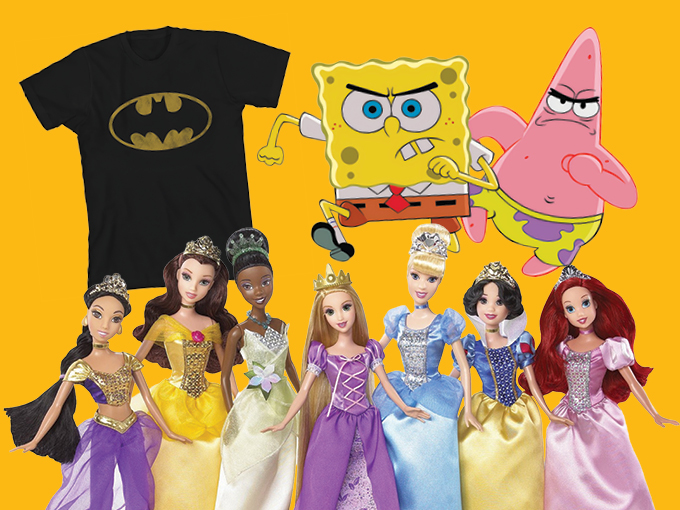
Regulatory compliance is now mandatory. The Children's Online Privacy Protection Act (COPPA) established guardrails protecting young viewers' privacy across streaming platforms, apps, and social video. Sellers must implement COPPA-compliant data collection and marketing practices—non-compliance risks $43,280 per violation. Disney's Princess line and Harry Potter demonstrate the blueprint: unified brand universes across multiple touchpoints (publishing, screen, products) generate 8-12x higher lifetime customer value than single-channel licensing.
Operational agility is competitive advantage. COVID-19 catalyzed remote collaboration innovations, streamlining approval processes and increasing industry agility. Sellers leveraging rapid prototyping and 3PL partnerships can now launch licensed products within 4-6 weeks versus traditional 12-18 month cycles. Tickle Me Elmo (1996) exemplified successful licensing by infusing brand essence into physical products rather than simply applying logos—a principle that drives 25-35% higher margins in kids' merchandise categories.
The convergence of digital distribution, creator economies, and regulatory evolution creates a compressed timeline for sellers: identify trending creators (48-72 hour window), secure licensing rights (2-4 weeks), and launch merchandise (4-6 weeks) to capture peak demand windows. Sellers ignoring this acceleration risk losing 60-80% of potential revenue to faster competitors.
Questions 8
How does social commerce change kids' merchandise licensing for sellers?
Social commerce shifts purchasing directly to platforms like TikTok, Instagram, and YouTube where creators are now licensable products themselves. Millennial and Gen Z consumers shop through creator storefronts rather than traditional retail, meaning sellers must build relationships with micro-influencers (10K-100K followers) rather than relying on brand partnerships alone. This creates 40-60% lower customer acquisition costs on TikTok versus Meta platforms for kids' categories, but requires COPPA-compliant marketing practices. Sellers can expect 3-5x higher conversion rates when products are endorsed by trending creators versus traditional licensed merchandise.
How fast can sellers launch licensed kids' products in 2025?
Modern licensing timelines have compressed from 12-18 months to 4-6 weeks for trending merchandise. COVID-19 catalyzed remote collaboration innovations that streamlined approval processes and increased industry agility. Sellers using rapid prototyping, 3PL partnerships, and pre-negotiated licensing agreements can identify trending creators (48-72 hour window), secure rights (2-4 weeks), and launch products (4-6 weeks). Fast fashion principles now dominate kids' licensing—real-time merchandise delivery is expected rather than seasonal planning. Sellers missing this 4-6 week window lose 60-80% of potential revenue to faster competitors.