



China's Beef Import Blockade Reshapes Global Agricultural Trade Dynamics
- Protectionist Tariff Strategy Signals Massive Disruption for International Beef Exporters


















Overview
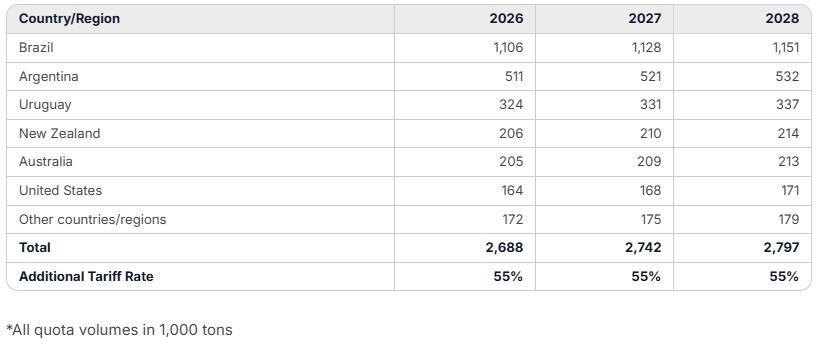
China's strategic trade maneuver in the beef import sector represents a profound restructuring of global agricultural markets, with far-reaching implications that extend well beyond simple tariff adjustments. The unprecedented 55% additional tariff on beef imports, effective January 1, 2026, signals a calculated move to protect domestic agricultural interests while fundamentally reshaping international trade corridors.
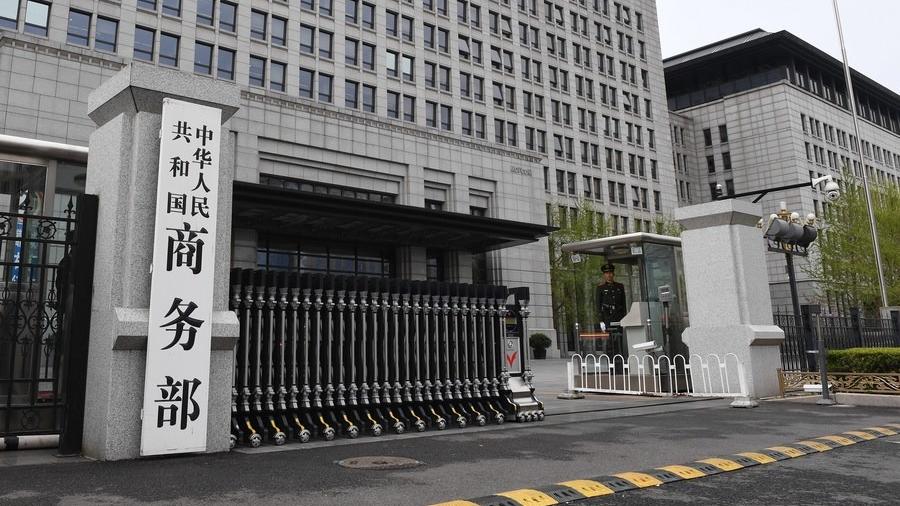
Geopolitical Protectionism in Agricultural Trade: By implementing strict quota systems and punitive tariffs targeting major exporters like Brazil and the United States, China is weaponizing trade policy to create significant market entry barriers. The commerce ministry's approach goes beyond traditional protectionism—it's a strategic recalibration of global agricultural supply chains. Smaller beef exporters will find themselves particularly vulnerable, facing potential market exclusion through complex regulatory mechanisms.
Market Access Transformation: The quota restrictions represent more than economic policy; they're a sophisticated geopolitical instrument. International agricultural traders must now navigate an increasingly complex landscape where traditional export routes can be suddenly and dramatically restricted. The timing and specificity of these measures—applying to shipments exceeding specific quota limits—suggest a carefully engineered approach designed to maximize domestic market protection while maintaining a veneer of regulatory legitimacy.
Strategic Implications for Cross-Border Sellers: Businesses engaged in food-related international trade must recognize this as a watershed moment. The beef import restrictions are likely a harbinger of broader trade policy shifts across agricultural categories. Successful sellers will need to develop hyper-adaptive strategies, including:
- Diversifying export markets beyond China
- Developing alternative product configurations
- Investing in deep regulatory intelligence capabilities
- Creating flexible supply chain architectures that can rapidly reconfigure in response to geopolitical signals
The move underscores the volatile nature of international agricultural trade, where geopolitical considerations can transform market access with remarkable speed and precision. Cross-border sellers must remain strategically agile, maintaining flexible supply chains and continuously monitoring regulatory environments across different international markets.
Questions 3
How will the 55% tariff impact major beef exporters like Brazil and the United States?
The tariff will create substantial market access challenges, potentially reducing export volumes by forcing exporters to renegotiate trade arrangements or seek alternative markets. Smaller exporters might find themselves completely priced out of the Chinese market, while larger producers will need to absorb significant margin compression.
Are these beef import restrictions likely to expand to other agricultural categories?
The precision and strategic nature of these restrictions suggest they could be a template for broader agricultural trade policy. Cross-border sellers should anticipate similar quota and tariff mechanisms potentially emerging in other food and agricultural product categories, requiring adaptive and flexible market entry strategies.