


)

Nepal's Gen Z Political Shift Reshapes South Asian Consumer Market | Emerging Opportunities in Youth-Driven Economies
- 19 million voters, 1 million new youth registrants signal massive demographic shift; political instability creates supply chain risks and consumer behavior volatility for South Asia sellers















Overview
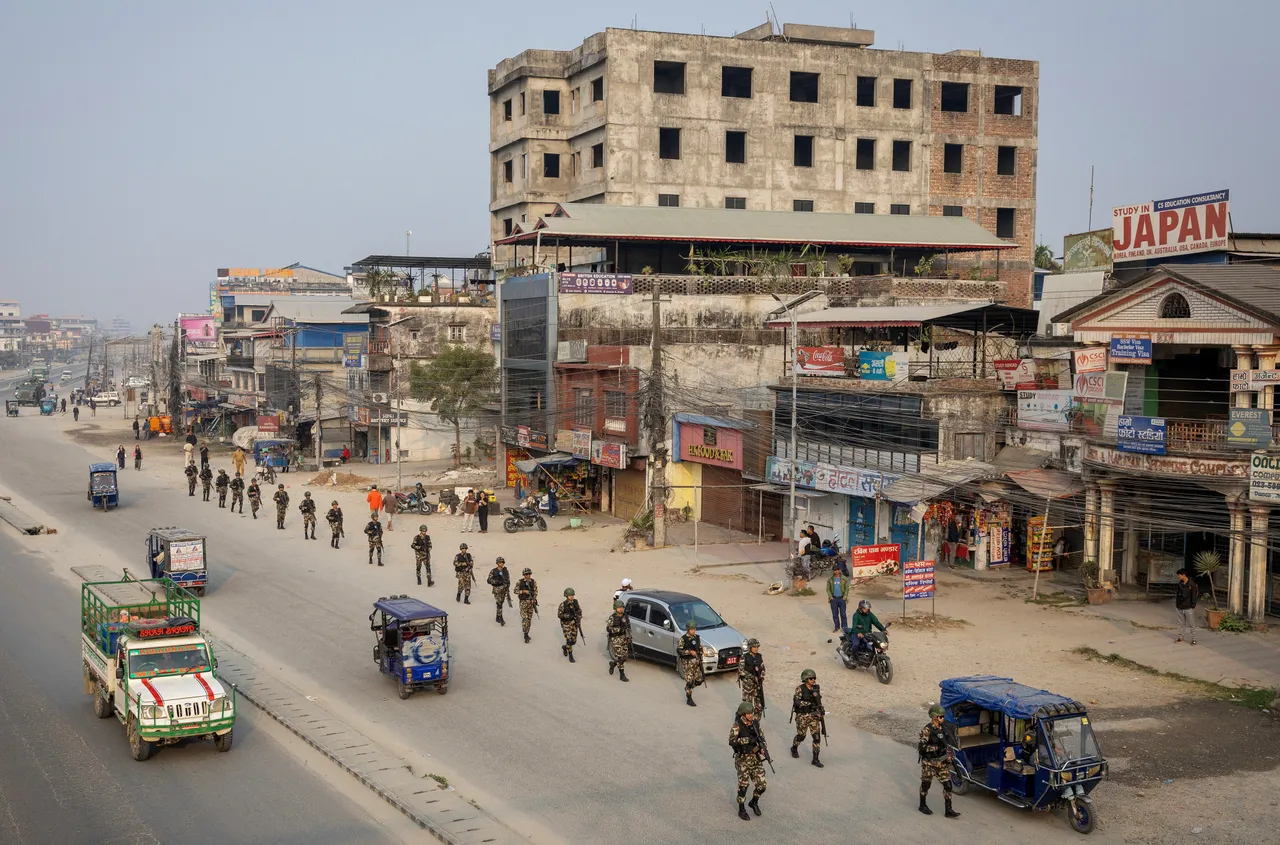
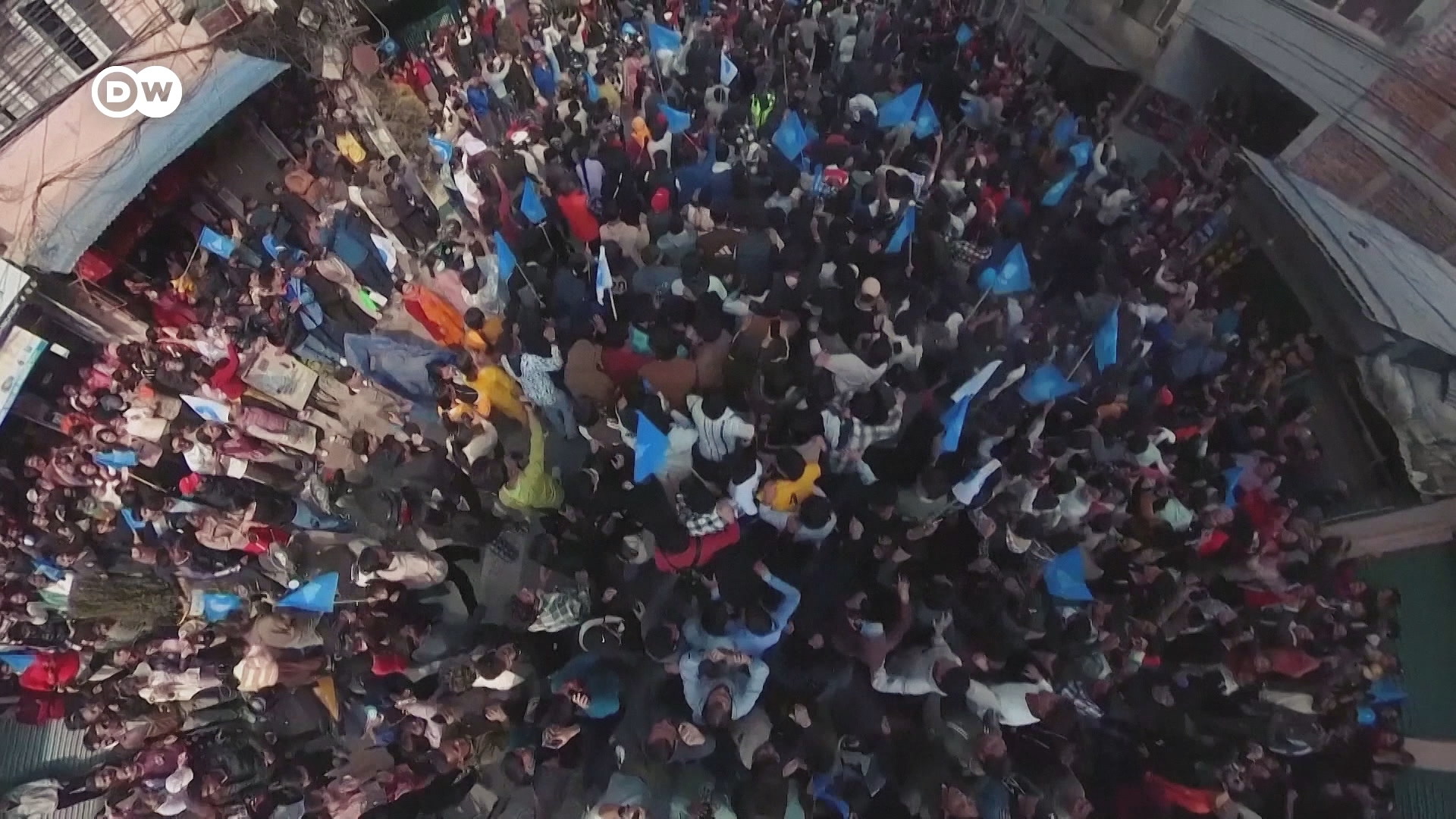
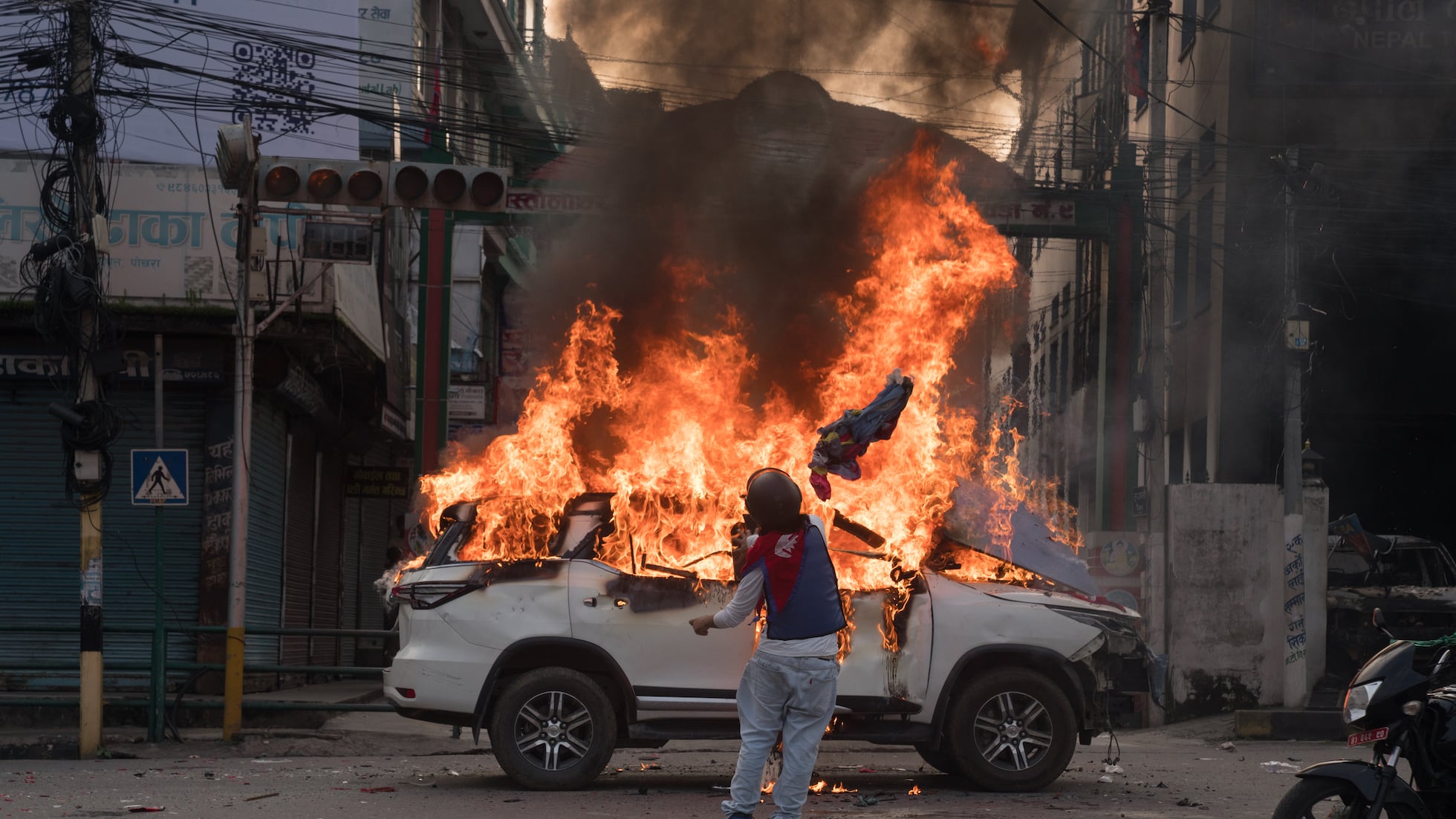
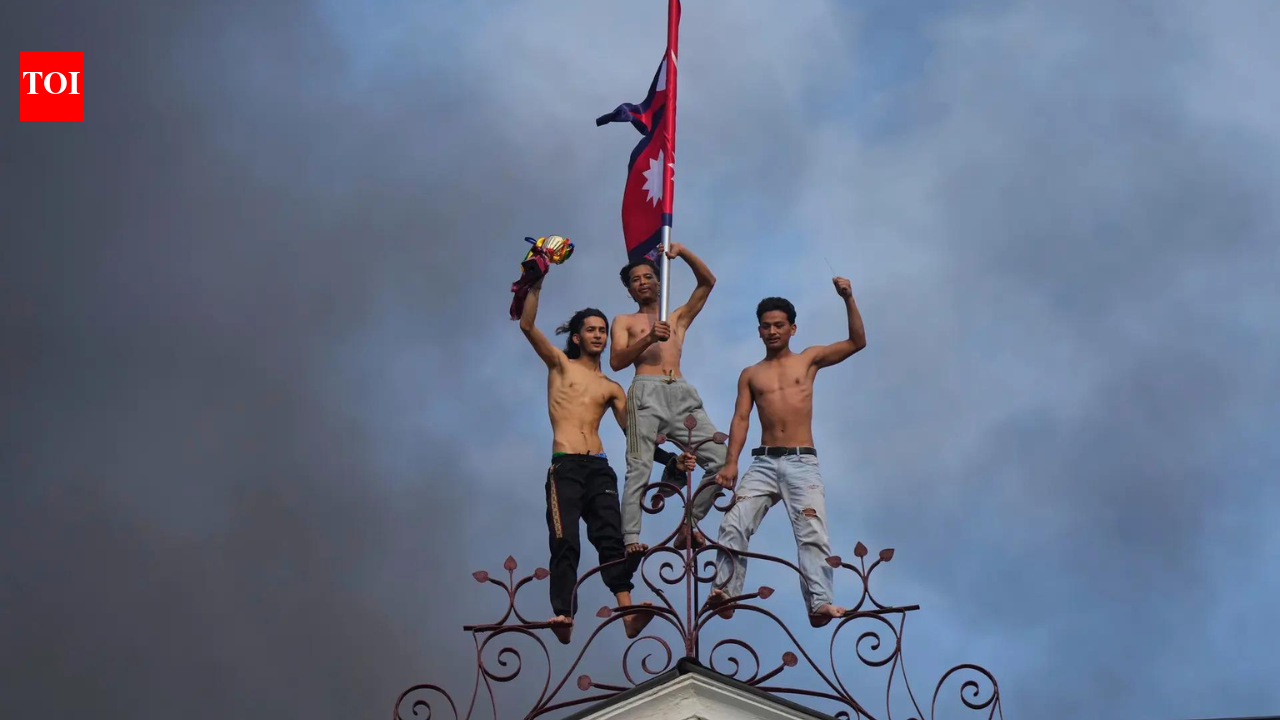
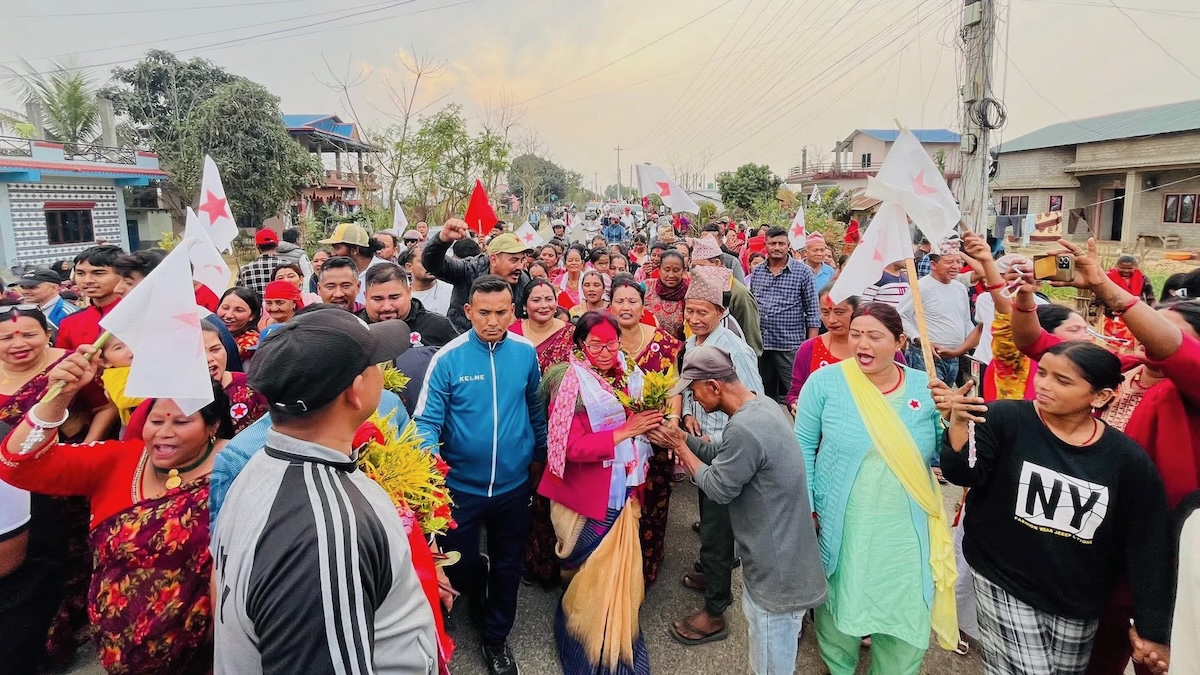
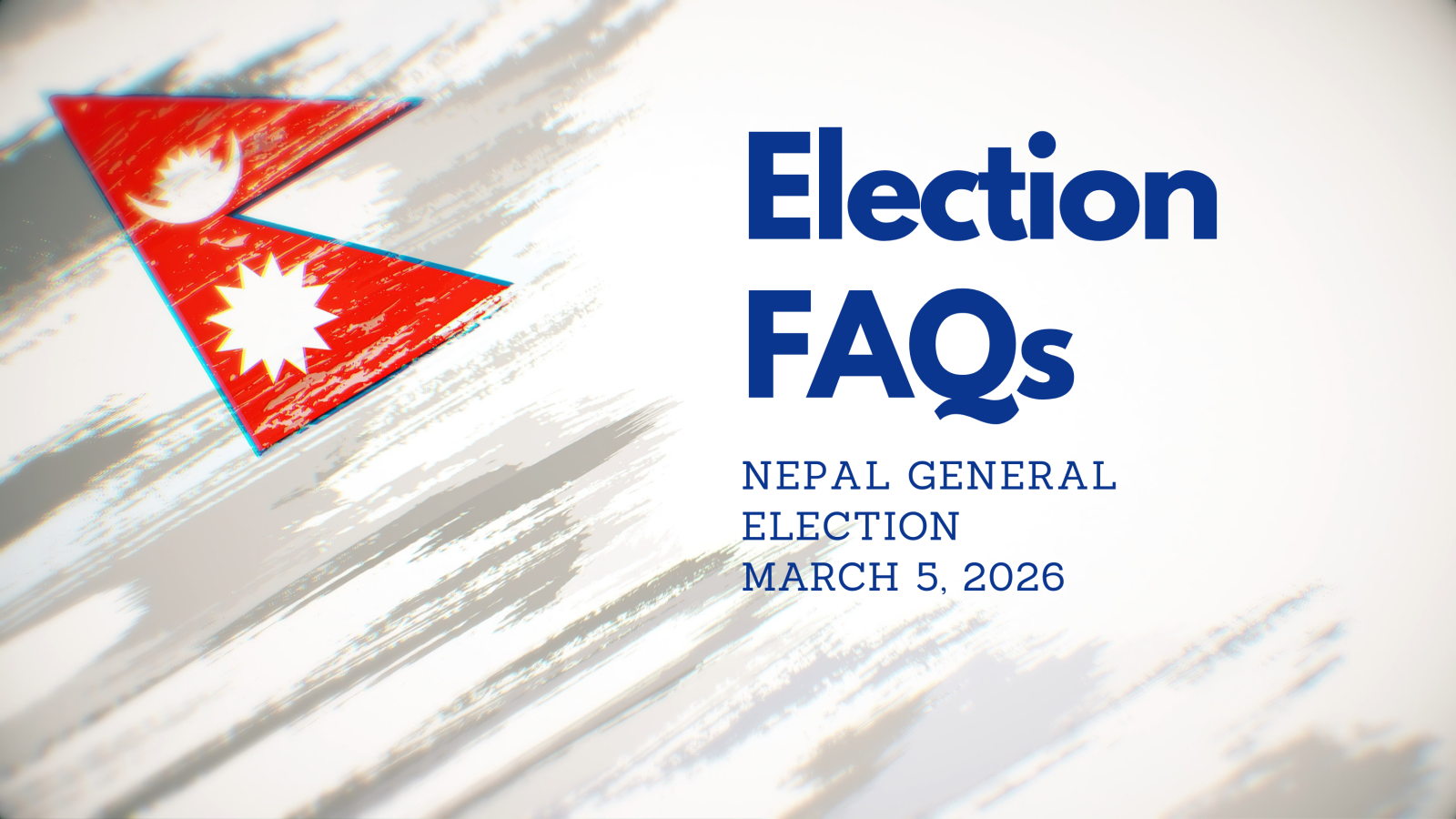
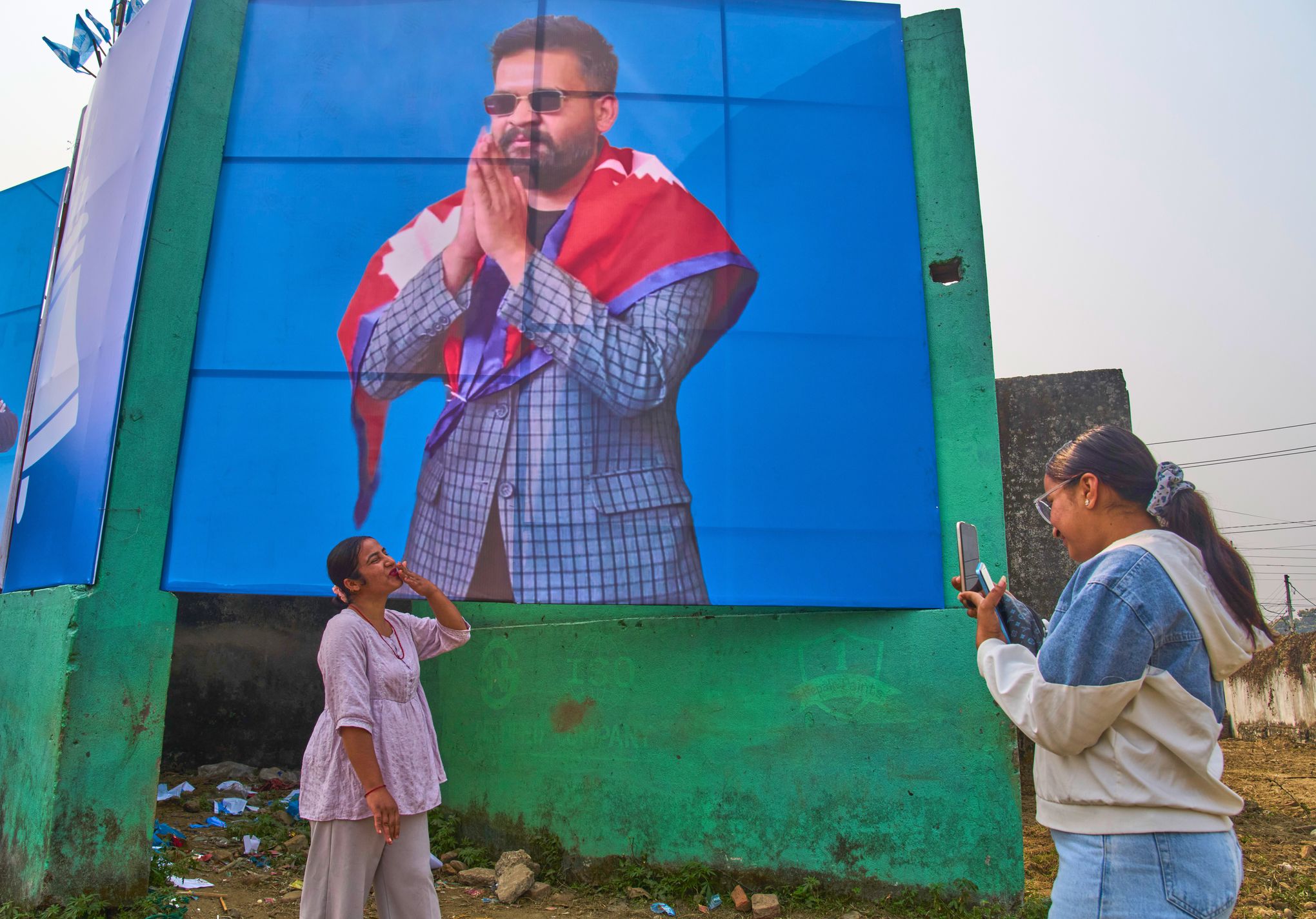
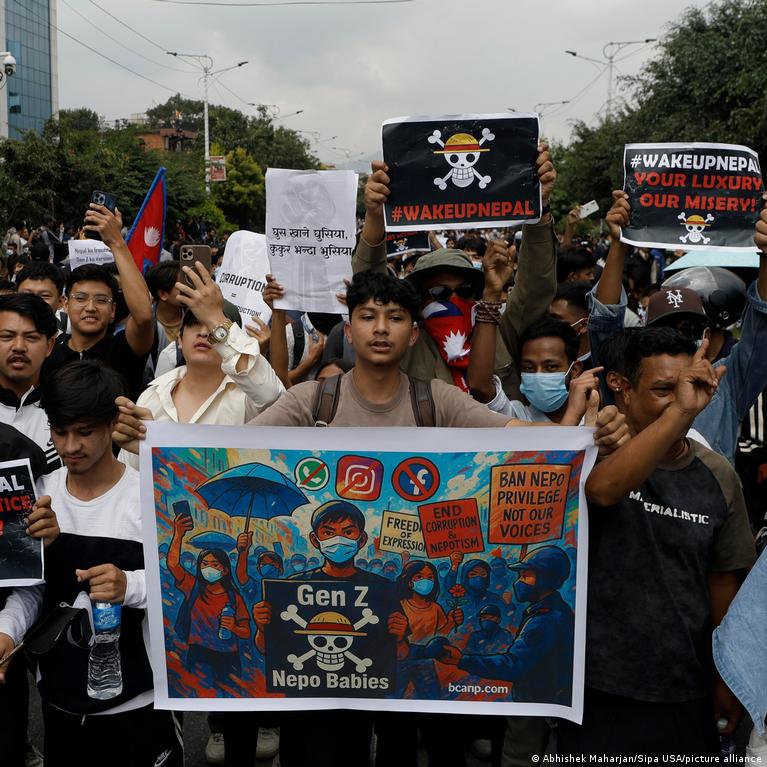
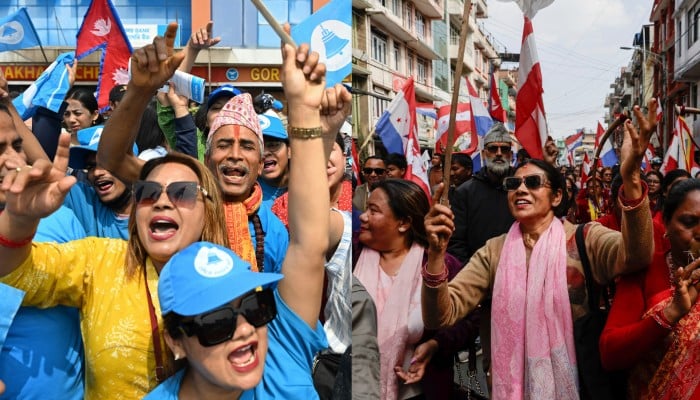
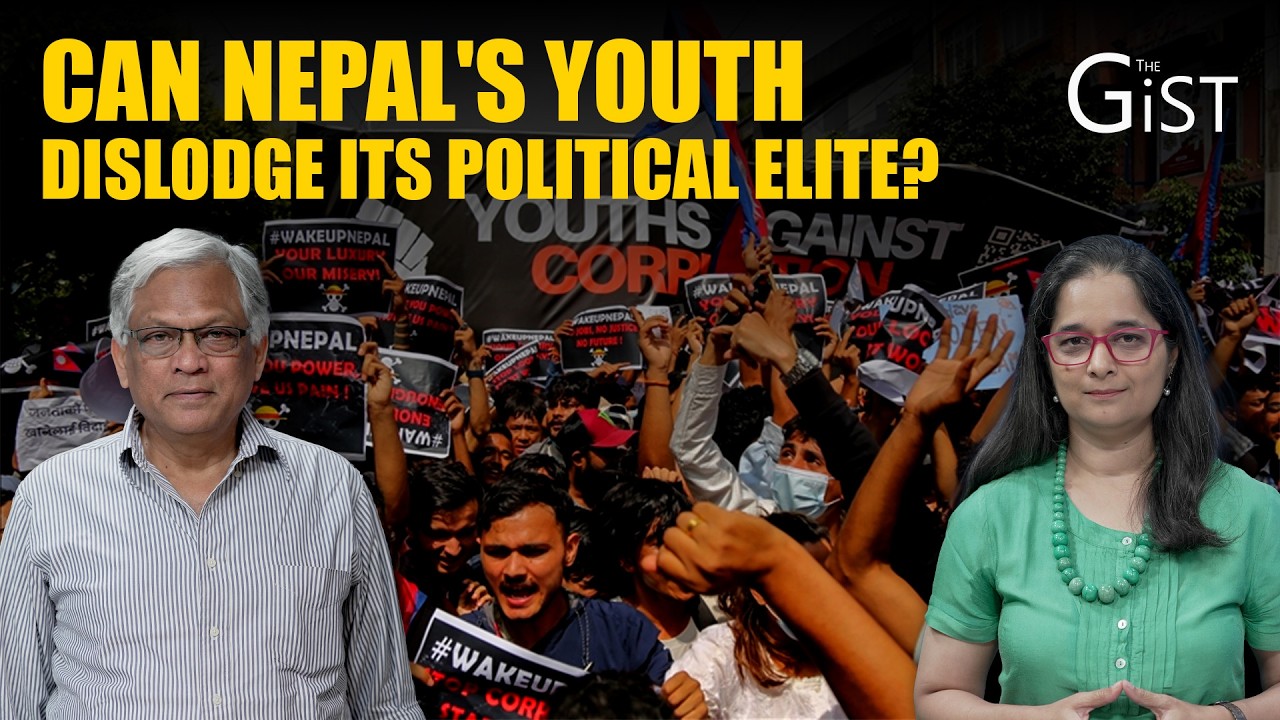
Nepal's March 2026 elections represent a watershed moment for cross-border e-commerce sellers targeting South Asian markets. Following September 2025 Gen Z-led anti-corruption protests that resulted in 76-77 deaths and forced government resignation, nearly 19 million registered voters—including approximately 1 million newly registered youth—will participate in elections on March 5-6, 2026. This unprecedented youth mobilization reflects broader demographic and economic trends reshaping consumer behavior across the region.
Market Volatility and Consumer Behavior Shifts: The political upheaval directly impacts e-commerce demand patterns. Nepal's 32 government changes since 1990 and persistent political instability have historically driven "hundreds of thousands" of Nepalis into overseas employment annually, creating diaspora purchasing power for remittance-backed consumption. However, the current election cycle introduces significant uncertainty: voter sentiment hinges on whether new leadership delivers job creation, agricultural reform, and economic restructuring. This creates a bifurcated consumer base—those investing in Nepal's future (increased domestic consumption) versus those preparing for emigration (reduced local spending, increased demand for portable goods and international shipping services). Finance manager Biki Shrestha's statement that "election outcomes will determine whether families remain in Nepal or migrate" exemplifies this decision point affecting household spending patterns.
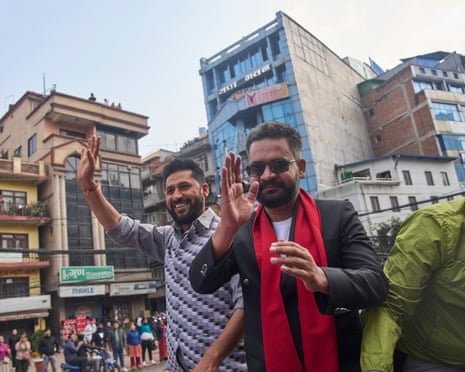
Youth-Driven Product Opportunities: Gen Z voters (approximately 1 million new registrants) represent an emerging consumer segment with distinct preferences. The movement's reliance on social media organizing and Balendra Shah's campaign strategy emphasizing digital platforms indicates strong digital adoption among younger demographics. This cohort demands job creation and economic opportunity, suggesting receptivity to skill-development products, online education, entrepreneurship tools, and digital services. Additionally, the movement's anti-corruption focus and demand for accountability creates opportunities for transparency-focused brands and ethical commerce platforms that align with generational values.
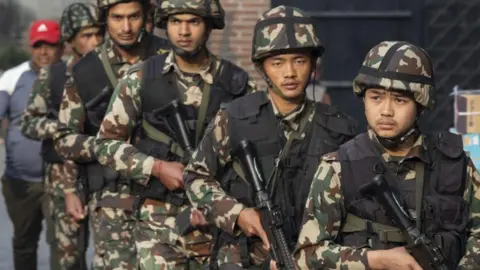
Supply Chain and Logistics Considerations: Nepal's political instability directly affects cross-border logistics. The September 2025 crackdown included "mass arson campaigns that destroyed thousands of buildings nationwide," indicating infrastructure vulnerability. Sellers shipping to Nepal face increased risks: customs delays during political transitions, potential regulatory changes under new government, and infrastructure disruptions. The election outcome will determine trade policy direction—whether new leadership pursues economic liberalization (benefiting cross-border sellers) or protectionist policies favoring domestic producers. Bangladesh's comparable Gen Z-driven transition (July 2024 protests) resulted in youth-driven parties winning only 6 of 300 parliamentary seats, suggesting limited immediate policy implementation despite electoral participation.
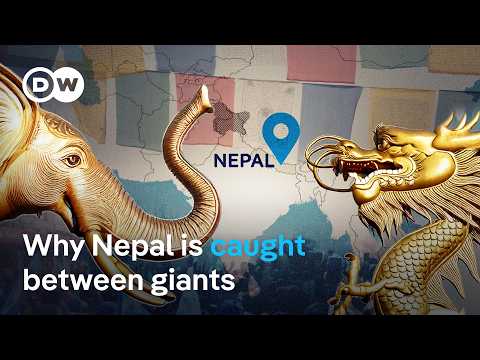
Regional Pattern Recognition: Nepal's election represents the second Gen Z-driven political transition in South Asia following Bangladesh's 2024 protests. This regional pattern indicates structural youth dissatisfaction with economic stagnation and governance failures. For sellers, this signals: (1) emerging consumer markets with high growth potential but political risk, (2) diaspora communities increasingly engaged in home-country politics and consumption decisions, and (3) potential for targeted marketing around economic opportunity and reform narratives that resonate with youth demographics across South Asia.
Questions 7
How does Nepal's political instability affect cross-border sellers shipping to the region?
Nepal's 32 government changes since 1990 and current political transition create significant logistics risks for cross-border sellers. The September 2025 crackdown included mass arson destroying thousands of buildings, indicating infrastructure vulnerability. During political transitions, customs processing typically experiences 2-4 week delays as new administrations establish trade policies. Sellers should expect potential regulatory changes under new leadership—the incoming government's stance on trade liberalization versus protectionism remains unclear. Monitor Nepal's customs authority announcements post-election (expected by late March 2026) before committing to large inventory shipments. Consider diversifying South Asian logistics through India or Bangladesh as backup routes during Nepal's transition period.
How does Nepal's election compare to Bangladesh's Gen Z-driven political transition for market opportunities?
Nepal's election represents the second Gen Z-driven political transition in South Asia following Bangladesh's July 2024 protests. However, key differences affect market opportunities: Bangladesh's February 2025 election showed youth-driven parties won only 6 of 300 parliamentary seats despite street momentum, suggesting limited immediate policy implementation. Nepal faces similar challenges—Gen Z candidates represent only 5% of all candidates, with constitutional barriers (minimum age 25) and high nomination fees ($375-323) limiting youth participation. This indicates both markets will see continued political volatility and delayed economic reforms. For sellers, this means: (1) South Asia remains high-growth but high-risk, (2) diaspora communities will remain primary consumers, and (3) expect 12-18 month lag between political change and actual policy implementation affecting trade.