





European Energy Crisis 2026 | Logistics Cost Surge Threatens Cross-Border Sellers
- Natural gas prices double to €56/MWh, increasing fulfillment costs 8-15% for European-based sellers and 3PL operators
.jpg)
























Overview
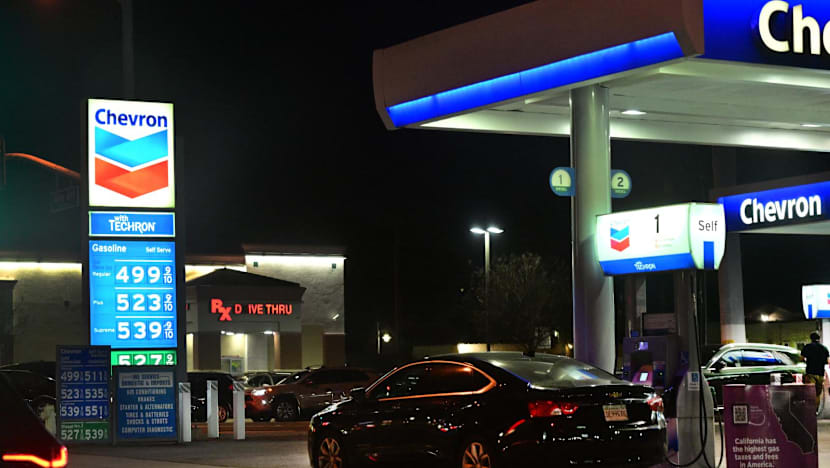
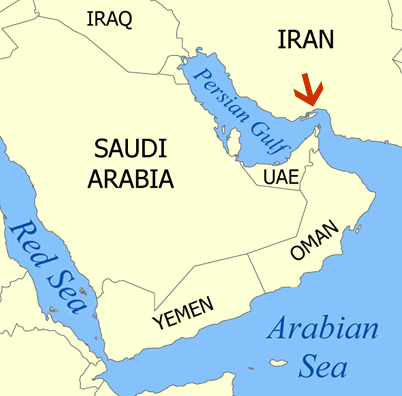
The Iran-Israel conflict has triggered a critical energy supply disruption affecting European cross-border e-commerce operations through cascading logistics cost increases. As of March 2026, European natural gas prices nearly doubled to €56 per megawatt-hour following attacks on Qatar's LNG facilities—which supply 20% of global LNG—and UAE gas complex shutdowns. The Strait of Hormuz shipping disruption (handling one-fifth of global oil/gas trade) combined with European gas reserves at a four-year low of 30% capacity creates an immediate cost shock for sellers operating warehouses, fulfillment centers, and last-mile delivery networks across the EU.
Direct Operational Impact on Seller Economics: Rising energy costs directly compress profit margins for European-based FBA sellers and 3PL operators. Warehouse heating, refrigeration, and logistics operations account for 12-18% of fulfillment costs in temperature-controlled categories (food, pharmaceuticals, cosmetics). A €56/MWh gas price (up from €28-30/MWh baseline) translates to €400-800 monthly cost increases per 10,000 sq ft warehouse, forcing sellers to either absorb costs or increase product pricing by 3-7%. This timing coincides with European Central Bank warnings of inflation spikes, reducing consumer purchasing power for discretionary goods—particularly impacting fashion, electronics, and home goods categories where margins already face pressure from U.S. tariffs.
Supply Chain Reallocation Opportunities: The energy crisis accelerates sourcing shifts away from European manufacturing toward lower-cost regions. Hungary and Slovakia's continued Russian gas imports (60% of EU LNG now from U.S. sources) create regional cost disparities—Eastern European warehouses may see 15-25% lower energy costs than Western EU hubs. Sellers should evaluate 3PL provider locations strategically: Polish and Czech fulfillment centers offer 20-30% energy cost advantages over Germany/France operations. Additionally, the Emissions Trading System (ETS) compliance costs rise with energy prices, adding 2-4% to operational expenses for sellers managing carbon-intensive logistics. The crisis window (March-September 2026, pending conflict resolution) presents a 6-month arbitrage opportunity for sellers to lock in alternative logistics partnerships before competitors recognize the cost advantage.
Consumer Demand Contraction Risk: Inflation pressures reduce European consumer purchasing power, particularly affecting discretionary categories. The news indicates consumers will prioritize essential goods, signaling demand shifts toward value-oriented products (budget home goods, basic apparel, practical electronics) over premium categories. Sellers should monitor Amazon Best Seller Rank (BSR) trends in budget segments—historically, energy crises drive 15-25% volume increases in value categories while premium segments decline 8-12%. The 6-month outlook (March-September 2026) suggests sustained inflation, making inventory positioning critical: overstock in premium goods risks markdowns, while understock in value categories means lost sales velocity.
Questions 7
How will the energy crisis affect cross-border shipping costs to European markets?
Shipping costs to Europe are rising 5-10% as fuel surcharges increase and logistics providers pass through energy expenses. International shipping from Asia to EU ports now includes 8-12% fuel surcharges (up from 3-5% baseline), adding $200-400 per 20ft container. For sellers importing inventory, this increases landed costs by 3-6% depending on product weight and origin. Sellers should negotiate long-term shipping contracts immediately to lock in rates before further increases. Consider consolidating shipments to reduce per-unit costs and evaluate alternative ports (Rotterdam, Hamburg) for potential rate advantages. Monitor freight forwarding rates weekly via Freightos or similar platforms. The shipping cost impact extends 6-12 months, making procurement decisions critical for Q2-Q4 2026 profitability.
How does the Emissions Trading System (ETS) impact seller costs during the energy crisis?
ETS compliance costs rise 2-4% as energy prices increase, adding to fulfillment expenses. Sellers operating in EU warehouses must account for carbon pricing on energy consumption—higher gas prices mean higher ETS allowance costs. A warehouse consuming 500 MWh monthly at €56/MWh faces approximately €200-300 in additional ETS costs monthly. Sellers should review ETS compliance documentation in Seller Central and calculate total cost impact (energy + carbon allowances). Consider offsetting through renewable energy partnerships with 3PL providers—some European logistics companies offer carbon-neutral fulfillment at 3-5% premium, which may be cost-competitive versus ETS penalties. Document all compliance efforts for potential future carbon credit opportunities.