


Iran Conflict Drives Fuel Costs Up 20% | Critical Impact on E-Commerce Seller Margins
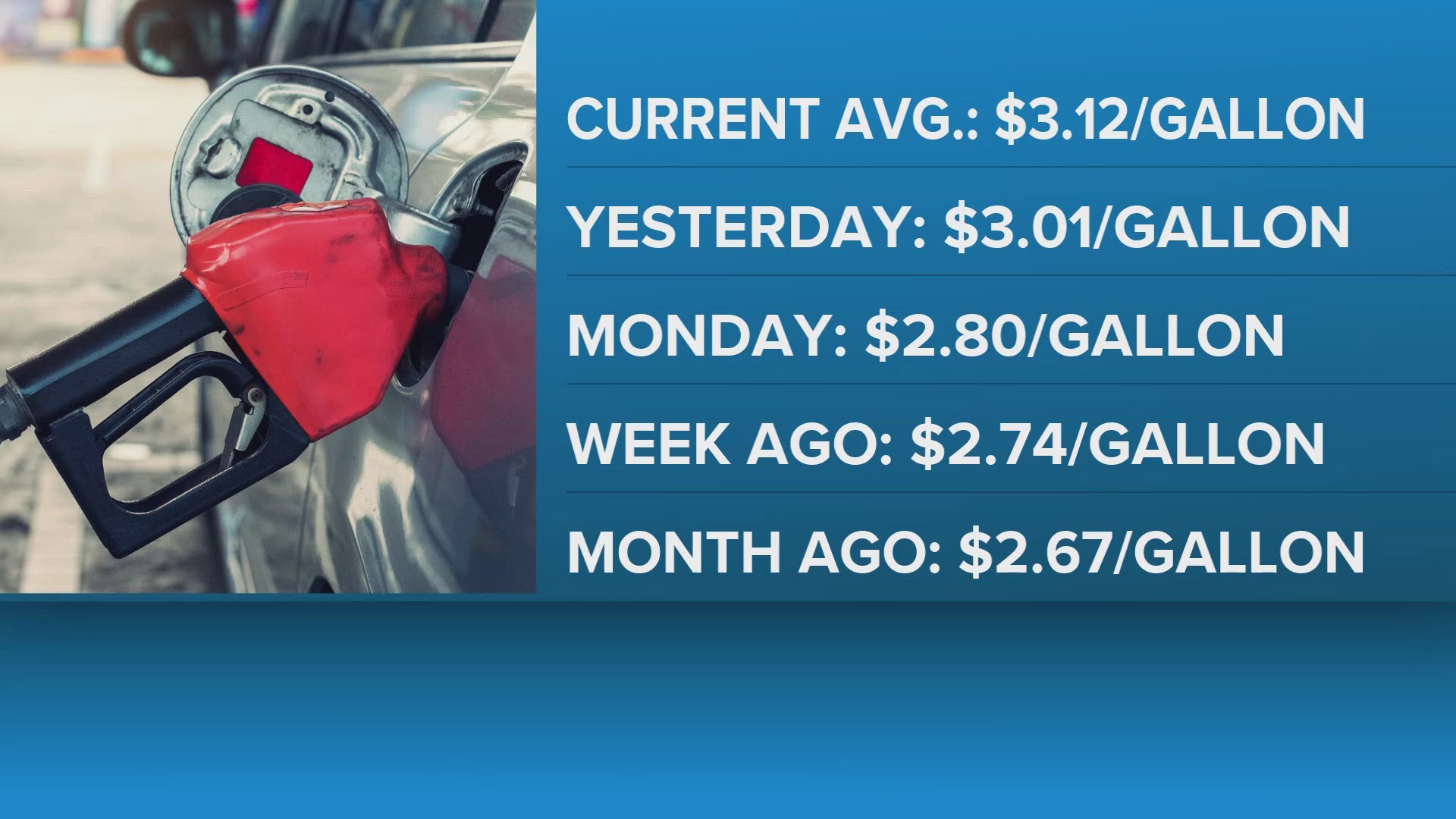
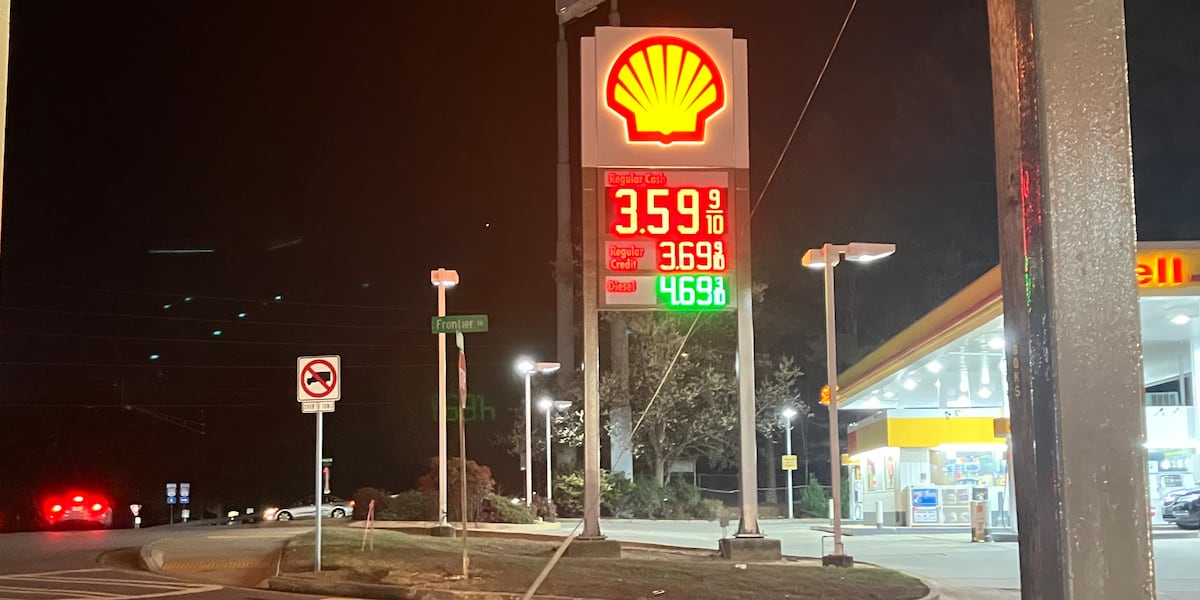
- Gasoline prices surge from $2.94 to $3.19/gallon in 3 days; diesel projected to reach $4.25-$4.45; sellers face 8-15% logistics cost increases affecting FBA, 3PL, and last-mile delivery operations






























Overview
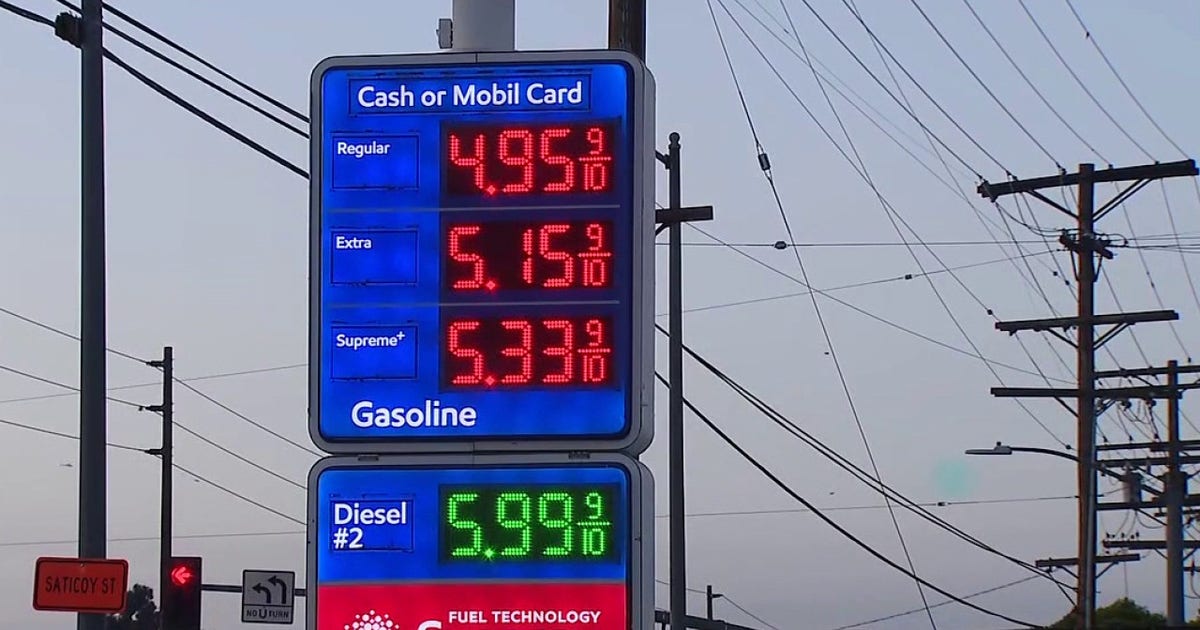
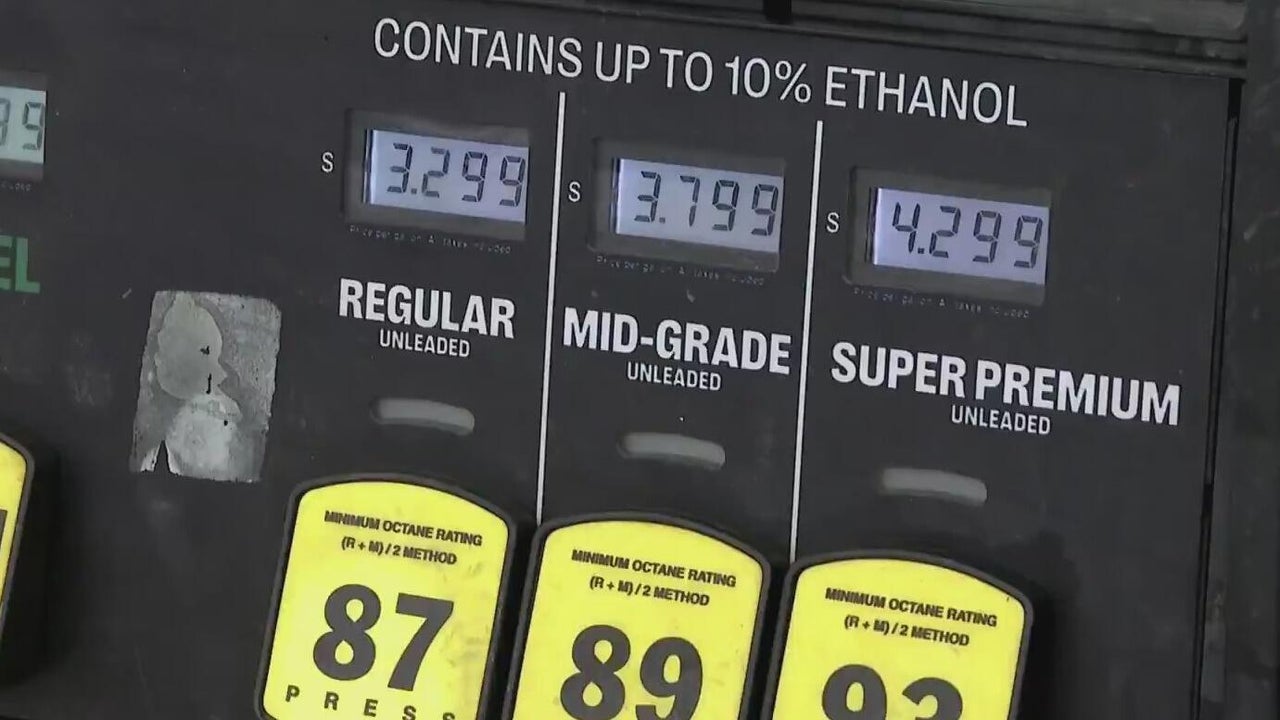
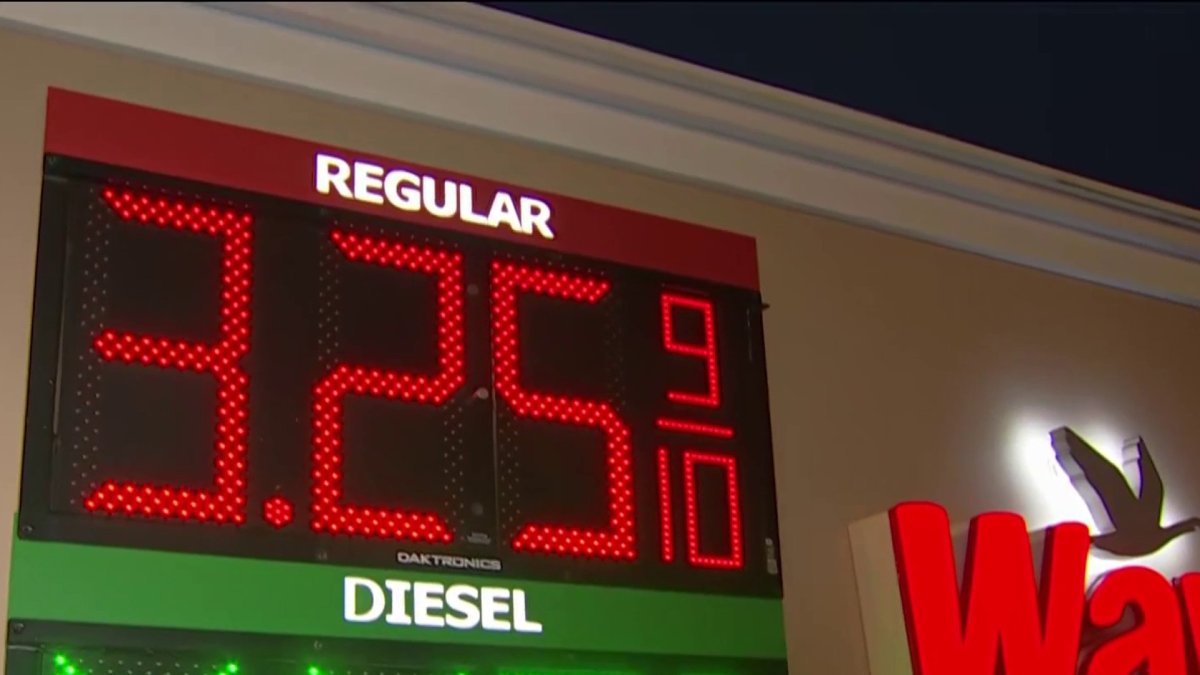
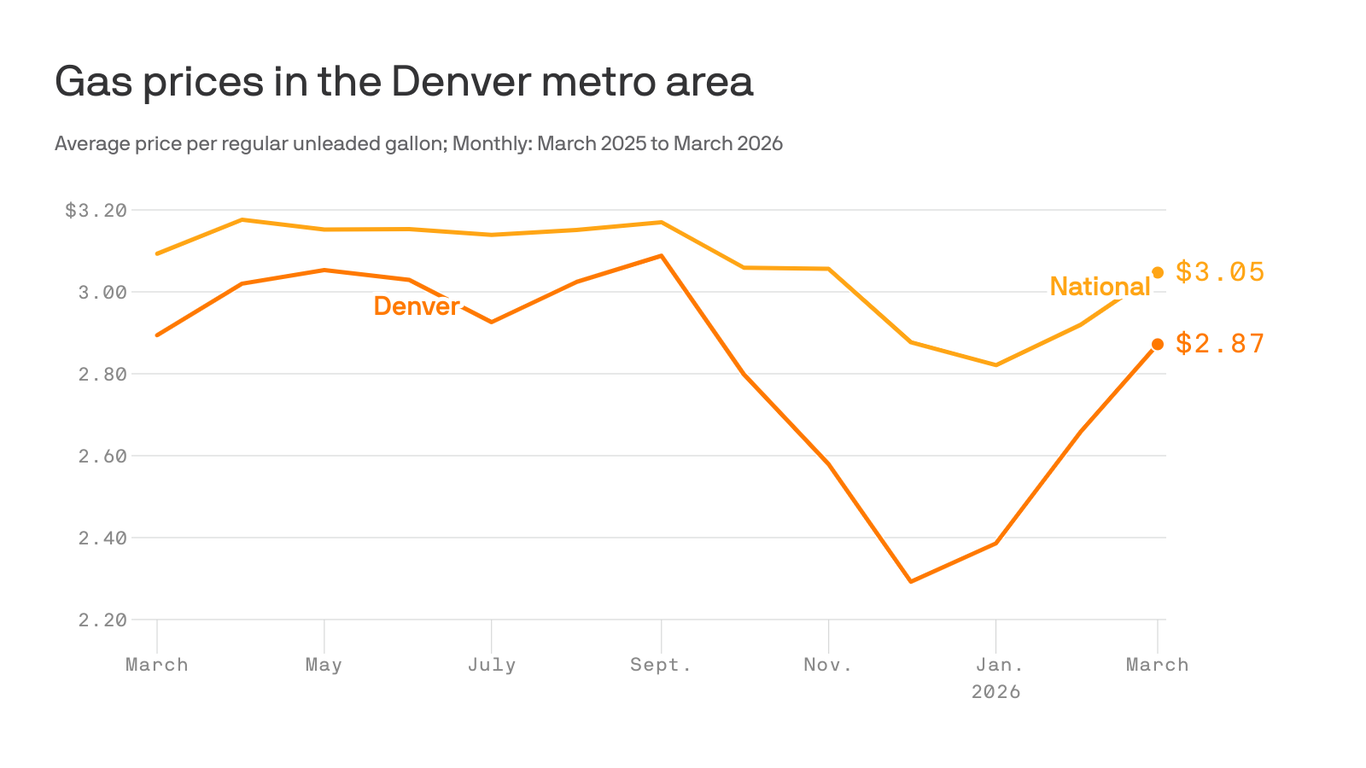
The Iran-Israel military conflict initiated February 28, 2025, has triggered the most significant energy market disruption since Russia's Ukraine invasion, with direct operational consequences for cross-border e-commerce sellers globally. Brent crude surged 15% from $70.77 to $81.73 per barrel by March 4, 2026, while U.S. gasoline prices jumped from $2.94 to $3.19 per gallon within three days—erasing all Trump administration price reductions since January 2025. The Strait of Hormuz, through which approximately 20% of global oil transits, faces de facto closure due to Iranian threats and shipping company suspensions (Maersk halted operations). GasBuddy projects gasoline reaching $3.30-$3.35 and diesel climbing to $4.25-$4.45 from mid-February levels of $3.71, representing a 14-20% increase in transportation fuel costs.
For cross-border e-commerce sellers, this energy crisis creates immediate operational margin compression across all logistics channels. Sellers relying on Amazon FBA face increased fulfillment costs through higher warehouse energy expenses and transportation surcharges. Diesel price increases directly impact last-mile delivery networks, with ground shipping costs rising 8-12% for sellers shipping 1,000+ units monthly. Air freight costs escalate proportionally, affecting sellers of time-sensitive or high-value products (electronics, apparel, perishables). The impact extends beyond direct fuel surcharges: warehousing operations, cold chain logistics for food/beverage categories, and international shipping rates all experience upward pressure. Sellers with thin margins (5-10% net) face immediate profitability threats, while high-volume, low-margin business models become unsustainable without price adjustments. The geopolitical nature of oil markets means sellers cannot mitigate these costs through domestic sourcing alone—crude oil trades globally regardless of U.S. domestic production levels.
Government intervention signals potential stabilization but carries ongoing risks. On March 4, 2026, U.S. Treasury Secretary Scott Bessent announced the International Development Finance Corporation (DFC) would provide insurance for crude carriers and cargo ships in the Persian Gulf, with President Trump pledging naval escorts if necessary. Following these announcements, oil prices stabilized (WTI crude rose only 10 cents to $74.66, Brent declined 3 cents to $81.37), suggesting temporary relief. However, continued regional instability poses persistent supply chain vulnerabilities. Sellers relying on just-in-time inventory through Middle Eastern routes face potential delays and increased insurance premiums. The conflict's duration determines impact magnitude: analysts indicate significant effects require 3-4+ months of sustained tension. Historical precedent from 2008 ($4+ gasoline) and 1970s oil shocks shows consumer discretionary spending contracts during extended fuel price spikes, reducing overall e-commerce demand even as seller costs rise—a dual margin compression scenario.
Questions 8
How much will fuel costs increase for Amazon FBA sellers shipping products?
Amazon FBA sellers face 8-15% logistics cost increases depending on fulfillment center location and product weight. Diesel prices are projected to climb from $3.71 to $4.25-$4.45 per gallon (14-20% increase), directly raising Amazon's transportation surcharges and warehouse energy costs. For a seller shipping 1,000 units monthly with $2 per-unit logistics costs, this represents $160-300 additional monthly expenses. Sellers should review their FBA fee structure in Seller Central and model pricing adjustments immediately, as Amazon typically passes fuel surcharges to sellers within 30-60 days of market changes.
Will Amazon or other platforms adjust FBA fees due to fuel cost increases?
Amazon historically adjusts fuel surcharges separately from base FBA fees, typically within 7-14 days of sustained price movements. The current $3.10+ per gallon baseline (up 20 cents from one month prior) suggests surcharge adjustments are imminent. Check Amazon Seller Central announcements and FBA fee schedule updates weekly during March-April 2026. eBay and Shopify sellers using third-party logistics should expect carrier notifications of fuel surcharge increases directly. Walmart Marketplace sellers face similar exposure through their logistics partners. Document all surcharge increases for pricing model adjustments—most platforms allow price increases within 24-48 hours of fee announcements without Buy Box penalties.