

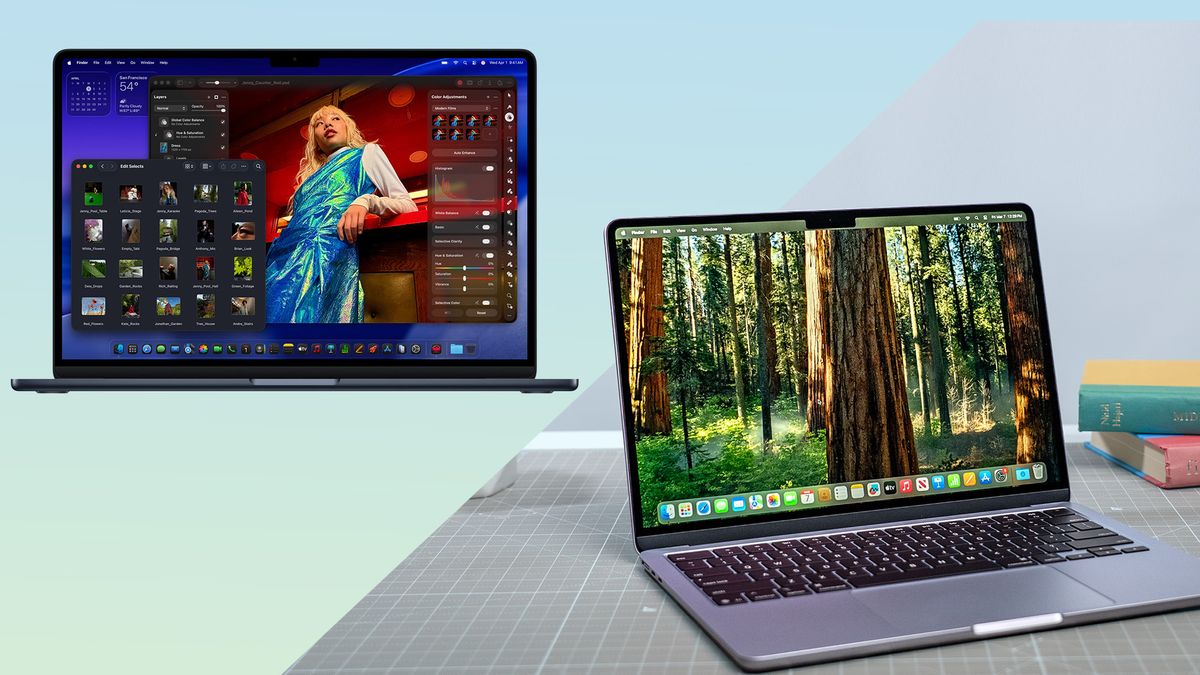
Apple M5 MacBook Pricing Strategy | AI-First Shift Creates Refurb & Accessory Opportunities
- MacBook Air prices up $100 (13-inch $1,099, 15-inch $1,299); M5 Pro/Max up $400; creates 4x LLM processing advantage for sellers needing AI workloads locally




















Overview
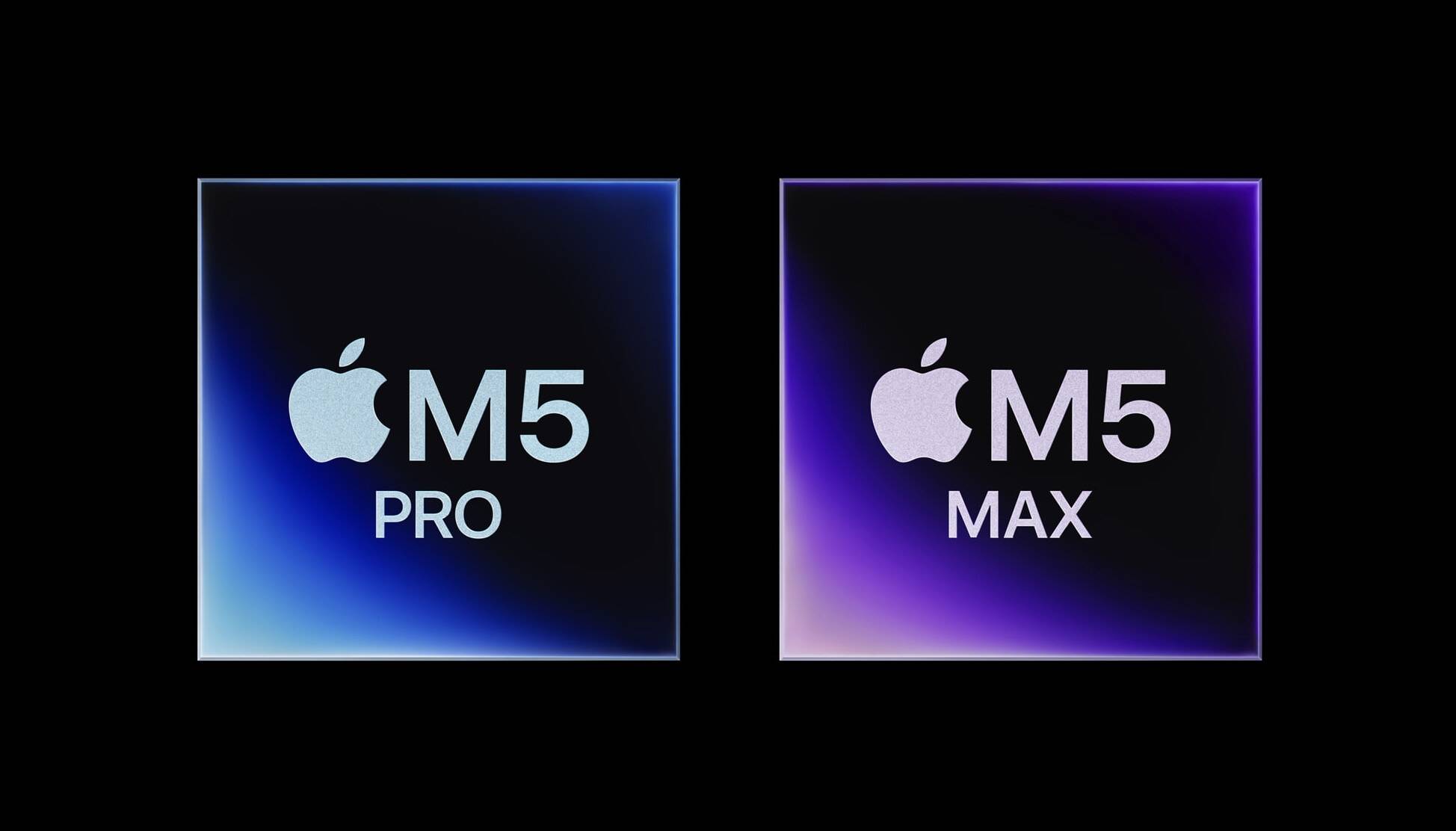
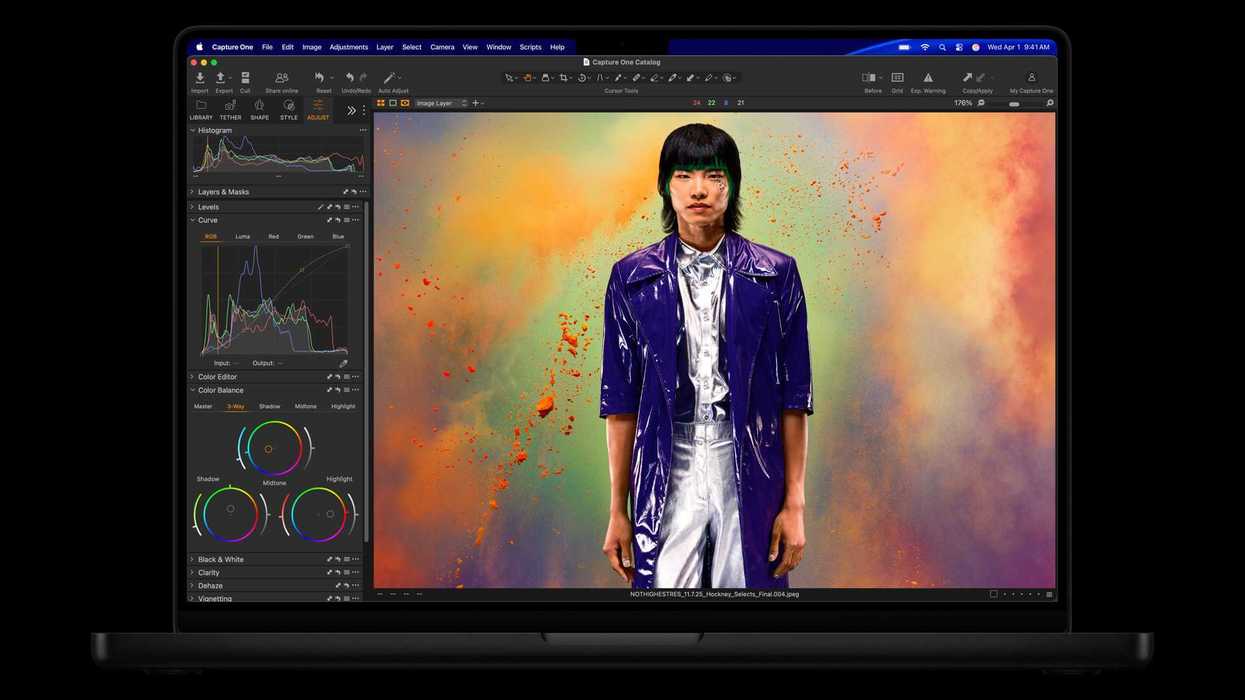
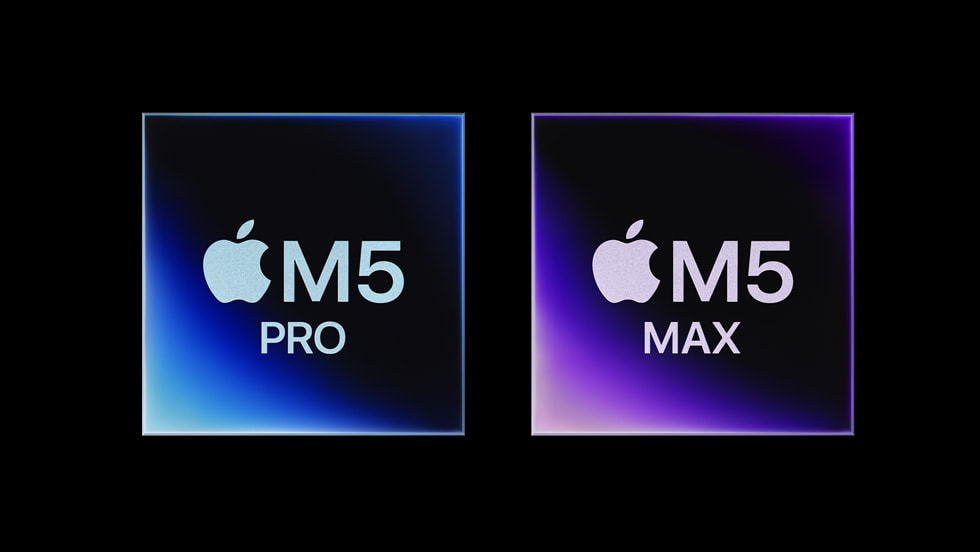
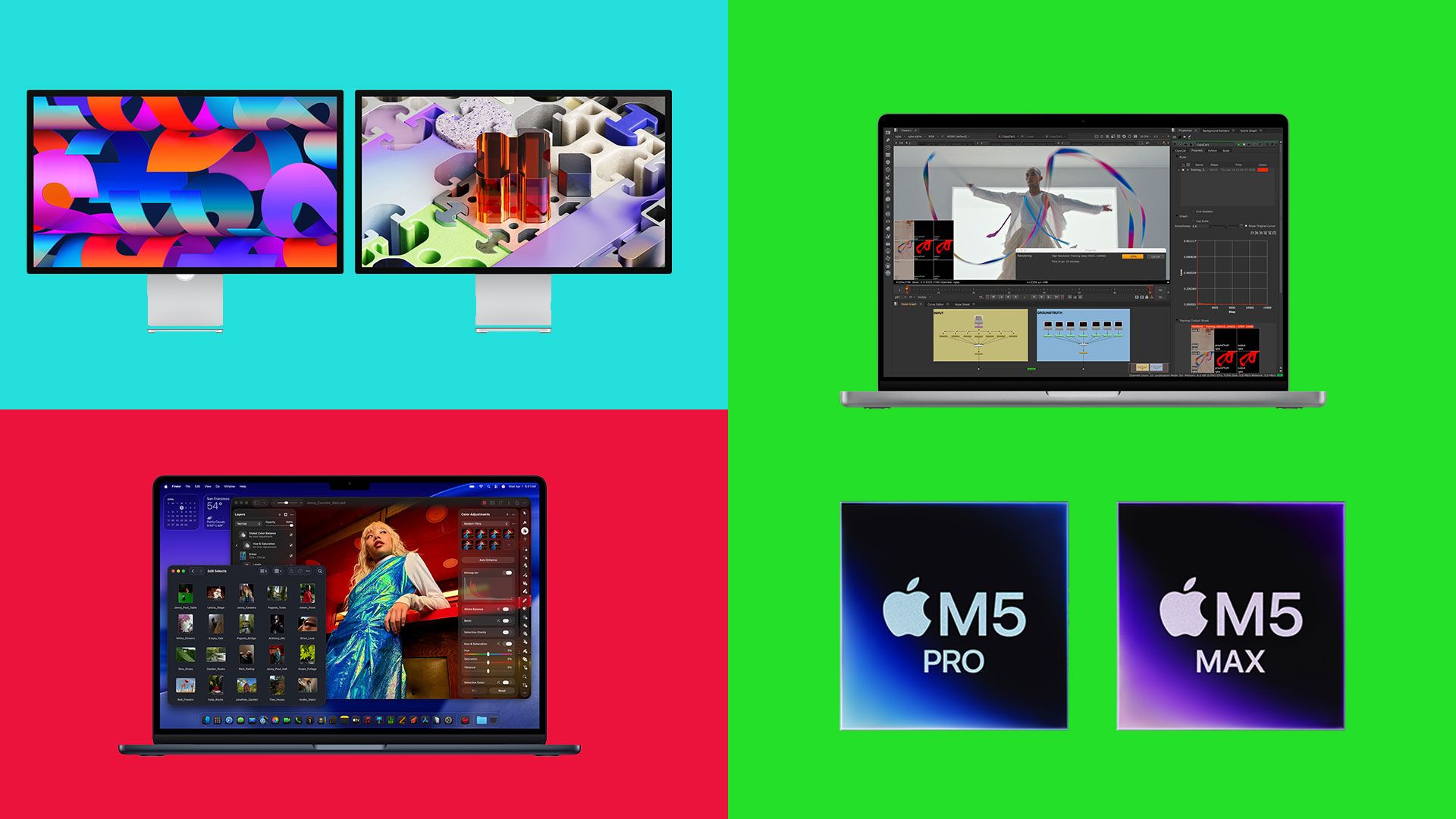
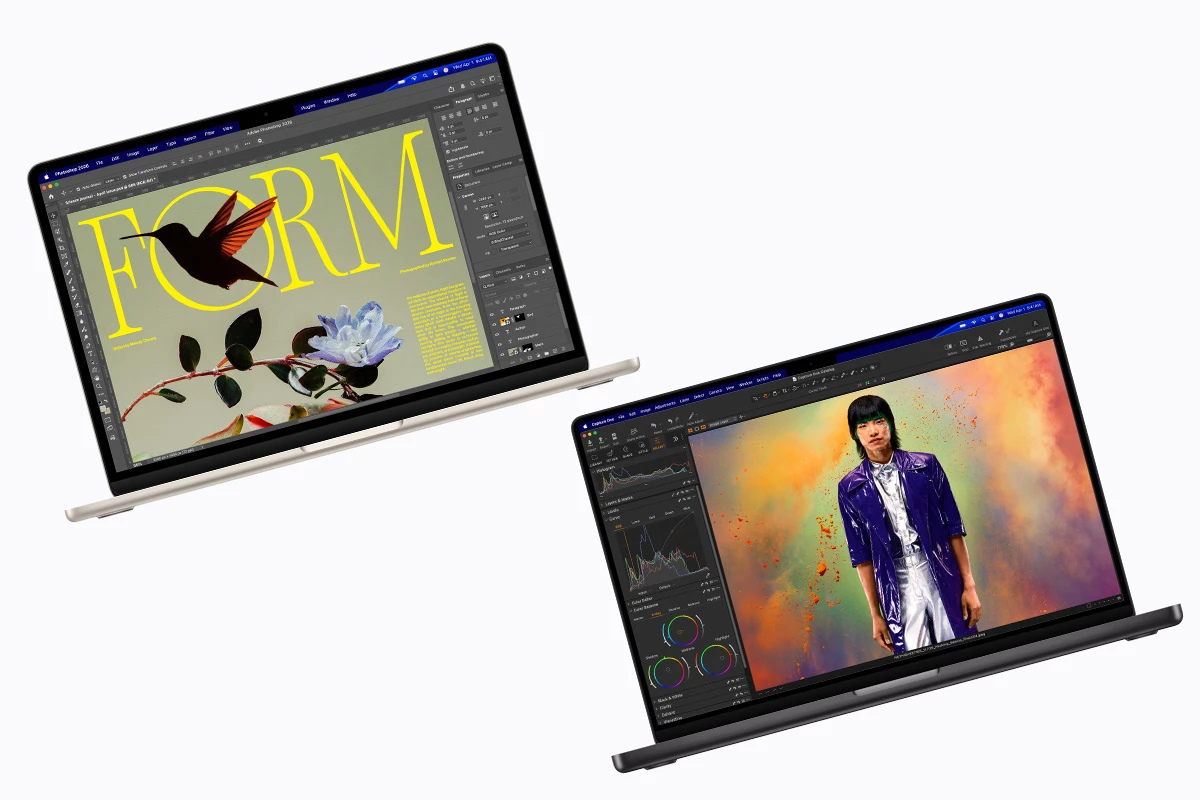
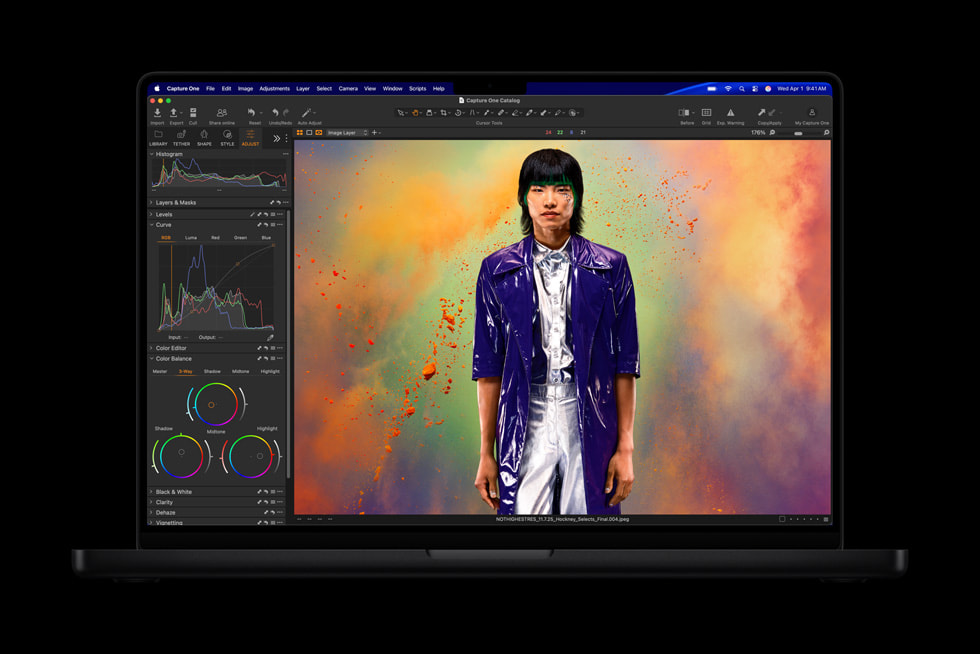
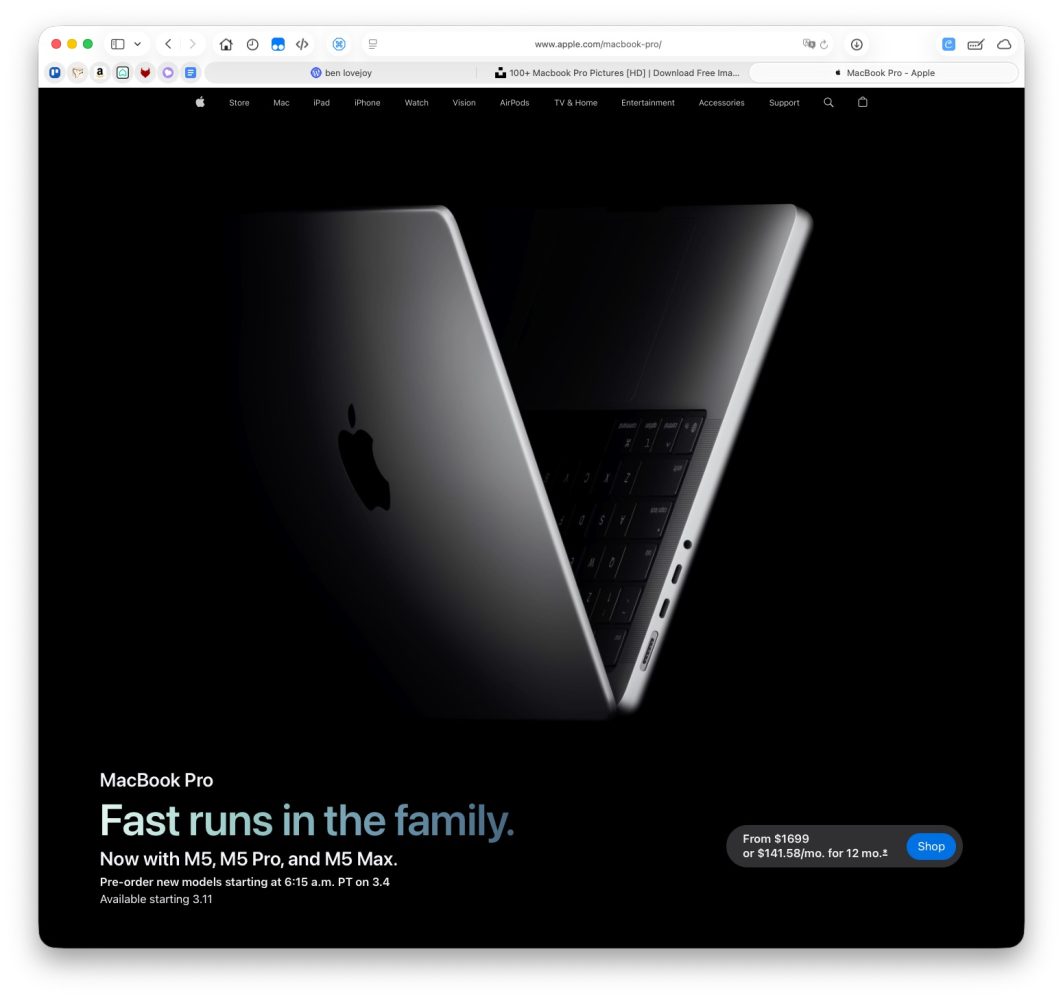
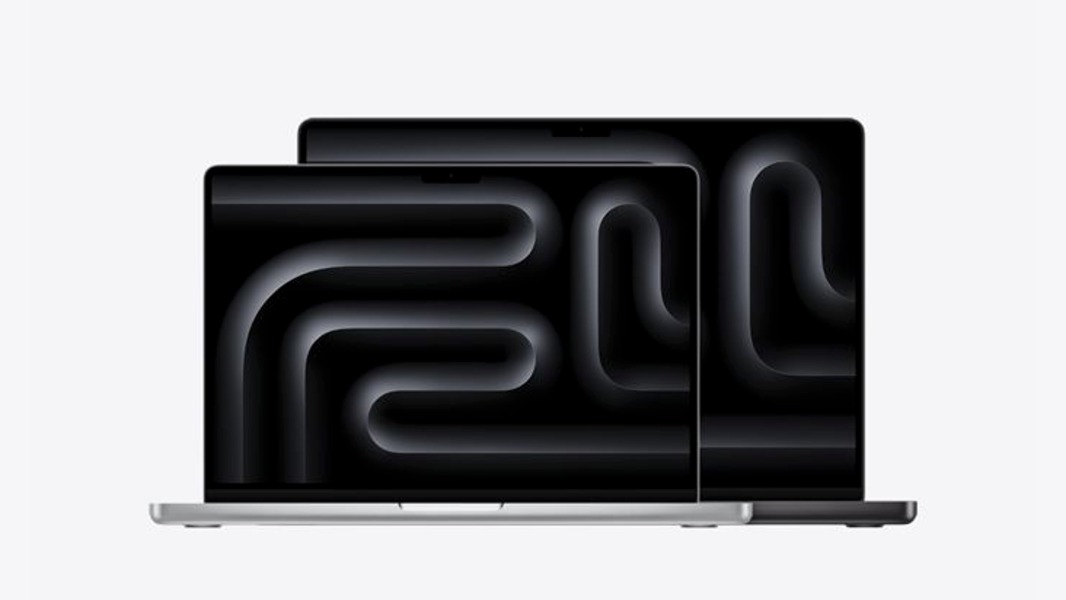
Apple's March 3-4, 2026 MacBook refresh represents a critical inflection point for e-commerce sellers specializing in Apple products, refurbished devices, and tech accessories. The company raised prices across its entire lineup—MacBook Air by $100 (13-inch now $1,099, 15-inch $1,299), MacBook Pro 14-inch M5 Pro to $2,199, and 16-inch M5 Max to $3,899 (+$400)—while simultaneously positioning Macs as AI-first platforms capable of processing large language model prompts 4x faster than M4 machines. This dual strategy creates distinct seller opportunities: premium positioning for new M5 models targeting AI-focused professionals, and aggressive clearance pricing for M4 inventory (Amazon's 15-inch M4 at $1,099 all-time low) targeting budget-conscious entrepreneurs and content creators.
The architectural shift from dual-core (performance + efficiency) to Apple's unified Fusion architecture maintains identical battery life (M5 Pro: 14-17 hours; M5 Max: 13-14 hours) despite eliminating efficiency cores entirely. This consistency simplifies seller messaging—refurbished M4 and M5 models can use identical battery endurance claims in product listings, reducing content update friction during inventory transitions. However, the architectural change creates supply chain complexity: repair costs for M5 models may diverge from M4 due to different component availability, affecting refurbishment economics and secondary market margins.
For e-commerce sellers, the strategic implications are threefold: First, the $100-400 price increases signal Apple's confidence in premium positioning, suggesting demand will segment sharply between budget-conscious buyers (gravitating toward M4 clearance at $1,099) and professionals requiring AI capabilities. Second, Apple's announcement of a lower-cost MacBook Neo indicates a two-directional strategy targeting first-time Mac buyers and Windows switchers—creating opportunities for sellers to position M4 models as entry-level alternatives. Third, the tighter memory supply (suppliers prioritizing AI data center demand) may constrain M5 availability, creating arbitrage opportunities for sellers with existing M4 stock. The promotional strategy—$50 Best Buy gift cards on M5 models, M4 price matching—reflects Apple's urgency to clear M4 inventory before M5 demand peaks, signaling a 60-90 day window for aggressive M4 clearance pricing before supply stabilizes.
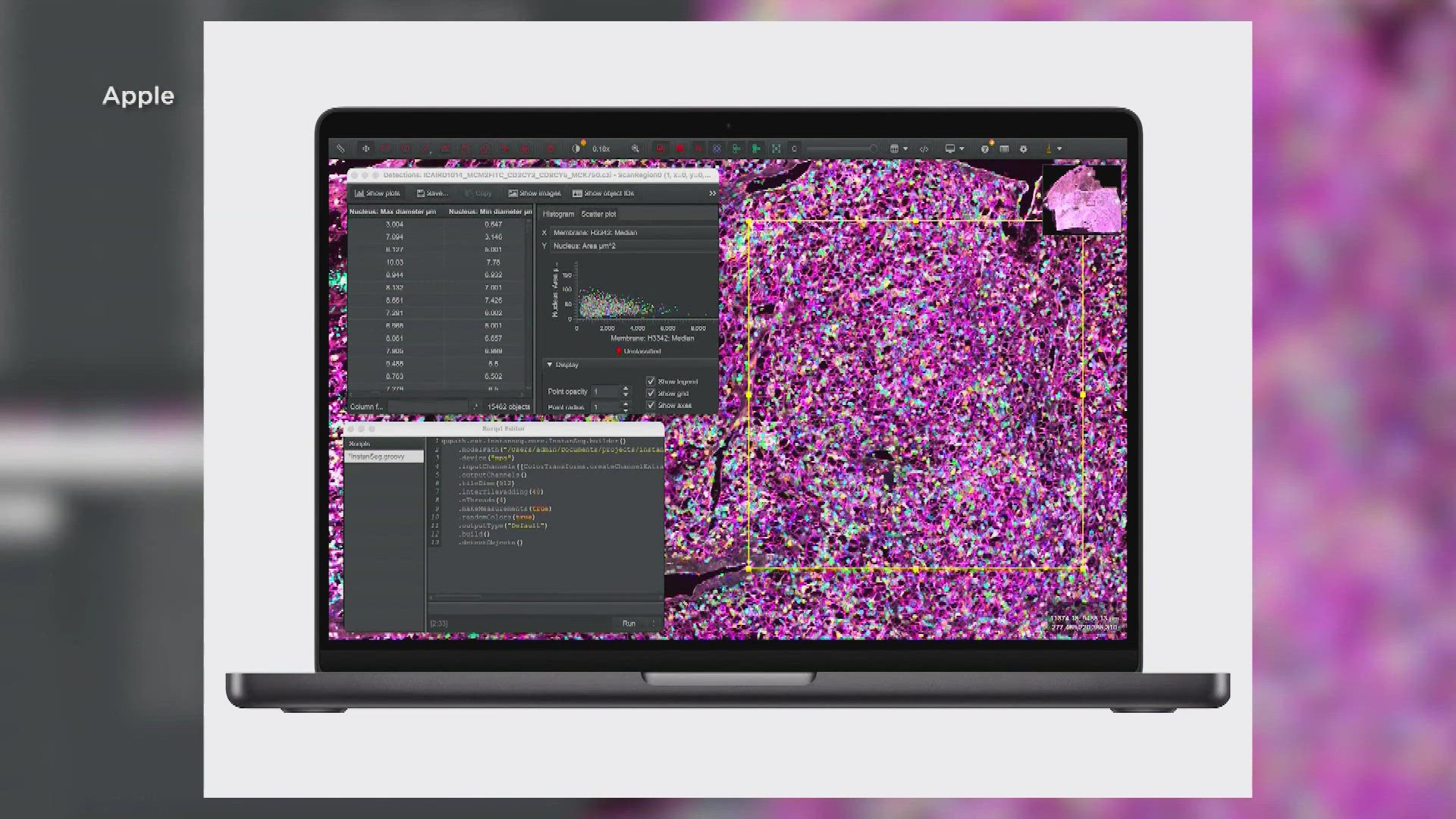
AI-first positioning opens adjacent opportunities: Sellers can bundle M5 MacBooks with AI-focused accessories (external SSDs for model storage, cooling solutions for sustained LLM processing, USB-C hubs for multi-monitor setups). The 4x LLM processing advantage creates messaging hooks for content creators, data scientists, and small business owners running local AI tools—segments historically underserved by Apple's marketing. Refurbished M5 Pro/Max models at 15-20% discounts could capture price-sensitive professionals, while M4 inventory at parity pricing ($1,099 for 15-inch) targets students and freelancers where performance differences are negligible for standard applications.
Questions 8
What is the timeline for MacBook Neo launch and market impact?
Apple announced plans to unveil a lower-cost MacBook Neo on March 5, 2026 (the day after M5 launch), indicating a two-directional strategy targeting both high-end buyers (M5 Pro/Max) and first-time Mac customers, Windows switchers, and iPhone users. The Neo's pricing and specifications remain unconfirmed, but industry expectations suggest a $799-999 entry point with M4 or M3 chips. For sellers, the Neo launch creates a 30-60 day window to position M4 inventory as 'previous generation' before the Neo becomes the primary entry-level option. Sellers should monitor Neo pricing and specs closely—if priced below $999, M4 clearance becomes urgent; if priced above $1,099, M4 at $1,099 remains competitive for budget segments.
What accessory bundling opportunities exist with the M5 launch?
The M5's 4x LLM processing advantage creates bundling opportunities for AI-focused accessories: external SSDs (for storing large language models), active cooling solutions (for sustained processing workloads), USB-C hubs (for multi-monitor professional setups), and specialized software bundles (AI tools, video editing suites). Sellers can position M5 bundles at 8-12% premiums compared to standalone devices by targeting content creators, data scientists, and small business owners. The M5's positioning as an 'AI-first' platform allows sellers to justify premium accessory pricing by emphasizing local processing capabilities and data privacy—messaging that resonates with professionals concerned about cloud dependency.