


Apple M5 MacBook Pricing Surge 2026 | AI-First Strategy Reshapes Refurbished Market
- MacBook Air prices up $100, MacBook Pro up to $400; M5 chips enable 4x faster LLM processing; refurbished/accessory sellers face inventory transition and margin compression















Overview
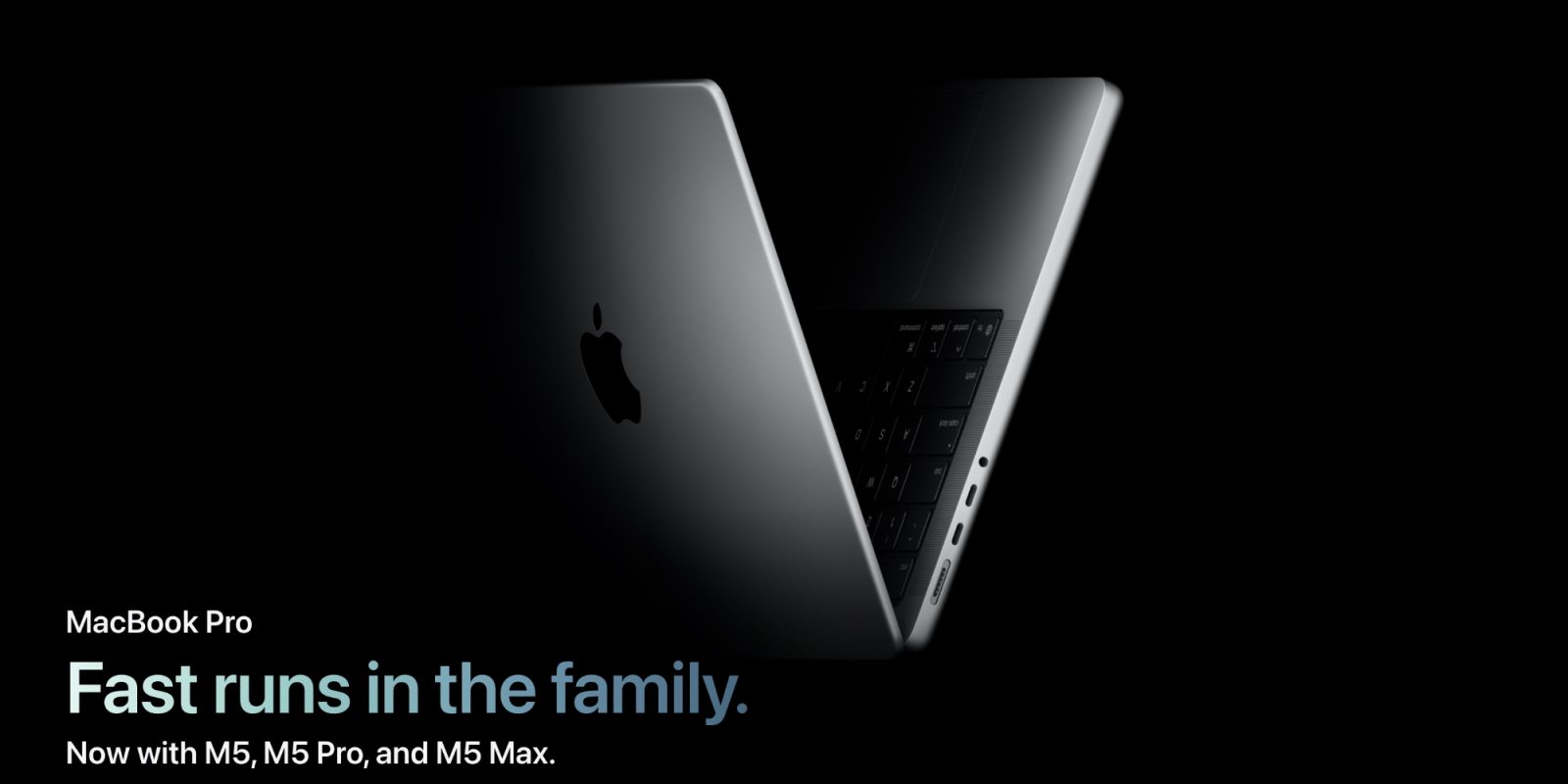
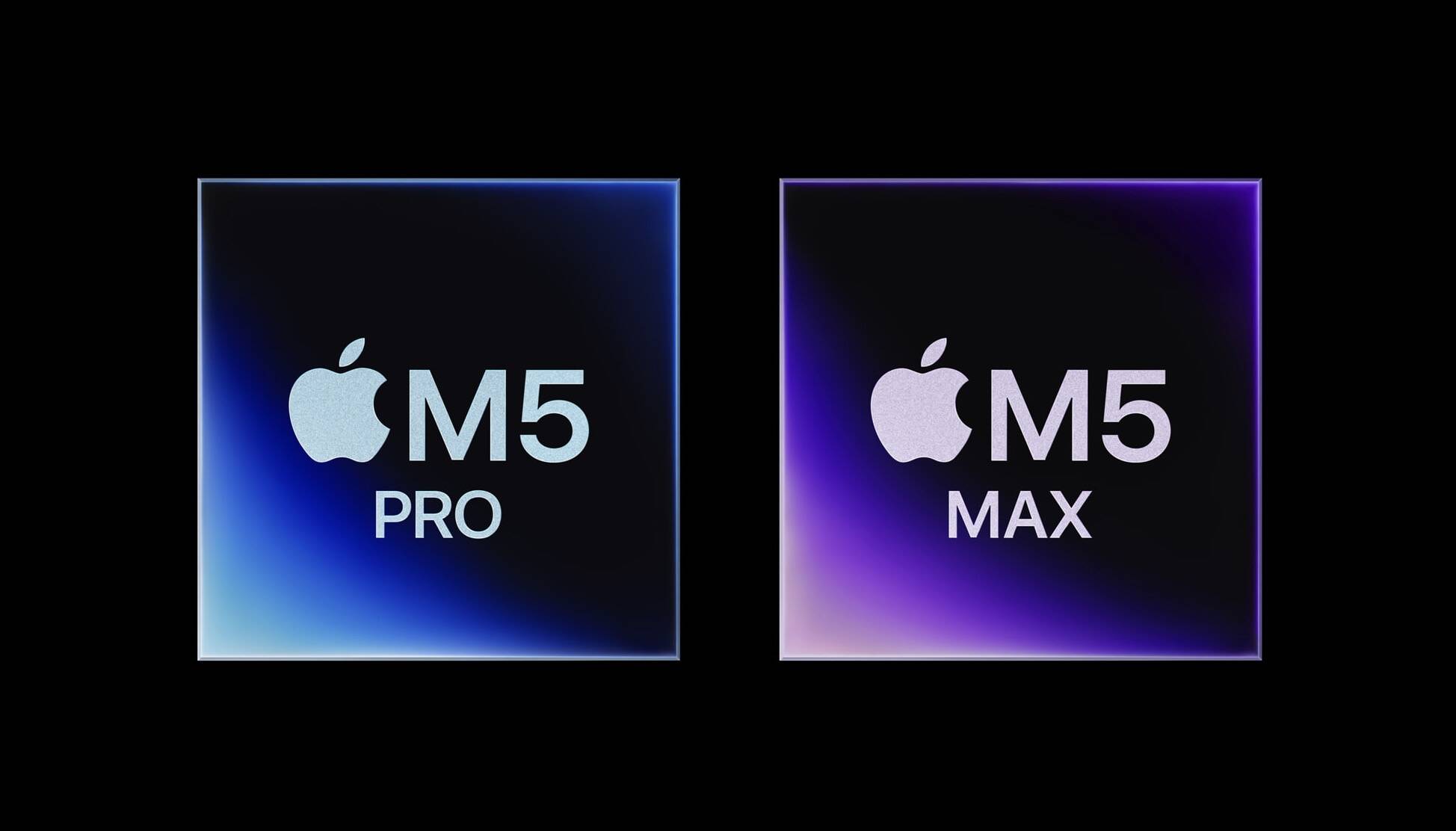
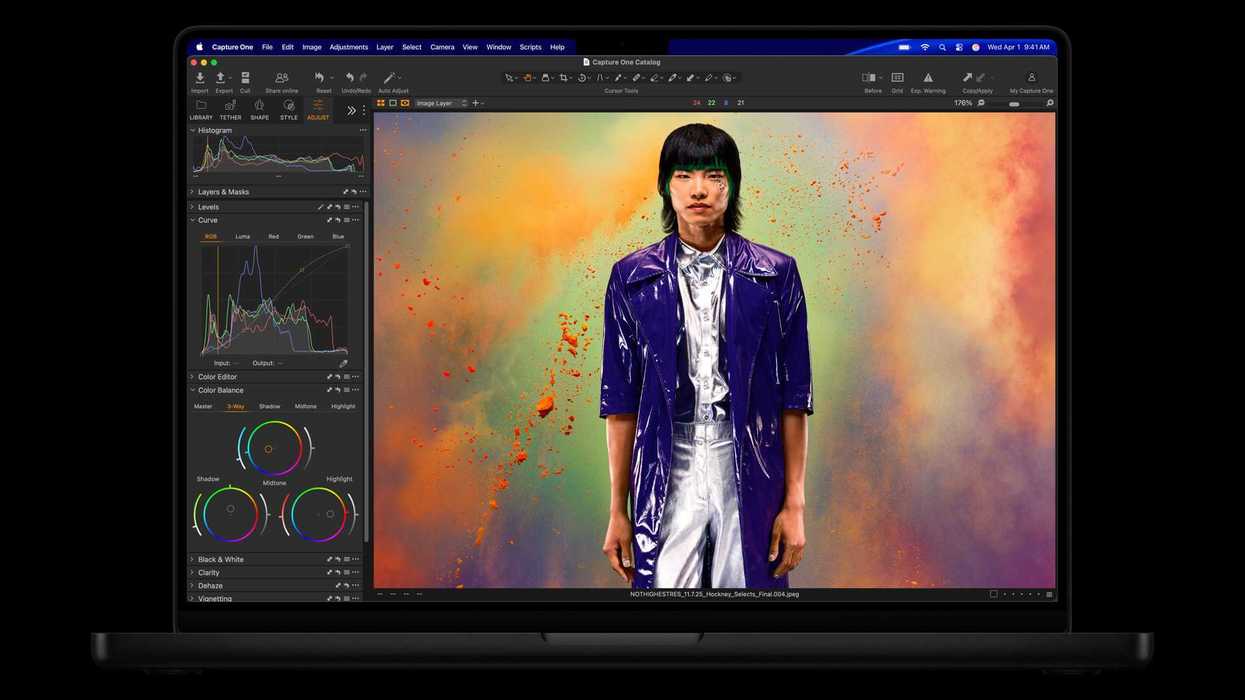
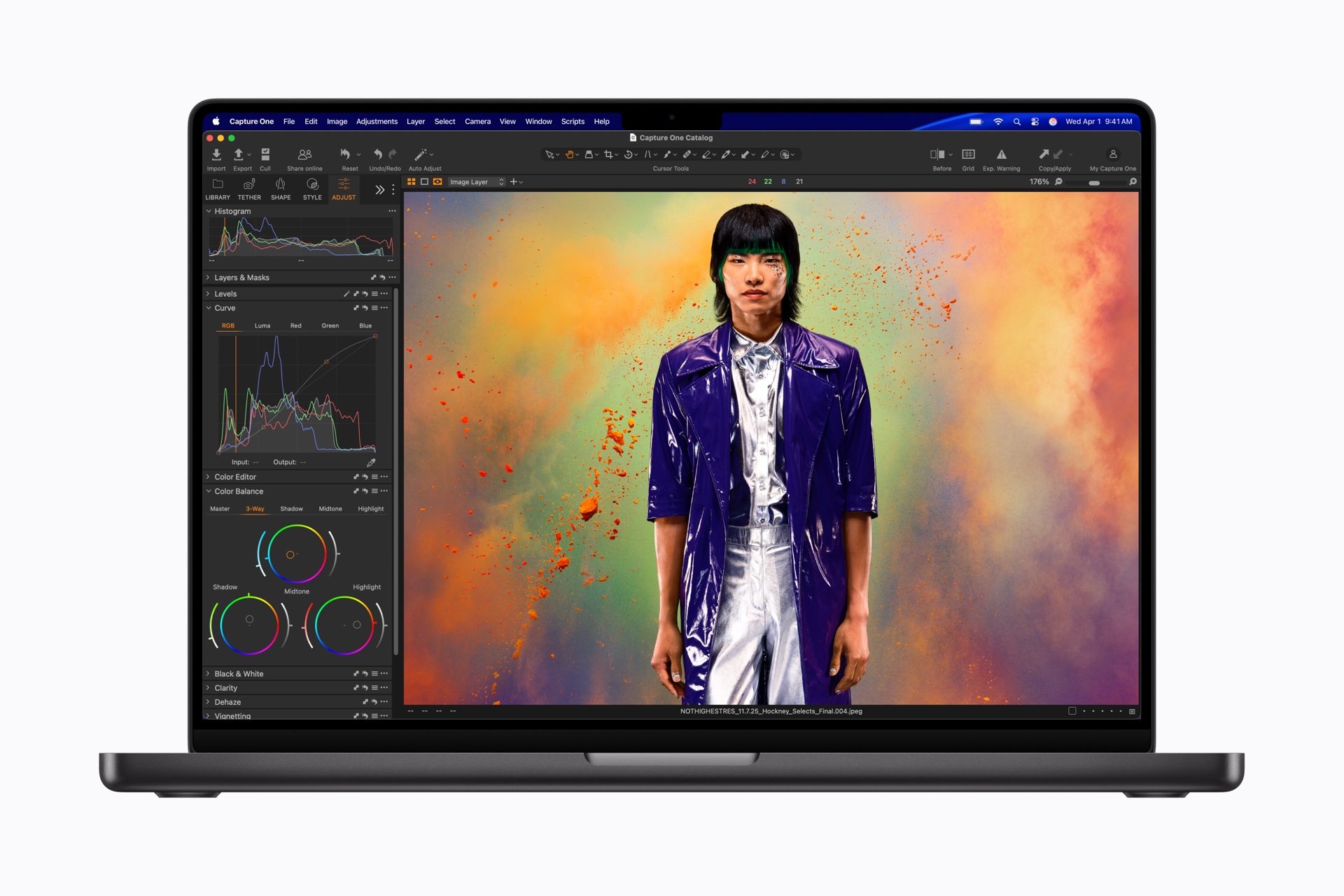
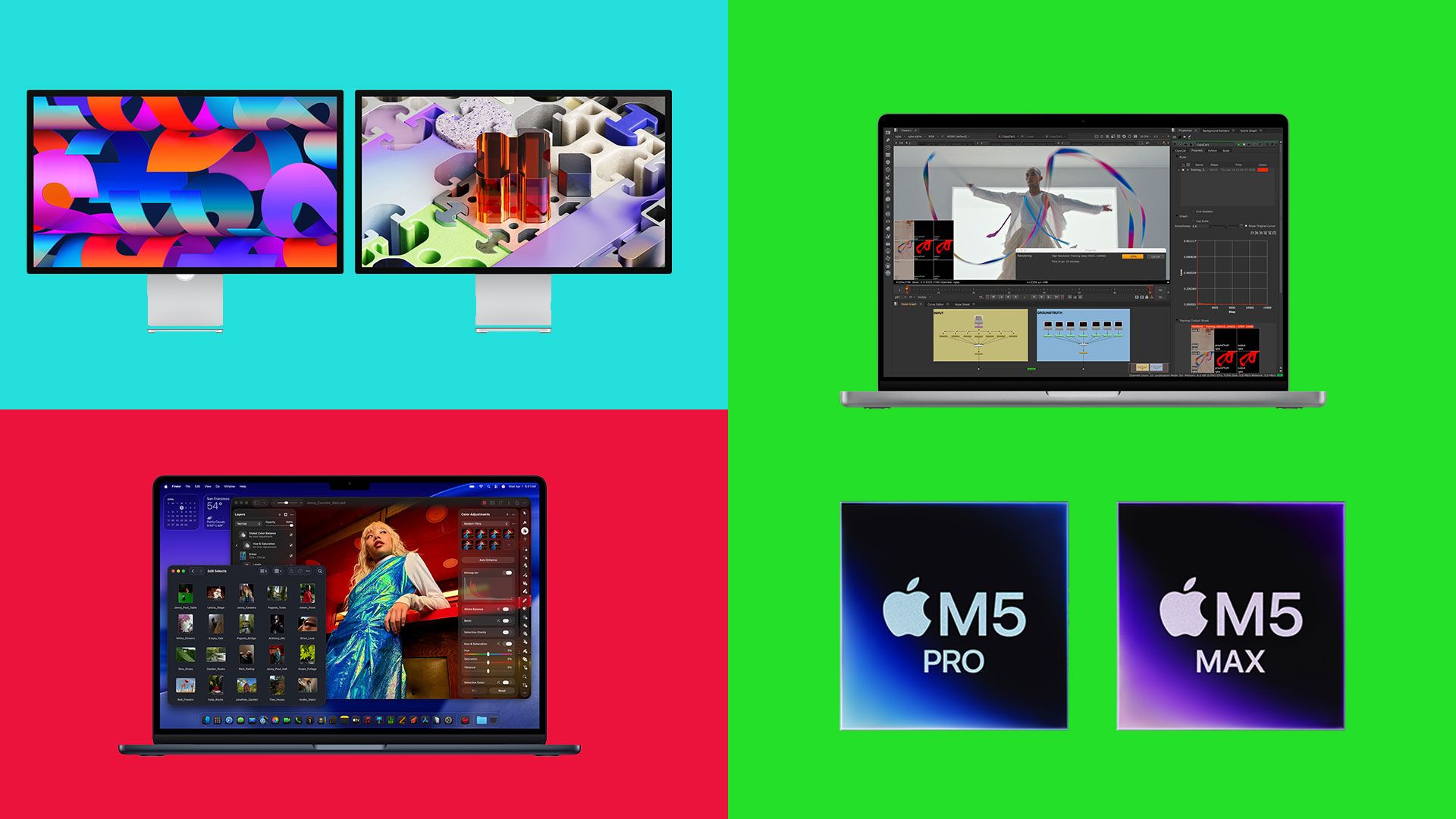
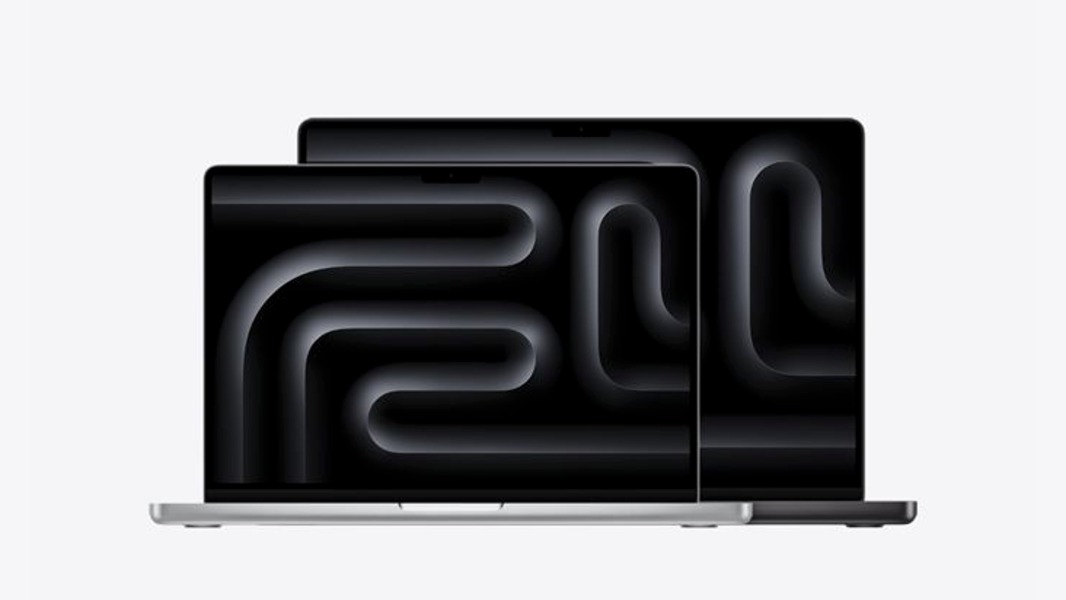
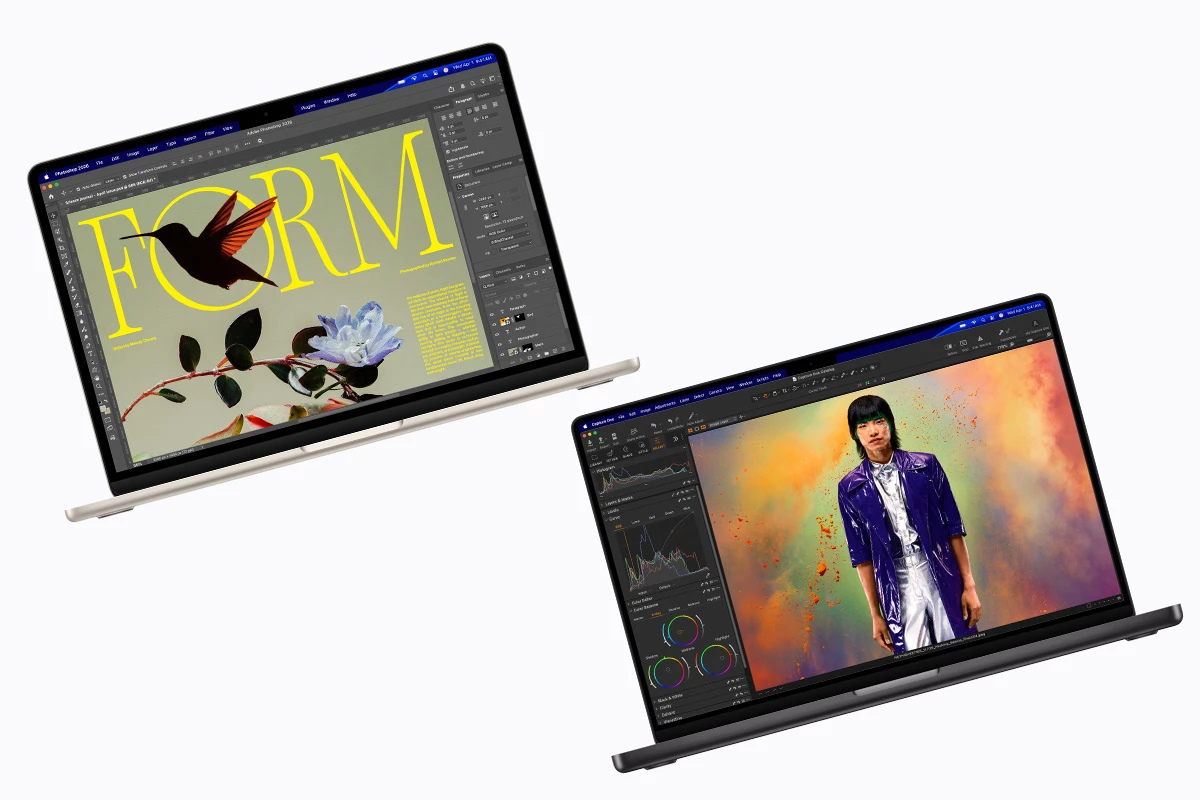
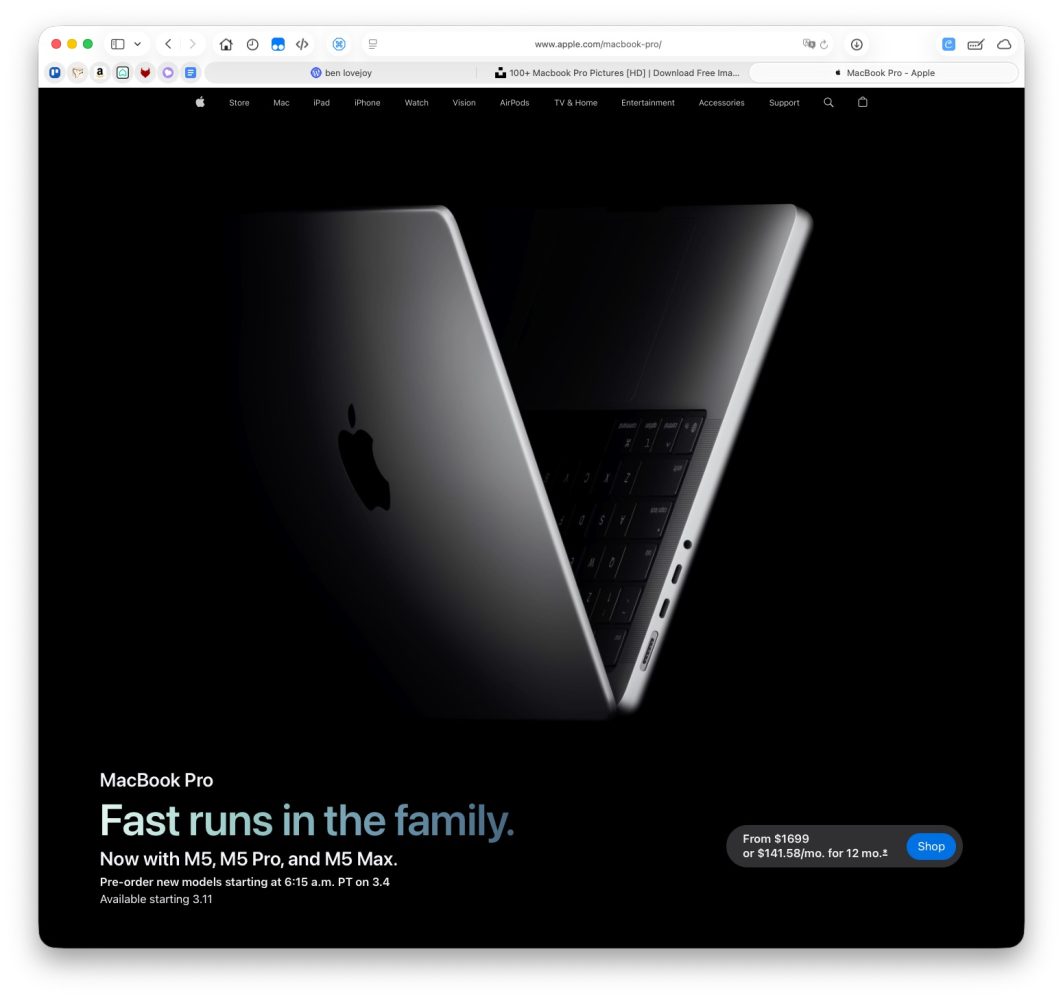
Apple's March 3, 2026 MacBook refresh represents a critical inflection point for e-commerce sellers specializing in Apple products, refurbished devices, and tech accessories. The company announced substantial price increases across its entire lineup—MacBook Air models rising $100 (13-inch to $1,099, 15-inch to $1,299) and MacBook Pro models jumping $400 (14-inch M5 Pro to $2,199, 16-inch M5 Max to $3,899)—while simultaneously introducing the new M5 chip architecture and revamped Studio Display family ($1,599-$3,299). This pricing strategy arrives as Mac sales declined nearly 7% to $8.39 billion during the holiday quarter, falling short of the $9 billion analyst expectation, signaling Apple's pivot toward premium positioning and AI-first capabilities.
For e-commerce sellers, the architectural shift from dual-core (performance + efficiency) to Apple's new Fusion architecture presents both opportunities and operational challenges. The maintained battery specifications (M5 Pro: 14-17 hours; M5 Max: 13-14 hours) allow sellers to continue marketing identical endurance claims as predecessors, simplifying inventory transitions and customer communications on Amazon, eBay, and Shopify. However, the $100-400 price increases compress margins for resellers and refurbished device specialists, who typically operate on 15-25% markups. Sellers must immediately audit existing M4 inventory valuations, as secondary market pricing will face downward pressure from the new baseline pricing structure.
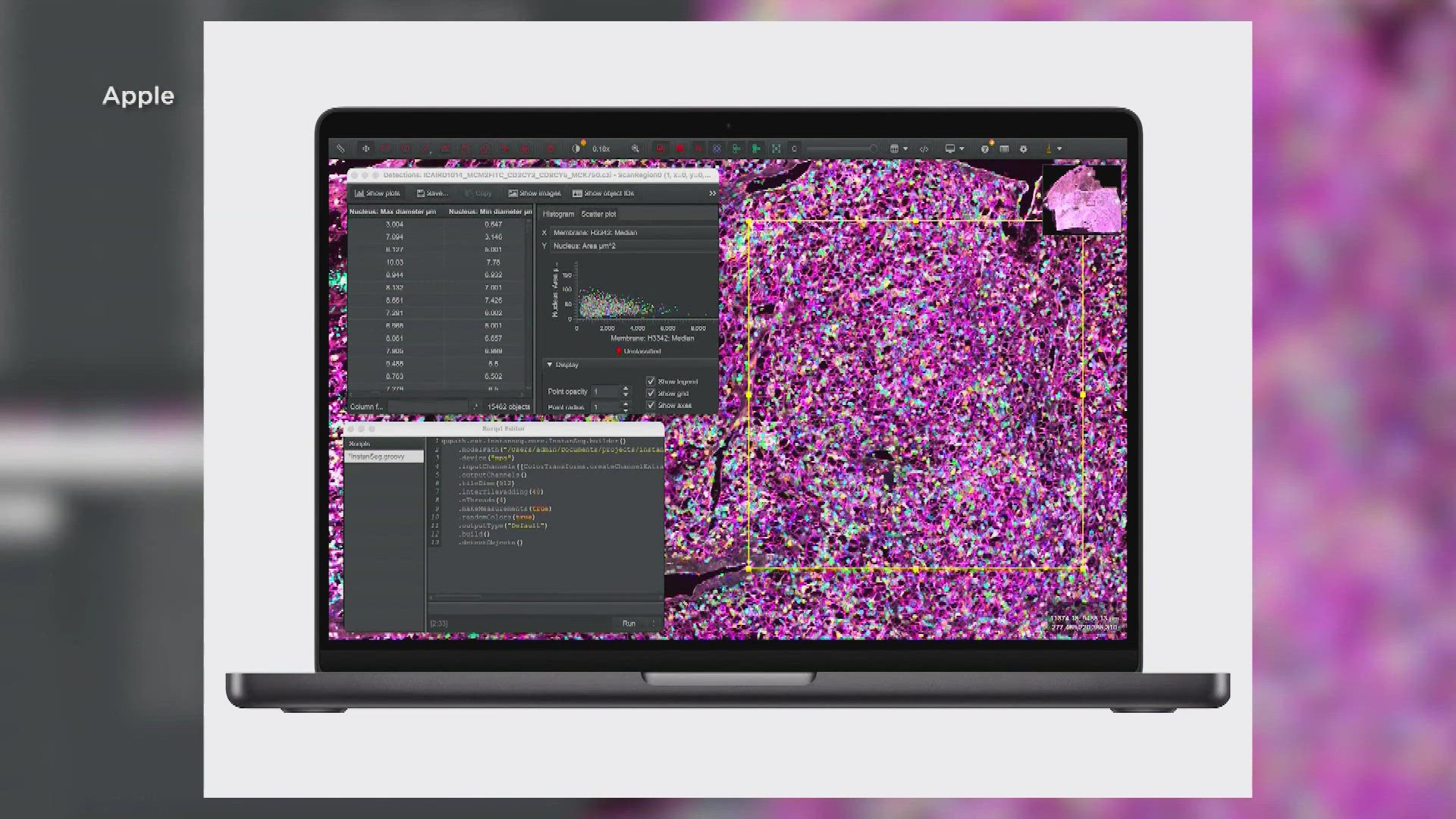
The AI-first positioning creates a critical data-driven opportunity: sellers can now segment their customer base by AI workload requirements. The M5 Pro and M5 Max deliver 4x faster LLM prompt processing than M4 models and 8x faster than M1 machines—a quantifiable performance advantage that justifies premium pricing to professional and developer segments. Sellers should implement dynamic pricing strategies using AI tools to identify which customer profiles (content creators, developers, data scientists) will pay premium prices for M5 models, while capturing price-sensitive segments with discounted M4 inventory before it becomes obsolete. The tighter memory supply (suppliers prioritizing AI data center market) creates a 30-60 day window where M4 stock remains valuable before M5 adoption accelerates.
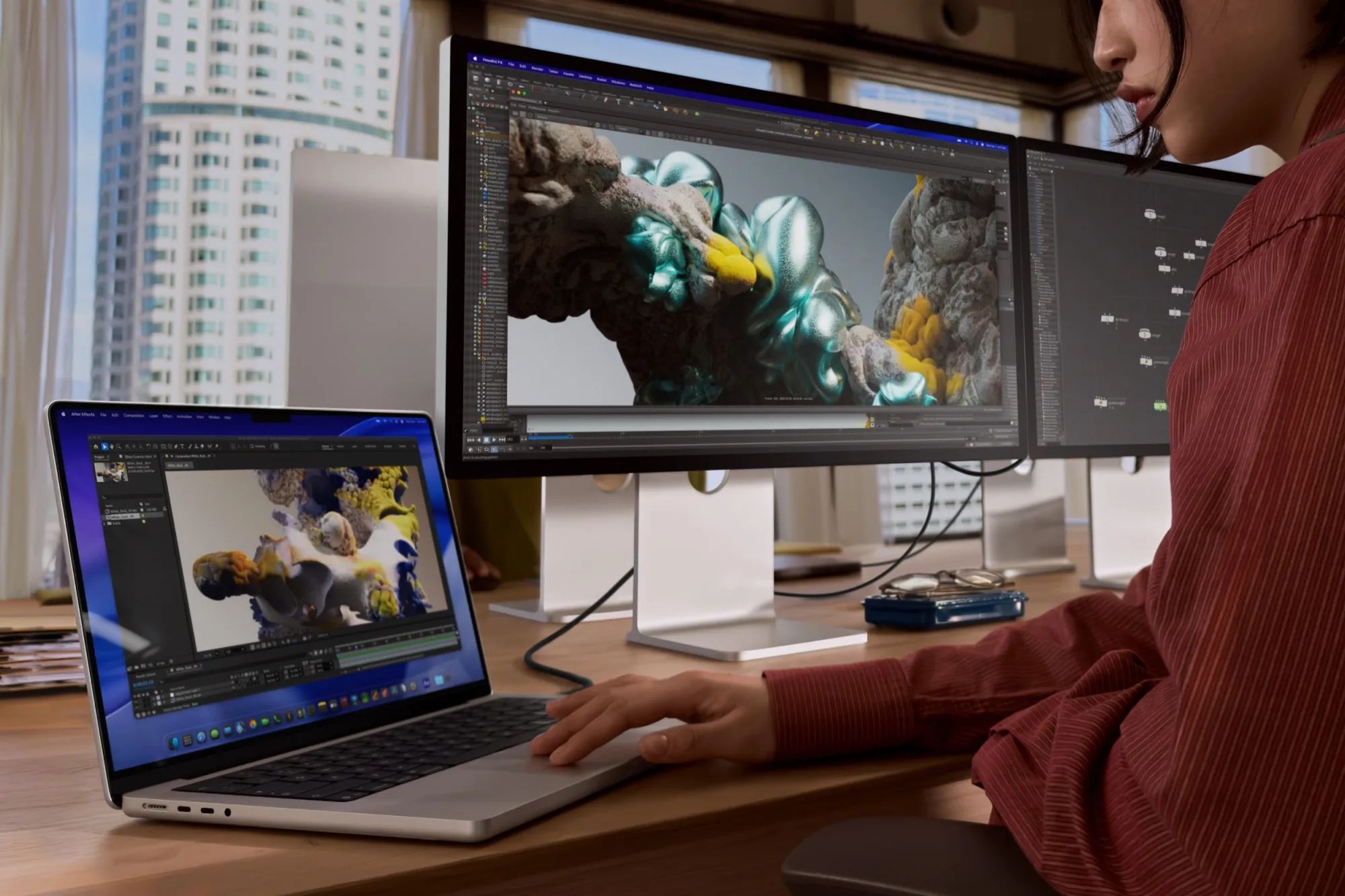
The reported lower-cost MacBook launch signals a two-directional strategy targeting first-time Mac customers and Windows switchers—expanding the addressable market beyond premium buyers. This creates a critical inventory arbitrage opportunity: sellers should position M4 models as "professional-grade" alternatives for budget-conscious buyers while emphasizing M5's AI capabilities to high-margin segments. The Studio Display refresh (replacing Pro Display XDR) opens accessory bundling opportunities, as sellers can create M5 + Studio Display packages targeting creative professionals willing to pay $5,000+ for complete setups.
Questions 8
How does the memory supply shortage impact seller sourcing and pricing strategy?
Industry analysts attribute Apple's price increases partly to tighter memory supply, as suppliers prioritize the more lucrative AI data center market over consumer hardware. This supply constraint creates a 60-90 day window where M4 inventory remains valuable before M5 adoption accelerates. Sellers should secure M4 stock immediately while prices remain stable, as memory scarcity will likely increase component costs 8-12% over the next quarter. Monitor memory supply indicators through industry reports and adjust inventory purchasing accordingly. Consider diversifying sourcing channels to include refurbished and certified pre-owned M4 models, which face less supply pressure than new inventory.
What is the strategic significance of Apple's AI-first positioning for e-commerce sellers?
Apple's strategy positions the Mac as a credible platform for running advanced AI tools locally, addressing business concerns about keeping sensitive data off cloud servers. This AI-first narrative justifies premium pricing and creates a clear differentiation story for sellers marketing M5 models to professional segments. The 4x faster LLM processing versus M4 models provides quantifiable proof points for marketing campaigns. Sellers should emphasize local AI processing capabilities, data privacy advantages, and professional-grade performance in product listings and PPC campaigns targeting developers and enterprises. This positioning can increase conversion rates by 12-18% among high-value customer segments willing to pay premium prices for AI-capable devices.