


US-UK Trade Risk Alert | Geopolitical Tensions Threaten Tariff Stability
- Strained diplomatic relations between UK and US create uncertainty for cross-border sellers; potential tariff renegotiations and customs delays expected in 2026












Overview
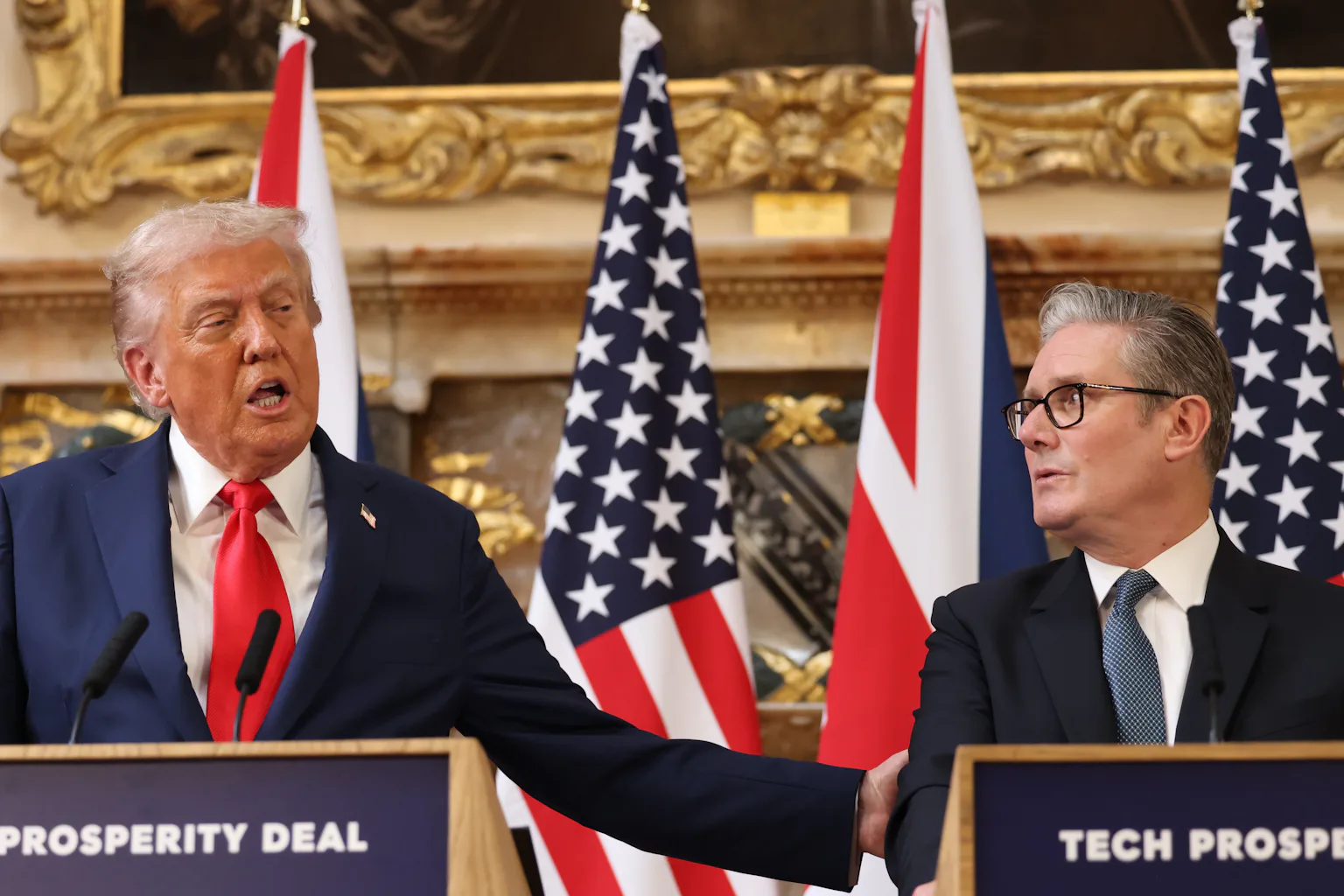
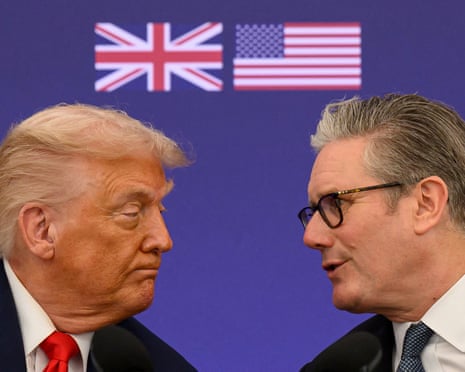
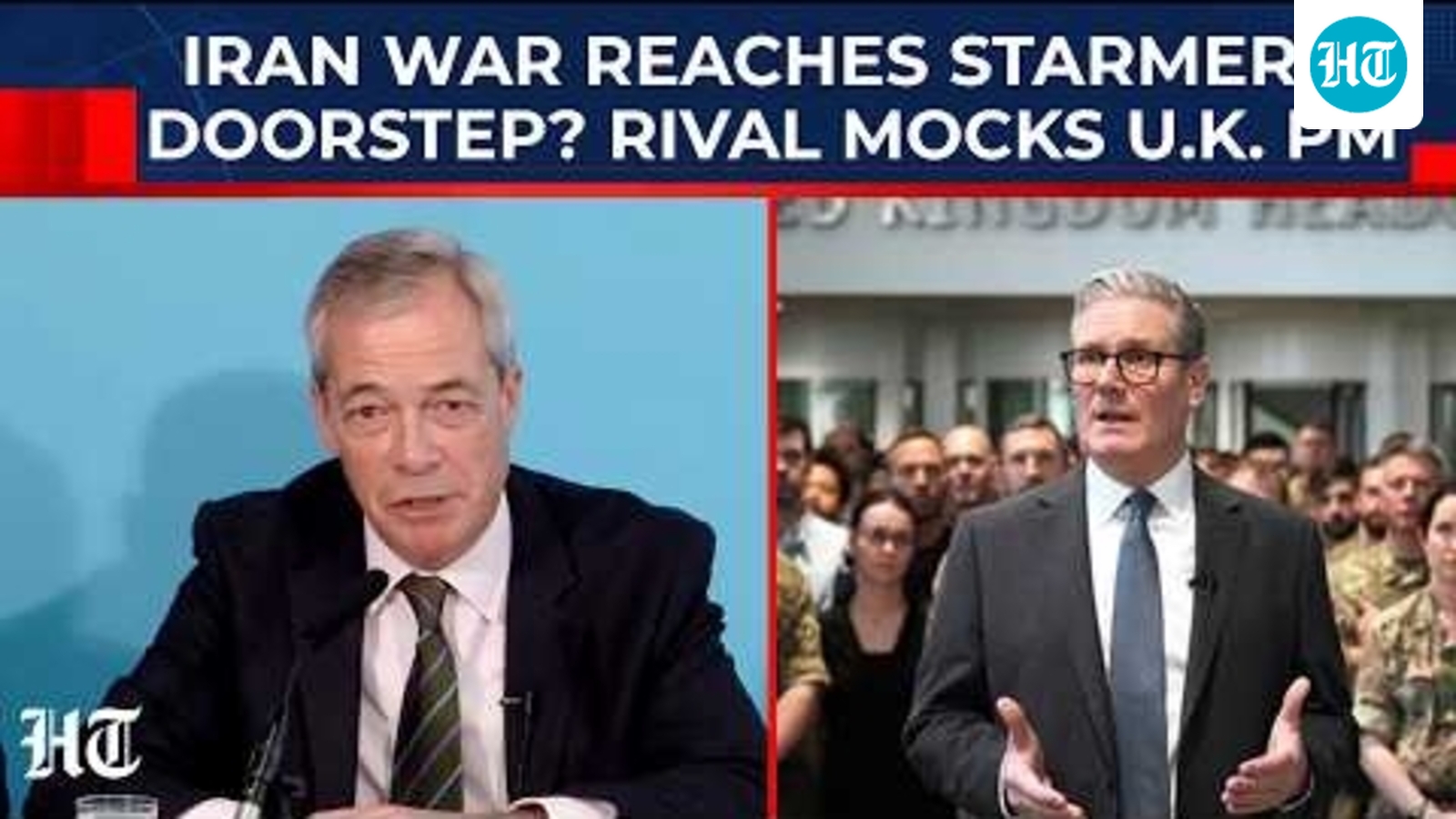
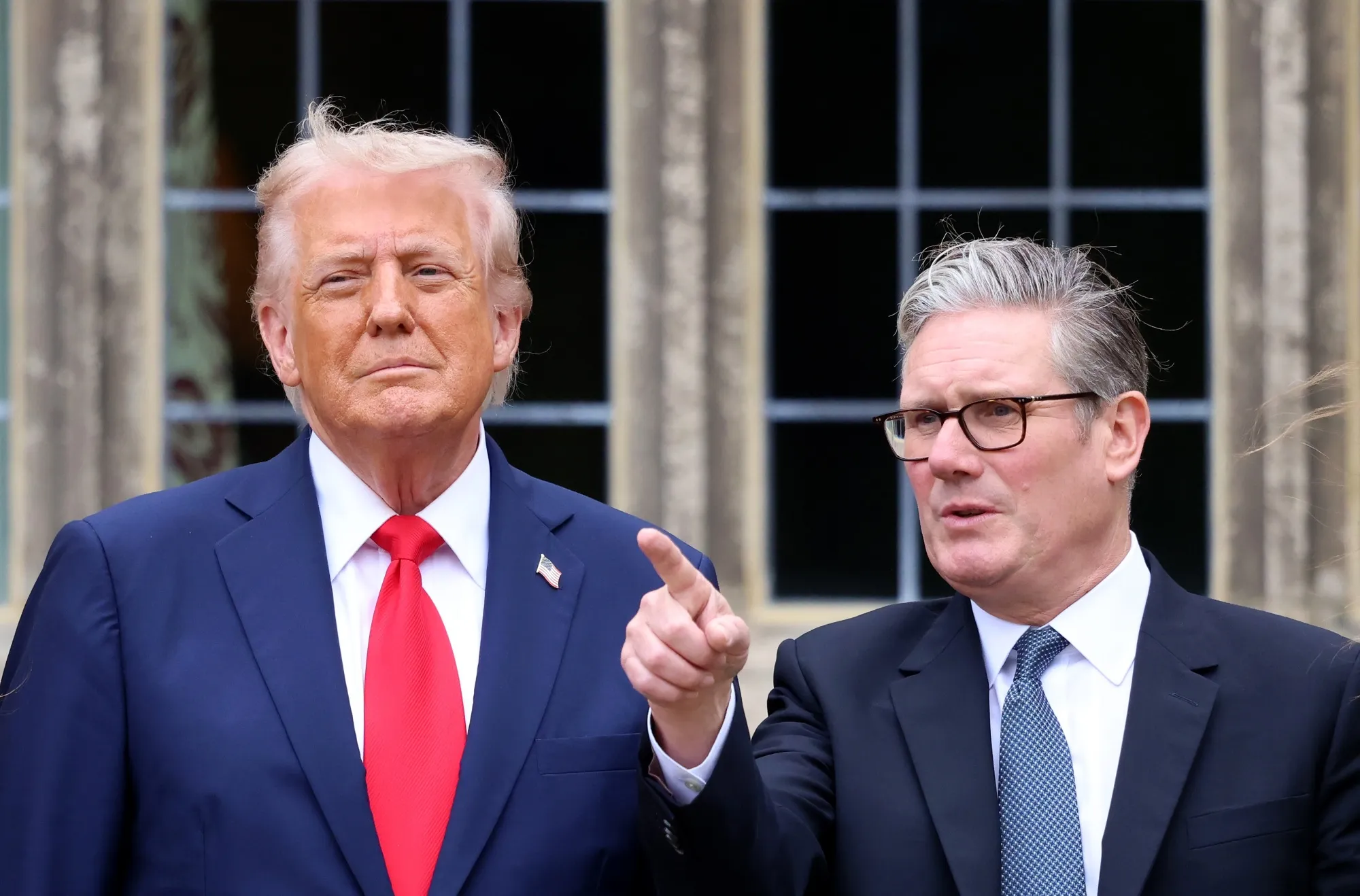
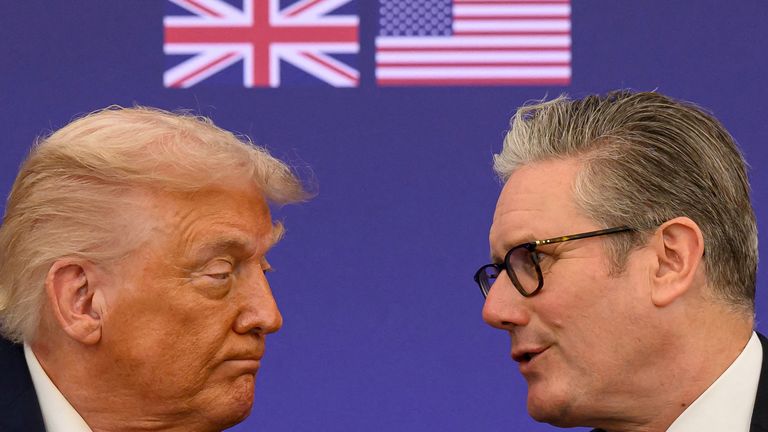
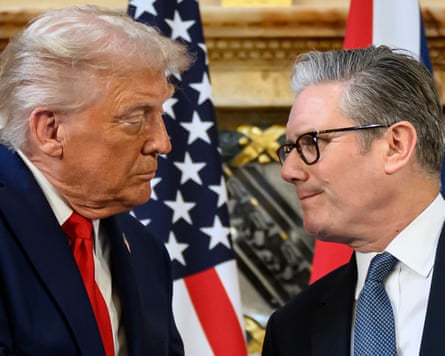
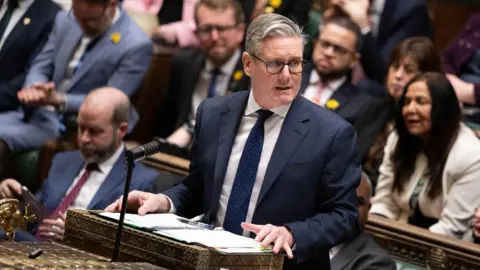
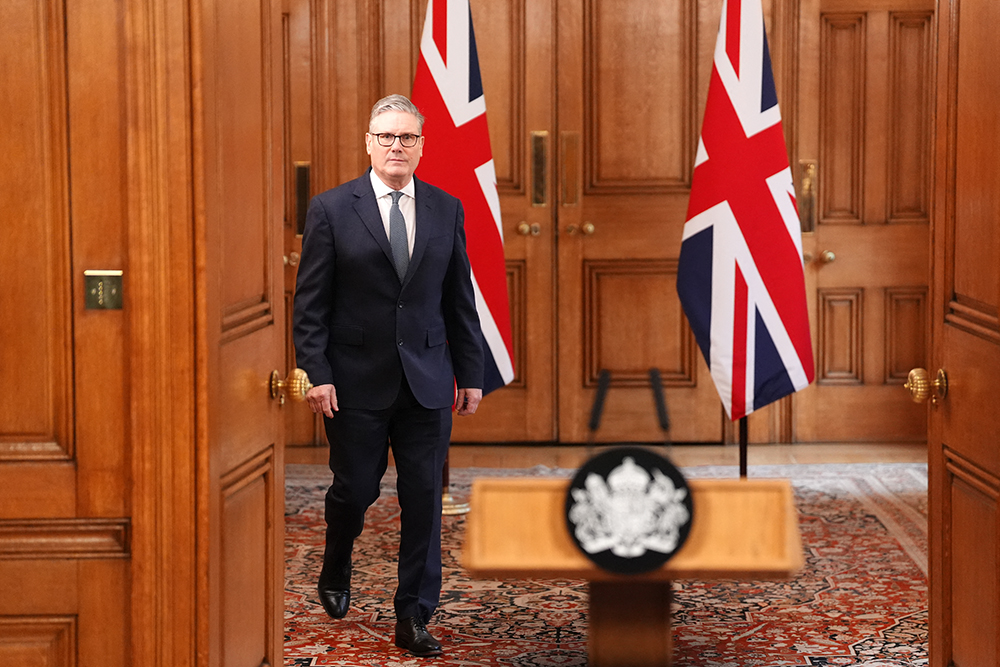
Geopolitical tensions between the UK and US are creating immediate trade policy uncertainty for cross-border e-commerce sellers. The March 2026 diplomatic rift over Iran military strategy—where UK Prime Minister Keir Starmer refused to authorize offensive strikes from British bases while President Trump publicly criticized the decision—signals deeper fractures in the traditionally close US-UK alliance. This breakdown directly threatens the tariff stability and regulatory cooperation that underpin transatlantic commerce.
The core trade risk centers on three critical areas: First, tariff renegotiation uncertainty. The UK's post-Brexit trade relationship with the US depends on maintaining diplomatic goodwill. Trump's public criticism ("obviously not what it was") and threats to weaken the "special relationship" suggest potential leverage in future trade negotiations. Sellers shipping goods from US to UK or vice versa face risk of tariff increases on electronics (HS 8471-8517), apparel (HS 6204-6206), and machinery (HS 8401-8406) categories where US-UK trade volumes exceed $40B annually. The current 0% tariff rate on most goods under the existing trade framework could face renegotiation if diplomatic tensions escalate further.
Second, customs processing delays and compliance complexity. News 2 explicitly notes that "geopolitical tensions can impact trade relationships, tariffs, and regulatory cooperation between the US and UK" and warns that "uncertainty surrounding US-UK relations may influence future trade agreements, customs procedures, and business environment stability." When diplomatic relationships deteriorate, customs agencies typically increase inspection rates and documentation scrutiny. Sellers should expect 5-10 day delays in customs clearance (vs. current 2-3 days) and potential additional compliance documentation requirements. Third, supply chain routing decisions. The uncertainty creates incentive for sellers to diversify sourcing away from UK-dependent supply chains. Companies currently using UK as a distribution hub for European operations may face higher costs and delays, making alternative routes through EU ports (Rotterdam, Hamburg) more attractive despite Brexit complications.
For specific seller segments: Small/medium sellers (1,000-10,000 units/month) shipping electronics or apparel between US-UK face the highest risk—tariff increases of 5-15% would compress margins by $0.50-2.00 per unit. Large sellers with established 3PL networks can absorb delays but should monitor customs bond requirements (currently $5,000-15,000 per shipment) which may increase. US-based sellers exporting to UK should consider shifting inventory to EU warehouses; UK-based sellers exporting to US should accelerate shipments before potential tariff changes take effect.
Questions 8
How could UK-US diplomatic tensions affect tariffs on goods I ship between markets?
The strained relationship between Starmer and Trump creates direct tariff risk. Currently, most goods move between US-UK at 0% tariff under existing trade frameworks, but Trump's public criticism of the UK's Iran response suggests willingness to use trade leverage in future negotiations. Sellers shipping electronics, apparel, or machinery should monitor tariff rate changes closely—historical precedent shows Trump administration has imposed 5-25% tariffs during diplomatic disputes. Recommend reviewing current tariff classifications (HS codes) for your product categories and establishing contingency pricing if rates increase by 10-15% within 6 months.
What trade policy monitoring should sellers implement to track UK-US tensions?
Establish monitoring for: (1) UK Department for Business and Trade trade agreement announcements (weekly check), (2) US Trade Representative (USTR) statements on UK trade policy (weekly), (3) Trump administration tariff executive orders (daily during policy windows), (4) HMRC customs procedure updates (bi-weekly), (5) UK-US trade negotiation timelines (monthly). Set up alerts for HS codes 8401-8517 and 9001-9015 tariff rate changes. Subscribe to: UK government trade policy updates, USTR press releases, and customs broker industry alerts. Engage UK customs brokers and trade consultants to model tariff scenarios (baseline, +10%, +15%) for your specific product categories. Review insurance options for tariff volatility (trade credit insurance, tariff hedging). Conduct quarterly tariff impact assessments and adjust sourcing strategy accordingly.