





College Football Playoff Drama Unveils Deeper Competitive Landscape
- Urban Meyer's Insights Reveal Strategic Shifts in College Football Dynamics





































Overview
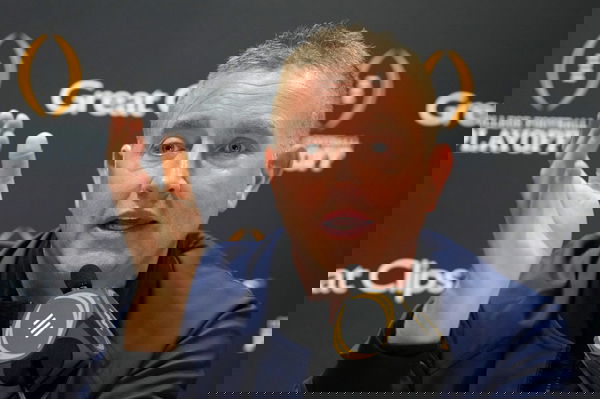
The College Football Playoff (CFP) landscape is experiencing a pivotal moment of transformation, as highlighted by Urban Meyer's recent commentary on the final bracket selection. At the core of this narrative is Indiana's historic achievement - capturing its first Big Ten title since 1967 - which symbolizes a significant breakthrough in the competitive collegiate football ecosystem.
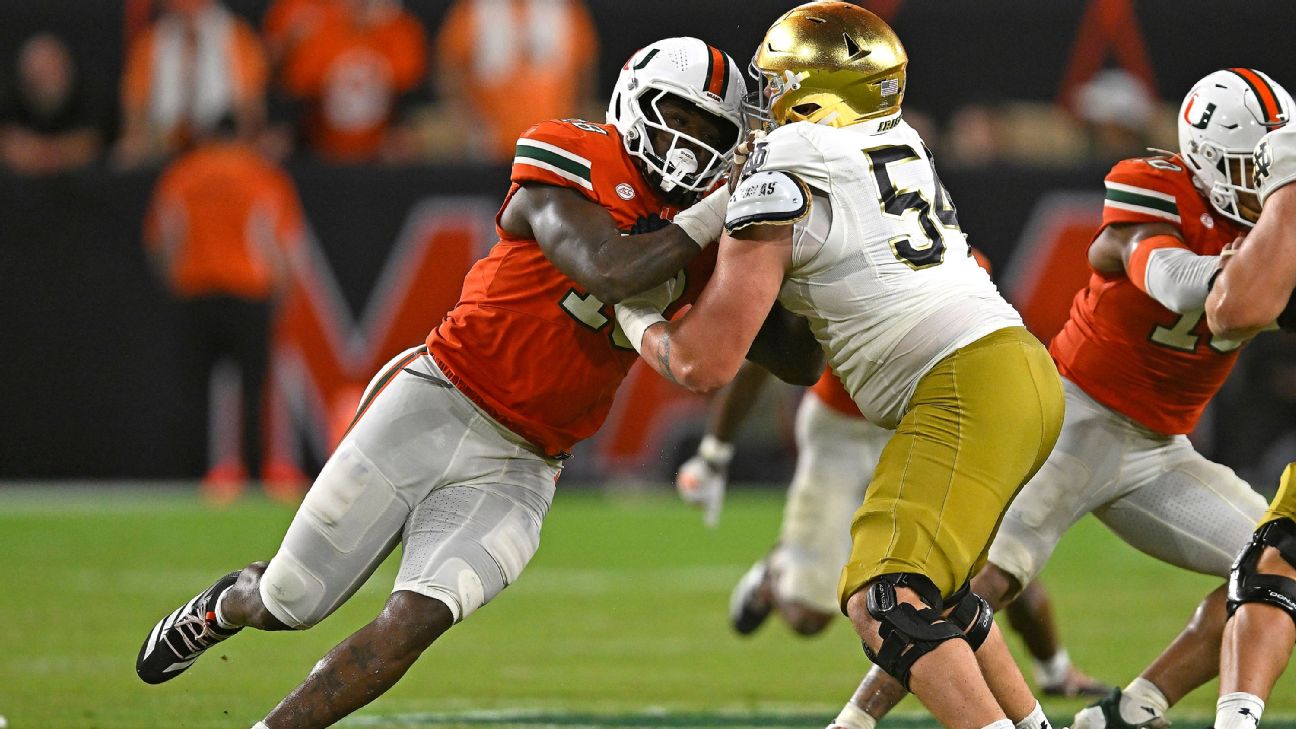
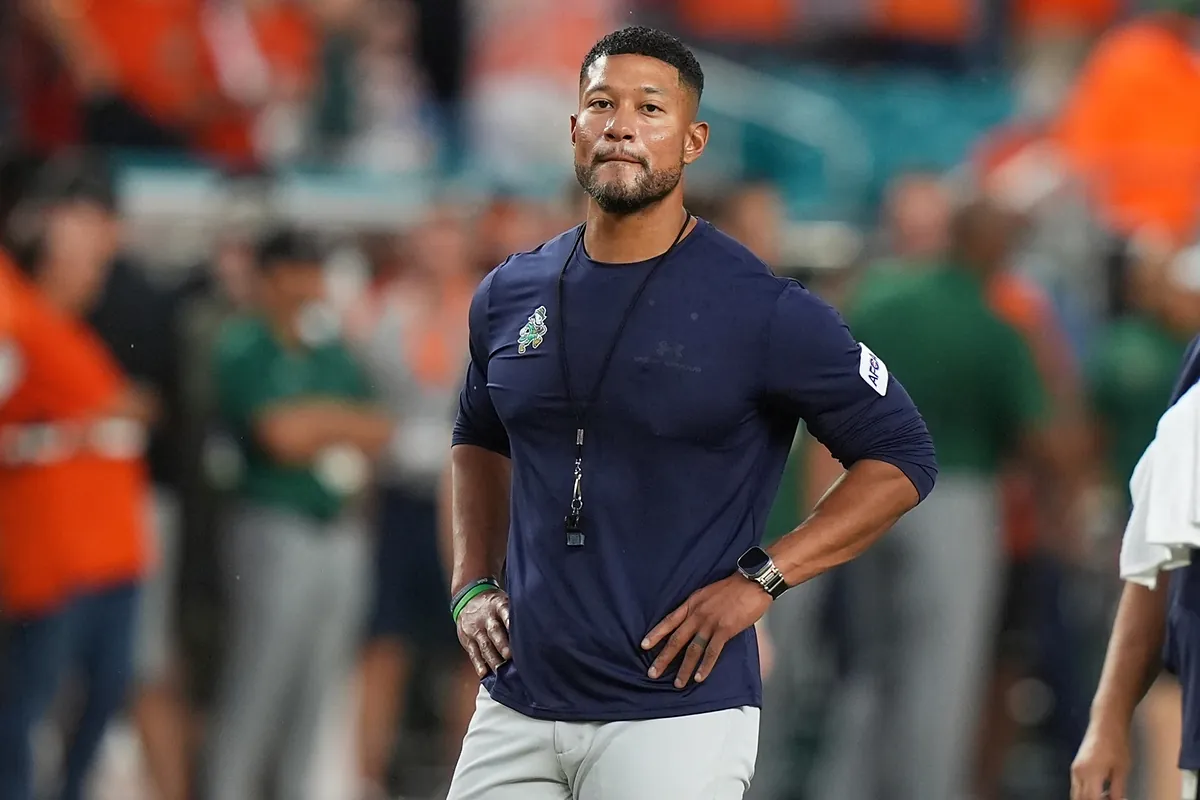
Strategic Positioning and Program Evolution emerge as key themes in this analysis. Meyer's interview illuminates the complex dynamics of bowl eligibility and playoff selection, showcasing how programs like Notre Dame navigate the intricate political and performance-based evaluation processes. The discussion goes beyond mere game statistics, revealing the nuanced mechanisms that determine a team's national standing and postseason opportunities.
The broader implications of this CFP bracket extend far beyond individual team performances. They represent a microcosm of collegiate athletic strategy, where historical reputation, current season performance, and institutional positioning intersect. Indiana's breakthrough demonstrates that traditional power structures in college football are not immutable - emerging programs can challenge established hierarchies through consistent performance and strategic development.
Meyer's expert perspective provides a critical lens into the selection committee's decision-making process, highlighting the multifaceted criteria that go into determining playoff and bowl game participants. This reveals a complex ecosystem where data, performance metrics, conference dynamics, and institutional narratives all play crucial roles in shaping competitive opportunities.
Ultimately, this CFP moment underscores the dynamic and evolving nature of collegiate football - a landscape where strategic innovation, consistent performance, and institutional adaptability determine long-term success. Programs must continuously reinvent themselves, challenge existing paradigms, and demonstrate exceptional capabilities to break through traditional competitive barriers.
Questions 3
What insights does Urban Meyer provide about the CFP selection process?
Meyer offers expert commentary revealing the nuanced decision-making behind playoff and bowl game selections, emphasizing that the process goes beyond simple win-loss records and involves sophisticated institutional and performance-based evaluations.
How do teams get selected for bowl games and playoffs?
Selection involves a complex evaluation process considering multiple factors: season performance, conference standings, historical reputation, win-loss records, strength of schedule, and the subjective assessment of the selection committee.