


Viral Flu Mutation Alert: H3N2 Strain Sparks Global Health Concerns
- Unprecedented Flu Outbreak Signals Critical Public Health Challenges for Vulnerable Populations














Overview
The emerging H3N2 flu strain represents a significant public health challenge, with multiple regions experiencing an early and more severe winter flu season. Across the United States and United Kingdom, health systems are witnessing an alarming surge in viral mutations and hospitalizations that signal a potentially unprecedented medical response scenario.
Viral Severity Indicators are particularly concerning. In the UK, daily hospital admissions have reached 1,717 patients—a staggering 56% increase compared to last year. Colorado and Michigan are also reporting heightened medical visits, with state epidemiologists like Dr. Rachel Herlihy warning residents about a new H3N2 subtype containing seven critical mutations. These mutations make the virus potentially more dangerous, especially for high-risk groups including children under five, adults over 65, and individuals with chronic medical conditions.
The mutation dynamics suggest this flu season differs dramatically from previous years. Health experts are characterizing this as potentially the most severe outbreak in decades, with the virus spreading earlier and offering less protection from existing immunity or current vaccines. The strain's unique surface proteins increase the likelihood of serious symptoms, creating a complex challenge for healthcare providers and public health strategists.
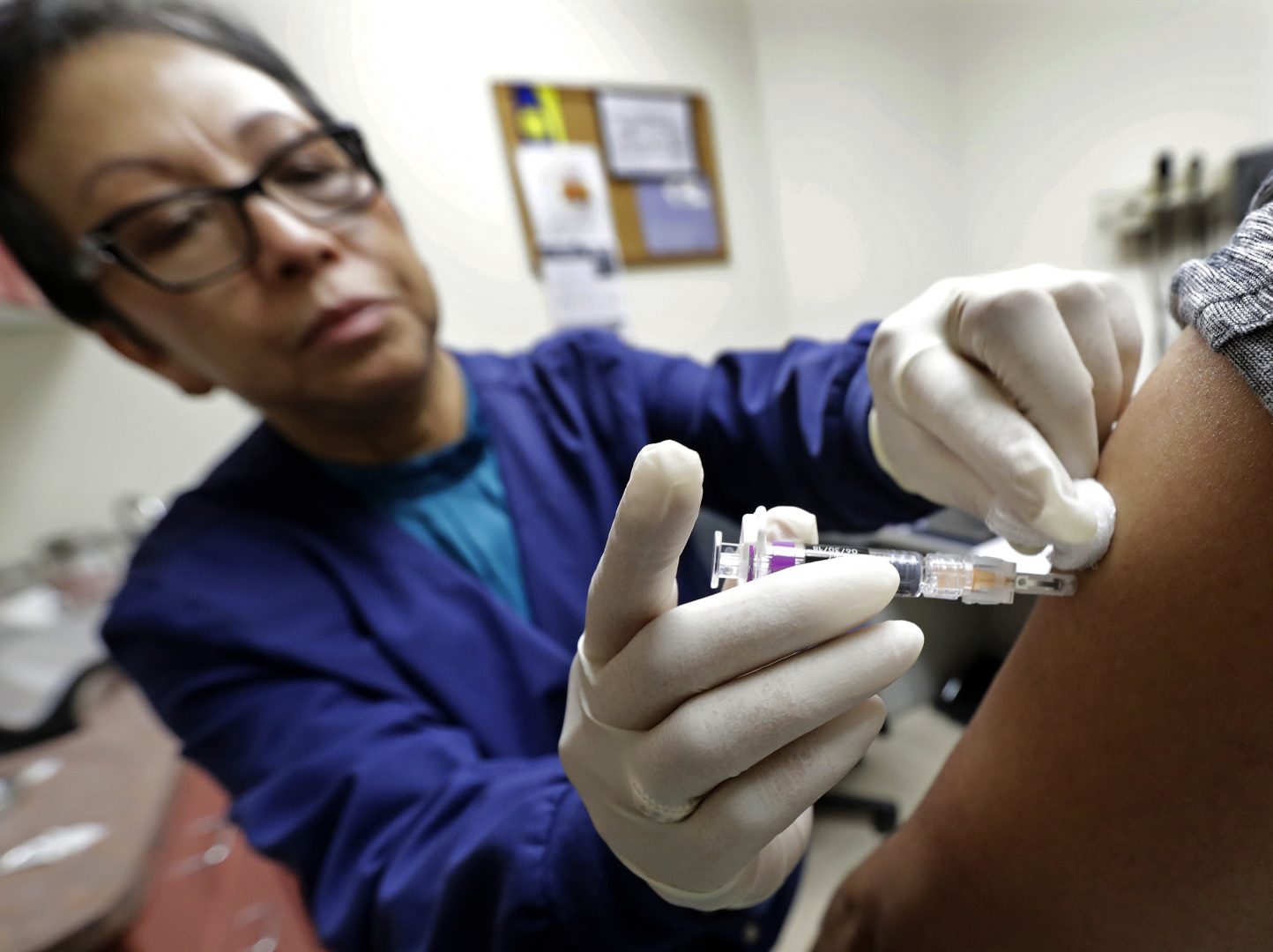
Key strategic implications emerge from these developments. First, the early onset and mutation rate indicate a need for proactive, aggressive public health interventions. Second, vulnerable populations require targeted protection strategies. Recommendations consistently emphasize early vaccination, mask-wearing when feeling unwell, and heightened vigilance about potential complications.
Interestingly, the current outbreak follows Australia's significant flu season, which epidemiologists often use as a predictor for winter health trends in the Northern Hemisphere. This global pattern suggests a potentially systemic shift in viral transmission and mutation dynamics that extends beyond regional boundaries.
The unfolding scenario demands immediate attention from healthcare systems, policymakers, and individual citizens. Preparedness, early detection, and adaptive response strategies will be critical in mitigating the potential widespread impact of this emerging viral threat.
Questions 3
How are different regions responding to the flu outbreak?
Regions like the UK, Colorado, and Michigan are experiencing increased hospitalizations, with daily admissions up 56% compared to last year. Health authorities are recommending early vaccinations, mask-wearing, and heightened vigilance, particularly for high-risk groups.
What makes the current H3N2 flu strain particularly dangerous?
The H3N2 strain contains seven critical mutations that make it more likely to cause severe symptoms, especially among vulnerable populations like children and older adults. Its unique surface proteins reduce protection from existing immunity and current vaccines, increasing the risk of serious complications.