





The Dark Side of Cannabis: Unraveling the Medical Mystery of 'Scromiting'
- Emerging Health Syndrome Challenges Marijuana Legalization Narrative








Overview
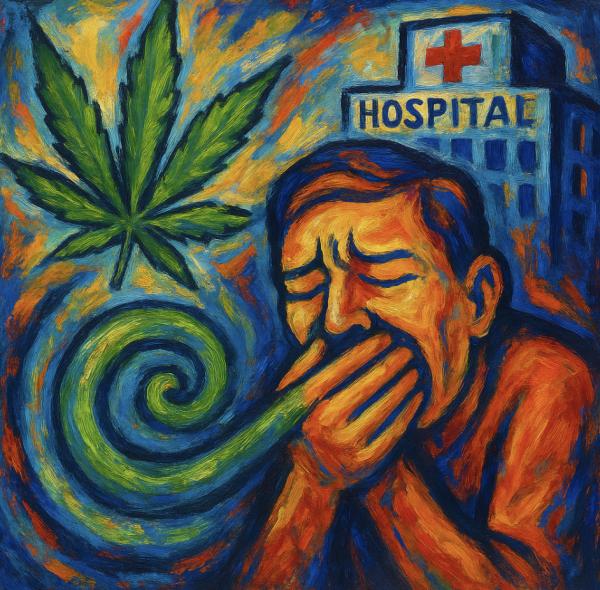
The emergence of cannabinoid hyperemesis syndrome (CHS) represents a critical inflection point in the ongoing dialogue about marijuana's long-term health implications. At the intersection of medical research and cannabis advocacy, the phenomenon of 'scromiting'—a disturbing combination of screaming and vomiting—is exposing unexpected physiological risks that challenge the narrative of cannabis as a harmless recreational substance.
Medical Complexity and Emerging Evidence: First documented in 2004 through a small Australian study, CHS has transitioned from a marginal medical curiosity to a daily clinical reality. Emergency departments are now witnessing consistent cases of this syndrome, with medical professionals like Dr. David Streem from Cleveland Clinic reporting frequent occurrences. The syndrome's core mechanism remains enigmatic—researchers remain uncertain about the precise role of THC potency in triggering these extreme physiological responses.
Regulatory and Cultural Tension: The syndrome's emergence coincides with a significant cultural shift, with 24 states having legalized recreational marijuana. This creates a complex landscape where medical warnings clash directly with expanding cannabis accessibility. Cannabis advocates like Paul Armentano argue that the syndrome is rare and potentially overstated, while medical professionals view it as a serious, systemic health warning. This divide highlights the broader challenge of translating scientific understanding into public health policy.
Treatment and Diagnostic Challenges: Diagnosing CHS requires a specific constellation of symptoms: cyclical vomiting, prolonged marijuana use, and symptom relief upon cessation of consumption. Treatment is remarkably straightforward yet counterintuitive—complete marijuana abstinence. Medical interventions range from IV drips to targeted medications, with patients finding temporary relief through unexpected methods like hot showers and capsaicin cream.
The 'scromiting' phenomenon represents more than a medical curiosity—it's a critical signal of the complex, often unpredictable interactions between long-term cannabis consumption and human physiology. As legalization continues to expand, this syndrome demands rigorous scientific investigation and nuanced public health communication.
Questions 4
What exactly is 'scromiting' and how is it related to cannabis use?
'Scromiting' is a medical term combining 'screaming' and 'vomiting', describing a severe syndrome associated with prolonged marijuana consumption. It's characterized by cyclical vomiting and intense pain, typically occurring in long-term cannabis users and requiring complete cessation of marijuana use for symptom relief.
Why are medical experts and cannabis advocates divided on this issue?
Medical professionals view CHS as a serious health warning about long-term cannabis consumption, while advocates see it as potential fearmongering. The divide stems from limited understanding of the syndrome's exact mechanisms and ongoing debates about marijuana's physiological impacts.