


Hormuz Shipping Crisis Triggers Route Diversions | Sellers Face 8-15% Freight Cost Surge
- Supertanker diversions to Cape of Good Hope and US ports increase ocean freight costs 8-15% for Asia-to-US shipments; sellers must reposition inventory and adjust pricing by Q2 2026







Overview
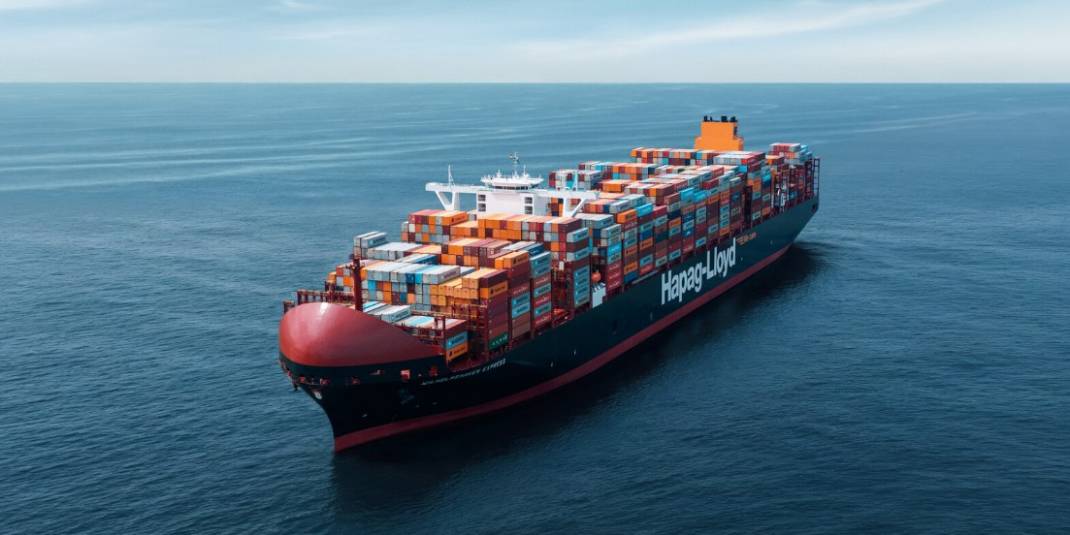
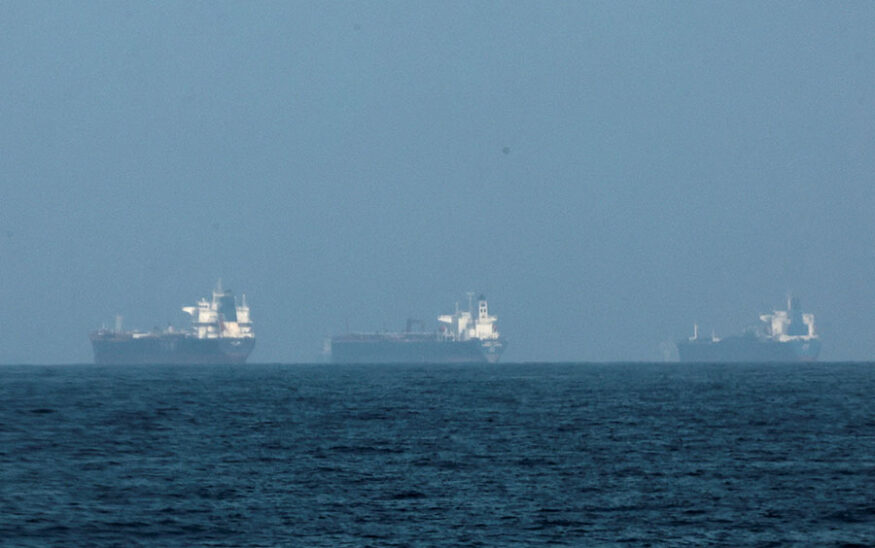
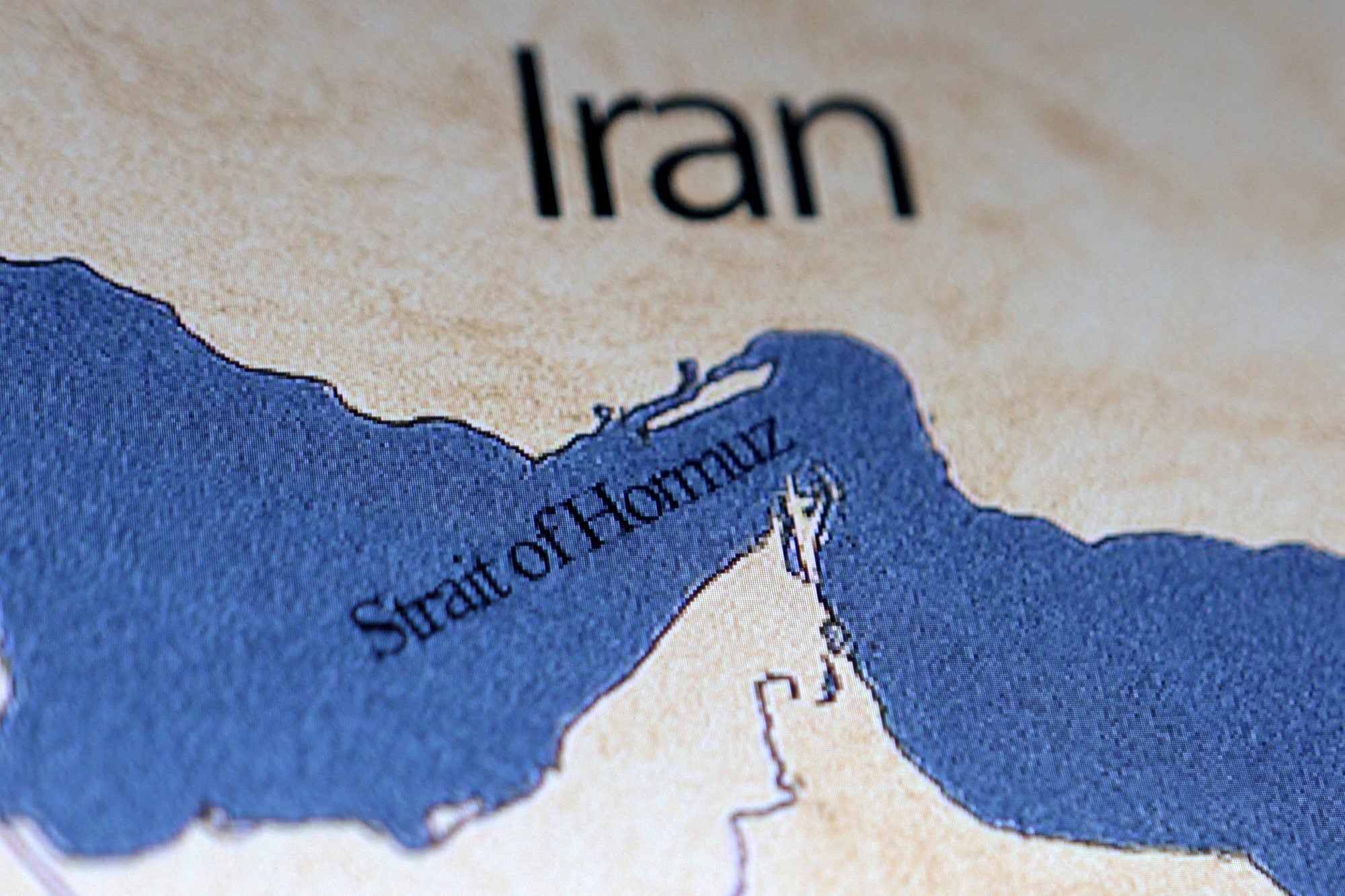
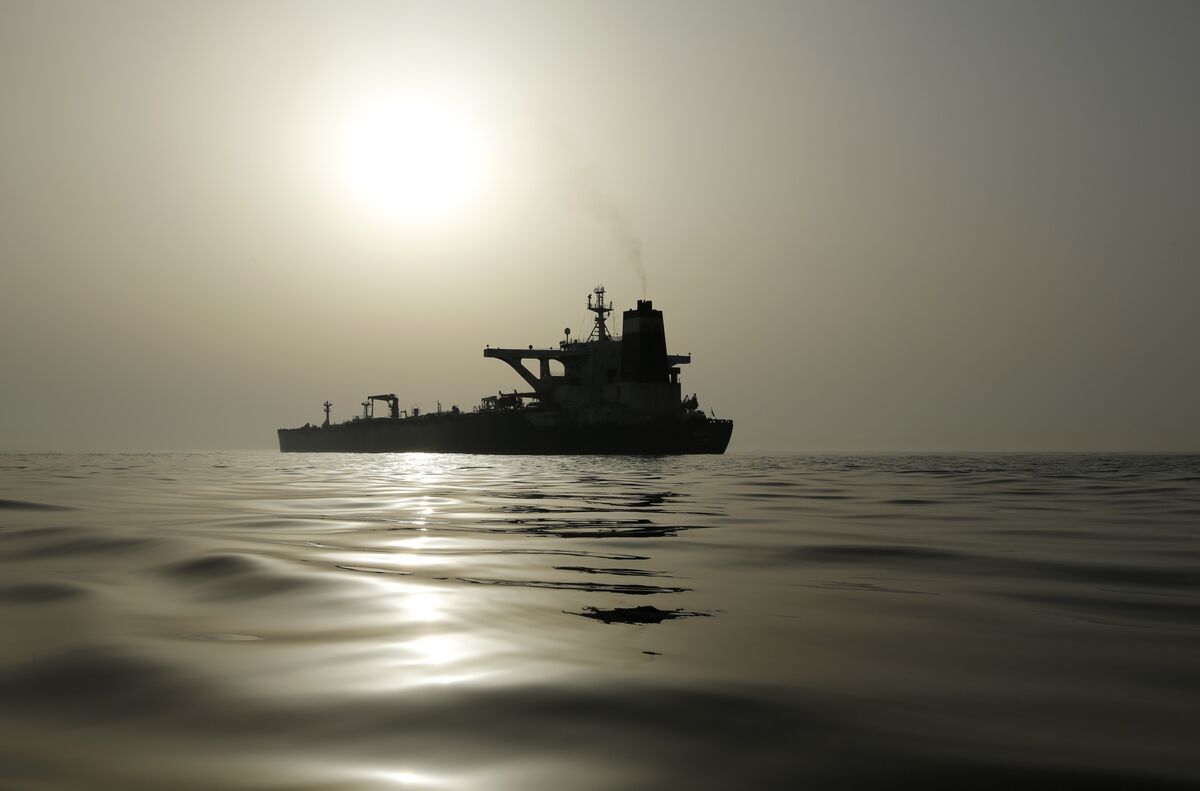
The Strait of Hormuz shipping crisis is forcing major route diversions that directly impact cross-border sellers' landed costs. According to Bloomberg reporting from March 4, 2026, at least three very large crude carriers (VLCCs)—including the Plata Glory and G. Hope—have reversed course from Persian Gulf destinations toward alternative routes via Cape of Good Hope and US ports due to escalating US-Israel-Iran hostilities. Since the Strait of Hormuz handles 20-30% of global seaborne oil trade, these diversions trigger immediate consequences for e-commerce logistics: longer transit times (adding 10-14 days to Asia-US routes), elevated fuel surcharges (3-5% premium), and increased insurance costs (2-3% rate hikes on war-risk coverage).
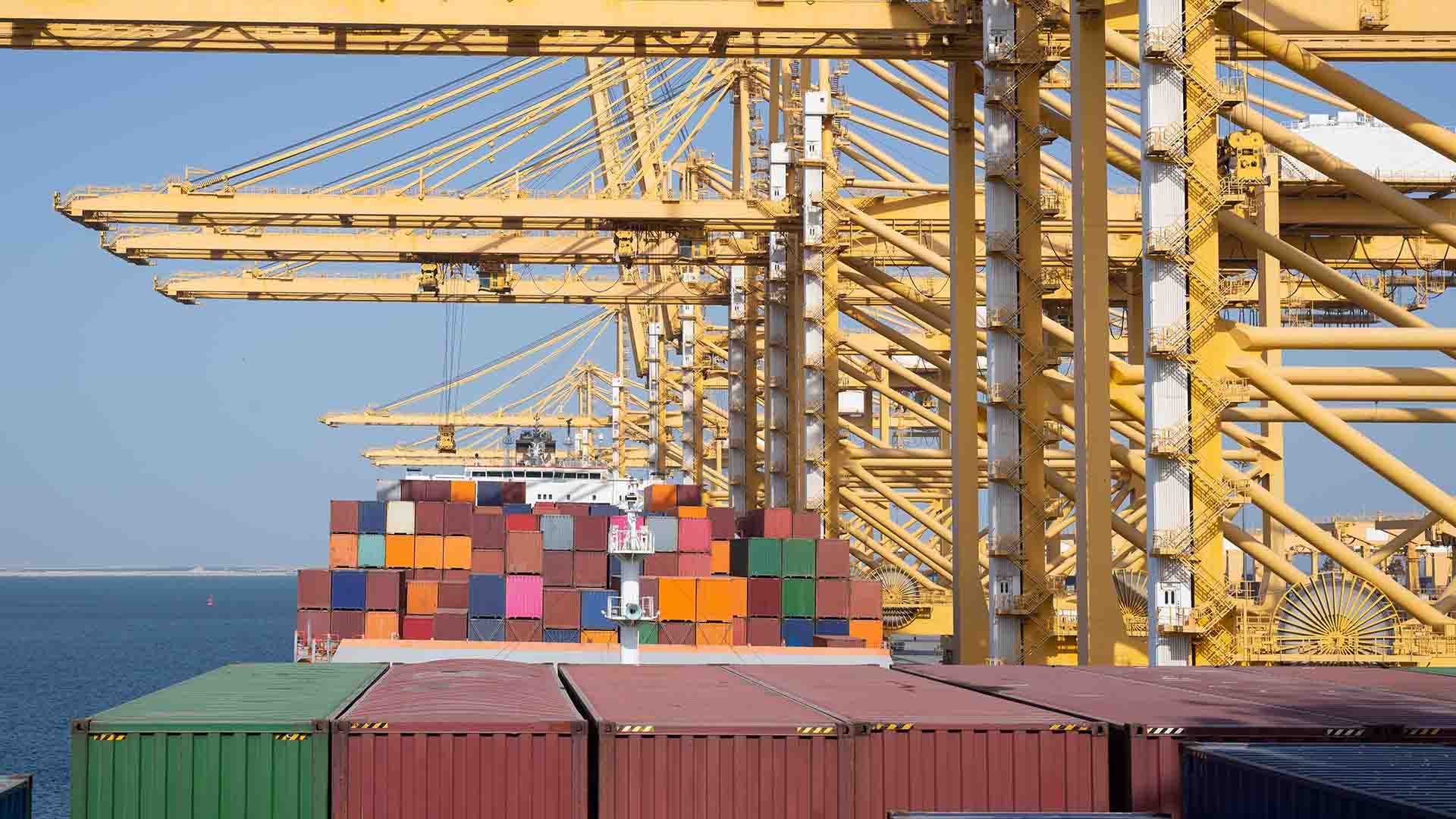
For e-commerce sellers, this translates to concrete cost increases across fulfillment models. Ocean freight from Shanghai to Los Angeles typically costs $800-1,200/TEU; the Cape of Good Hope routing adds 8,000+ nautical miles, increasing costs to $1,100-1,500/TEU (8-15% premium). Sellers shipping 50+ containers monthly face additional $4,000-8,000 monthly costs. FBA sellers experience indirect impacts through Amazon's fulfillment network costs—expect 3-5% increases in FBA fees by Q2 2026 as carriers pass through fuel surcharges. Air freight premiums spike 12-18% due to fuel surcharges, making expedited shipping prohibitively expensive for standard product categories.
Inventory positioning becomes critical immediately. Sellers should accelerate shipments of high-margin products (electronics, apparel, home goods) to US warehouses before April 2026 to lock in current freight rates. For slower-moving inventory, consider shifting 20-30% of planned Q2-Q3 shipments to alternative routes via Singapore or Port Said (if Suez remains accessible), which may offer 4-6% cost savings versus Cape routing. 3PL providers in US ports (Los Angeles, Houston, Savannah) will see increased demand; secure warehouse space NOW before capacity constraints drive storage costs up 15-20%. Sellers relying on just-in-time inventory from Asia face margin compression of 5-8% unless they adjust product pricing or shift sourcing to Mexico, Vietnam, or India for faster, cheaper delivery to North America.
Strategic actions for sellers: (1) Immediate (by March 31, 2026): Audit current shipments in transit; contact freight forwarders to confirm routing and lock in rates before further escalation. (2) Short-term (April-May 2026): Pre-position 60-90 days of inventory for Q2-Q3 bestsellers in US FBA centers; evaluate 3PL alternatives in Houston and Savannah for cost arbitrage. (3) Medium-term (June-August 2026): Shift 15-25% of sourcing to Vietnam or Mexico for categories with 30+ day lead times; monitor Hormuz tensions for recovery signals. (4) Risk mitigation: Increase product pricing 5-8% on high-velocity SKUs to offset freight premiums; avoid aggressive inventory expansion until shipping stabilizes.
Questions 8
What immediate actions should I take this week to protect my business from freight cost increases?
Action 1 (Today): Contact your freight forwarder to confirm routing for all in-transit shipments and lock in rates for next 60 days. Action 2 (This week): Audit inventory levels and identify top 20% SKUs by margin and velocity—prioritize these for accelerated shipments to US warehouses. Action 3 (By Friday): Secure 3PL warehouse space in Houston or Savannah for 60-90 days of inventory; negotiate rates before capacity constraints spike costs. Action 4 (Next week): Review product pricing and prepare 5-8% increases for high-velocity items; test pricing changes on 10% of SKUs first. Action 5 (By March 31): Evaluate Vietnam/Mexico sourcing alternatives for Q3-Q4 replenishment to reduce future freight exposure.
How long will these shipping route disruptions and cost increases last?
Historical Hormuz crises (2019 tanker attacks, 2022 tensions) lasted 4-8 months before shipping patterns normalized. Current geopolitical escalation suggests 6-12 month disruption window. Monitor news weekly for de-escalation signals; when tensions ease, freight rates typically drop 5-8% within 2-3 weeks. Plan inventory strategy assuming 6-month elevated costs, but prepare to shift back to Hormuz routes if geopolitical risk decreases. Maintain flexibility in sourcing and warehouse positioning—lock in 3-month commitments rather than 12-month contracts to preserve optionality.