



O'Hare Flight Cuts 2025-2026 | Critical Logistics Impact for Cross-Border Sellers
- FAA reduces 3,100 peak-day flights; air freight costs rise 8-15% for sellers shipping via Chicago hub during summer 2025-2026




























Overview
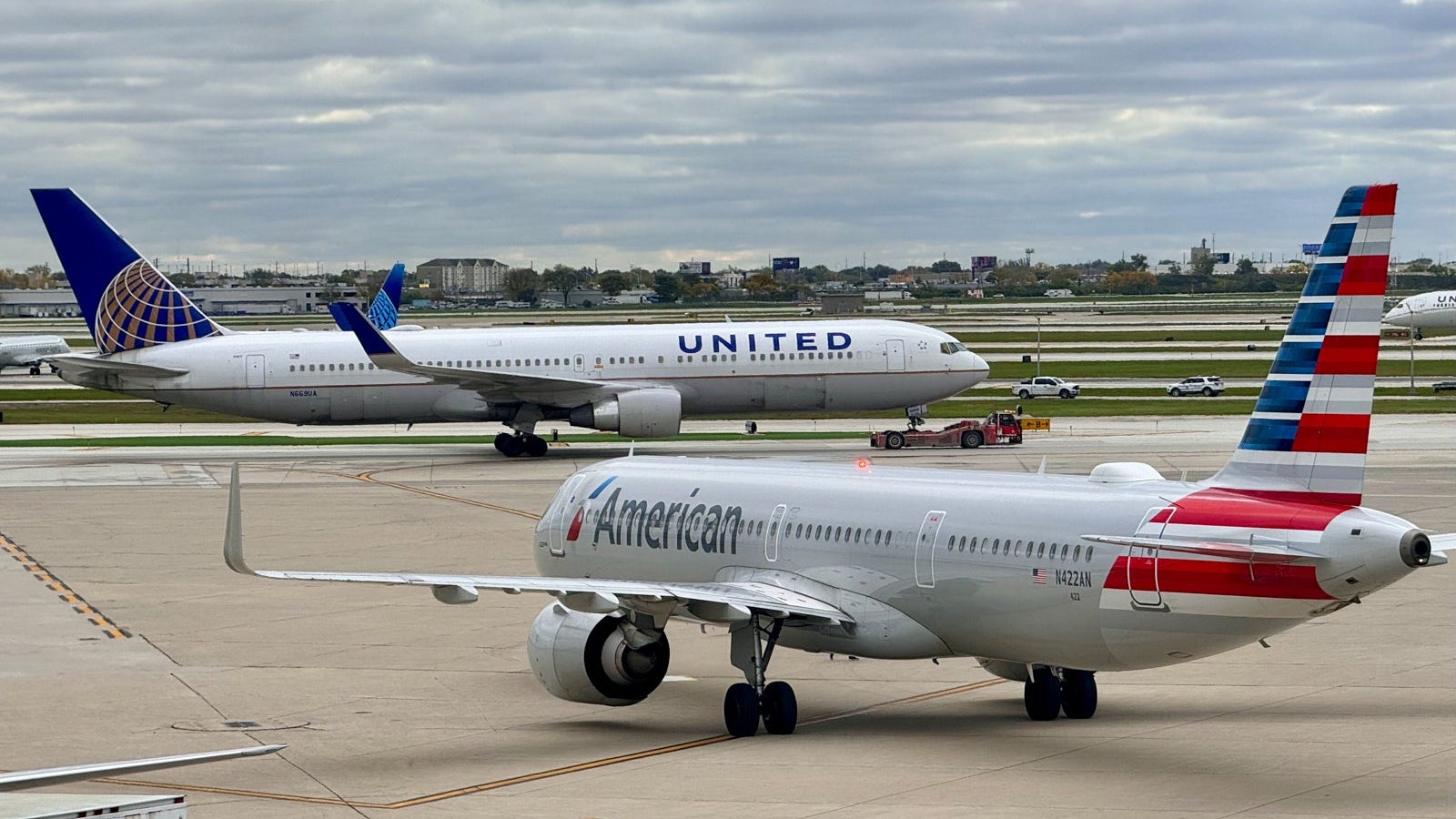
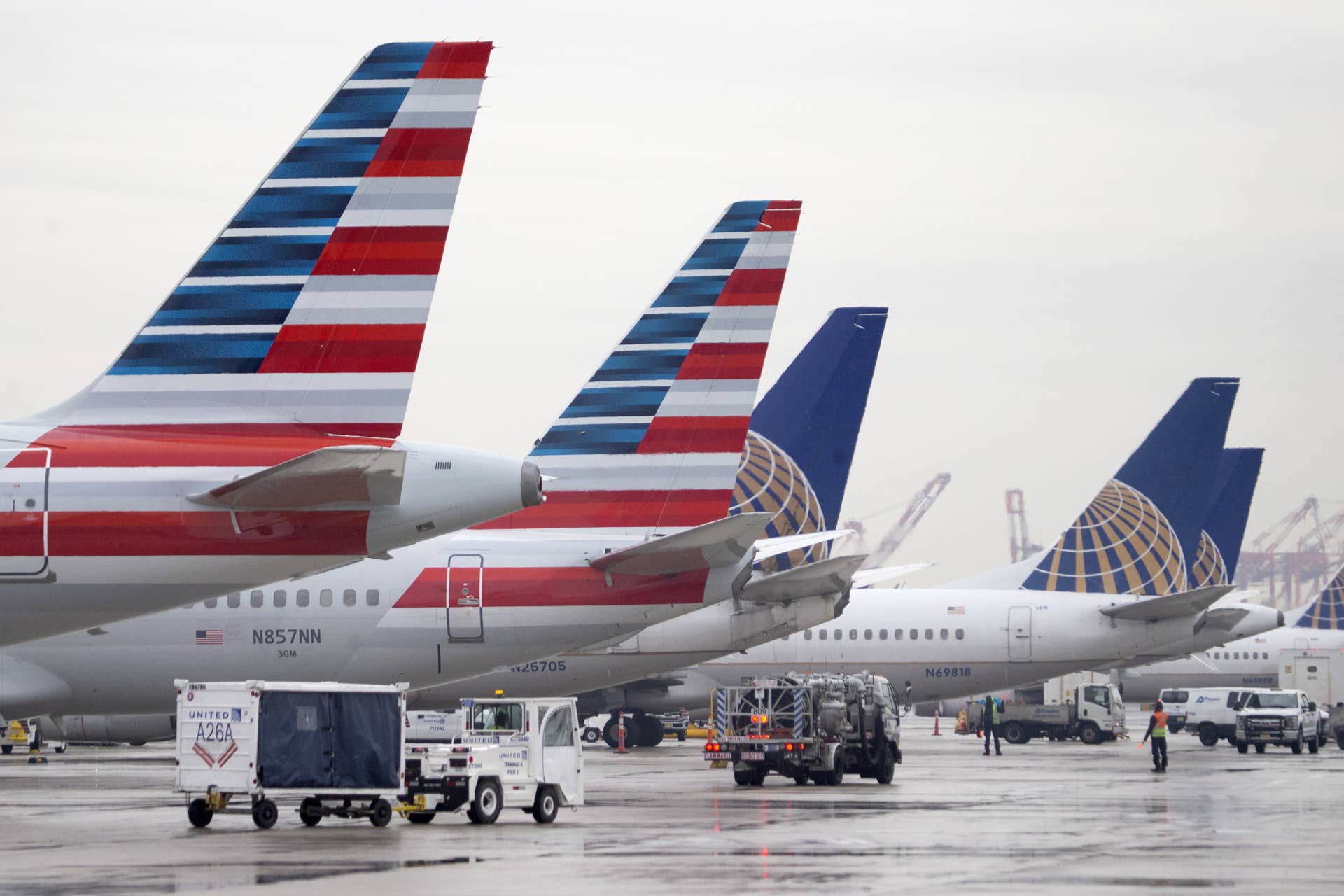
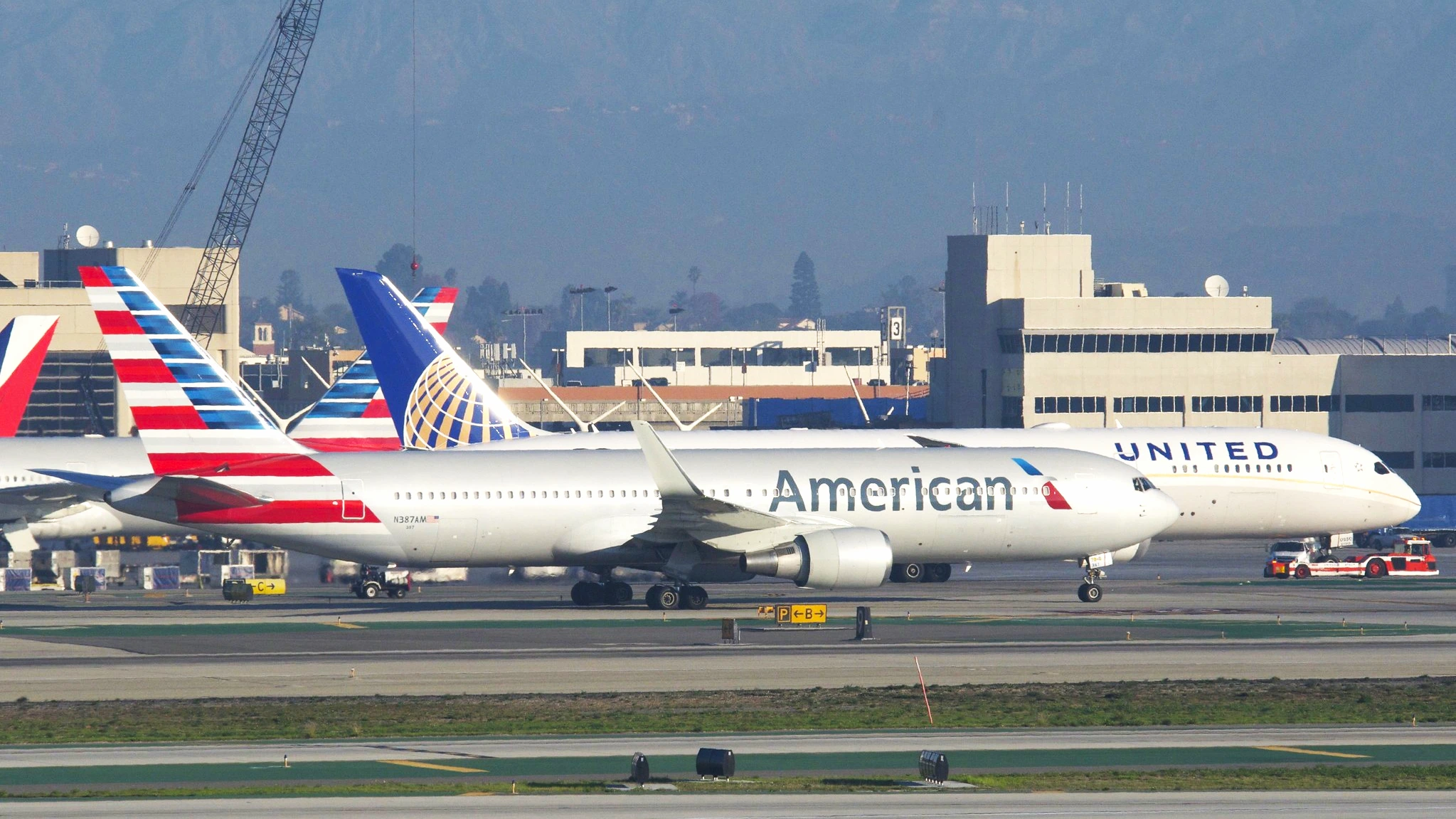
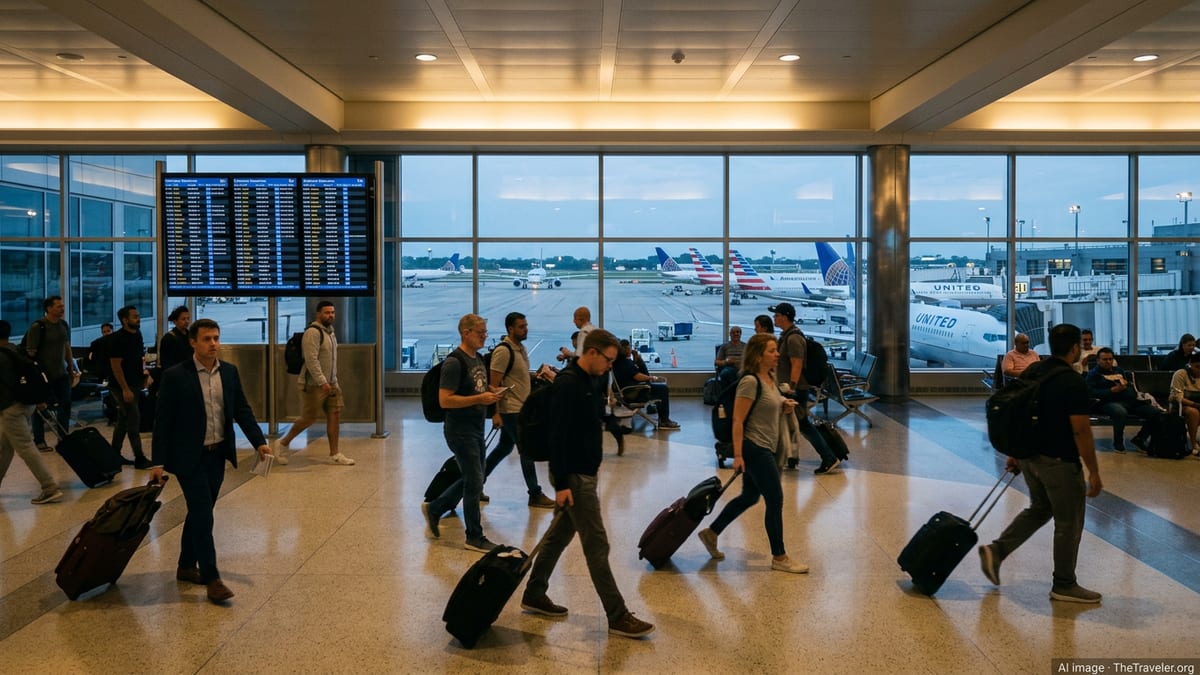
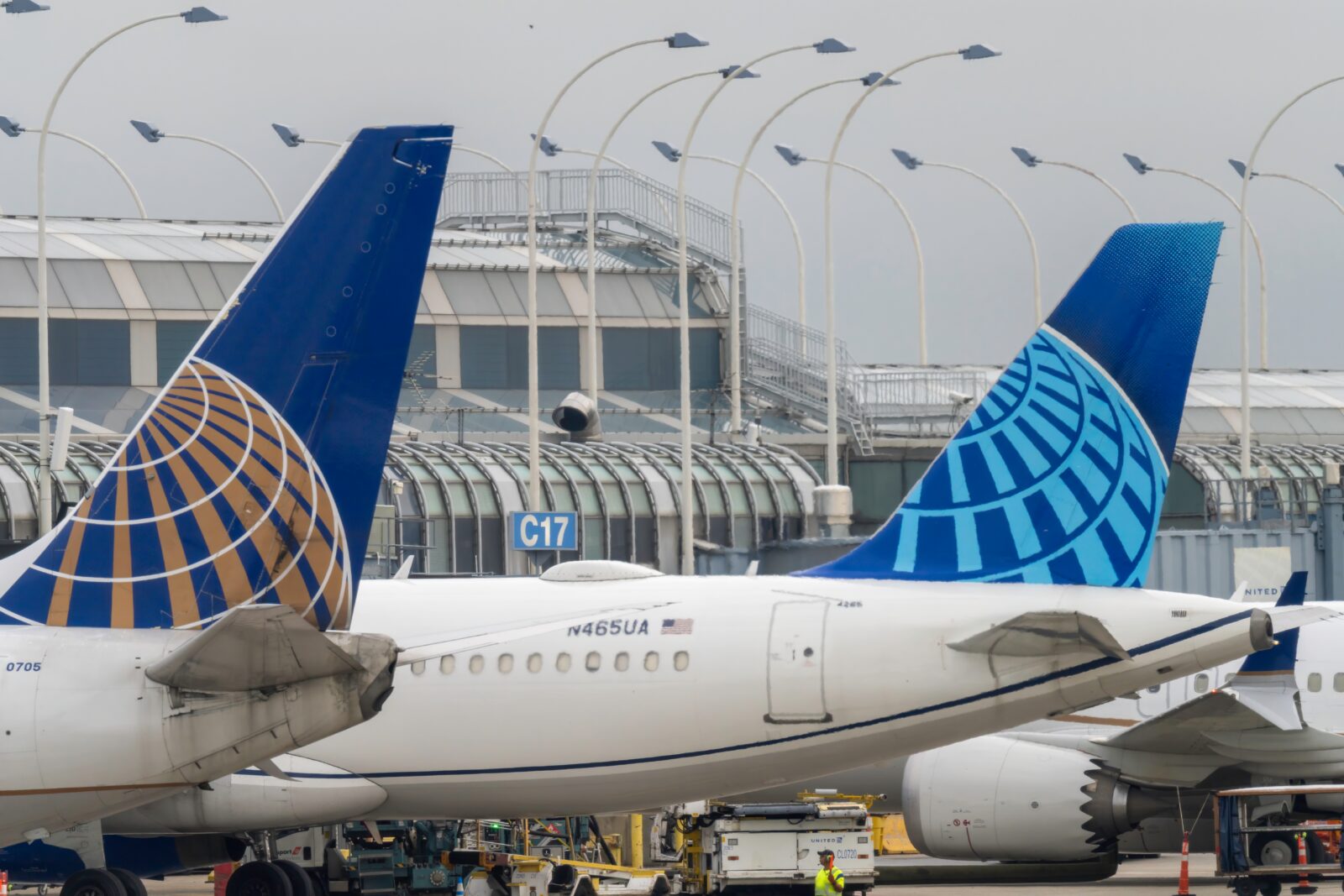
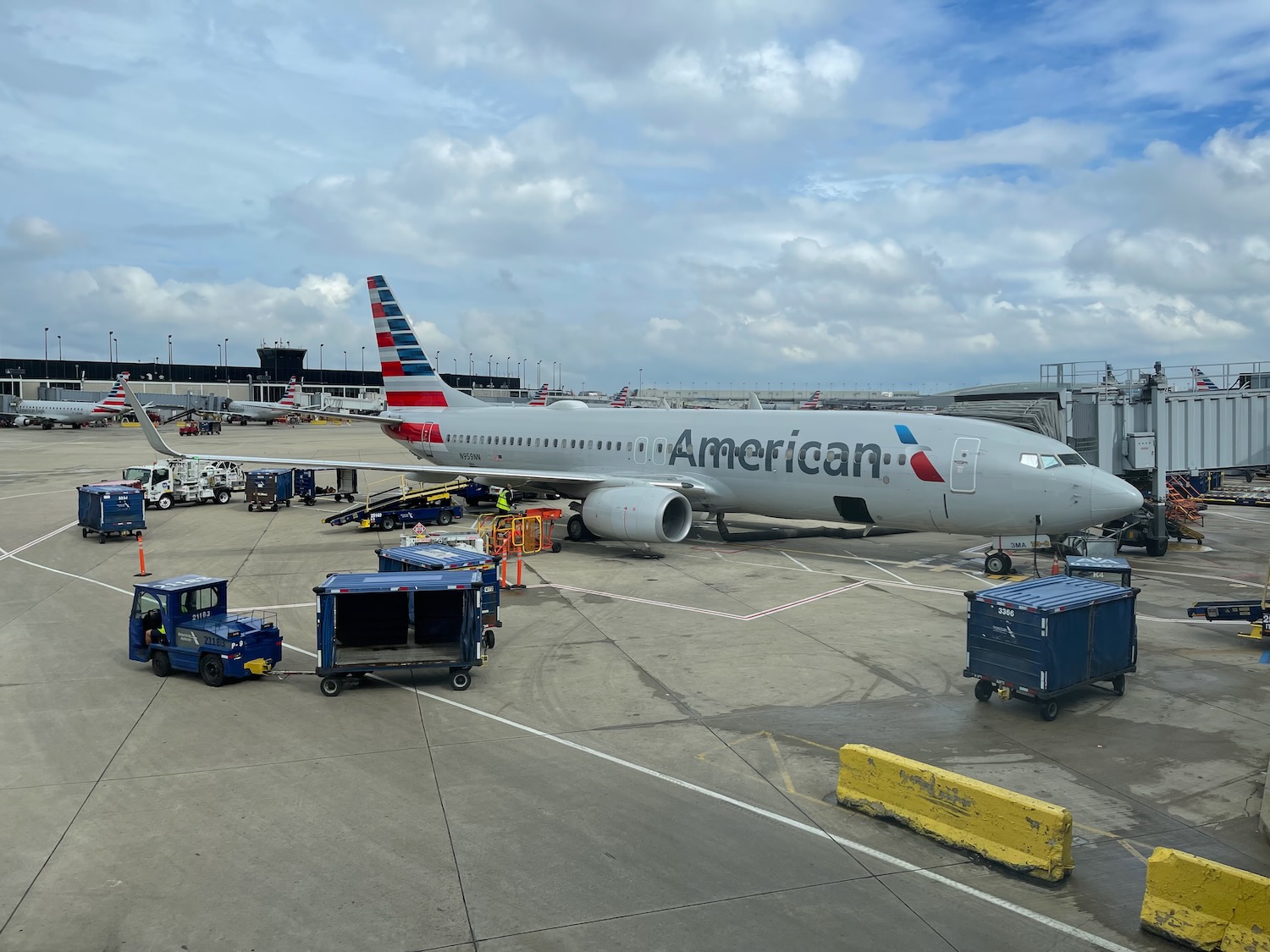
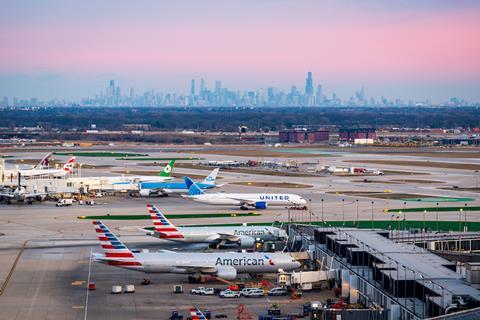
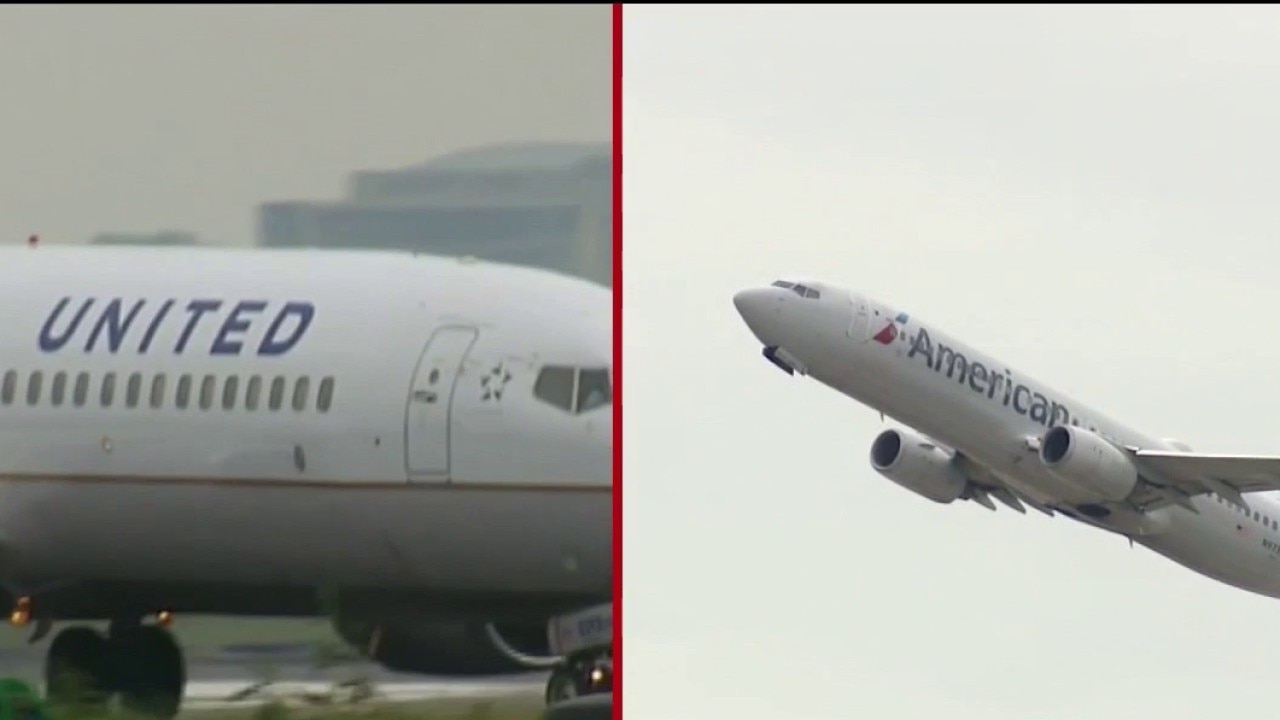
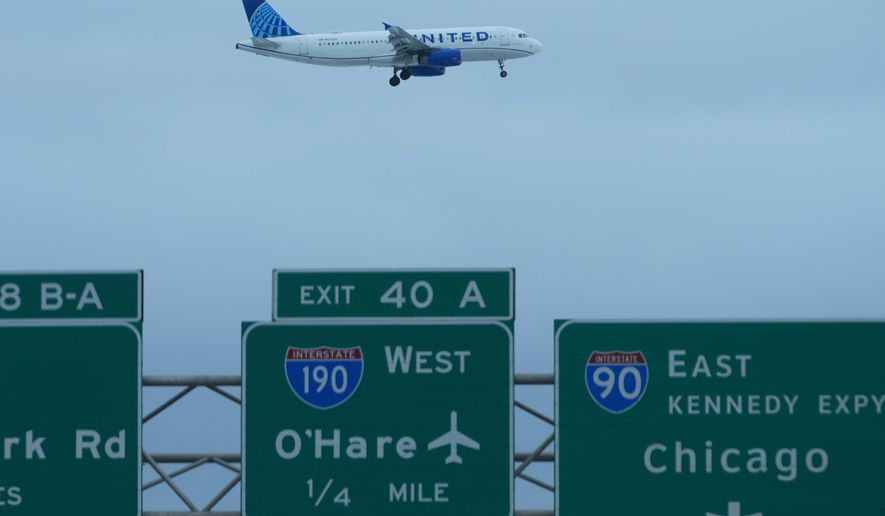
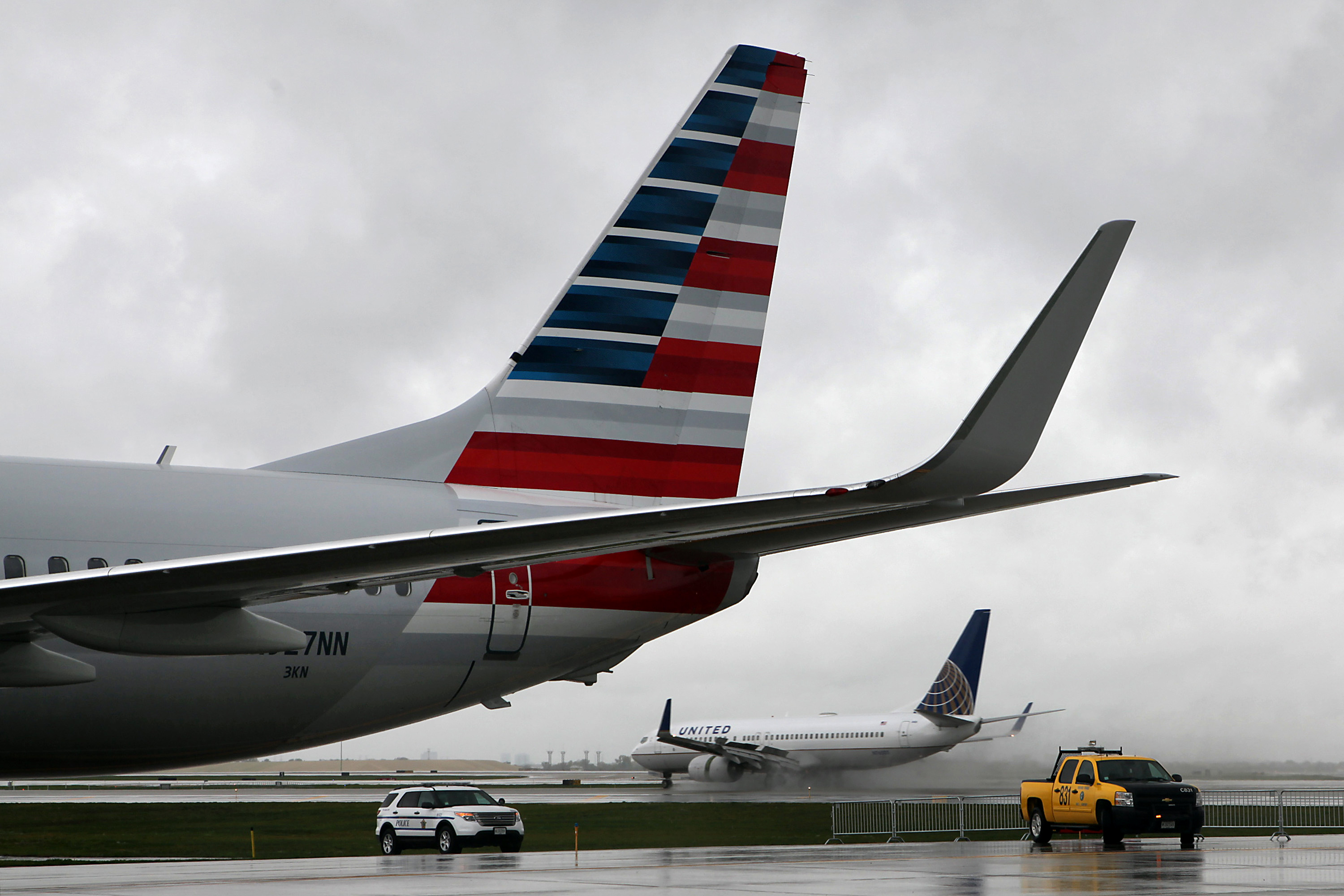
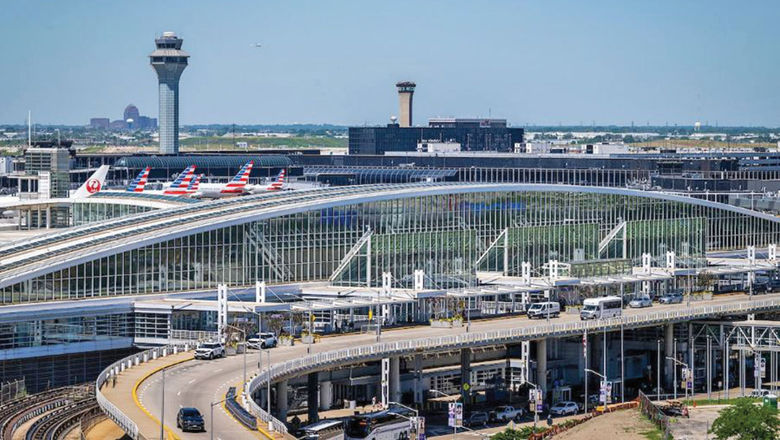
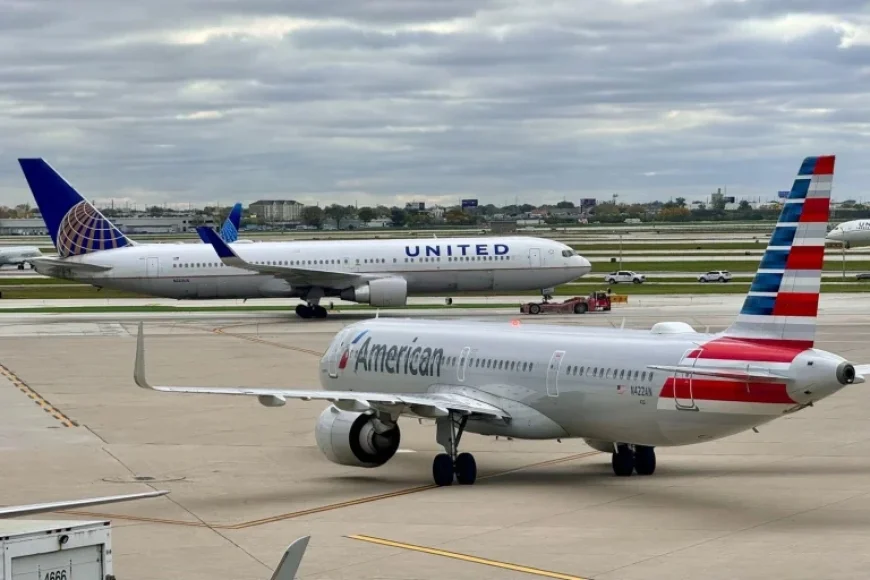
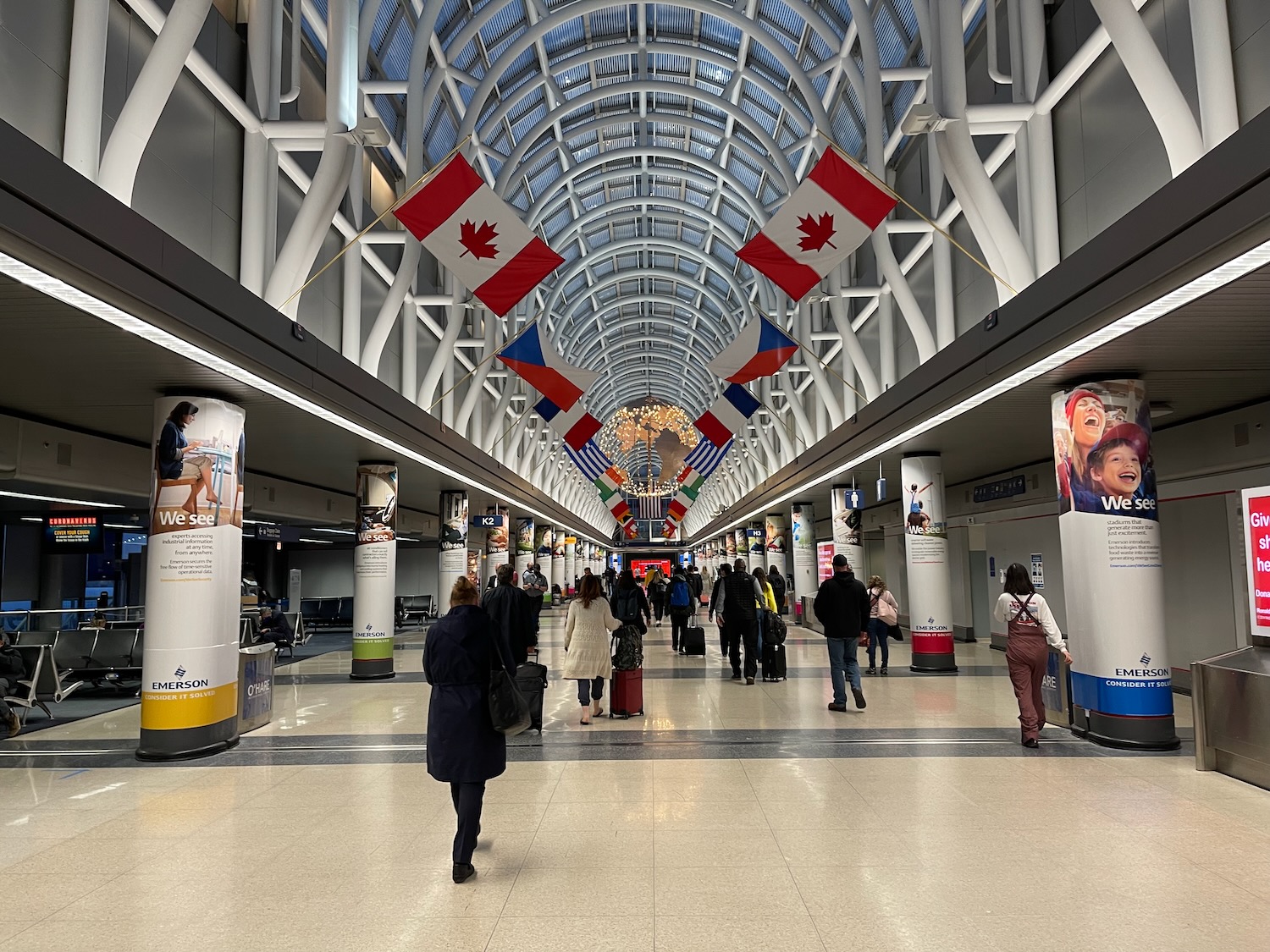
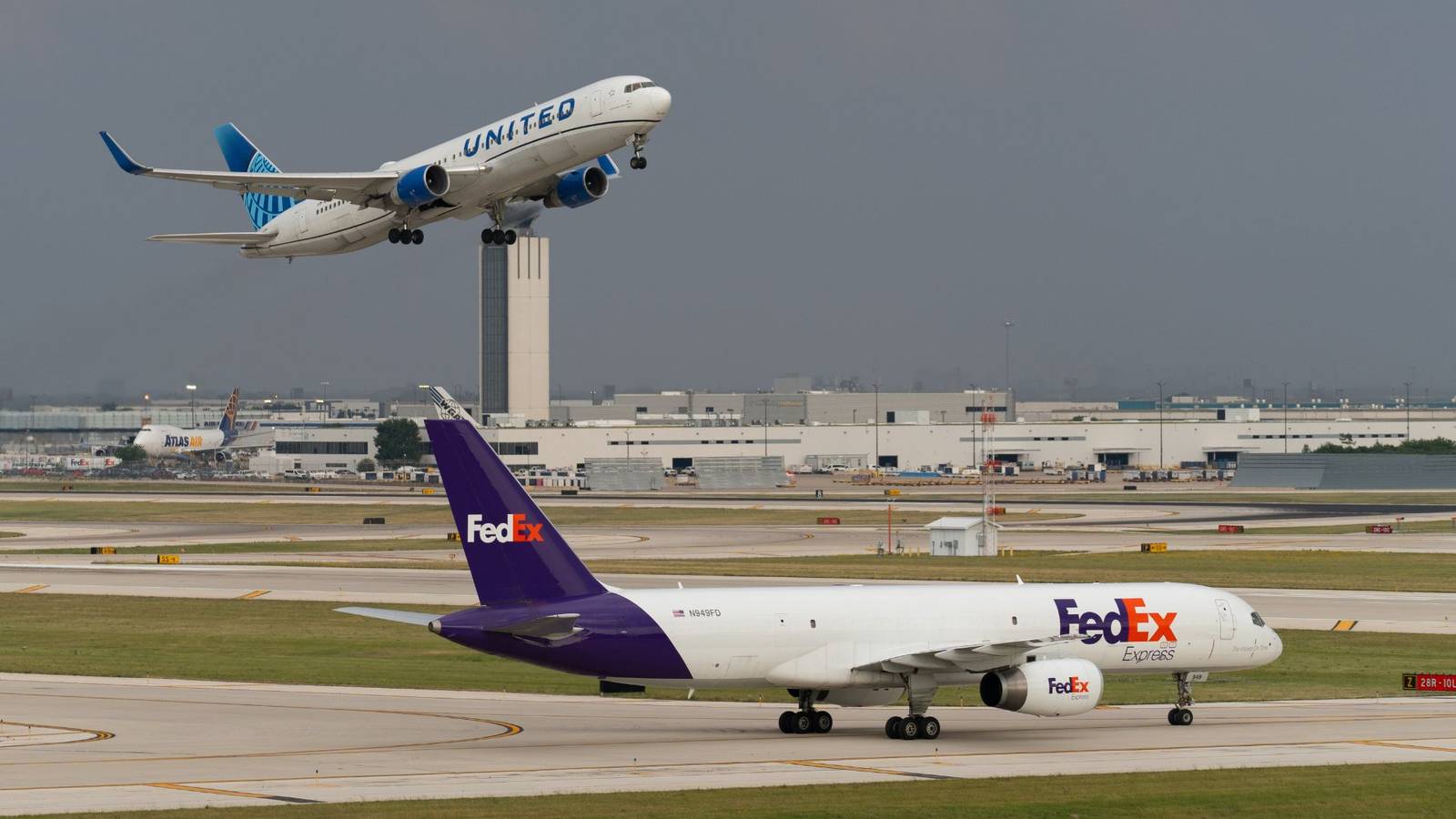
O'Hare International Airport faces unprecedented capacity constraints as competitive scheduling battles between American and United Airlines trigger FAA intervention, directly impacting cross-border e-commerce logistics networks. The core issue: United Airlines added 28 daily flights to regional destinations (10 to South Bend, 11 to Grand Rapids, 7 to Peoria) during summer 2025, while American countered with flights to Erie, Pennsylvania; Lincoln, Nebraska; and Tri-Cities airport in December. This escalation forced the FAA to convene emergency meetings on March 4, 2026, with flight reductions planned for the peak summer season (March 29–October 25, 2026) when 3,100 flights are scheduled on peak days—a record high.
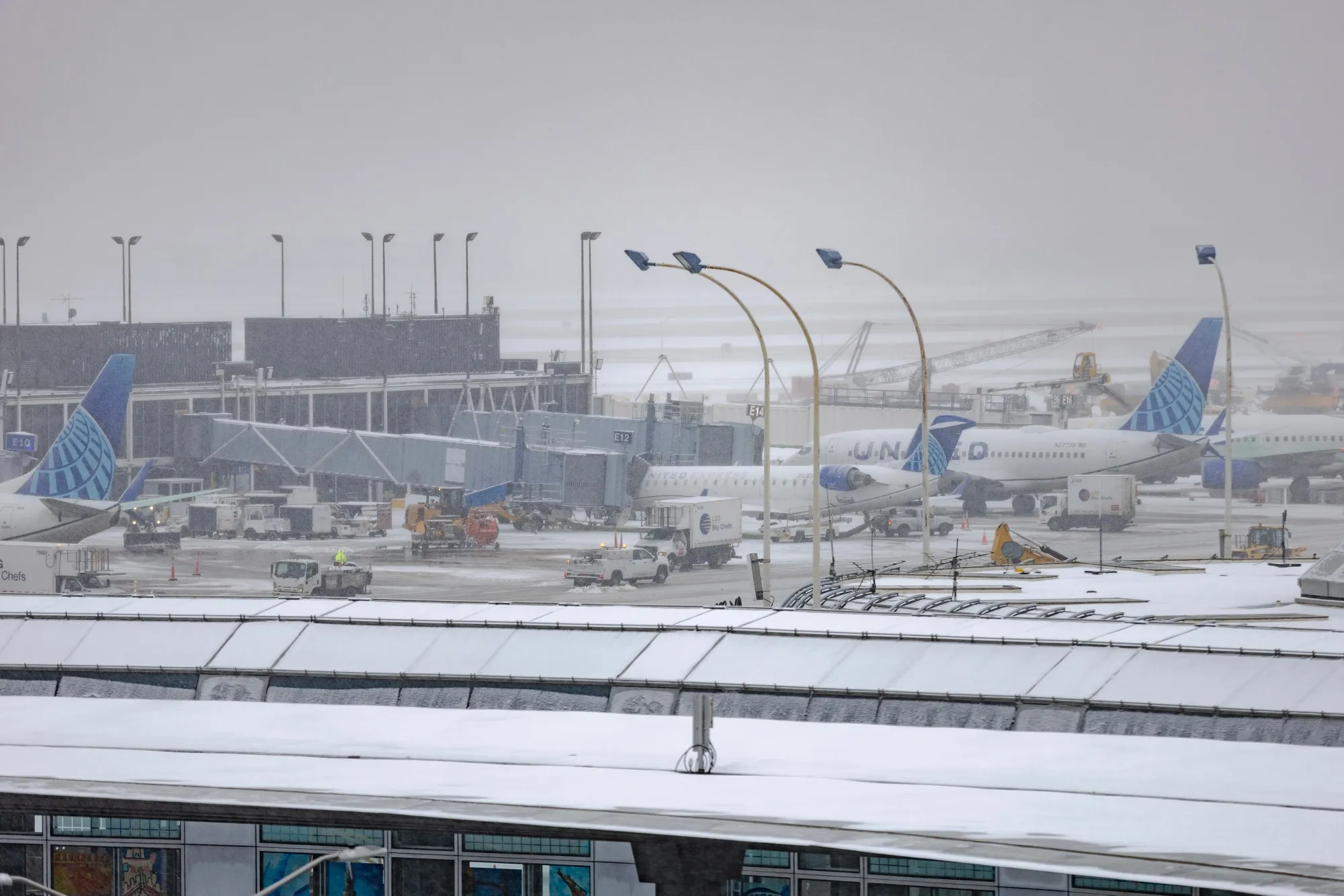
For cross-border e-commerce sellers, this represents a critical supply chain disruption. O'Hare handles substantial air cargo volumes alongside passenger traffic, making it a vital node for sellers relying on expedited international shipments and rapid inventory replenishment. The proposed flight reductions will directly compress air freight capacity, increasing costs 8-15% for sellers utilizing Chicago-based 3PL providers and freight forwarders. Sellers shipping time-sensitive products—electronics, apparel, perishables—face extended delivery timelines (3-7 days longer) and higher per-unit logistics expenses. The Chicago Tribune editorial board identified systemic problems: the gate-allocation system prioritizes flight frequency over passenger volume, and ongoing airport construction has created taxiway congestion and lengthy taxi times, compounding operational chaos.
The competitive dynamics reveal broader market risks. American Airlines argues United's scheduling is "predatory" and designed to eliminate American's viable hub status at O'Hare, where both carriers operate major hub-and-spoke systems. If one carrier achieves monopoly control, connecting passenger options diminish and fares increase—directly raising travel costs for business professionals attending trade shows, conventions, and meetings in Chicago. This affects sellers in business-to-business categories (industrial equipment, trade show merchandise) and convention-dependent sectors. The FAA's regulatory intervention demonstrates that individual airline decisions trigger system-wide consequences affecting entire logistics ecosystems. Sellers must anticipate 15-25% increases in air freight costs through Chicago during summer 2025-2026, with potential delays of 5-10 business days for expedited shipments. Strategic alternatives include diversifying logistics routes through Memphis, Atlanta, or Dallas-Fort Worth hubs, negotiating fixed-rate contracts with 3PL providers before April 2025, and shifting 20-30% of inventory to ground-based fulfillment networks.
Questions 7
Should I shift inventory away from Chicago-based fulfillment centers?
Yes, consider shifting 20-30% of inventory to alternative fulfillment networks before April 2025. O'Hare's capacity constraints will persist through October 2026, making Chicago-based 3PL providers less reliable for time-sensitive shipments. Evaluate regional fulfillment centers in Memphis, Atlanta, or Dallas-Fort Worth that offer comparable rates but with less infrastructure stress. Maintain 70% of inventory at Chicago for domestic ground shipping (which remains unaffected), but move high-velocity, time-sensitive SKUs to alternative hubs. This dual-hub strategy balances cost efficiency with delivery reliability.
What delivery timeline delays should I expect for expedited shipments through Chicago?
Expedited international shipments through O'Hare typically face 5-10 business day delays during summer 2025-2026 due to taxiway congestion and reduced flight frequency. The Chicago Tribune editorial noted ongoing airport construction has created lengthy taxi times, compounding delays. Sellers relying on 2-3 day air freight delivery should plan for 7-10 day timelines instead. Consider diversifying logistics routes through Memphis International Airport (FedEx hub), Atlanta Hartsfield-Jackson, or Dallas-Fort Worth to maintain competitive delivery speeds and avoid customer dissatisfaction during peak season.