

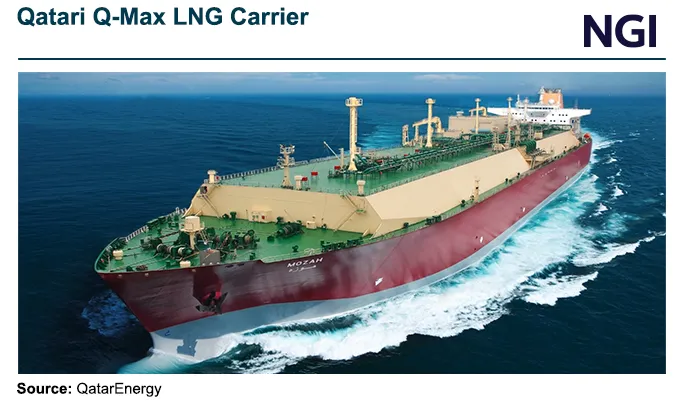


Global Shipping Costs Surge 44-91% | LNG Crisis Threatens Cross-Border Sellers
- Qatar's 20% global LNG supply offline for 4+ weeks; Asian freight rates spike 91%, European 44%; energy-intensive sellers face 8-15% logistics cost increases through Q2 2026







/Virtuix%20-%20Made%20for%20Meta.jpg)












Overview
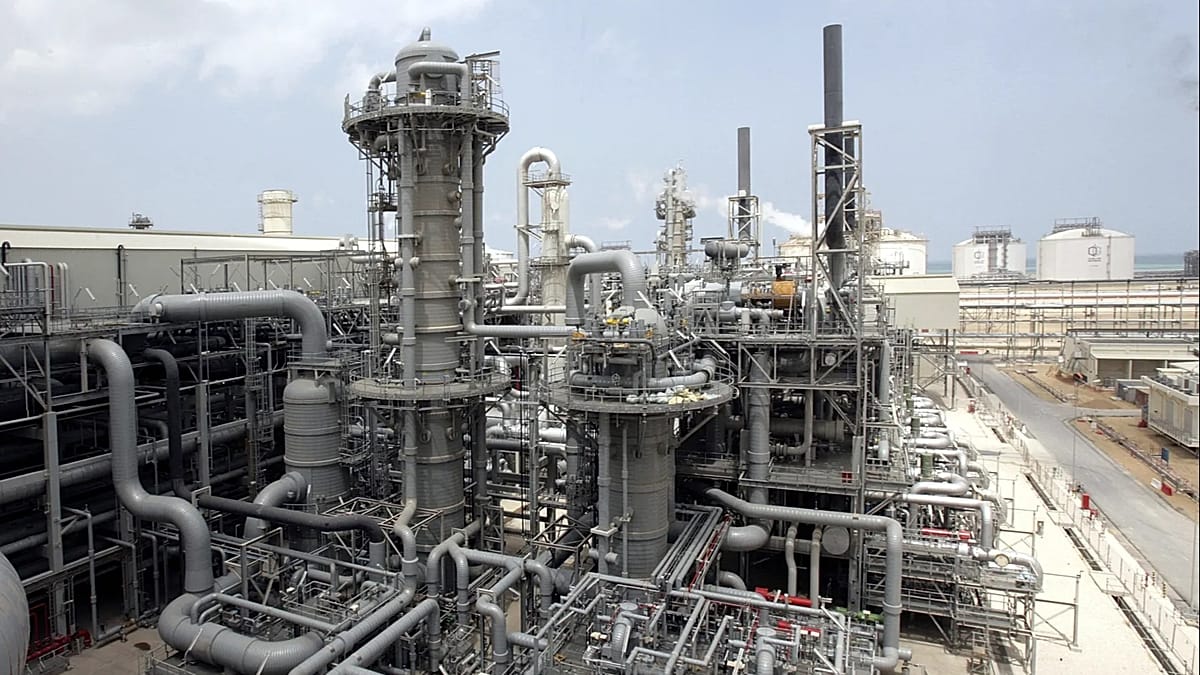
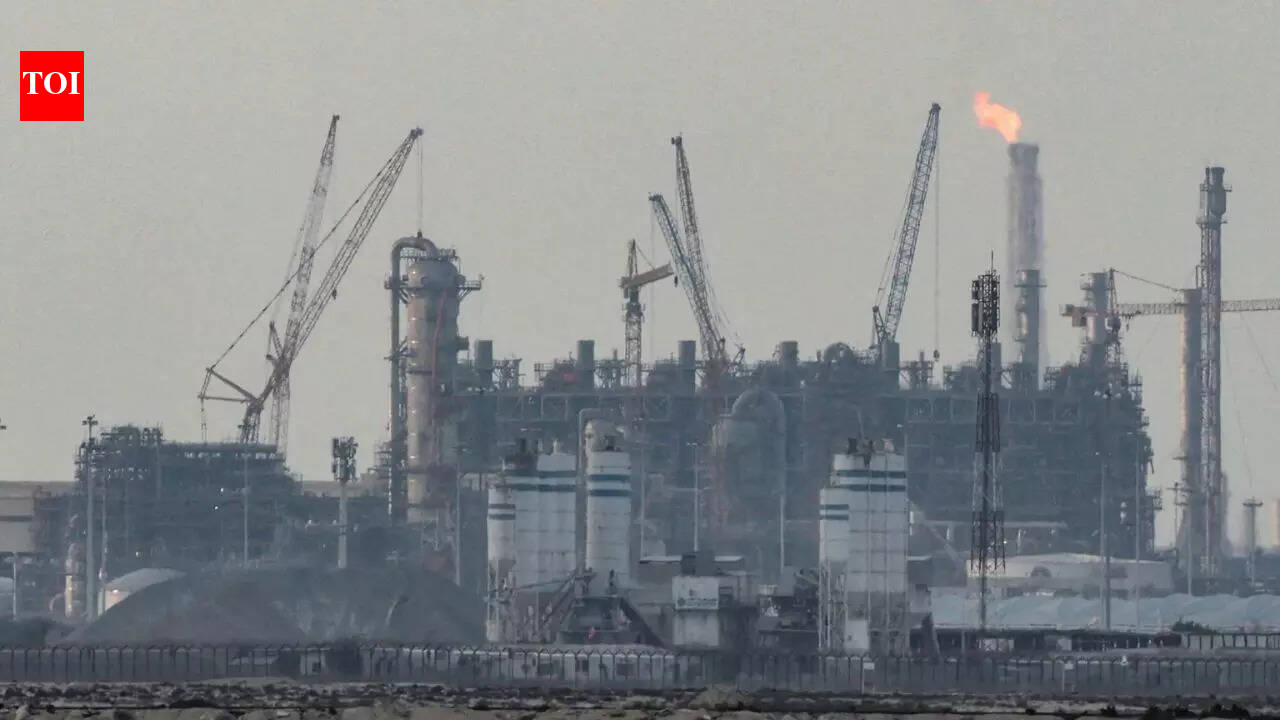
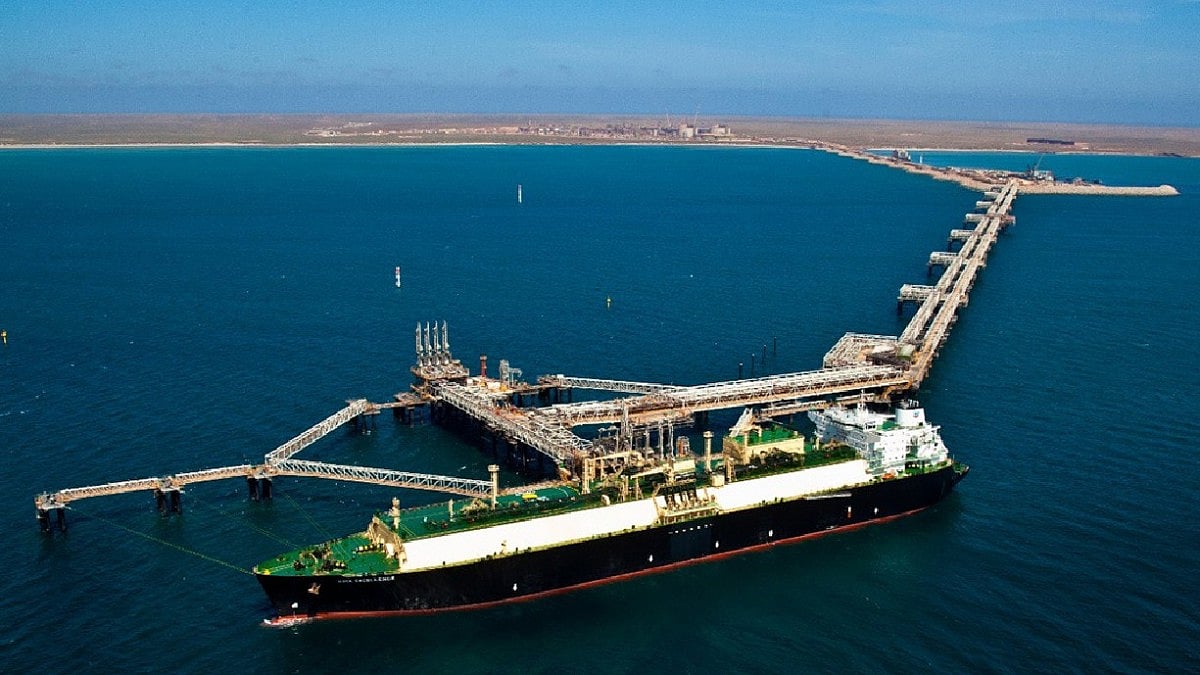
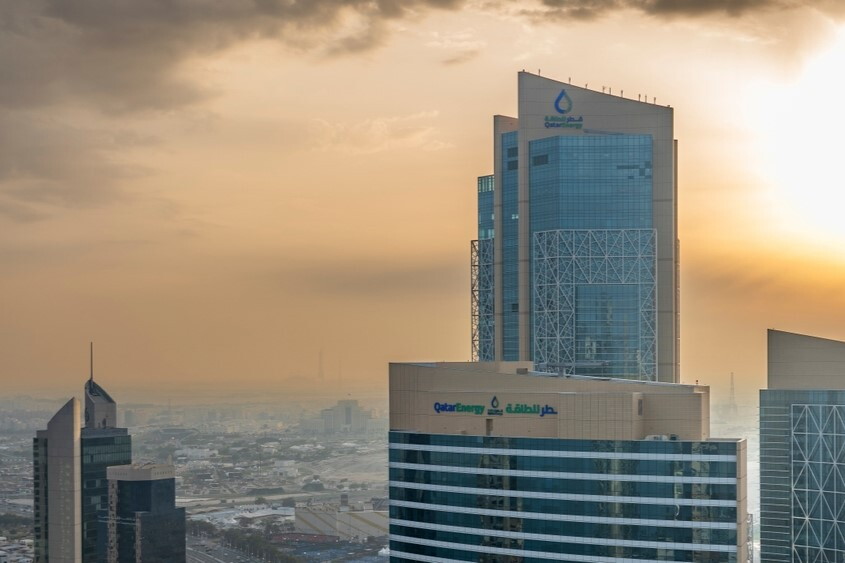
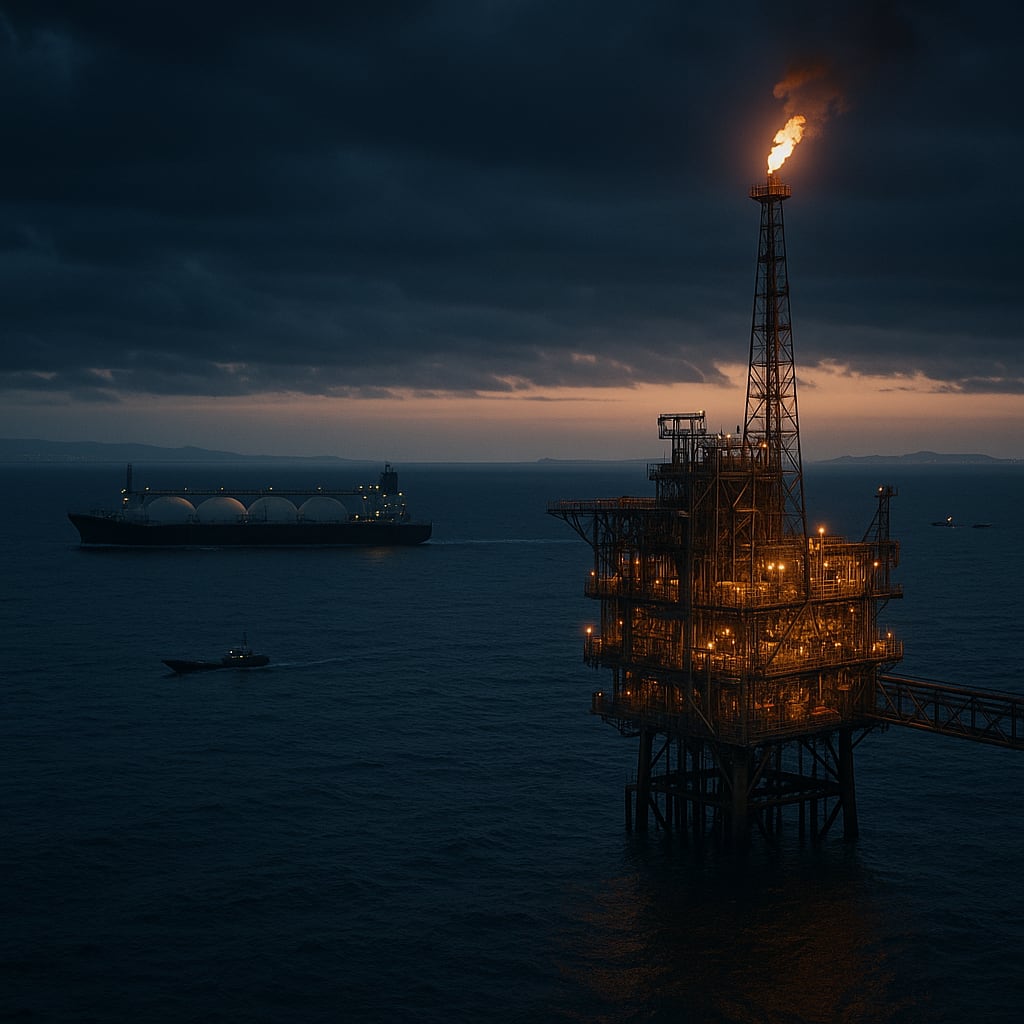
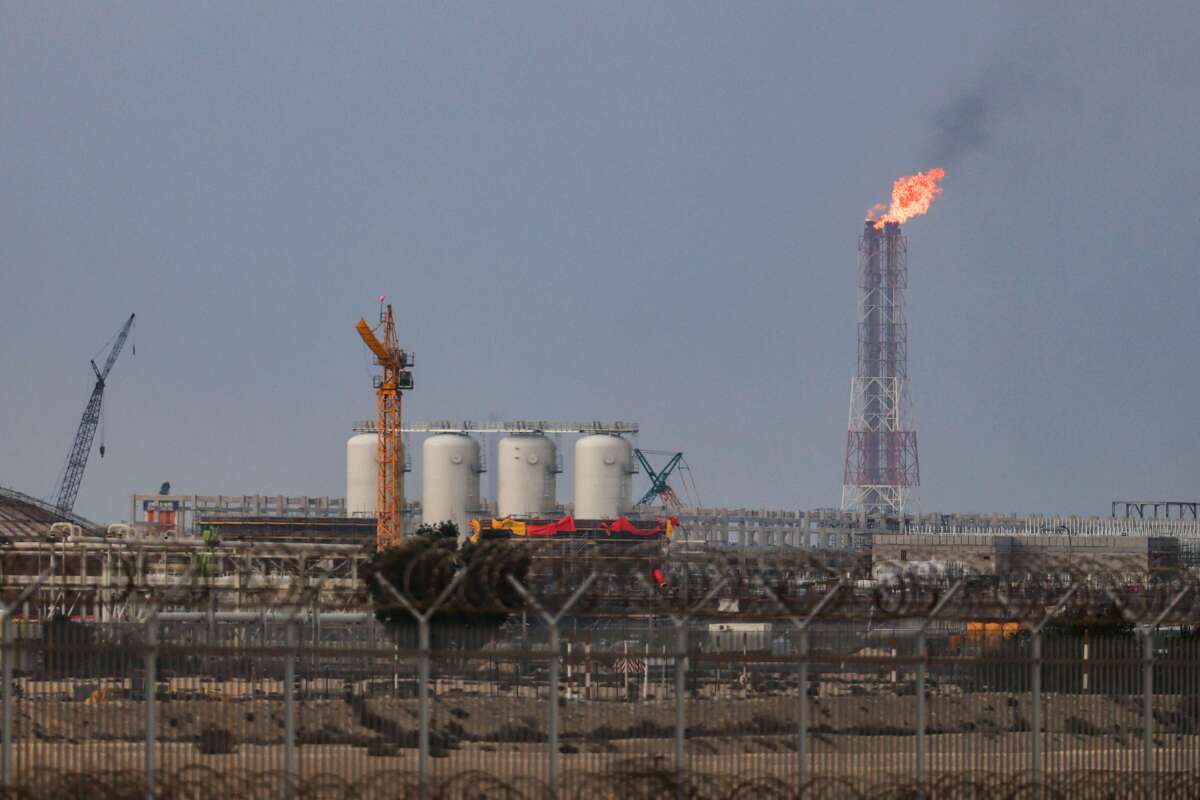
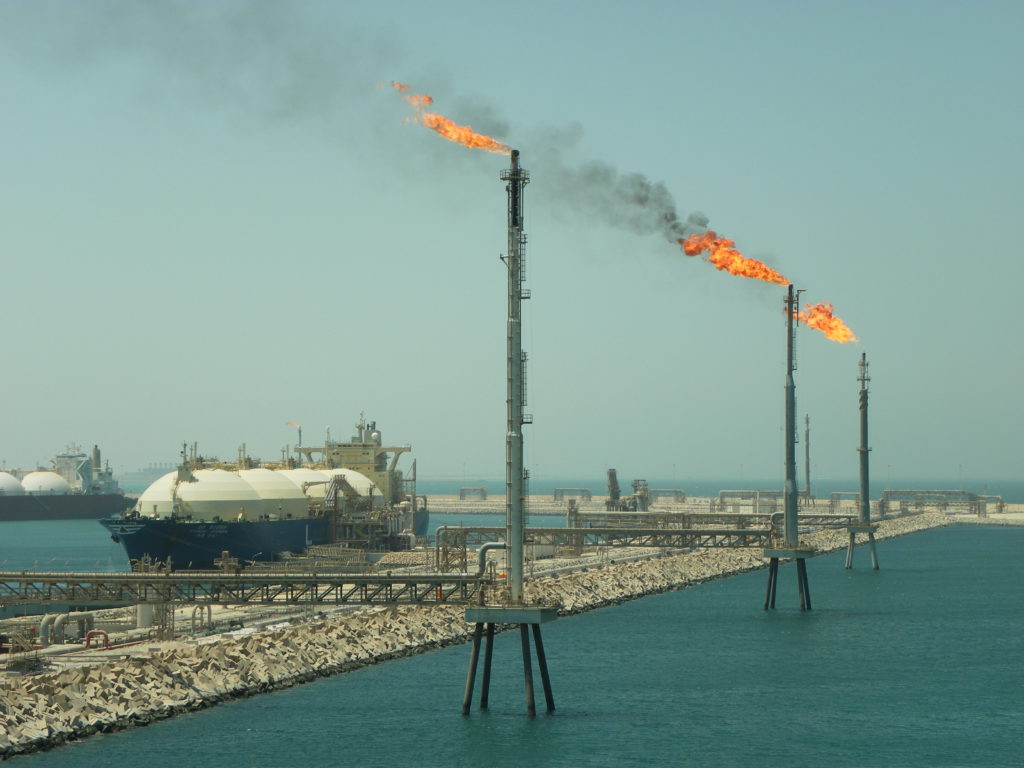
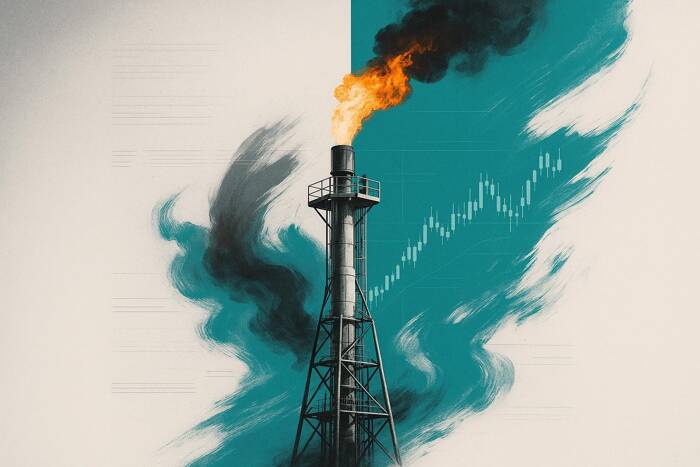
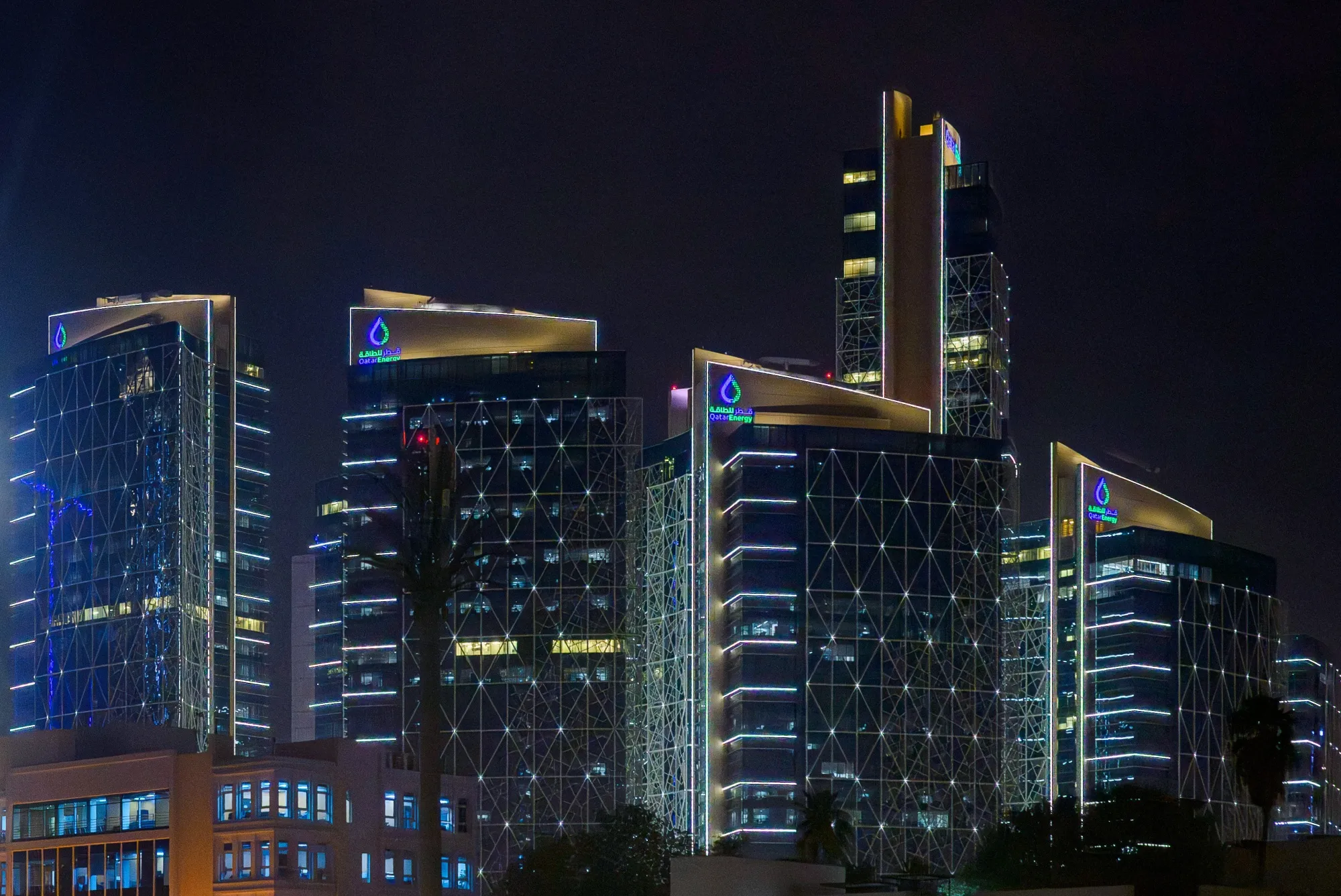
The Critical Supply Chain Disruption: On March 3-4, 2026, QatarEnergy declared force majeure following Iranian drone strikes on Ras Laffan Industrial City and Mesaieed facilities, halting all liquefied natural gas (LNG) production. This represents the most significant energy supply disruption since Russia's 2022 pipeline cutoff to Europe. Qatar supplies approximately 20% of global LNG exports, with over 80% of shipments destined for Asia-Pacific markets (China, Japan, India, South Korea, Pakistan) and Europe. The facility will remain offline for a minimum of 2 weeks before restart attempts, followed by an additional 2-week ramp-up period to full capacity—creating a 4-week minimum supply gap affecting 1.88 million cubic meters of storage capacity.
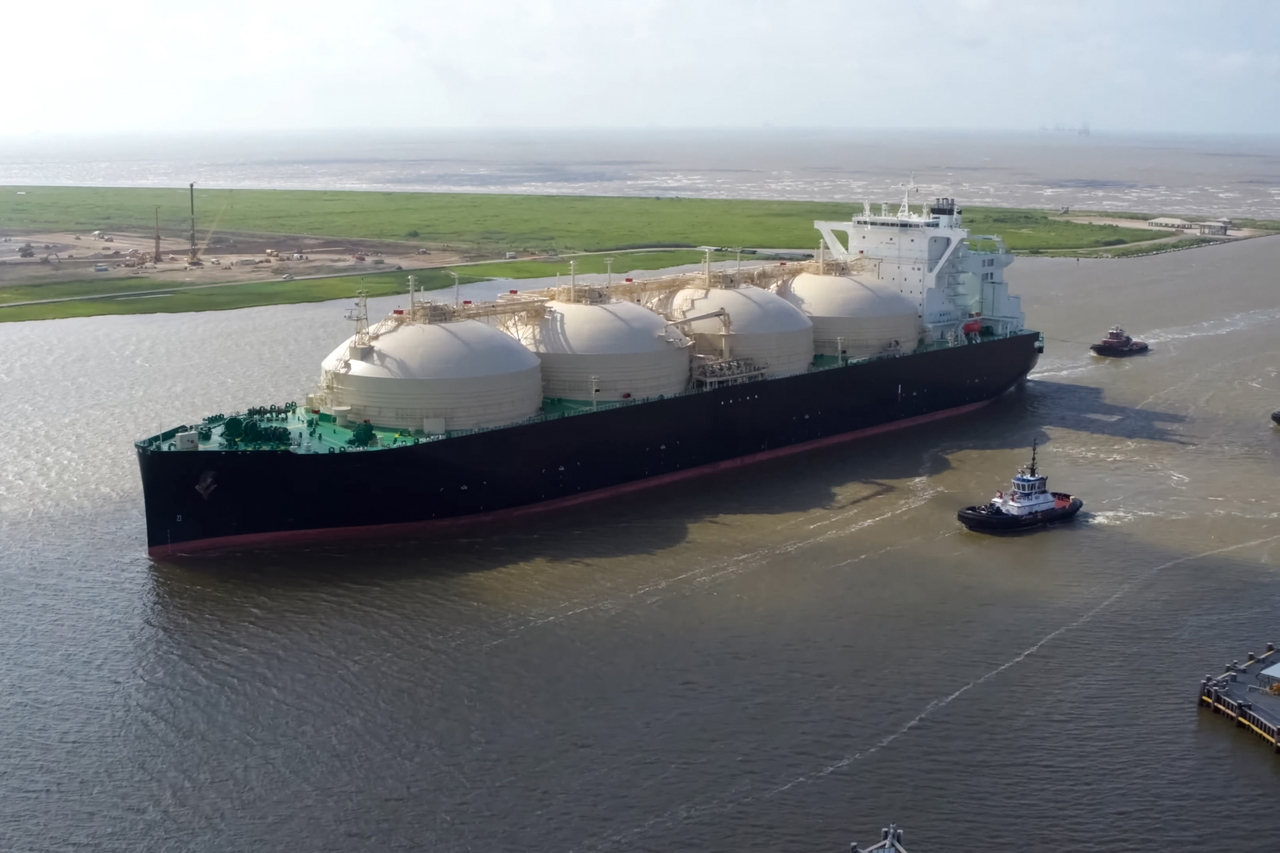
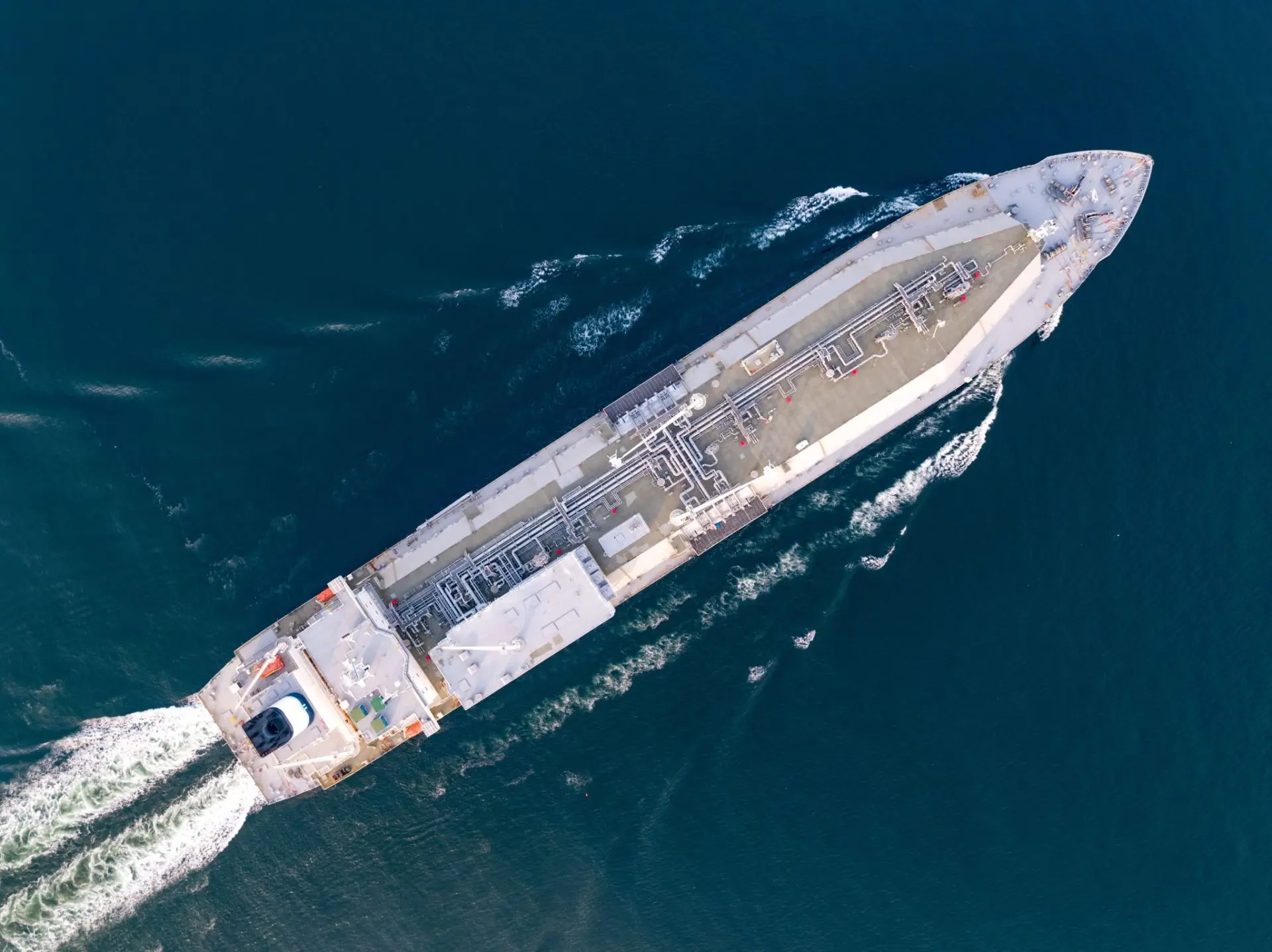
Immediate Market Impact on Cross-Border Sellers: Energy analyst Saul Kavonic from MST Marquee warns this disruption could exceed the 2022 Russian pipeline crisis, potentially retesting record-high gas prices. Asian LNG benchmarks have already surged 91% while European benchmarks climbed 44% since March 2, 2026. This energy cost explosion directly translates to elevated logistics expenses for cross-border e-commerce sellers. Shipping rates from Asia to Europe have reached multi-year highs due to intensified competition between Atlantic and Pacific LNG basins. The U.S., world's largest LNG producer, lacks sufficient spare capacity to offset lost Qatari supply—facilities operate near full capacity with most cargoes committed to long-term contracts. Western energy companies (Shell, TotalEnergies, ExxonMobil, Cheniere) operating eight U.S. LNG terminals are positioned as primary alternative suppliers, but cannot immediately scale production to fill the 20% global supply gap.
Seller Segment Impact Analysis: Energy-intensive manufacturing categories face the most acute pressure. Chemical suppliers, industrial equipment manufacturers, and companies with significant shipping requirements will experience 8-15% logistics cost increases through Q2 2026. Cold-chain sellers (perishables, pharmaceuticals, temperature-controlled goods) face compounded costs from both energy-intensive refrigeration and elevated freight rates. Sellers sourcing products from Middle East suppliers encounter dual pressures: elevated procurement costs from energy-intensive manufacturing plus extended transit times through the Strait of Hormuz, where Iran has imposed shipping restrictions. The force majeure declaration creates contractual uncertainty—sellers with energy supply agreements face potential service disruptions and cost escalations without contractual recourse. Warehousing and fulfillment center operators reliant on natural gas for power generation will see operational expense increases of 12-20% if energy prices remain elevated through Q2. The disruption particularly impacts sellers with Asia-to-Europe shipping corridors, where freight costs have reached multi-year highs due to LNG basin competition intensification.
Strategic Sourcing Implications: Qatar's reputational damage as the "safest gas supplier" creates long-term supply chain diversification opportunities. Energy-dependent nations and companies are reassessing supplier bases, accelerating investments in alternative LNG sources from Australia, the United States, and other suppliers. This signals a structural shift in global energy sourcing that will reshape logistics costs for 12-24 months. Sellers should anticipate sustained elevated energy costs through Q2 2026 minimum, with potential extension if facility repairs exceed the 4-week timeline. The Strait of Hormuz shipping restrictions compound transit time uncertainty—goods moving between Asia and Europe may experience 5-10 day delays, requiring inventory management adjustments and safety stock increases.
Questions 7
Which seller categories are most vulnerable to this energy crisis?
Cold-chain sellers (perishables, pharmaceuticals, temperature-controlled goods) face the highest vulnerability due to compounded energy costs from refrigeration plus elevated freight rates. Chemical suppliers and industrial equipment manufacturers experience 12-20% cost increases from energy-intensive production processes. Sellers with significant Asia-to-Europe shipping volumes face multi-year high freight rates due to intensified Atlantic-Pacific LNG basin competition. Fulfillment center operators reliant on natural gas for power generation will see operational expenses increase 12-20% if energy prices remain elevated. Sellers sourcing from Middle East suppliers encounter dual pressures: elevated procurement costs plus extended transit times through the Strait of Hormuz.
How much will my shipping costs increase from the Qatar LNG shutdown?
Cross-border sellers should expect 8-15% logistics cost increases through Q2 2026, with Asian-to-European routes experiencing the most acute pressure due to 91% LNG benchmark spikes. Energy-intensive categories (chemicals, steel, cold-chain goods) face compounded costs from both elevated freight rates and higher manufacturing expenses. Sellers with Asia-Pacific sourcing face additional delays of 5-10 days through the Strait of Hormuz due to Iranian shipping restrictions, requiring inventory buffer increases of 15-20% to maintain service levels. The disruption will persist for a minimum of 4 weeks (2 weeks offline + 2 weeks ramp-up), with potential extension if facility repairs exceed timeline estimates.