



Global 15% Tariff Takes Effect This Week | Cross-Border Seller Impact Analysis
- Increases import costs 5% from previous 10% rate; affects all international sourcing; 150-day window creates urgent inventory acceleration opportunity for China/Vietnam/India suppliers


























Overview
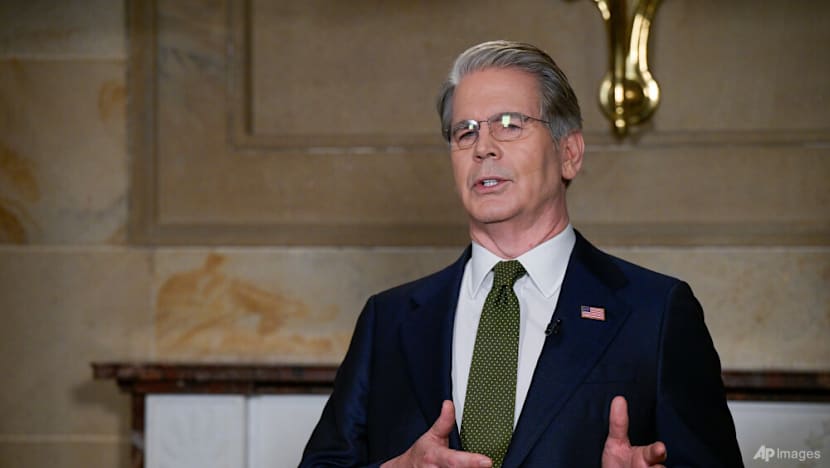
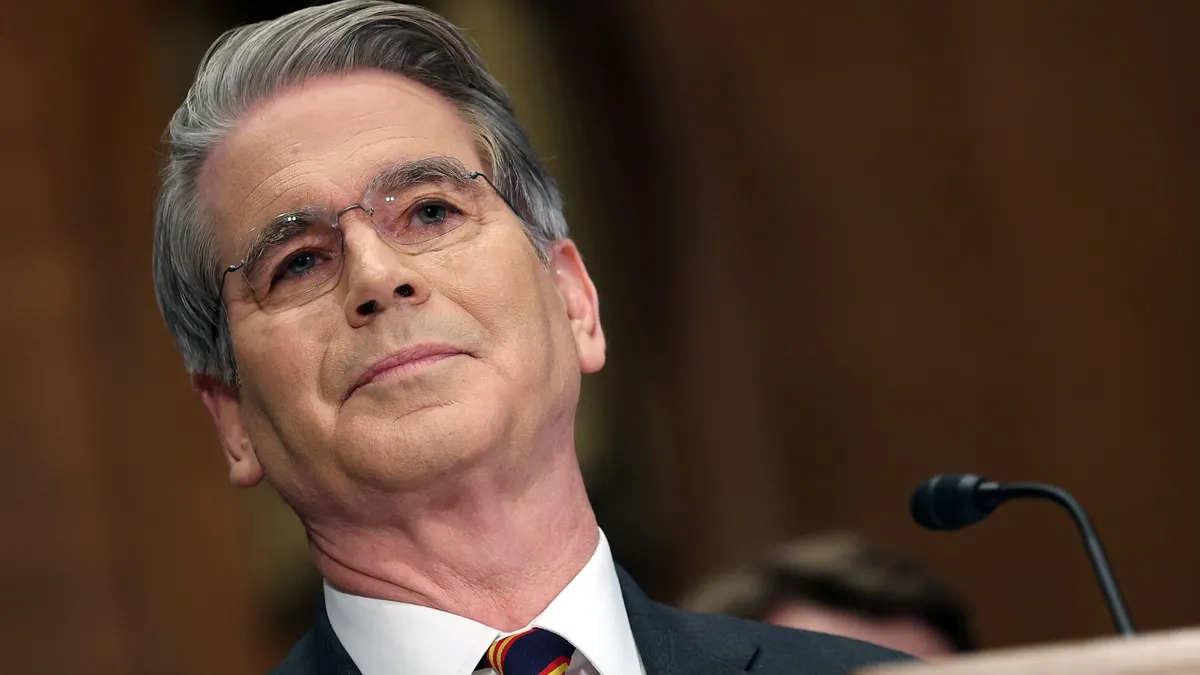
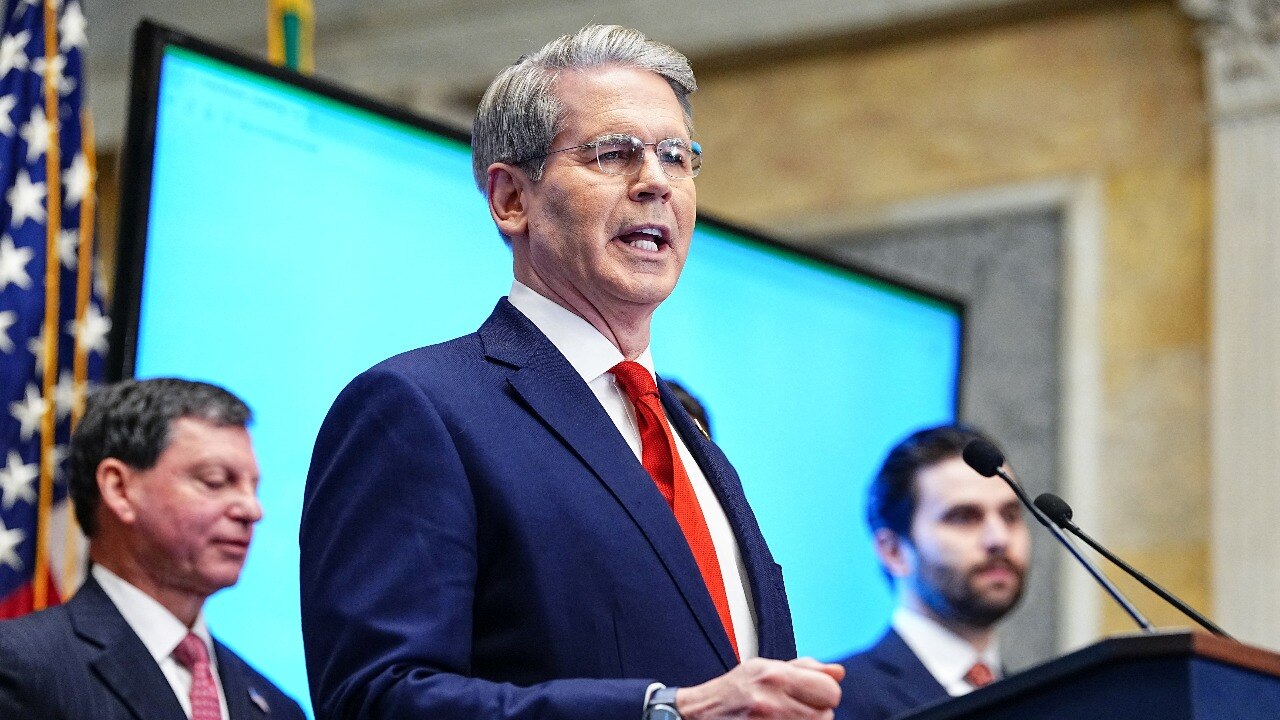
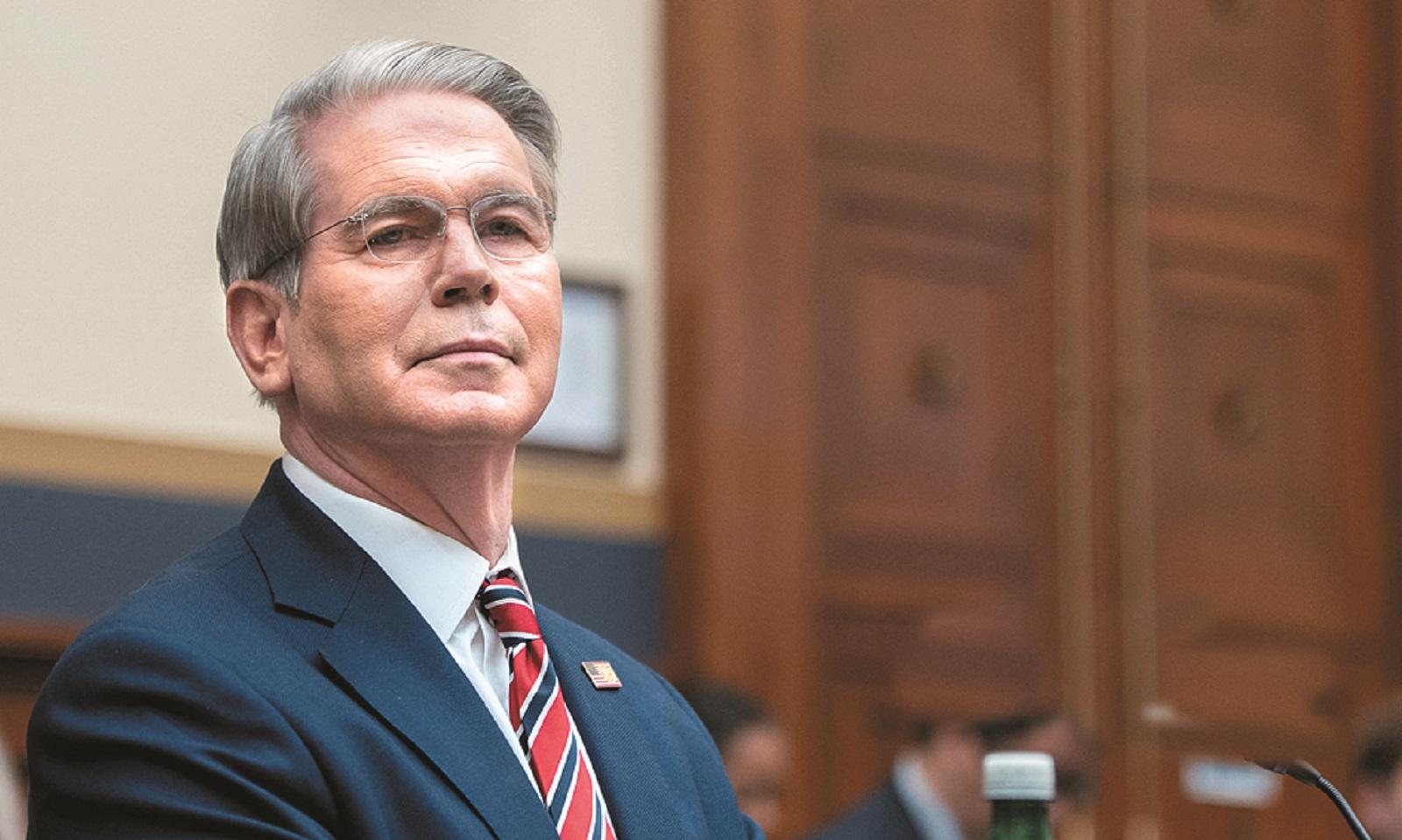
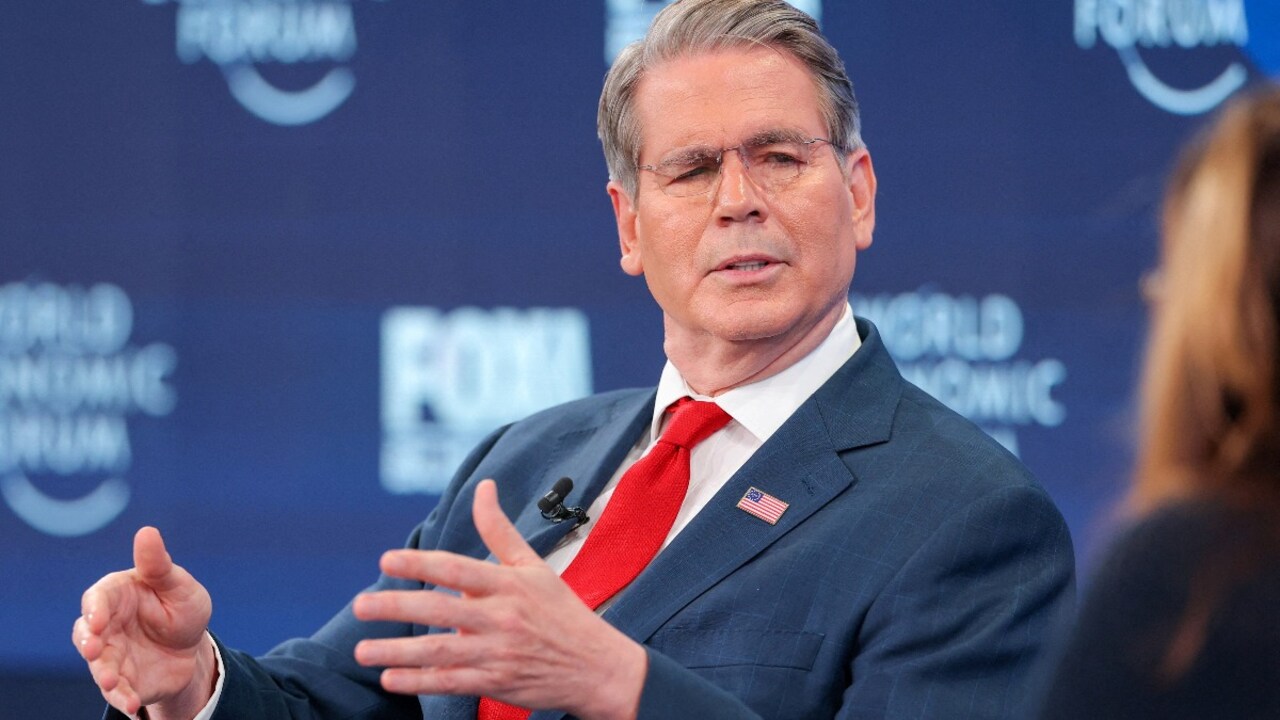
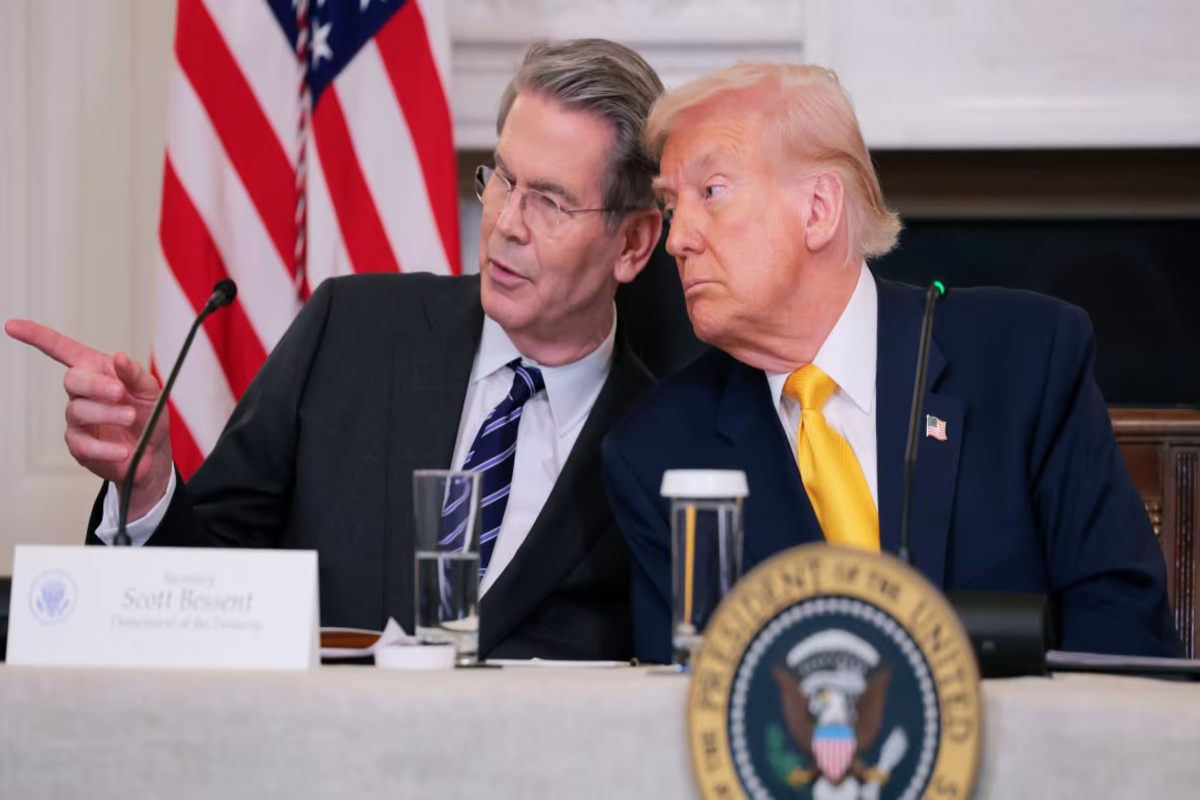
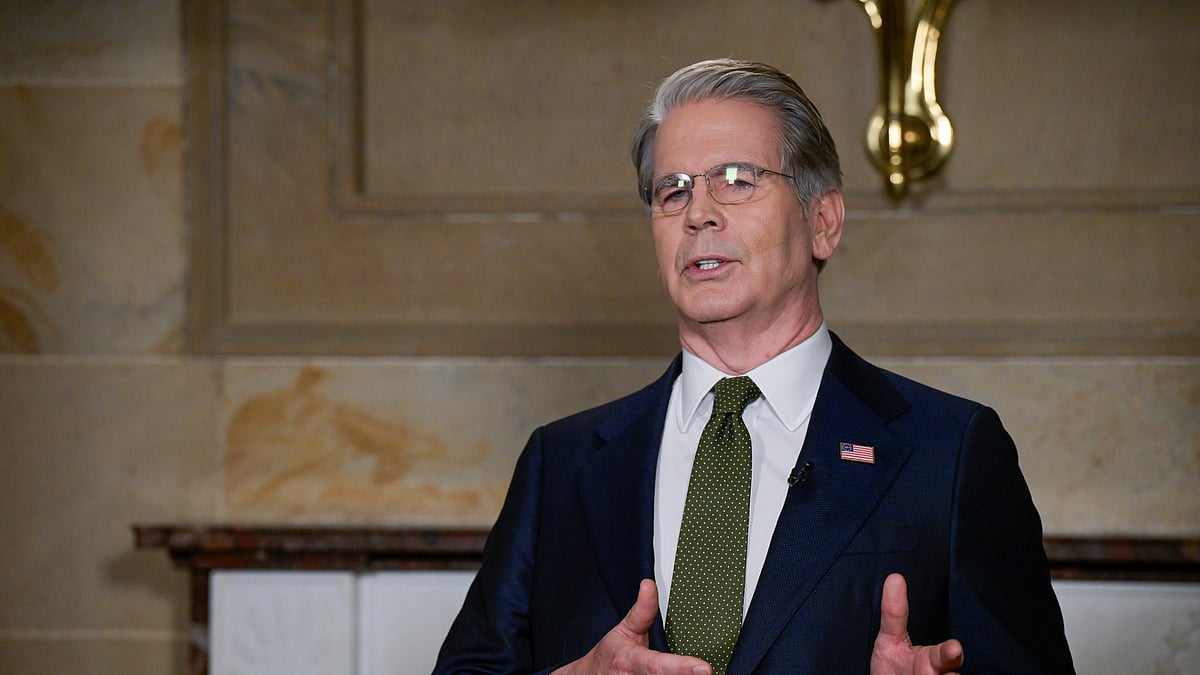
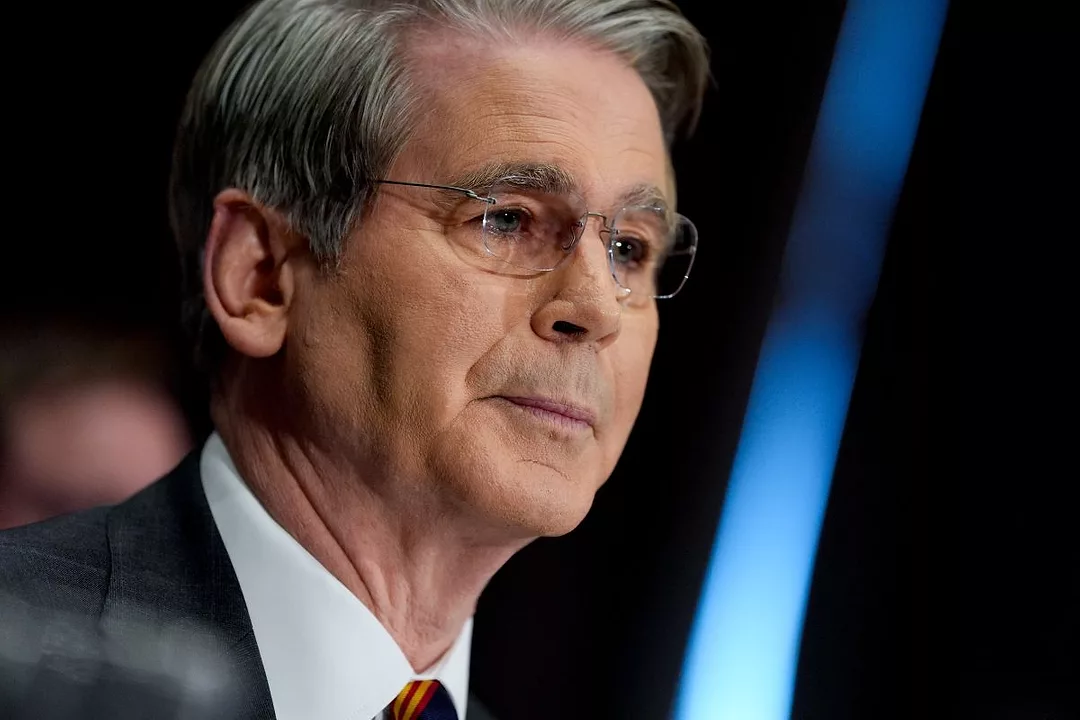
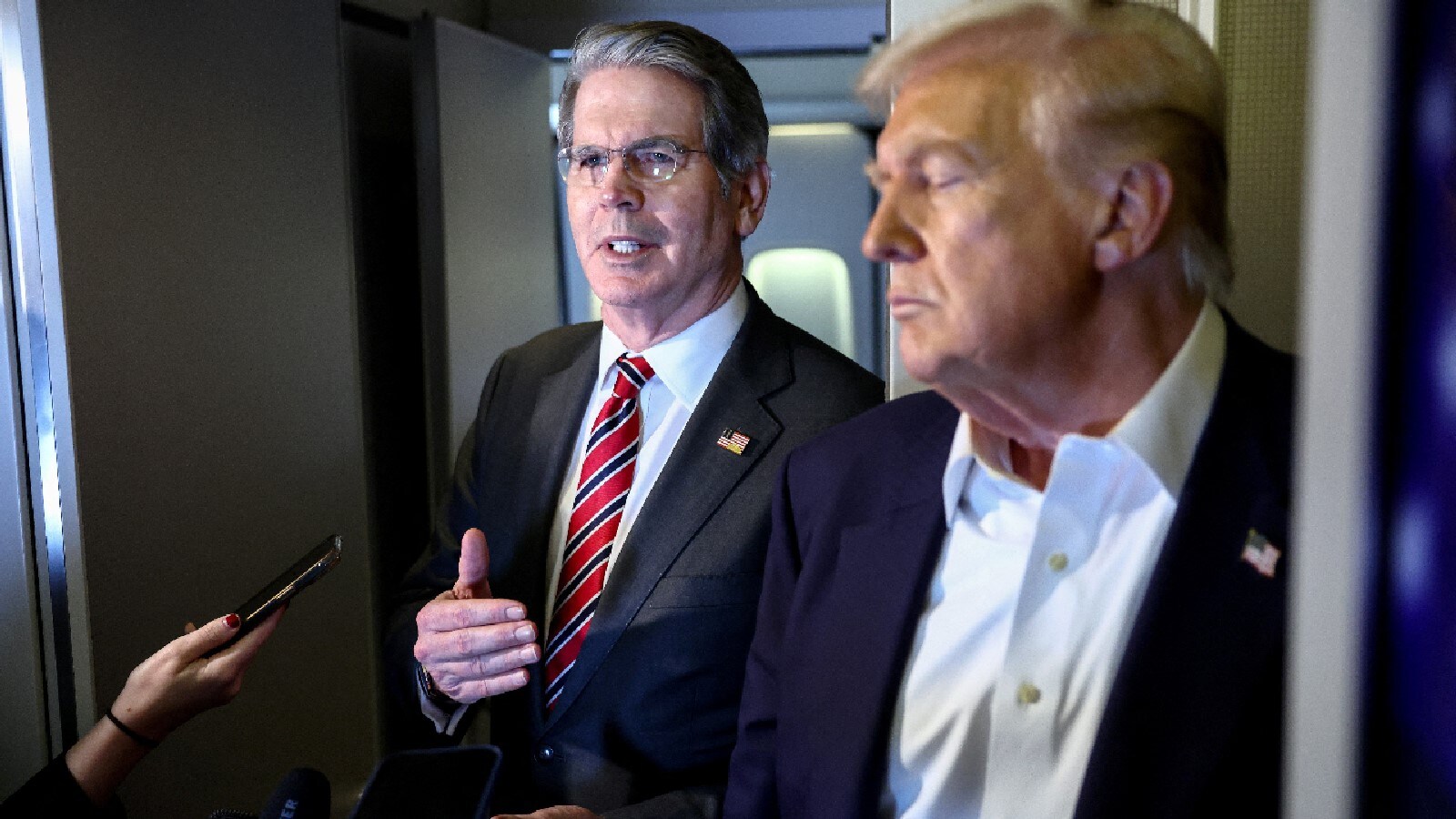
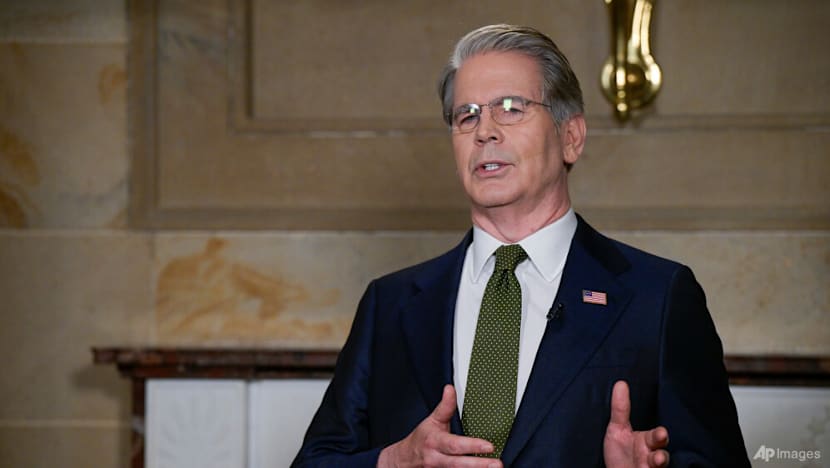
Treasury Secretary Scott Bessent confirmed that the U.S. global 15% tariff will be implemented this week, escalating from the current 10% rate and fundamentally reshaping cross-border e-commerce economics. This policy shift follows the Supreme Court's February 20 ruling that invalidated Trump's previous emergency tariff authority under the International Emergency Economic Powers Act (IEEPA), forcing the administration to rely on Section 122 of the Trade Act of 1974—a more legally durable but procedurally complex authority. The new 15% global tariff applies uniformly across all countries for 150 days unless Congress extends authorization, creating a critical planning window for international sellers.
The tariff escalation directly impacts landed costs across all product categories, with differentiated country-level effects creating strategic sourcing opportunities. Sellers importing from China, Vietnam, India, and Brazil face the new 15% rate but benefit from lower rates compared to earlier 2026 tariff proposals (which ranged 10-50% under the "Liberation Day" framework). Conversely, importers from Britain and Australia face rates higher than previously negotiated bilateral agreements, effectively penalizing these supply chains. For a typical seller importing $100,000 monthly in goods, the 5% tariff increase translates to $5,000 additional monthly costs—requiring either 5-8% price increases, margin compression of equivalent magnitude, or strategic sourcing shifts to lower-tariff jurisdictions.
The 150-day implementation window (approximately 5 months through mid-2026) creates a time-sensitive arbitrage opportunity for inventory acceleration. Bessent's confidence that tariff rates will "return to previous levels within five months" signals potential escalation to higher permanent duties post-150-day period, when the administration plans to deploy Section 301 and Section 232 authorities for sector-specific tariffs. This creates a two-phase tariff environment: Phase 1 (current 150 days) offers relatively predictable 15% global rates; Phase 2 (post-150 days) introduces category-specific tariffs ranging potentially 20-50% based on USTR investigations currently underway. Sellers should evaluate accelerating imports during the Phase 1 window—particularly for high-margin categories vulnerable to Phase 2 increases—while the government conducts formal trade investigations that will inform permanent duty structures.
The shift from emergency powers to statutory authority fundamentally changes compliance and planning dynamics for sellers. Unlike the previous unilateral IEEPA approach, Section 122 authority requires Congressional notification and formal procedures, providing greater legal durability but slower implementation. The upcoming Section 301 and Section 232 investigations will include notice-and-comment periods allowing seller input—a procedural advantage compared to Trump's previous abrupt tariff announcements. Sellers should monitor USTR.gov for formal investigation notices in their product categories, as these investigations will determine permanent tariff rates post-150-day period. The government faces $130 billion in potential refund claims for previously invalidated tariffs, creating budget pressure that may accelerate permanent tariff implementation to offset refund obligations.
Questions 8
How much will the 15% global tariff increase my import costs compared to the previous 10% rate?
The 5% tariff increase directly adds $5,000 per $100,000 in monthly imports. For a seller importing $500,000 monthly across multiple categories, this represents $25,000 in additional monthly tariff costs. You must either absorb this cost (reducing profit margins by 5-8%), increase retail prices by 5-8% (risking competitiveness), or shift sourcing to lower-tariff jurisdictions. The impact varies by product category—electronics and apparel face the full 15% rate, while some agricultural products may have exemptions. Calculate your specific impact by multiplying current monthly import value by 0.05 to determine the cost increase.
Which product categories are most vulnerable to Phase 2 tariff increases under Section 301 and Section 232 authorities?
Section 301 investigations target 'unfair trade practices' including intellectual property theft and forced technology transfer—making electronics, software, and high-tech manufacturing vulnerable to 25-50% tariffs. Section 232 investigations target 'national security' concerns—making steel, aluminum, semiconductors, and defense-related manufacturing vulnerable to 15-25% tariffs. Consumer goods categories (apparel, footwear, home goods) imported primarily from China face elevated Phase 2 tariff risk under Section 301. Agricultural products and raw materials face lower Phase 2 risk unless they involve Chinese sourcing. Sellers should prioritize import acceleration for electronics, apparel, and footwear categories during the 150-day Phase 1 window, as these categories face the highest Phase 2 tariff escalation risk. Monitor USTR.gov investigation notices for your specific HS codes to assess Phase 2 vulnerability.