



AI Data Center Power Pledge Stabilizes E-Commerce Infrastructure Costs | Seller Opportunity
- Tech companies commit to privately fund electricity for AI data centers, protecting seller platform fees and operational costs from rising utility expenses through 2025+




































Overview
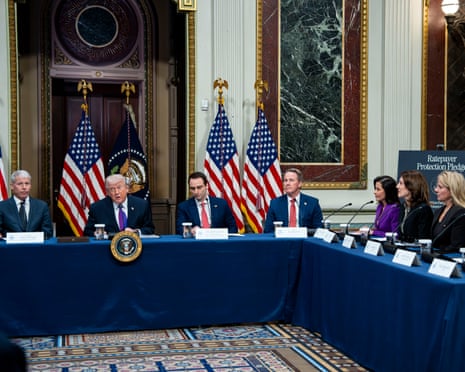
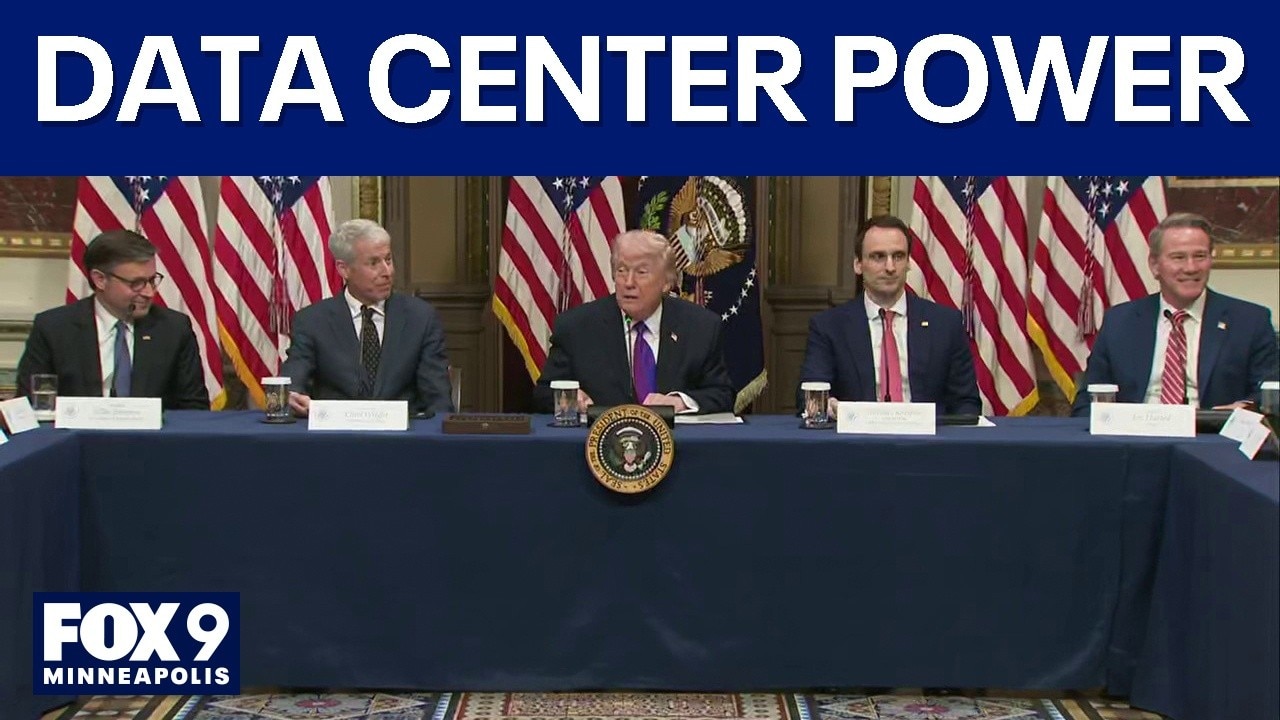
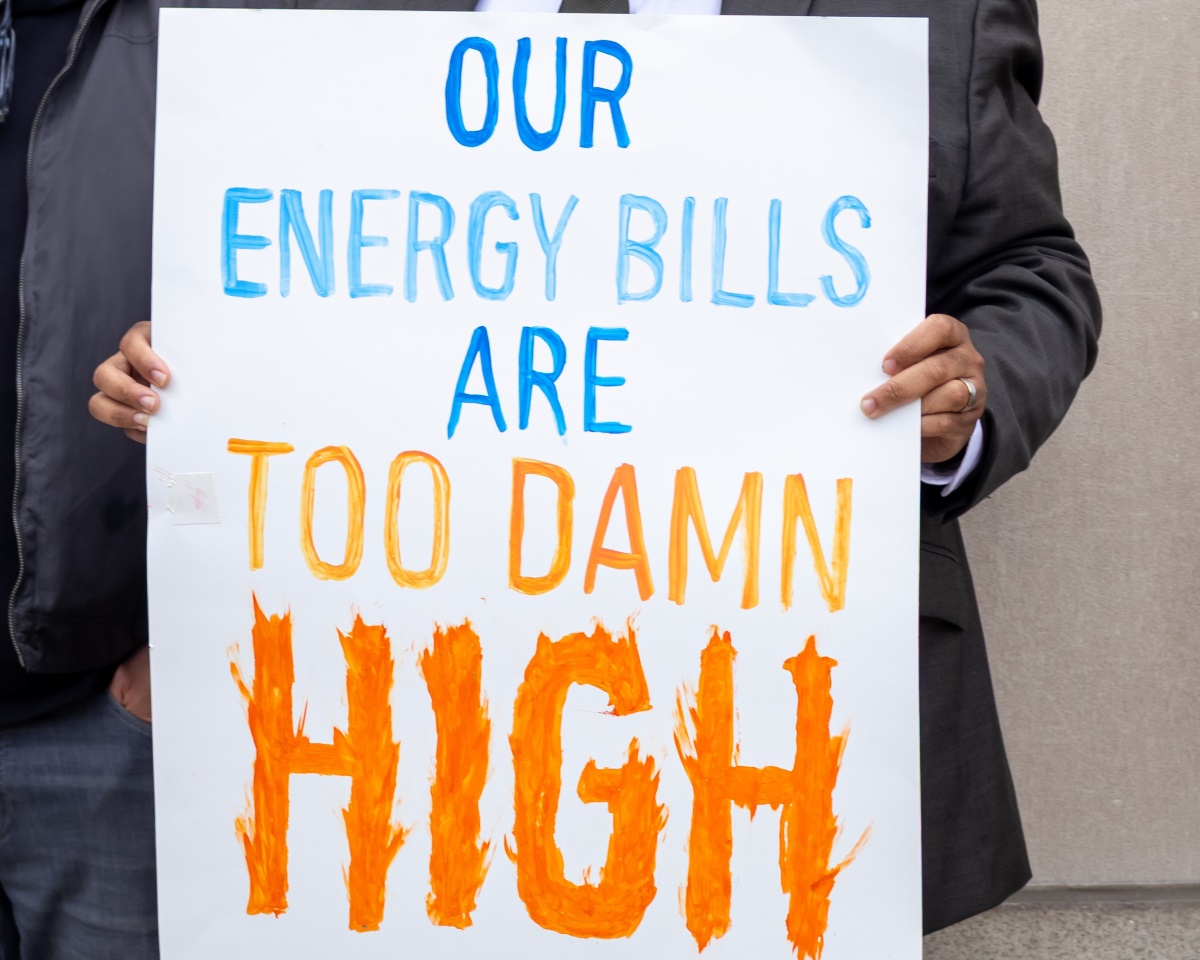
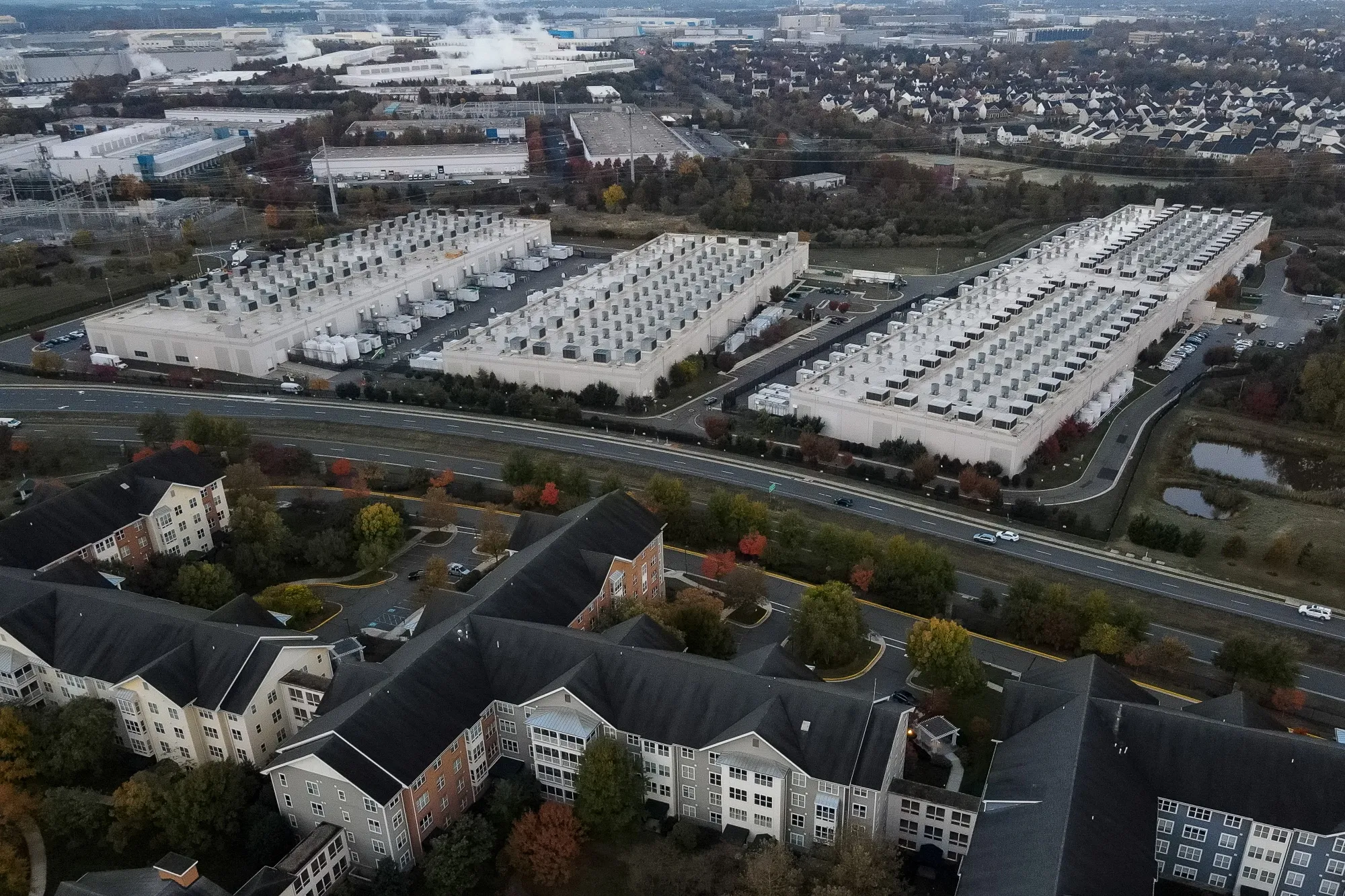
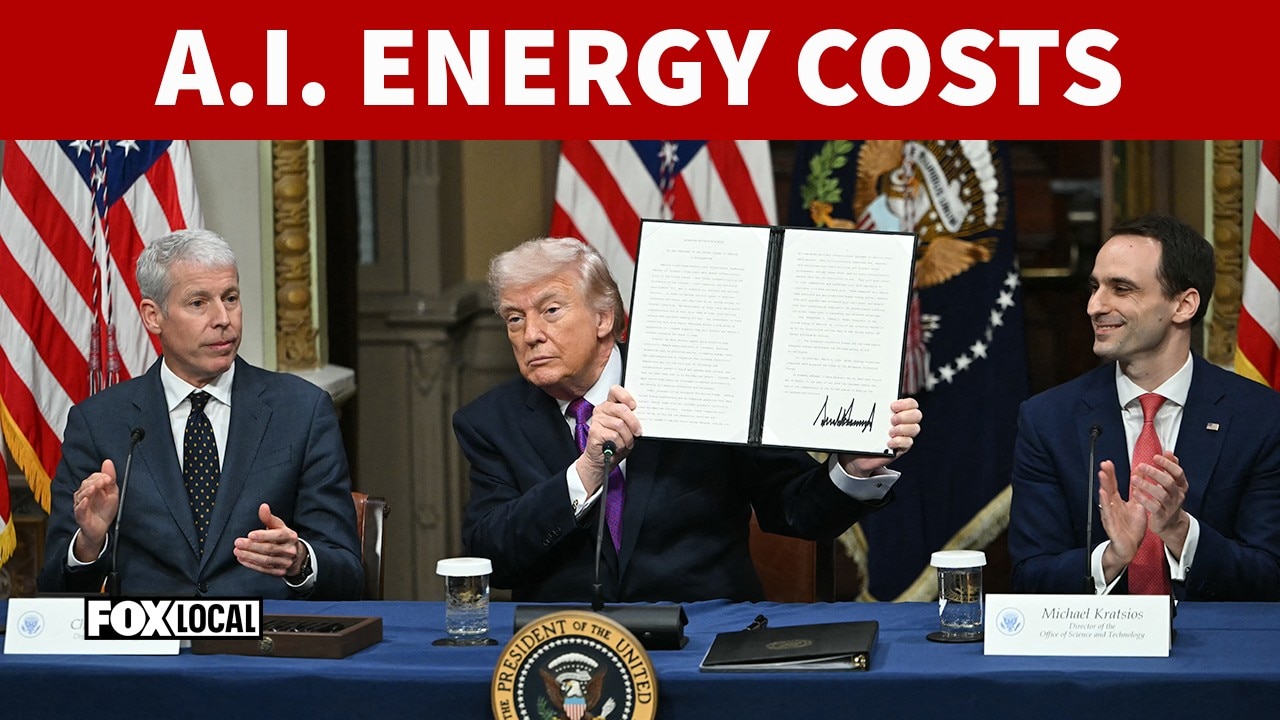
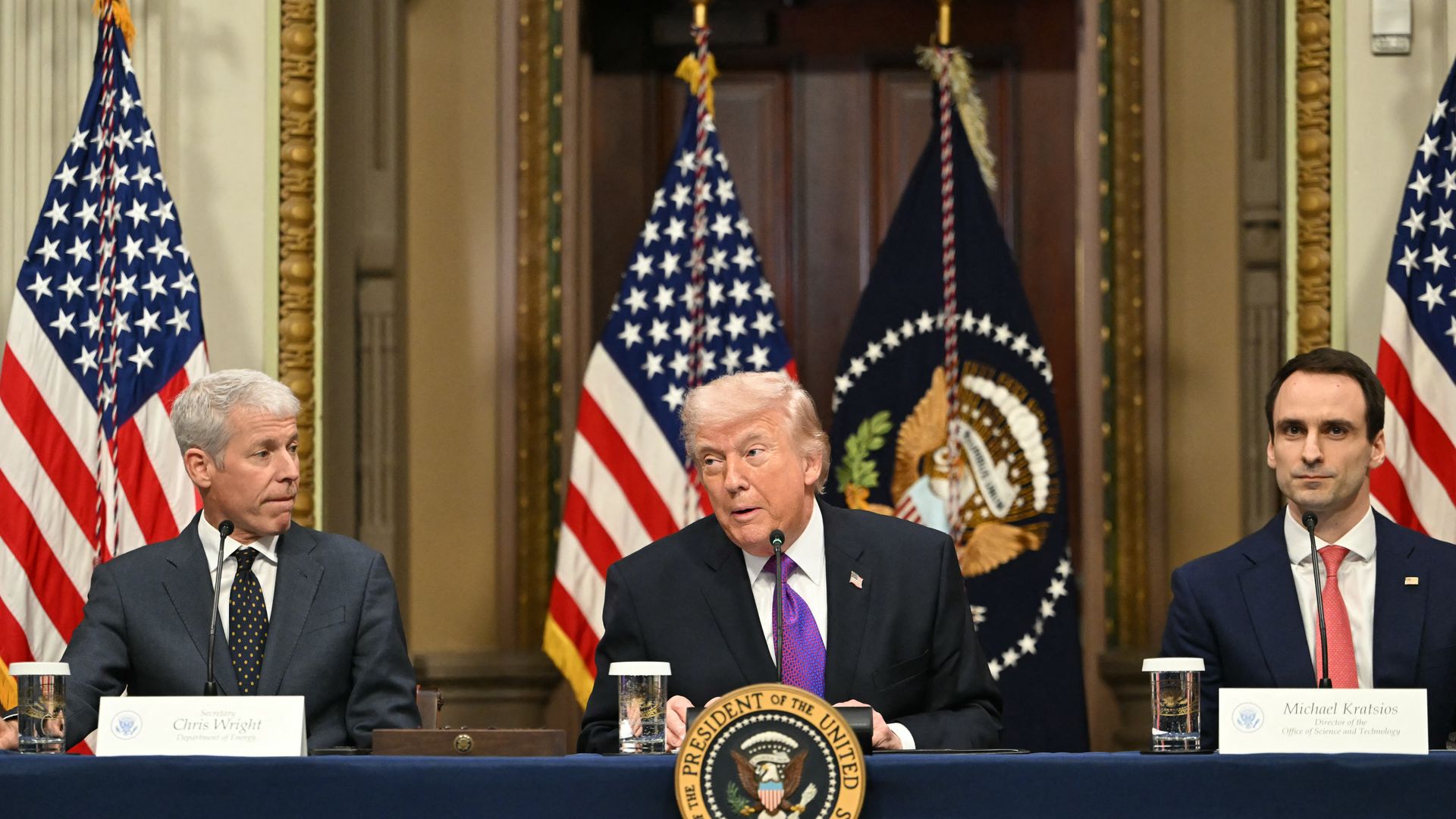
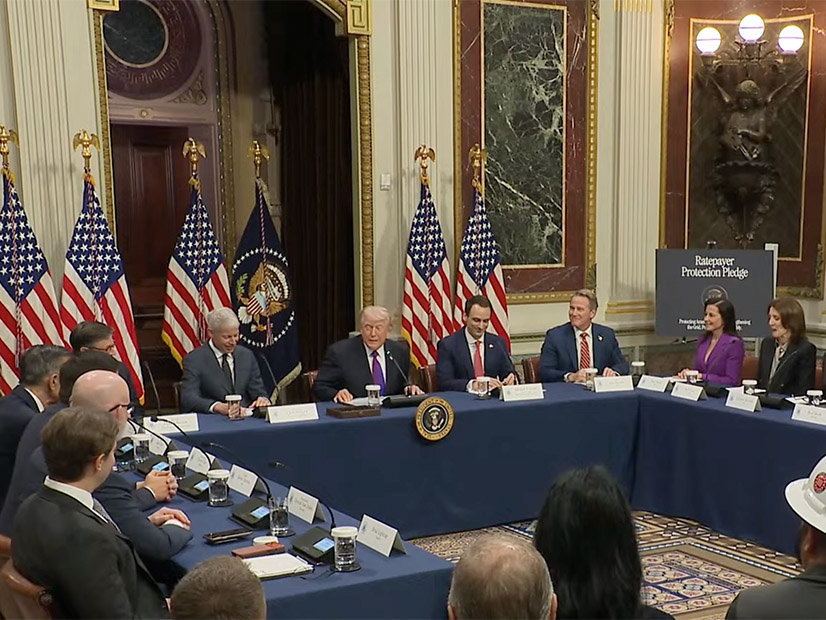
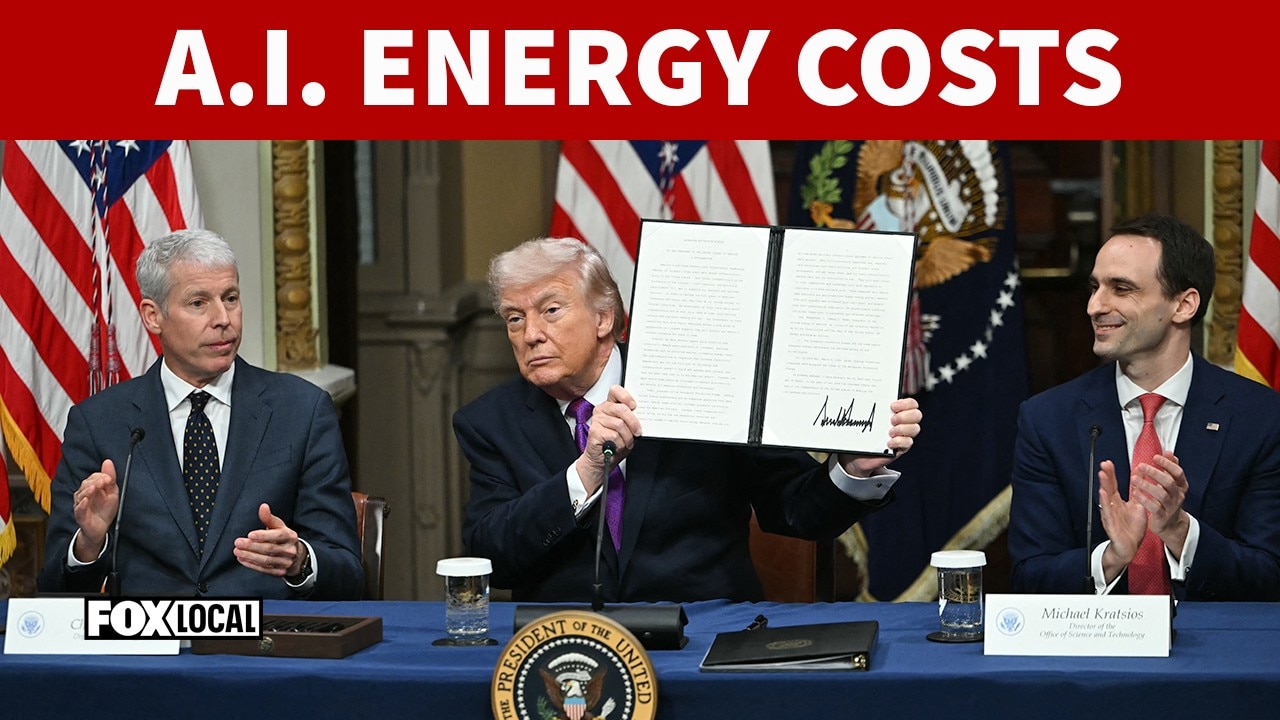
The Trump administration's historic Ratepayer Protection Pledge, signed by America's largest technology companies, represents a critical infrastructure policy shift with direct implications for e-commerce seller operational costs. The agreement commits major tech firms to fully cover electricity production costs for AI data centers by building private power plants, ensuring utility prices for American communities will not increase and may decrease substantially. This policy addresses a fundamental concern: data center electricity demand was projected to increase utility costs for consumers and businesses, which would have cascaded into higher fees for e-commerce platforms like Amazon Web Services (AWS), Shopify, and payment processors that sellers depend upon.
For cross-border e-commerce sellers, this development provides significant cost protection. Data center infrastructure directly supports critical seller operations: cloud-based inventory management systems, real-time analytics platforms, payment processing networks, and logistics coordination systems. Rising electricity costs would have increased operational expenses for these foundational services, potentially translating to 3-8% increases in seller fees across major platforms within 12-24 months. The Ratepayer Protection Pledge essentially freezes this cost escalation by shifting infrastructure investment responsibility from utility companies to private tech entities. Sellers using Amazon FBA, Shopify fulfillment, or cloud-based 3PL providers will avoid the anticipated fee increases that would have compressed margins by $150-400 monthly for mid-sized sellers (500-2,000 unit monthly volume).
The policy also accelerates data center deployment in underserved regions, creating new logistics opportunities for sellers. By removing the "electricity cost barrier" that previously caused communities to reject data center projects, the pledge enables tech companies to expand infrastructure in secondary markets (Tier 2-3 cities across the US). This geographic expansion means improved fulfillment speed and reduced shipping costs for sellers targeting regional markets. Sellers can expect 1-2 day delivery improvements in previously underserved areas within 18-24 months as new data center capacity comes online. Additionally, the streamlined permitting process for power plant construction signals the administration's commitment to faster infrastructure deployment, reducing the typical 3-5 year data center buildout timeline to potentially 18-24 months.
Strategic implications for seller cost structures are substantial. The voluntary nature of the pledge (rather than regulatory mandate) suggests tech companies will absorb electricity costs without passing them to business customers, protecting seller margins during the critical 2025-2027 period when AI infrastructure expansion accelerates. However, sellers should monitor whether platforms implement "AI service surcharges" separately from standard fees—a potential loophole where companies could charge for AI-powered features (demand forecasting, pricing optimization, advertising algorithms) while keeping base fees stable. Sellers relying heavily on AI-powered seller tools should review their platform service agreements for any new AI-specific pricing tiers.
Questions 7
Should sellers adjust their platform strategy based on this electricity cost pledge?
Yes, adjust your cost projections and fee assumptions for 2025-2027. Remove anticipated 3-8% platform fee increases from your financial models, which improves margin forecasts. Second, monitor new data center announcements from AWS, Google Cloud, and Microsoft Azure to identify secondary markets receiving new infrastructure—these regions will offer improved fulfillment economics. Third, review your AI tool usage on platforms like Amazon and Shopify; if companies implement AI surcharges, evaluate whether advanced features justify the cost or if traditional analytics suffice. Finally, consider increasing inventory allocation to secondary markets where improved fulfillment speed will enhance competitiveness. The pledge creates a 18-24 month window of stable costs and improving infrastructure—use this period to optimize your operational footprint.
What timeline should sellers expect for infrastructure improvements from this pledge?
The pledge enables streamlined permitting for power plant construction, reducing typical 3-5 year buildout timelines to 18-24 months. New data center capacity should come online in secondary markets by mid-2026 through 2027. Sellers can expect initial benefits (improved regional delivery speeds, reduced shipping costs) within 18-24 months, with full infrastructure expansion completing by 2027-2028. The immediate benefit (2025-2026) is cost protection from avoided fee increases. Sellers should plan inventory positioning strategies for 2026 to capitalize on improved regional fulfillment capabilities as new data centers activate. Set calendar reminders for Q3 2025 to review fulfillment network changes announced by major platforms.