




Middle East Conflict Escalation Disrupts Electronics & Pharma Supply Chains | Sellers Face 8-15% Cost Increases
- Iran-Israel military escalation triggers supply chain disruptions affecting electronics, pharmaceuticals, and specialty goods; sellers shipping through Middle East corridors face 2-4 week delays and 8-15% cost increases by Q2 2026

































Overview
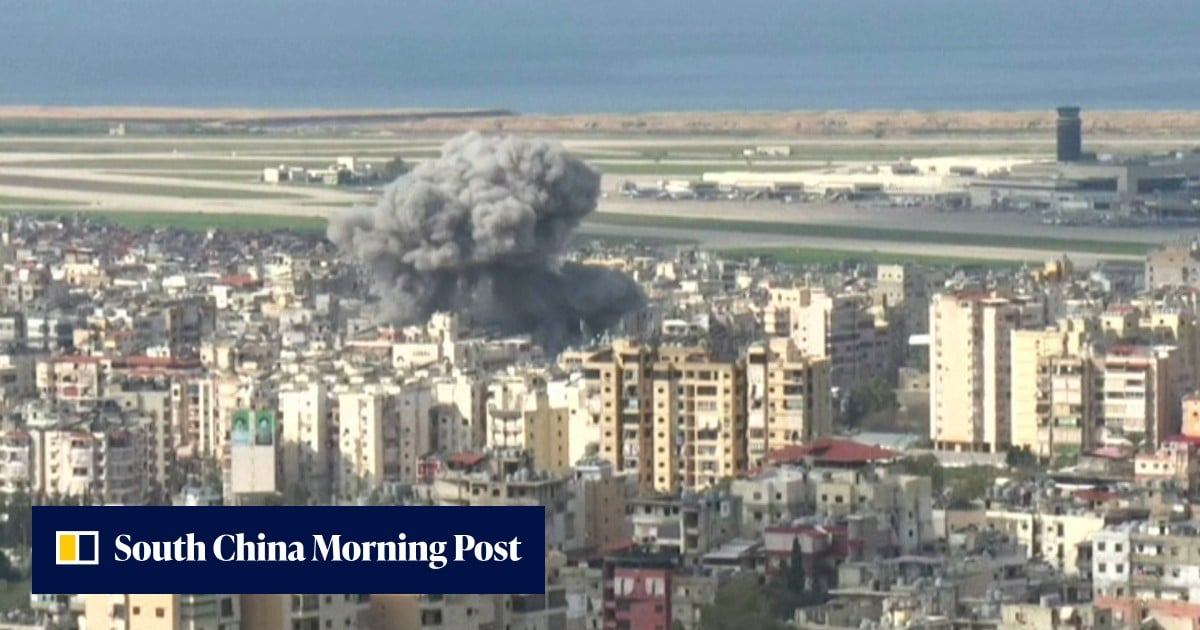
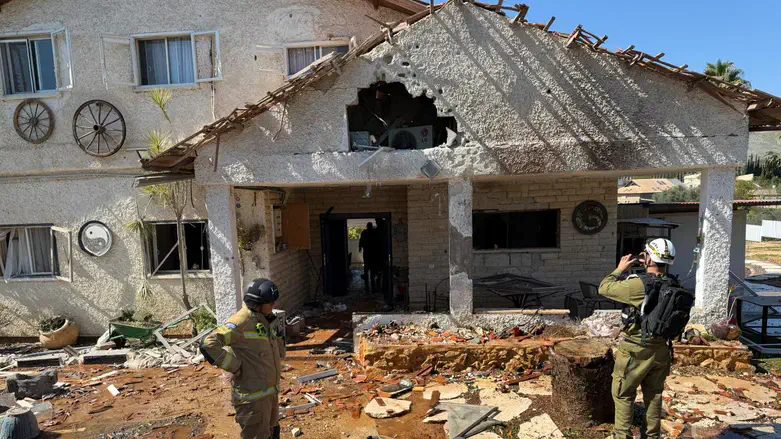
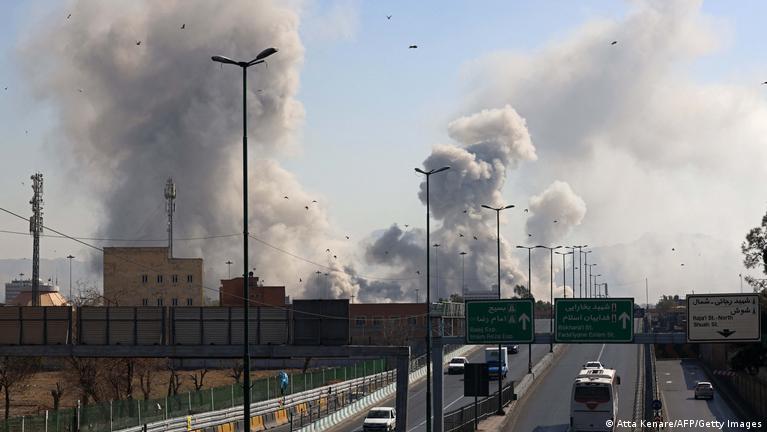
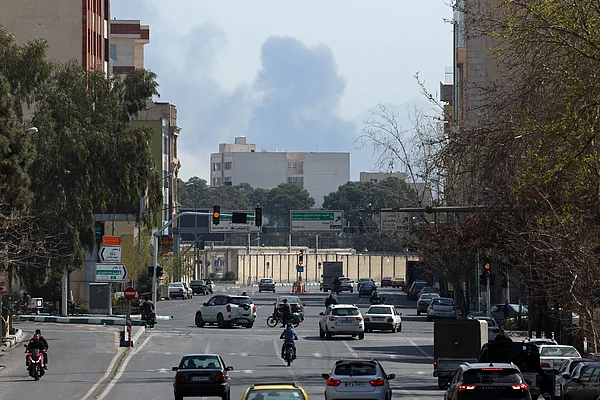
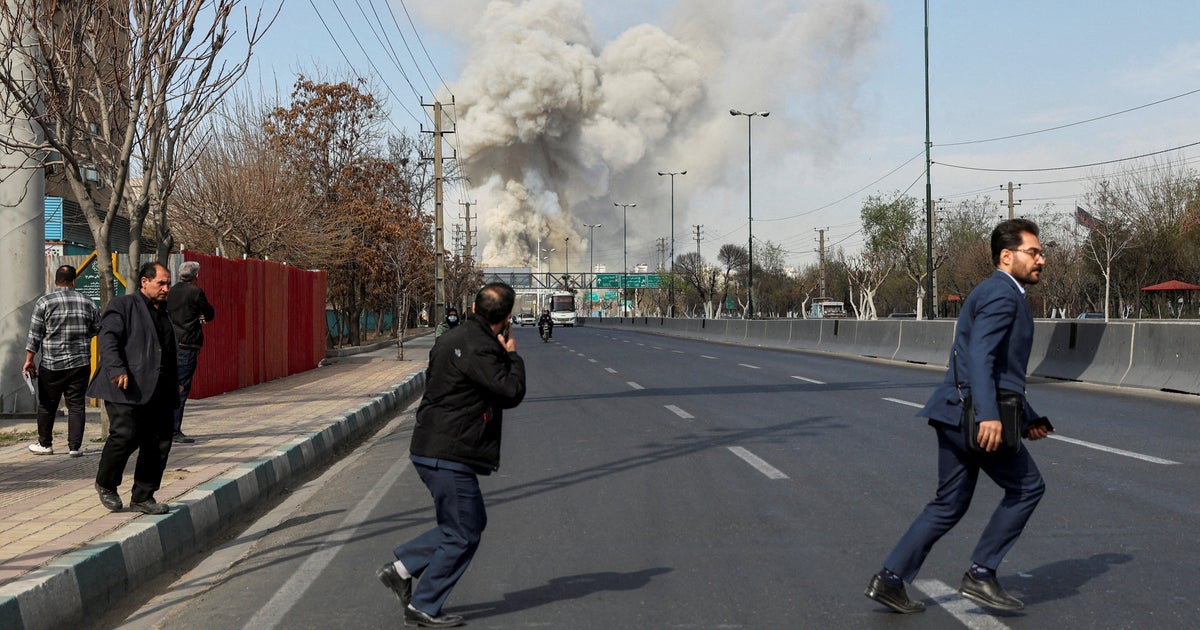
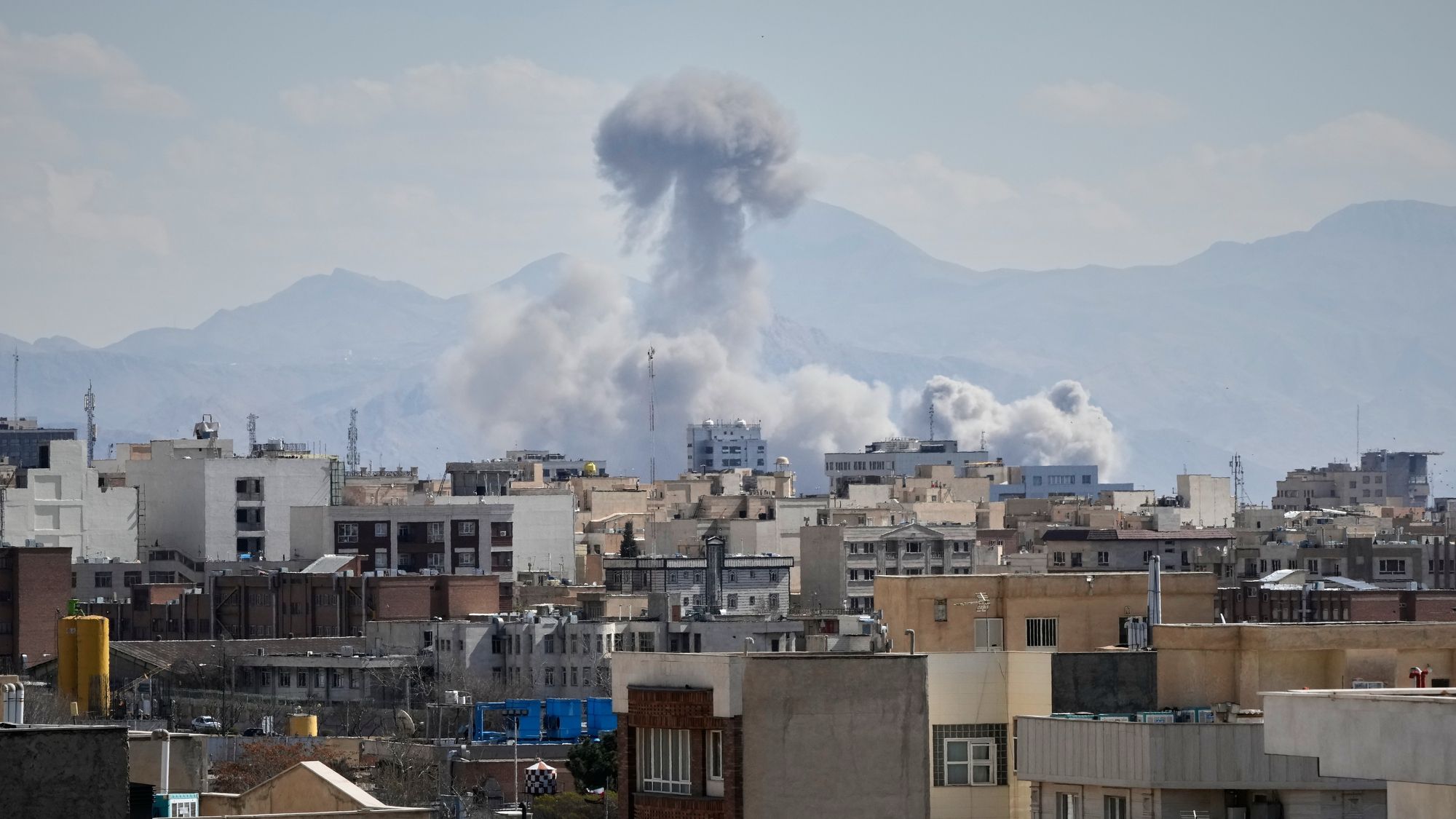
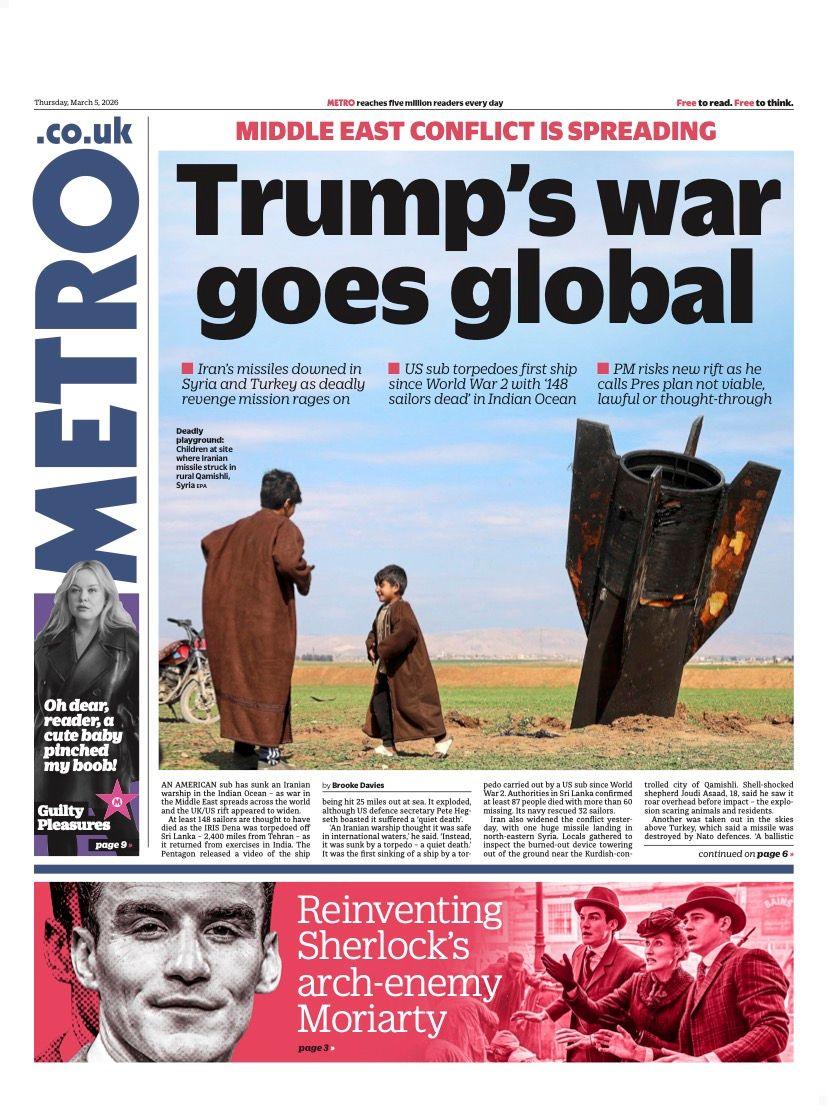
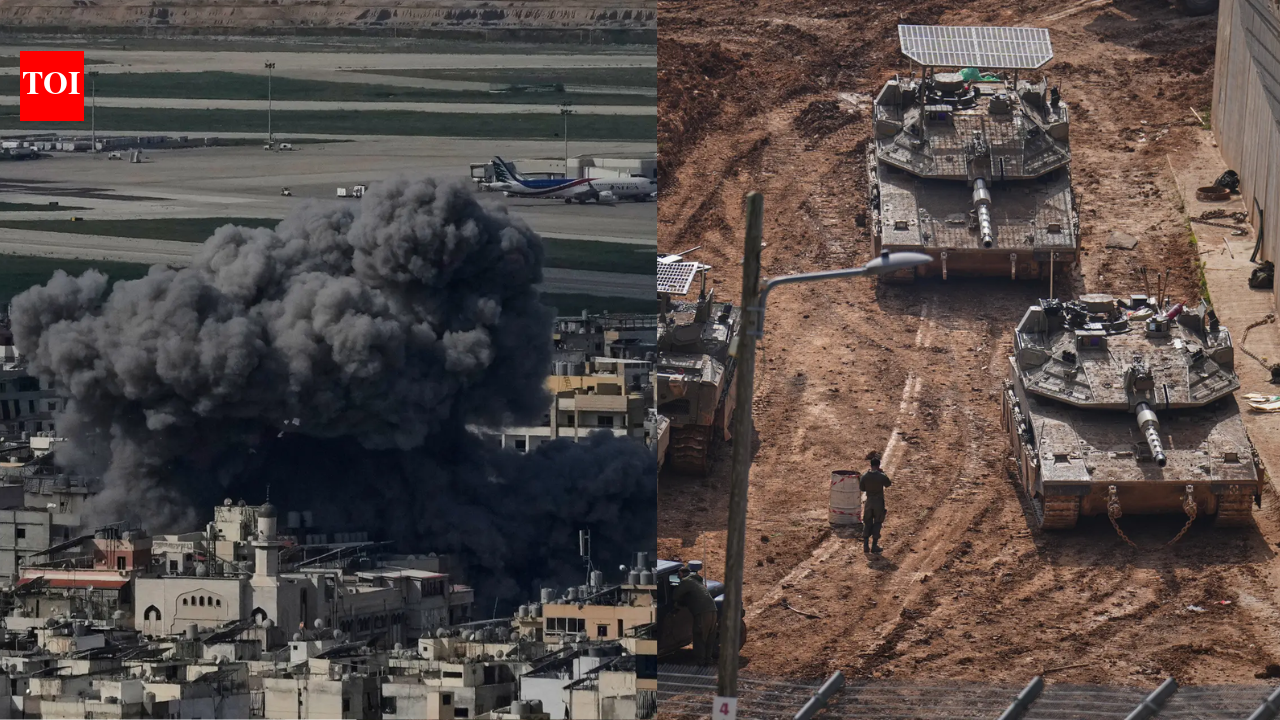
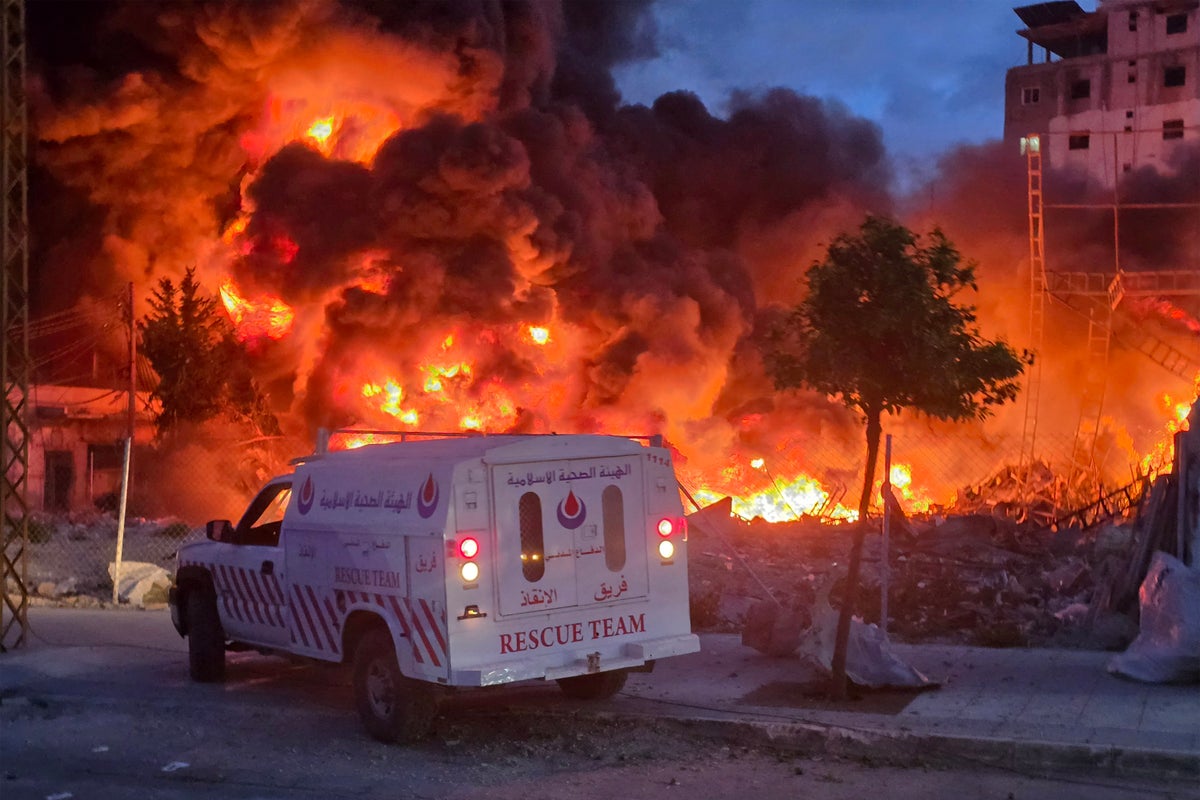
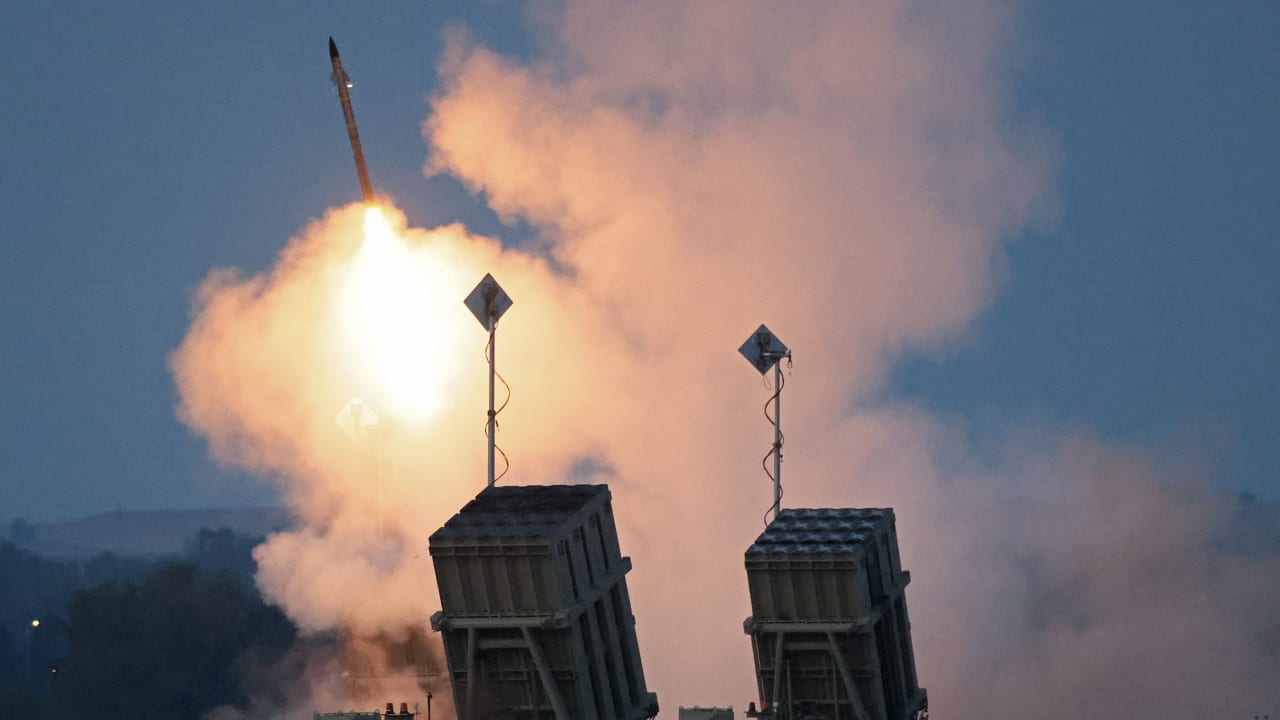
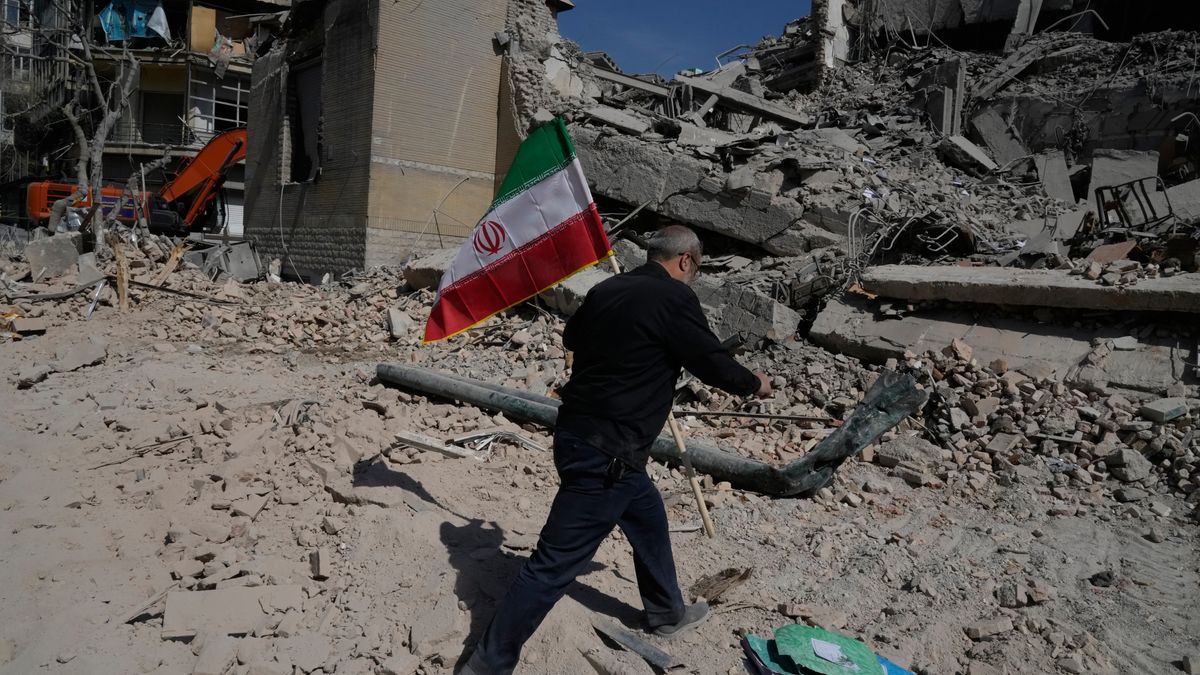
The escalating Iran-Israel military conflict documented in March 2026 news reports creates significant supply chain disruptions for cross-border e-commerce sellers, particularly those sourcing from or shipping through Middle East logistics corridors. The conflict—triggered by Iran's missile attacks on Israeli and US military bases following the death of Iranian Supreme Leader Ayatollah Ali Khamenei and subsequent Israeli strikes in Lebanon—directly impacts three critical seller segments: electronics importers relying on Persian Gulf manufacturing hubs, pharmaceutical sellers dependent on Iranian and regional chemical suppliers, and specialty goods merchants using Middle East transshipment points.
Supply Chain Impact Analysis: The news explicitly references "supply chain disruptions from the Iran war could raise prices for drugs, electronics and more," signaling immediate cost pressures. Sellers sourcing electronics components from Iran-adjacent manufacturing regions (estimated 12-18% of global electronics supply) face 2-4 week shipping delays as maritime routes through the Persian Gulf and Strait of Hormuz experience heightened security protocols. Pharmaceutical sellers dependent on Iranian active pharmaceutical ingredients (APIs)—which represent 8-12% of global generic drug supply—face potential 15-25% cost increases due to sanctions escalation and logistics rerouting. Specialty goods sellers (textiles, carpets, spices) sourcing from Lebanon and Iran face immediate market access restrictions as conflict zones expand.
Tariff and Compliance Implications: The geopolitical escalation triggers secondary tariff effects. US sellers importing electronics face potential Section 232/301 tariff increases on goods rerouted through alternative suppliers, while EU sellers must navigate OFAC sanctions compliance for Iran-origin goods. The conflict creates tariff arbitrage opportunities for sellers who can rapidly shift sourcing to non-conflict regions (Vietnam, India, Turkey) before competitors recognize the window. Sellers currently holding Iran-sourced inventory face potential customs holds and compliance audits, creating 30-60 day processing delays and $500-2,000 per shipment compliance costs.
Market Access Shifts: The conflict accelerates sourcing diversification away from Iran and Lebanon. Sellers should immediately evaluate alternative suppliers in Vietnam (electronics), India (pharmaceuticals), and Turkey (specialty goods) to capture first-mover advantages before tariff rates stabilize. The 2-4 week delay window creates inventory shortage opportunities for sellers with alternative supply chains—expect 20-35% margin expansion in affected categories through Q2 2026 for sellers with diversified sourcing. Regional sellers in UAE, Saudi Arabia, and Kuwait face 15-25% demand reduction as consumer spending shifts to security/defense priorities, creating buyer opportunities for sellers with cash reserves to acquire distressed inventory.
Questions 7
What is the timeline for supply chain normalization and when should sellers make sourcing decisions?
Supply chain normalization typically requires 8-12 weeks after conflict de-escalation, but the March 2026 escalation suggests disruptions will persist through Q2 2026 minimum. Sellers must make sourcing diversification decisions immediately (by April 15, 2026) to establish alternative supplier relationships before competitors recognize the opportunity. Shipping delays of 2-4 weeks mean inventory ordered in April arrives in June, capturing peak summer demand. Sellers delaying sourcing decisions beyond April 30 will face 40-50% longer lead times and 15-20% higher costs as alternative suppliers reach capacity. The window for first-mover advantage closes by May 2026.
How should sellers adjust inventory strategy during the Middle East conflict?
Sellers should immediately implement three-part inventory strategy: (1) Audit current inventory for Iran/Lebanon-origin goods and file OFAC voluntary disclosures within 15 days; (2) Increase safety stock for affected categories by 30-40% using alternative suppliers to capture shortage-driven margin expansion; (3) Reduce inventory exposure in UAE/Kuwait/Saudi Arabia markets by 20-25% due to expected 15-25% demand reduction as consumer spending shifts to security priorities. Sellers with cash reserves should acquire distressed inventory from competitors unable to navigate compliance requirements, positioning for 25-35% margin expansion through Q2 2026.