



Middle East Conflict Escalation | Critical Supply Chain & Logistics Impact for Cross-Border Sellers
- Strait of Hormuz disruption threatens 6-18 month operational delays; oil price volatility increases shipping costs 12-25%; sellers must diversify sourcing away from conflict-adjacent regions immediately




























Overview
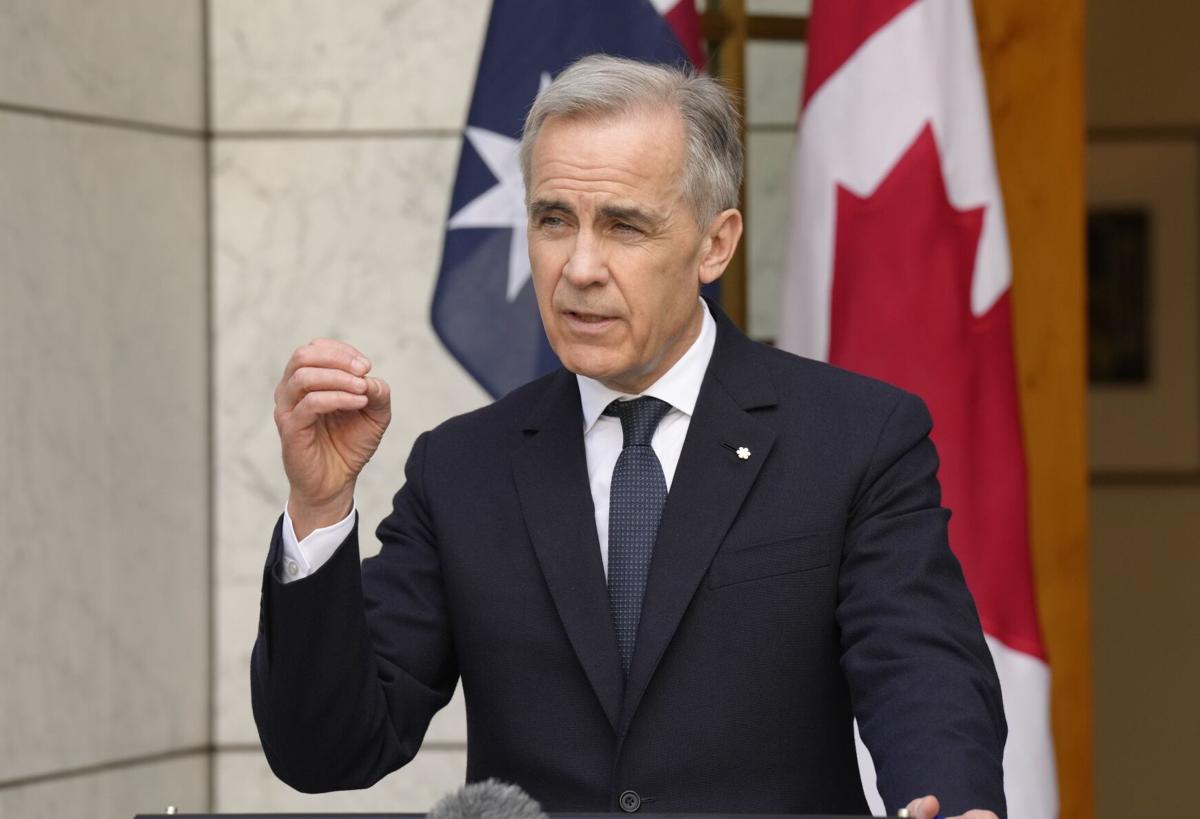
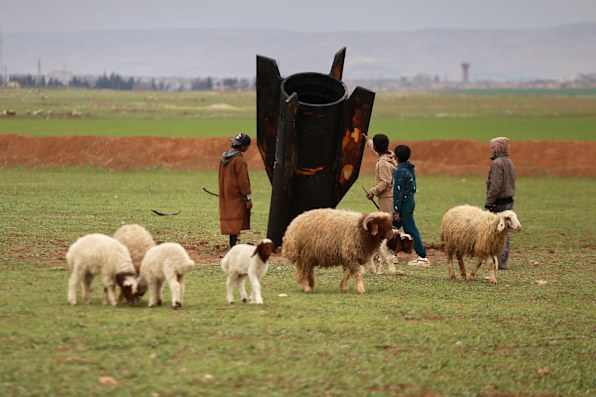
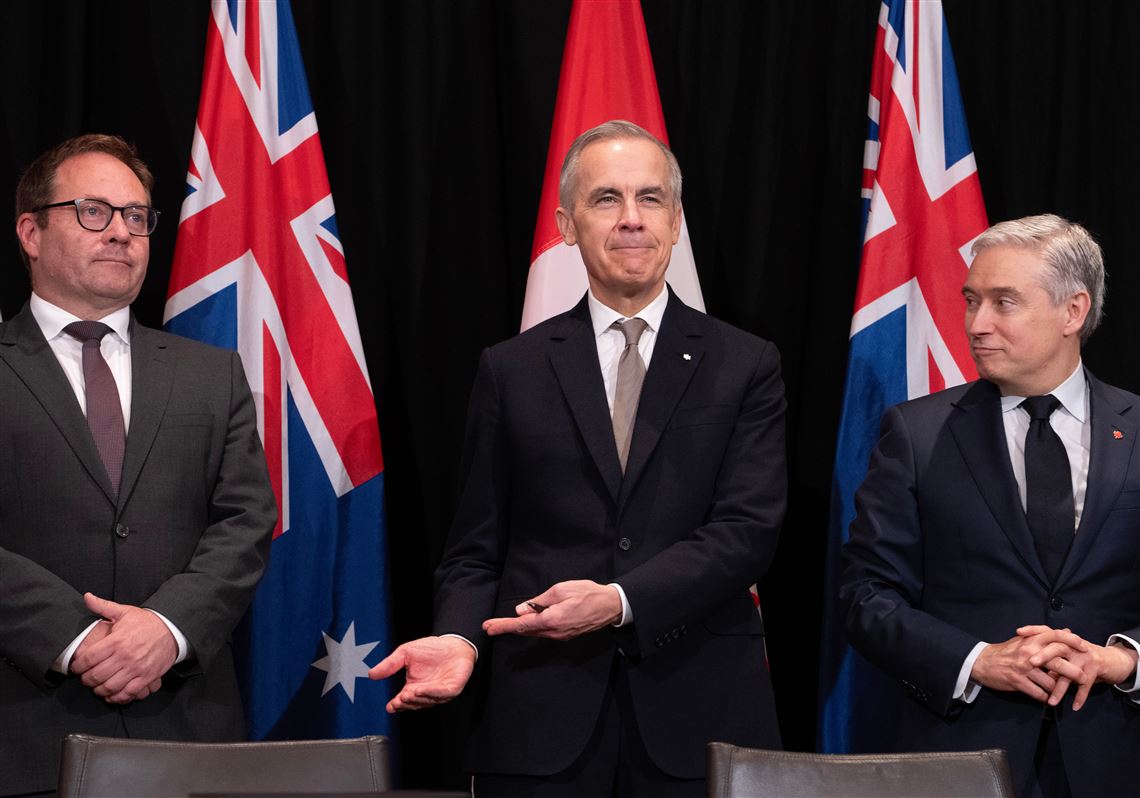
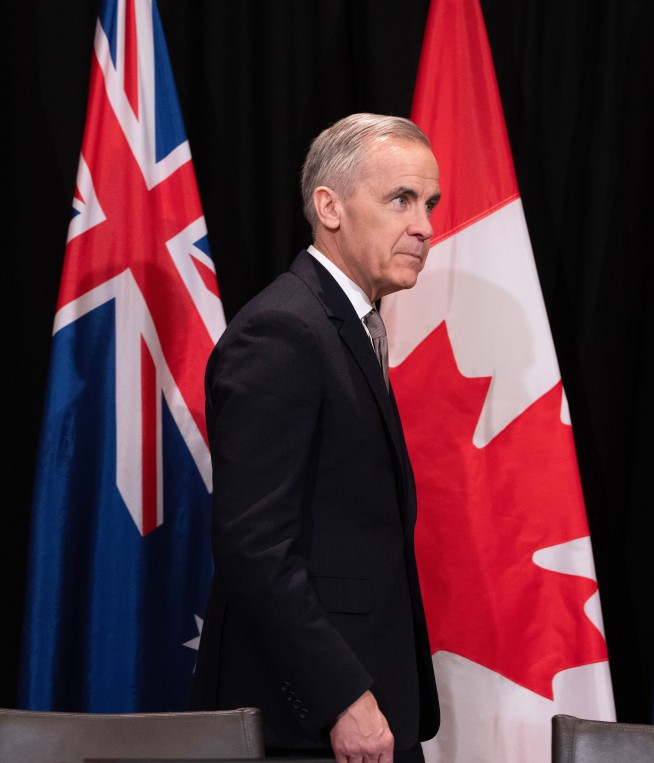
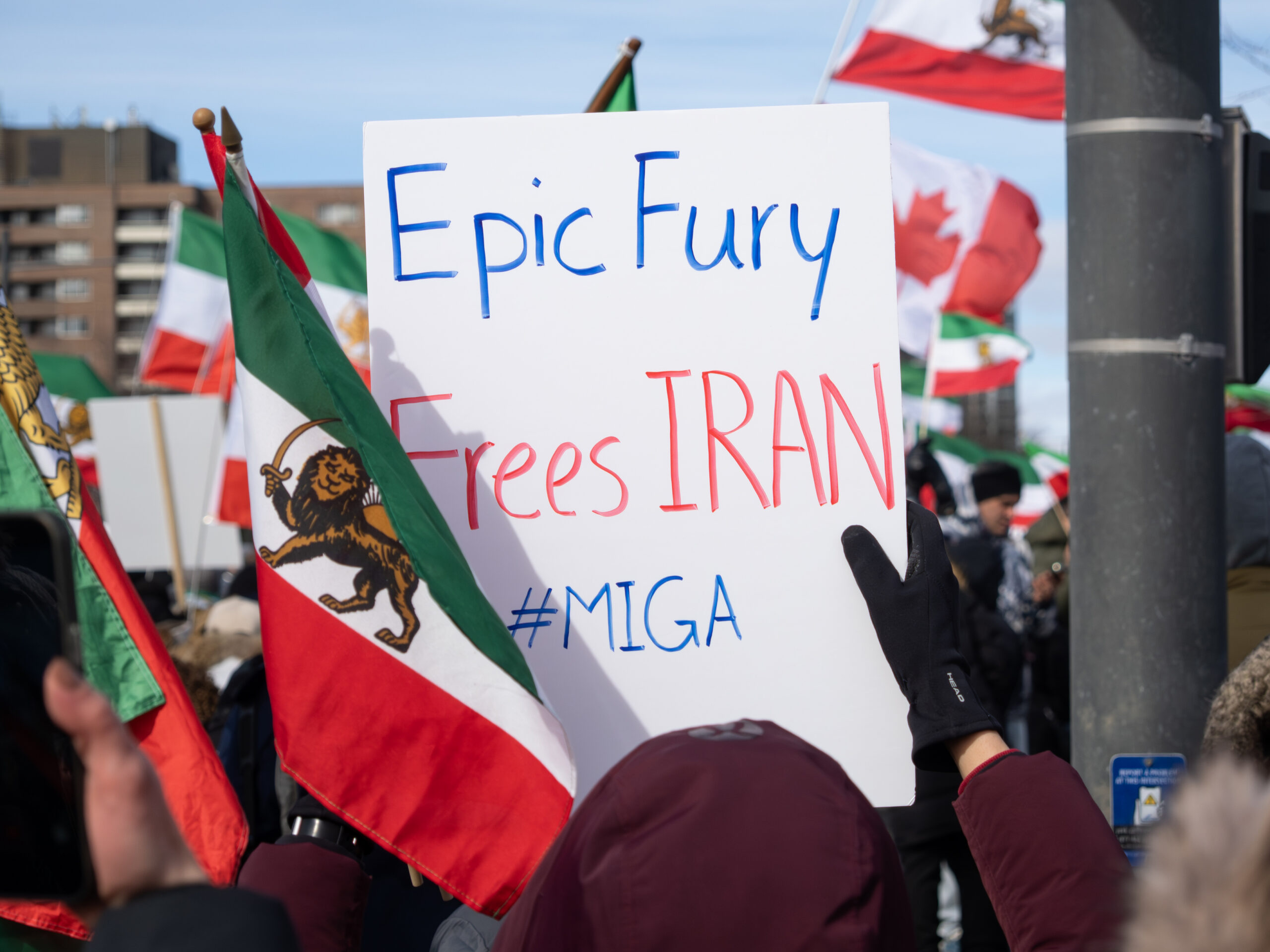
The escalating Iran conflict and potential Canadian military involvement (announced March 3-5, 2026) represents a critical supply chain inflection point for cross-border e-commerce sellers. Canadian Prime Minister Mark Carney's reversal of Canada's non-involvement stance, combined with reports of U.S. submarine operations sinking Iranian warships, NATO missile interceptions, and threats to critical oil shipping channels, signals a broadening regional conflict with direct operational consequences for sellers globally.
Immediate Supply Chain Impact: The Strait of Hormuz—through which 21% of global petroleum and 30% of liquefied natural gas transits—faces direct threat from escalating military operations. Historical precedent shows similar regional conflicts disrupt e-commerce operations for 6-18 months. Sellers shipping through Middle Eastern logistics hubs or relying on air freight routes face 3-8 week delays as flight operations are disrupted. Oil price volatility from shipping channel threats directly increases transportation costs: FBA sellers shipping 1,000+ units monthly can expect 12-25% increases in fulfillment expenses ($300-800/month per seller). Insurance premiums for shipments through affected regions increase 40-60%, adding $150-400 monthly for sellers using regional routes.
Market Access Disruption: Sellers with active operations in Middle Eastern markets (UAE, Saudi Arabia, Kuwait, Qatar) face immediate market access challenges. The six-nation Gulf Cooperation Council coordination mentioned by Carney suggests potential trade restrictions or customs delays. Currency fluctuations in affected regions (AED, SAR, KWD) create pricing strategy complications—sellers must monitor real-time exchange rates and adjust pricing algorithms to maintain margins. Sellers relying on Middle Eastern distribution hubs for Asia-Pacific fulfillment face inventory stranding and delayed shipments to Australia, Japan, and India markets.
Strategic Sourcing Implications: The conflict creates urgent pressure to diversify sourcing away from Iran and conflict-adjacent manufacturing regions. Sellers currently sourcing from Iran (textiles, carpets, spices, handicrafts) face immediate supply disruption and potential sanctions compliance issues. Vietnam, India, and Indonesia emerge as alternative sourcing destinations for categories historically sourced from Iran. Sellers should evaluate 3PL providers' geographic exposure—those with heavy Middle Eastern operations face operational risk. Supply chain mapping becomes critical: identify which suppliers, manufacturers, or logistics partners have operations in conflict zones (Iran, Lebanon, Iraq, Syria) and develop contingency sourcing plans within 30 days.
Competitive Positioning Window: This crisis creates a 60-90 day window for sellers to establish alternative supply chains before competitors recognize the opportunity. Sellers who proactively shift sourcing to Vietnam, India, or Indonesia can capture cost advantages as regional freight rates normalize. Small-to-medium sellers (10-100 SKUs) can pivot faster than large enterprises, creating a competitive advantage window. Sellers should immediately audit their supply chain for Middle East exposure and begin negotiations with alternative 3PL providers in Southeast Asia and South Asia.
Questions 8
What is the timeline for supply chain recovery if the conflict escalates further?
Historical precedent from similar Middle East conflicts shows 6-18 month operational disruption periods. If the conflict widens to include broader NATO involvement (as Canadian PM Carney suggested is possible), recovery could extend to 18+ months. The critical window is March-June 2026: sellers must establish alternative sourcing and logistics routes within this period before supply chain alternatives become congested. Monitor the Strait of Hormuz daily through shipping intelligence platforms (MarineTraffic, Windward). If military operations directly impact the strait, implement contingency plans immediately—don't wait for formal supply disruption notices.
Which product categories face the most supply disruption from the Middle East conflict?
Sellers sourcing textiles, carpets, spices, handicrafts, and specialty foods from Iran face immediate supply disruption. Categories with manufacturing in Lebanon, Iraq, or Syria also face risk. However, sellers in electronics, apparel, and home goods using Middle Eastern distribution hubs for Asia-Pacific fulfillment face 3-8 week delays. The conflict creates sourcing opportunities: sellers can shift to Vietnam (textiles, apparel), India (spices, handicrafts), and Indonesia (electronics components) at competitive rates. Audit your supply chain within 7 days to identify Iran-sourced products and begin alternative sourcing negotiations immediately.