




Strait of Hormuz Disruption Threatens 15-25% Shipping Cost Surge for Cross-Border Sellers
- Oil prices at $81/barrel risk $100 surge if Hormuz shipping remains disrupted; FBA sellers face 2-4 week fee increases affecting heavy/bulky product categories























Overview
The Strait of Hormuz shipping disruption represents an immediate operational crisis for cross-border e-commerce sellers, with crude oil prices currently stabilized at $81.40/barrel for Brent crude but facing potential surge to $100/barrel if maritime chokepoint disruptions persist. As of March 4, 2026, market analysts warn that sustained shipping delays through this critical corridor—which handles approximately one-third of global seaborne oil trade—could trigger shipping cost increases of 15-25% within 2-4 weeks, directly impacting FBA (Fulfillment by Amazon) fees, 3PL logistics expenses, and international air freight rates.
For Amazon FBA sellers, the cost implications are severe and immediate. Logistics providers typically pass fuel surcharges to fulfillment platforms within 14-28 days of crude price movements. Sellers shipping heavy or bulky products internationally—including furniture, appliances, sporting goods, and industrial equipment—face the highest exposure. Small and medium-sized sellers with gross margins of 25-35% will experience compressed profitability, as a $100/barrel oil price could add $150-300 monthly to fulfillment costs for sellers moving 1,000+ units. The Trump administration's active intervention through Treasury Secretary Scott Bessent, including exploration of insurance options to mitigate shipping risks, signals recognition of economic impacts but provides no immediate relief timeline.
Strategic sourcing and inventory positioning become critical competitive advantages during this window. Sellers should immediately audit inventory composition by weight/volume and shipping method. Categories most vulnerable include: home goods (HS 9406-9406.90), machinery (HS 8401-8483), and vehicles/parts (HS 8704-8708). Conversely, lightweight, high-value categories—electronics, apparel, accessories—maintain better margin resilience. The 2-4 week adjustment lag creates a narrow arbitrage window: sellers can lock in current shipping rates through advance bookings with 3PL providers before fuel surcharges cascade through the system. Historical precedent from 2019-2020 Hormuz disruptions shows that early-movers securing capacity at pre-surge rates gained 8-12% cost advantages over competitors.
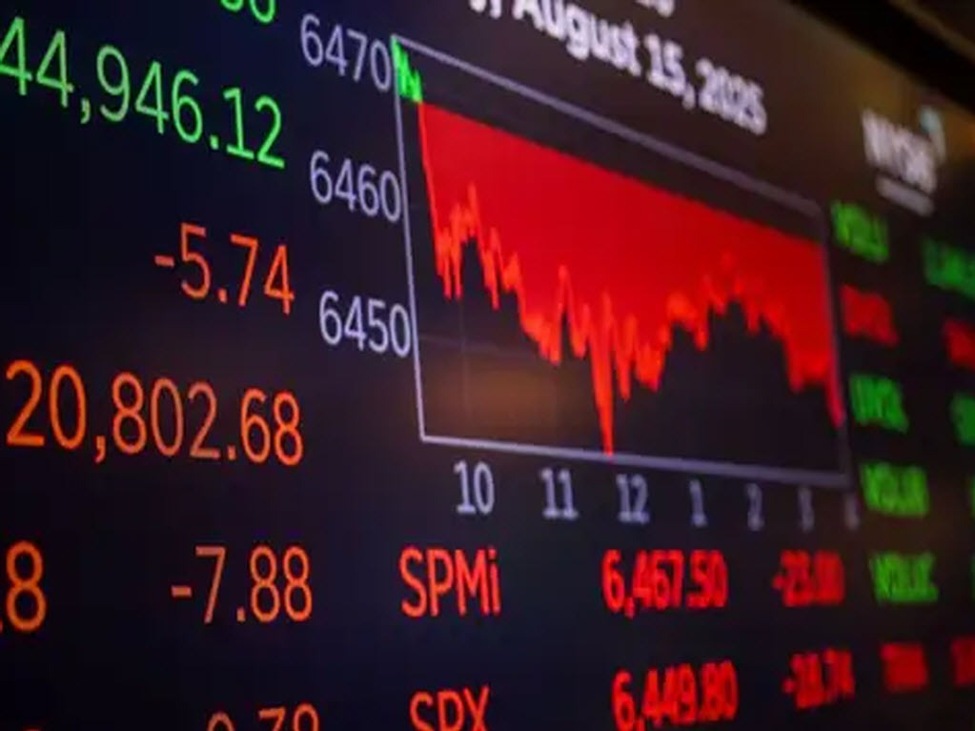
Market stabilization efforts may prevent worst-case scenarios, but uncertainty remains elevated. The S&P 500's 0.8% rebound and Nasdaq's 1.3% gain on March 4, 2026 reflect investor optimism about de-escalation, but geopolitical volatility persists. Sellers should implement hedging strategies: diversifying shipping routes (air freight to Southeast Asia, ocean to Europe), increasing inventory buffers in regional fulfillment centers, and considering temporary price increases for heavy product categories to offset logistics cost inflation.
Questions 8
How will the Strait of Hormuz disruption affect my Amazon FBA shipping costs?
If crude oil prices surge from the current $81/barrel to $100/barrel due to sustained Hormuz shipping delays, your FBA fulfillment fees will increase within 2-4 weeks as logistics providers pass fuel surcharges to Amazon. Heavy and bulky product categories face the steepest increases—potentially $150-300 monthly for sellers moving 1,000+ units. Historical 2019-2020 disruptions resulted in 15-25% shipping cost increases. Monitor your Seller Central dashboard for fee updates and consider locking in current rates with 3PL providers before surcharges cascade through the system.
How should I adjust pricing strategy during the Hormuz disruption?
Implement dynamic pricing by product category: increase prices 5-8% for heavy/bulky items (furniture, appliances) where shipping costs represent 15-25% of COGS; maintain current pricing for lightweight items where shipping is 3-5% of COGS; test elasticity with 2-3% increases on mid-weight categories. Monitor conversion rates and BSR (Best Seller Rank) daily—if BSR drops >20%, reduce price increases. Use Amazon's dynamic pricing tools or Shopify's price optimization apps to adjust automatically. Communicate transparently with customers: 'Temporary shipping cost adjustments due to global logistics disruptions' messaging reduces negative reviews. Expect 5-10% volume decline on price-sensitive categories, offset by 8-12% margin improvement.