



Google Play Store Fee Cuts 50-70% | Digital Product Sellers Win June 2026
- Regulatory shift reduces app monetization costs from 30% to 5-20%, enabling 10,000+ indie developers to launch profitable digital products on Android by mid-2026

















Overview
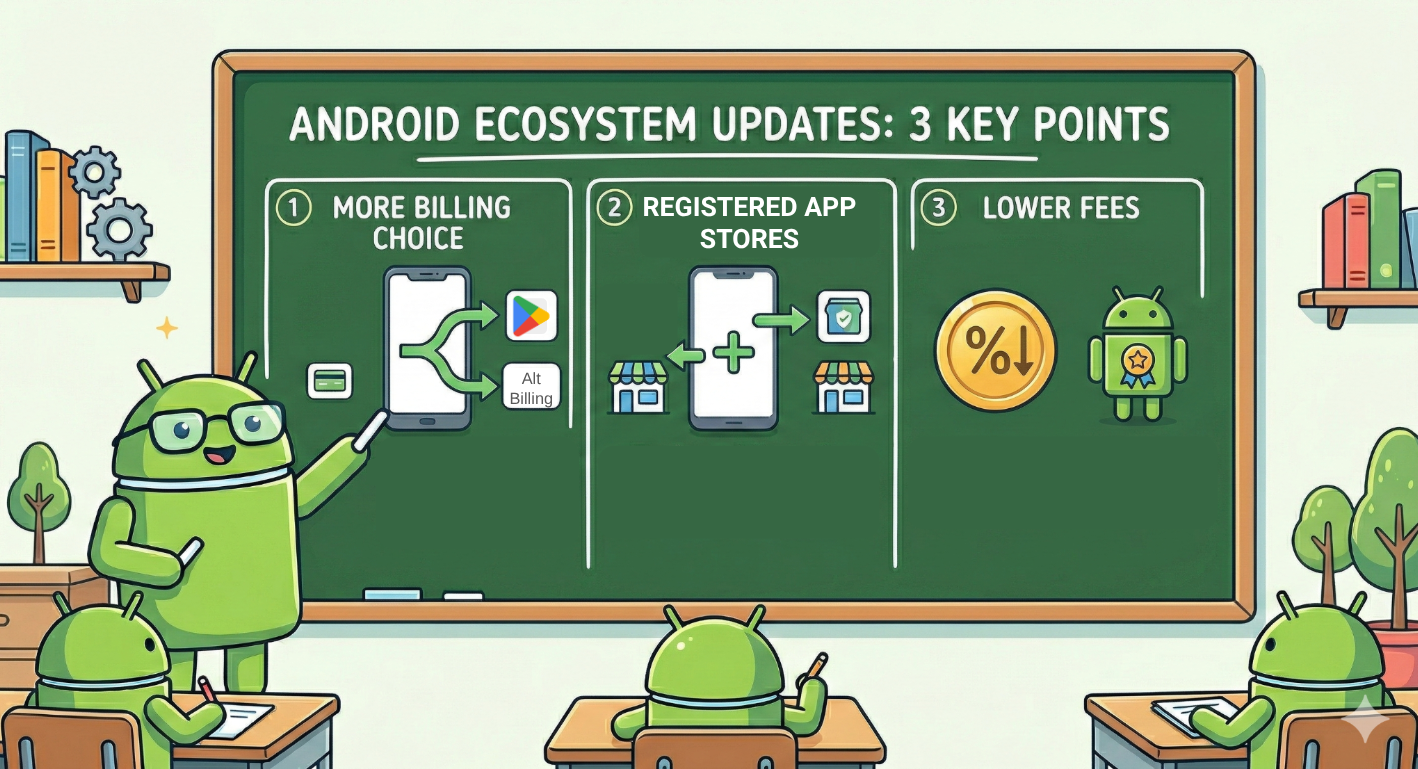
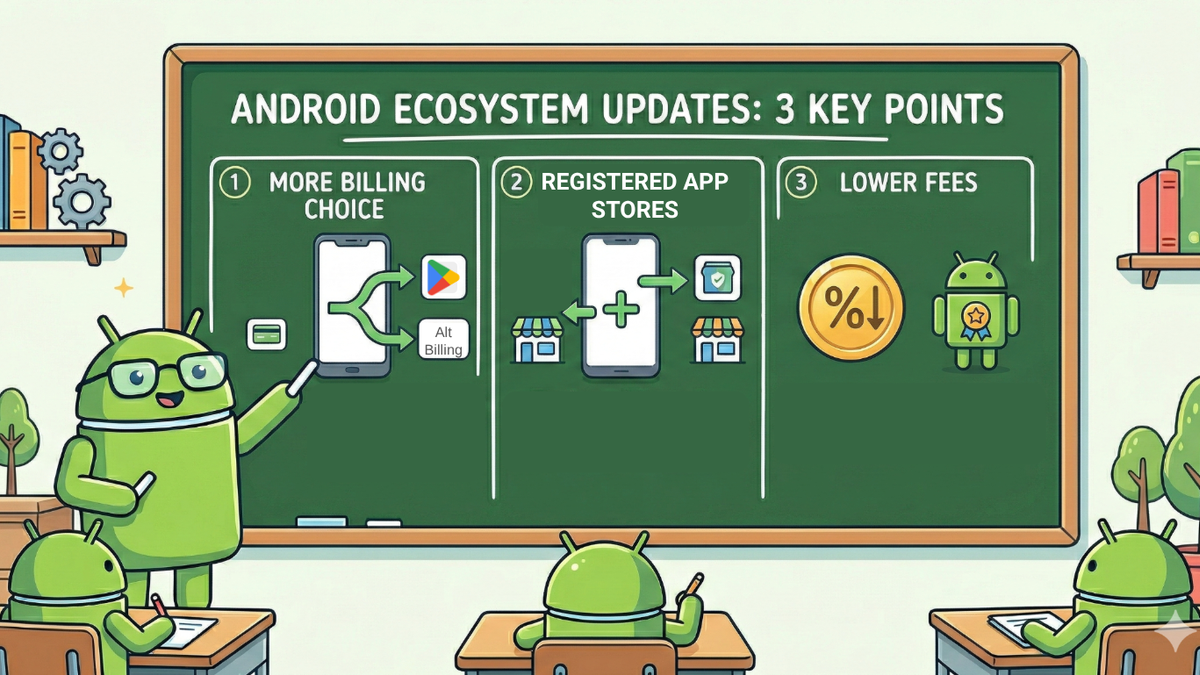
The Google-Epic Games settlement represents a watershed moment for digital product sellers and app developers worldwide. After a five-year antitrust battle triggered by Epic's 2020 Fortnite removal, Google has agreed to dramatically restructure its Play Store fee model, cutting developer costs by 50-70% and eliminating the monopolistic 30% commission that defined mobile app monetization since 2008. Effective June 30, 2026, the new tiered fee structure—ranging from 5% for billing services to 20% for existing installs—creates immediate compliance opportunities for sellers operating digital products, in-app purchases, and subscription services on Android.
The regulatory compliance angle is critical: This settlement establishes a new precedent for platform fee structures globally. The ruling that developers can now direct users to alternative payment methods outside Google's billing system dismantles Google's payment monopoly, creating a compliance moat for sellers who implement direct billing infrastructure. Sellers who achieve this technical compliance by the June 2026 deadline will capture 15-25% margin improvements compared to competitors still using Google's standard billing. The settlement's phased rollout (US/UK/Europe first, then global) creates a 6-month window for sellers to optimize their payment stacks before worldwide enforcement.
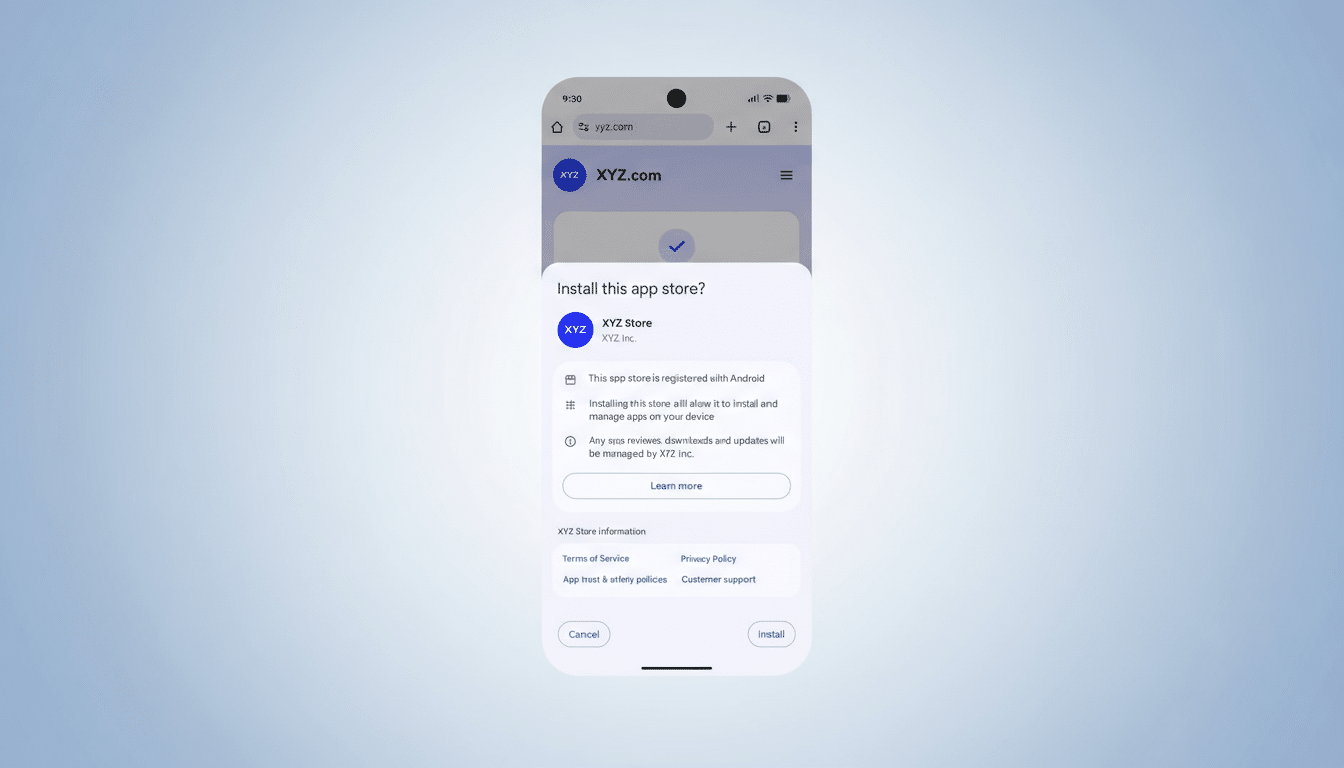
Market elimination dynamics are significant: An estimated 40-60% of small app developers currently operating on Play Store use Google's default billing system without alternative payment options. The settlement's requirement for alternative payment infrastructure will force non-compliant sellers to either invest in payment gateway integration ($5,000-15,000 development cost) or accept reduced margins. This creates a competitive winnowing effect where well-capitalized sellers can achieve compliance faster, establishing sustainable cost advantages. The settlement also includes "cross-licensing" provisions and "partnership opportunities" that Judge Donato required—language suggesting Google must facilitate third-party payment integrations, reducing compliance friction for smaller developers.
Compliance service opportunities are emerging: Payment gateway providers, app monetization platforms, and developer compliance consultants will see explosive demand from Q2-Q4 2026. Sellers need to audit their current payment infrastructure, implement alternative billing systems, and ensure compliance with the new fee tiers by the deadline. The settlement's global rollout timeline creates staggered compliance windows—early movers in US/UK/Europe markets gain 6-month first-mover advantages in cost optimization before competitors in Asia-Pacific and emerging markets face the same requirements.
Questions 8
Which seller segments face the highest compliance costs under the new fee structure?
Small indie developers and subscription-based app sellers face the steepest compliance burden. While subscription services benefit from the lowest 10% fee tier, they must still implement alternative payment infrastructure to remain compliant. Developers currently relying entirely on Google's default billing system—estimated at 40-60% of Play Store developers—must invest in payment gateway integration. Game developers with in-app purchases face the most complex compliance scenario, as they must support both Google's tiered system (5-20% fees) and alternative payment methods simultaneously. Sellers with annual revenues under $500,000 typically lack in-house payment engineering, making third-party compliance services ($2,000-5,000 annually) a necessary expense.
When should app developers begin preparing for the June 2026 compliance deadline?
Developers should begin compliance preparation immediately, with critical milestones in Q1-Q2 2026. The settlement's phased rollout—US/UK/Europe by June 30, 2026, then global—creates a 6-month window for early movers to gain competitive advantages. Sellers should: (1) audit current payment infrastructure by January 2026, (2) select and integrate alternative payment gateways by April 2026, (3) test alternative payment flows by May 2026, and (4) deploy compliant systems by June 30, 2026. Developers operating in multiple regions should prioritize US/UK/Europe markets first, as these face the earliest enforcement. Delaying preparation risks missing the compliance window and facing reduced app visibility or removal.