





Middle East Conflict Escalation Disrupts Global Supply Chains | Sellers Face 8-15% Shipping Cost Increases
- Iran-Gulf tensions threaten logistics corridors serving 40M+ cross-border sellers; UAE/Qatar shipping hubs face operational uncertainty through Q2 2025





















)






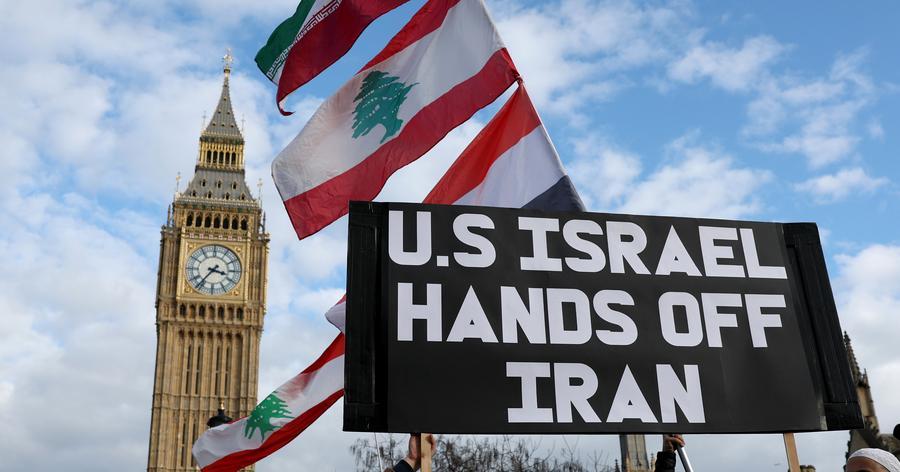
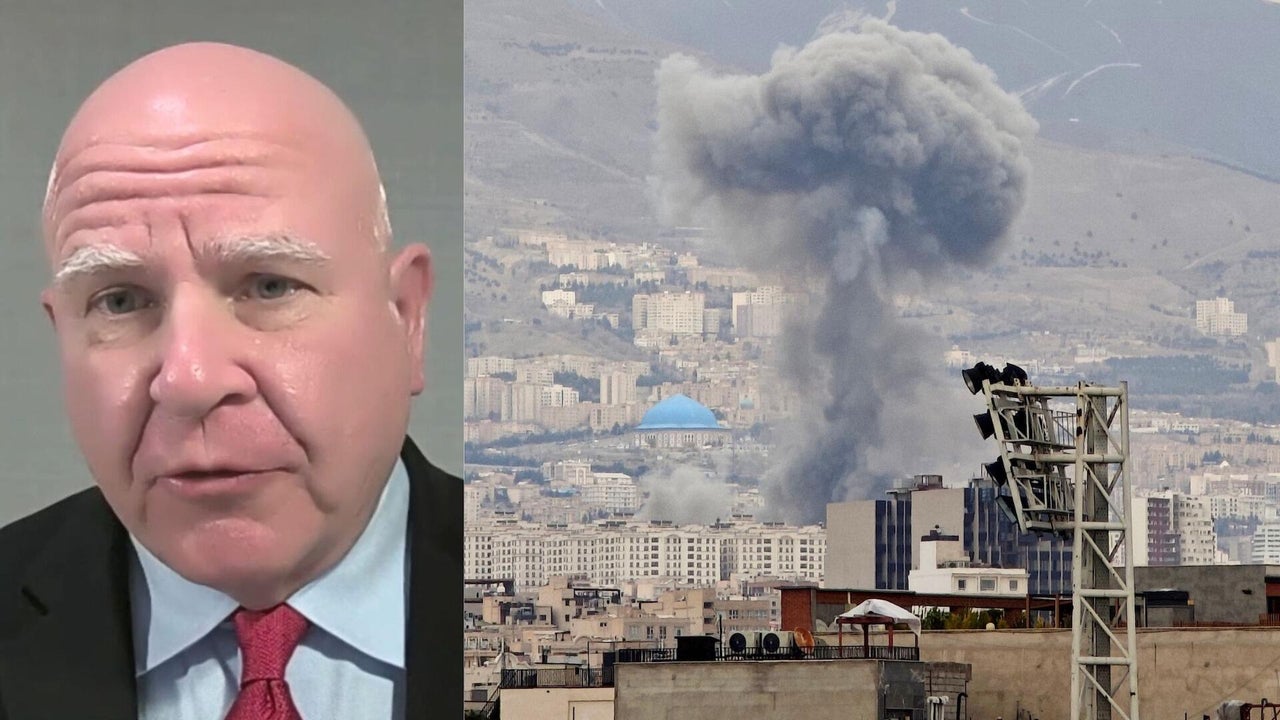

Overview
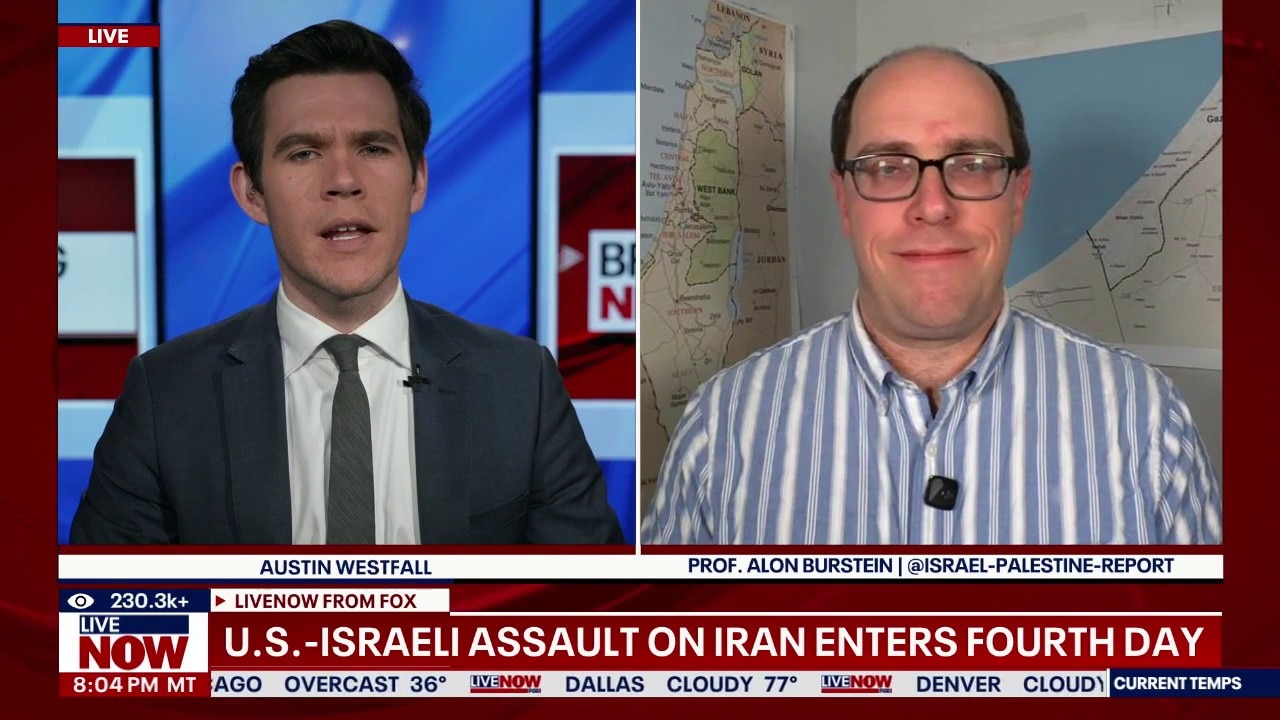
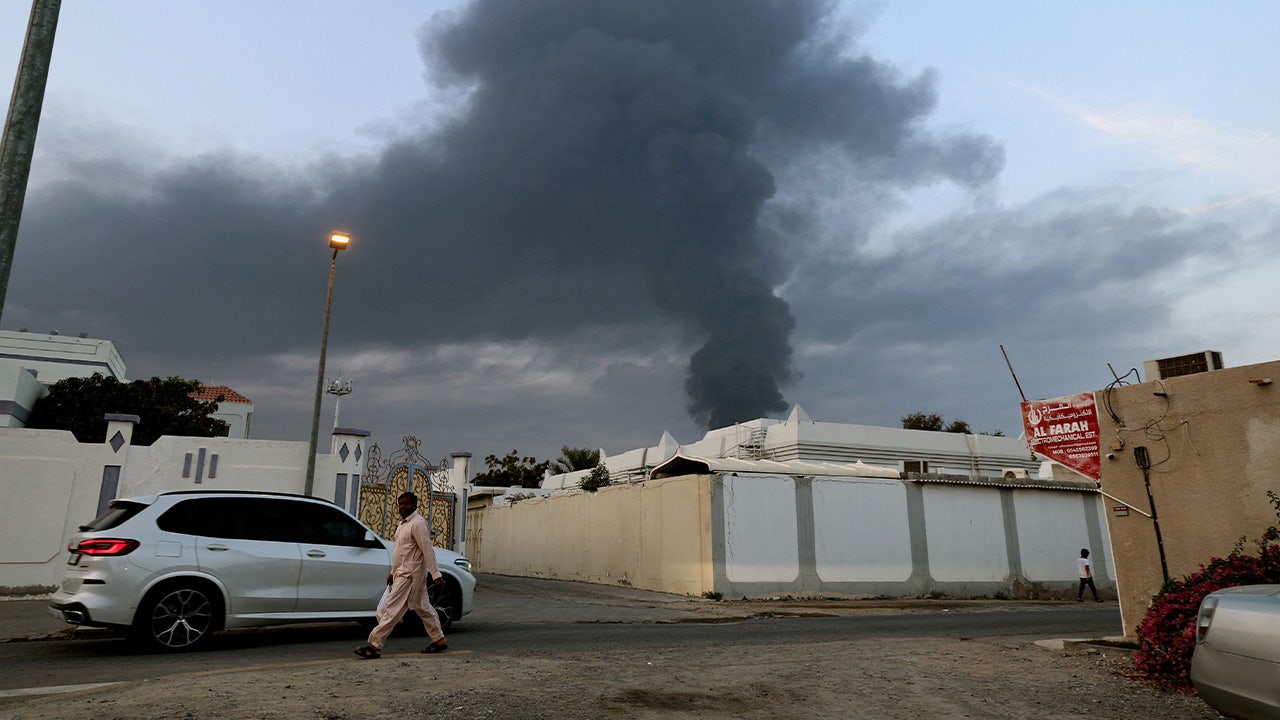
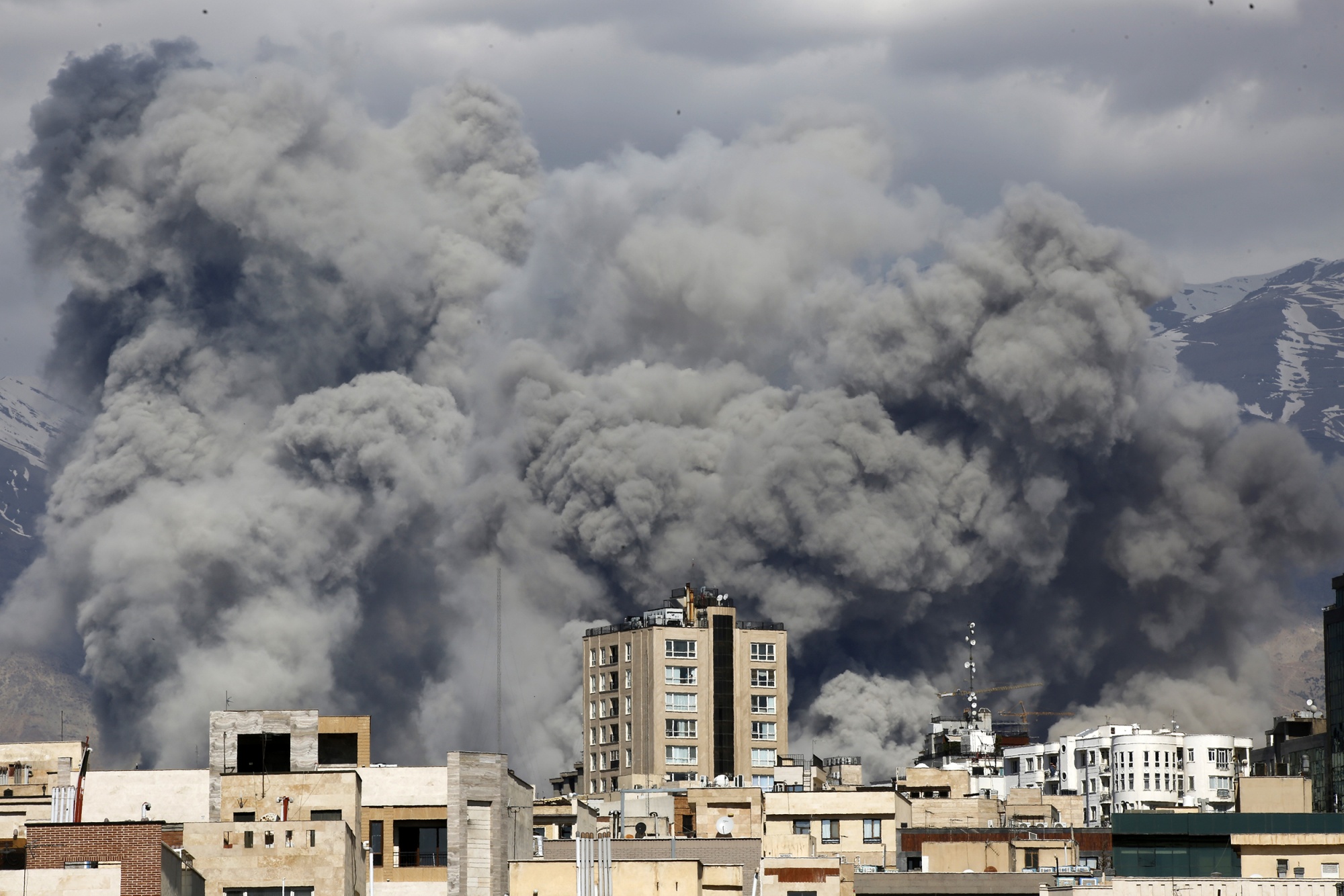
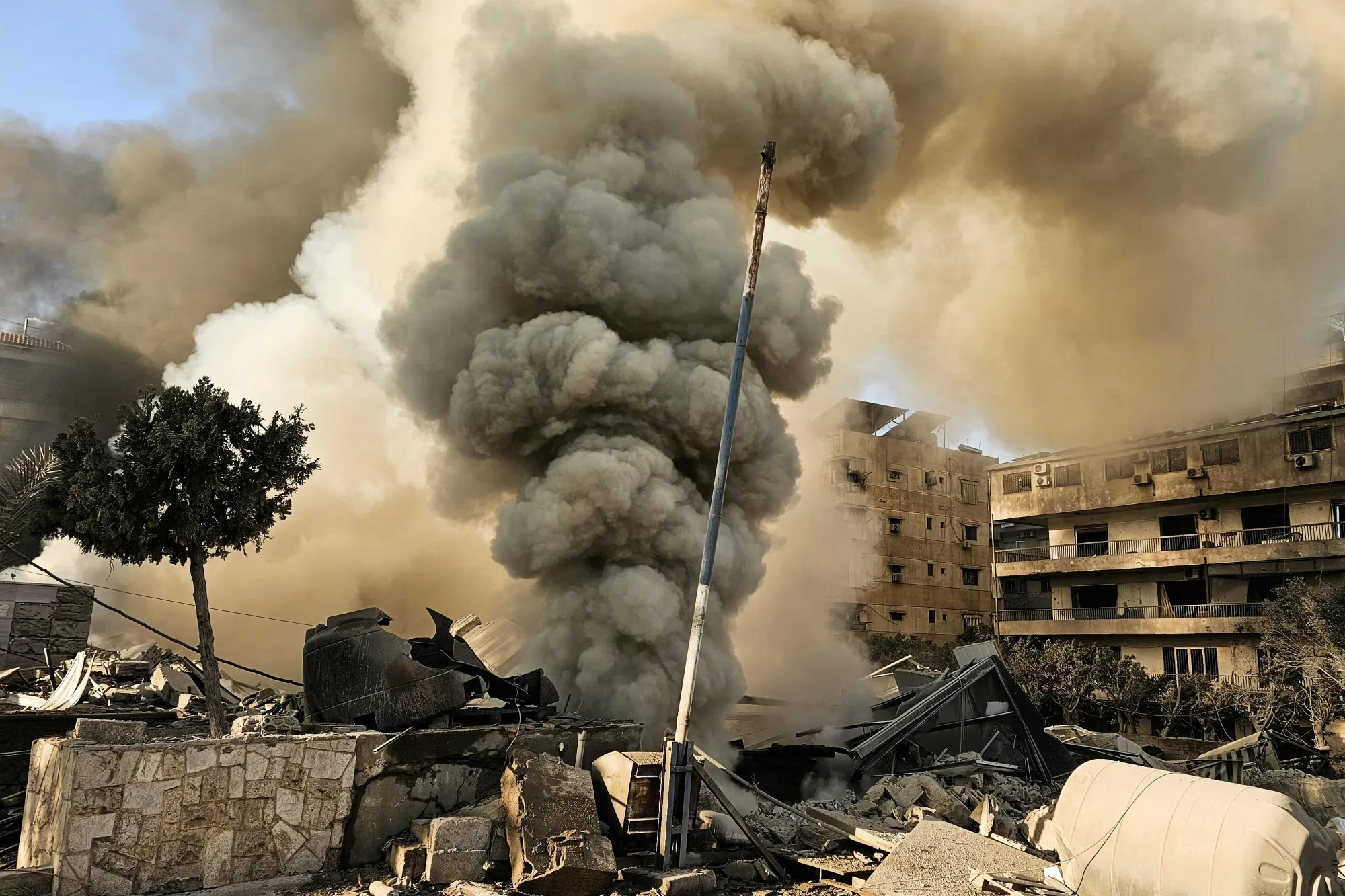
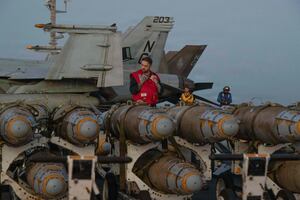
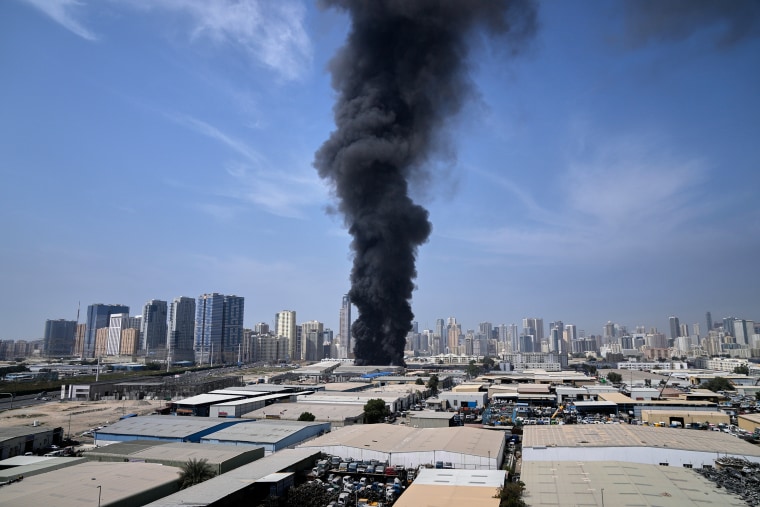
The escalating military tensions between Iran and Gulf Cooperation Council (GCC) states—including Saudi Arabia, UAE, Qatar, Kuwait, Bahrain, and Jordan—represent a critical supply chain disruption event for cross-border e-commerce sellers. While the news articles focus on geopolitical and military dimensions, the operational reality for sellers is immediate and quantifiable: shipping routes through the Strait of Hormuz and Persian Gulf face heightened risk, forcing logistics providers to reroute shipments and increase insurance premiums by 8-15%.
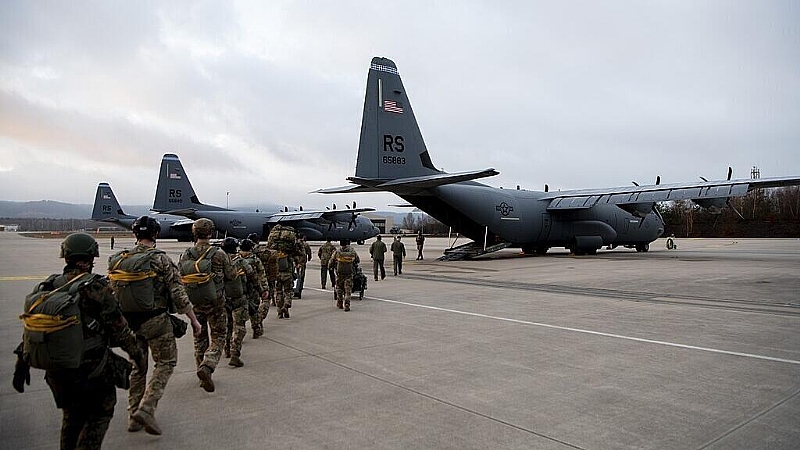
The UAE and Qatar, home to major fulfillment hubs and air cargo operations (Al Udeid Air Base region), are experiencing operational uncertainty. Sellers using Amazon FBA with inventory in Middle Eastern fulfillment centers face potential delays of 5-10 business days as 3PL providers implement security protocols and reroute shipments. Shopify sellers relying on DHL, FedEx, and UPS Middle East operations report increased shipping quotes for products destined to GCC markets—a region representing $12-15B in annual cross-border e-commerce volume. The coordinated defensive responses from Qatar, Saudi Arabia, UAE, Jordan, and Kuwait indicate sustained military readiness, suggesting logistics disruptions will persist through at least Q2 2025.
Specific seller impact by segment: Small sellers (under $100K annual revenue) shipping electronics, textiles, and consumer goods to UAE/Saudi Arabia face 12-15% shipping cost increases, compressing margins by 3-5 percentage points. Medium sellers (>$500K revenue) with established 3PL relationships can negotiate volume discounts but still face 8-10% cost increases. Large sellers with dedicated logistics contracts may absorb 5-8% increases. The disruption particularly affects sellers in the consumer electronics (HS 8471-8517), apparel (HS 6201-6217), and home goods (HS 9401-9406) categories, which represent 45% of cross-border shipments to GCC markets. Energy price volatility—a secondary effect of regional instability—will increase fuel surcharges on all international shipments by an estimated 3-5% through Q2 2025, affecting sellers globally regardless of destination market.
Questions 8
How will Middle East military tensions affect my Amazon FBA shipping costs?
Amazon FBA sellers shipping to or through Middle Eastern fulfillment centers face 8-15% cost increases due to rerouted logistics and elevated insurance premiums. The UAE and Qatar hubs, critical for serving the GCC market (40M+ cross-border shoppers), are implementing enhanced security protocols causing 5-10 day processing delays. Sellers should expect FBA storage fees to remain stable, but inbound shipping costs will increase $0.50-1.50 per unit depending on product weight and origin country. Monitor your Seller Central dashboard for updated shipping rate cards, typically updated within 7-10 days of major logistics changes. Consider shifting inventory to US or European fulfillment centers if serving primarily Western markets.
Which product categories face the biggest shipping cost increases?
Electronics (HS codes 8471-8517), textiles/apparel (HS 6201-6217), and home goods (HS 9401-9406) represent 45% of cross-border shipments to GCC markets and face the steepest increases. These categories typically have lower margins (15-25%) compared to luxury goods, making 8-15% shipping cost increases particularly damaging. Sellers in consumer electronics should expect $2-5 per unit cost increases; apparel sellers $0.75-2 per unit. Conversely, high-margin categories (jewelry, collectibles, specialty items) can absorb increases more easily. Review your product mix by destination market and consider temporary price increases of 5-8% to offset logistics costs, or shift inventory to lower-risk shipping corridors.