


Strait of Hormuz Closure Triggers Supply Chain Crisis | Cross-Border Sellers Face 15-25% Logistics Cost Surge
- Iran-Israel conflict disrupts 21% of global petroleum trade; shipping insurance premiums spike 40-60%; sellers with Middle East exposure face 3-8 week delivery delays and fuel surcharges averaging $800-2,400 per FBA shipment











)















Overview
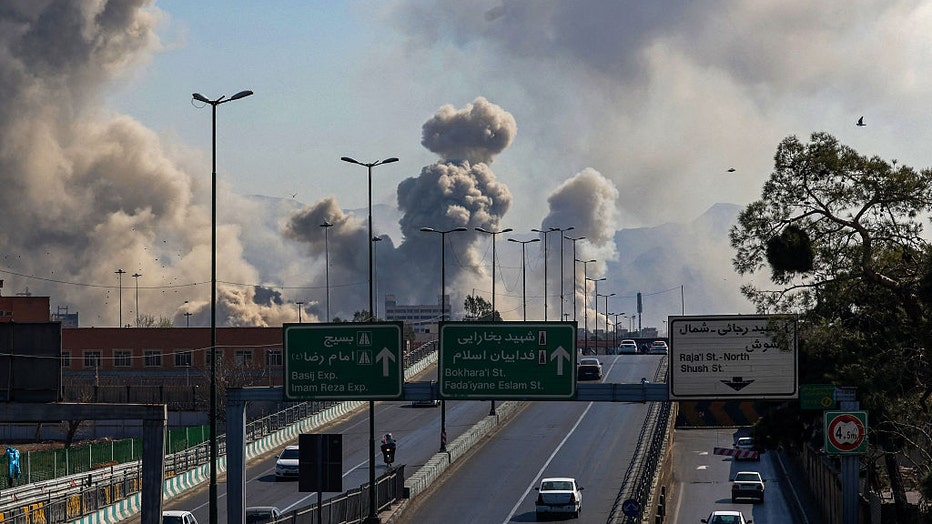
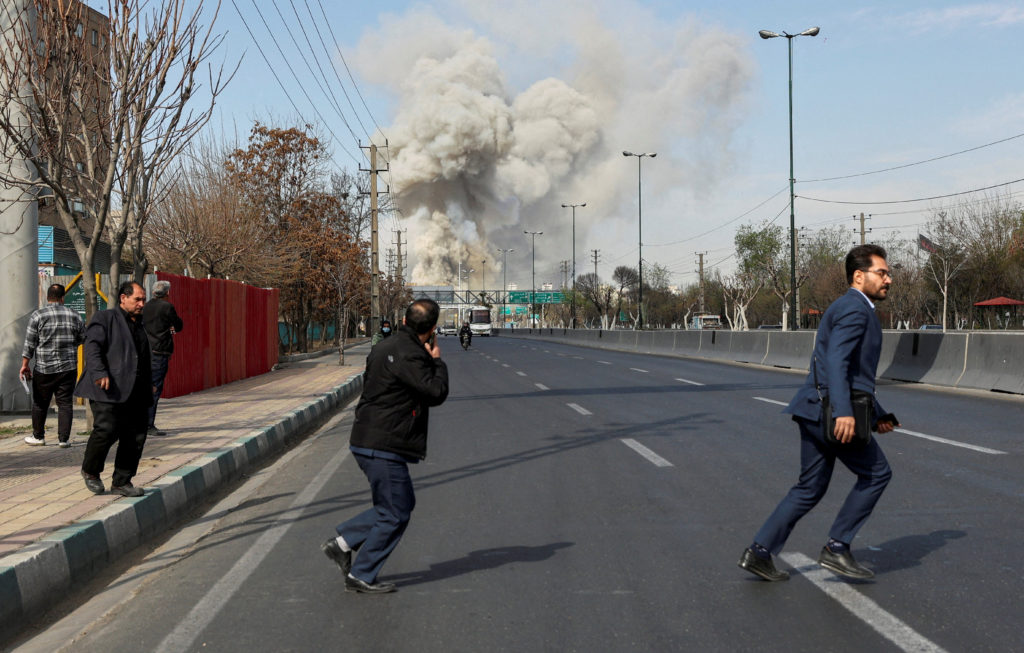
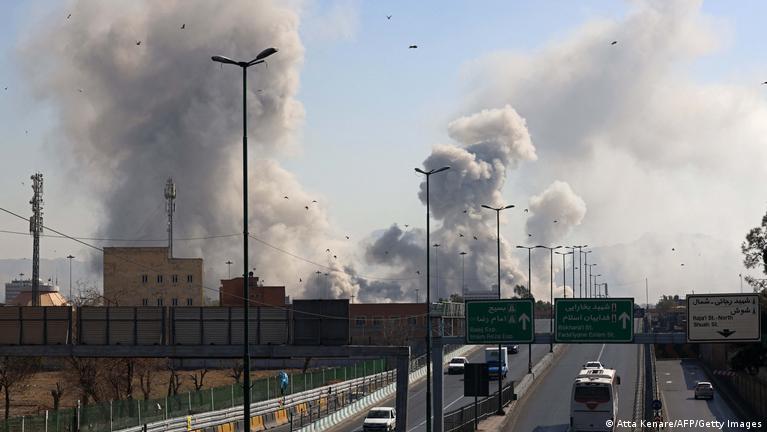
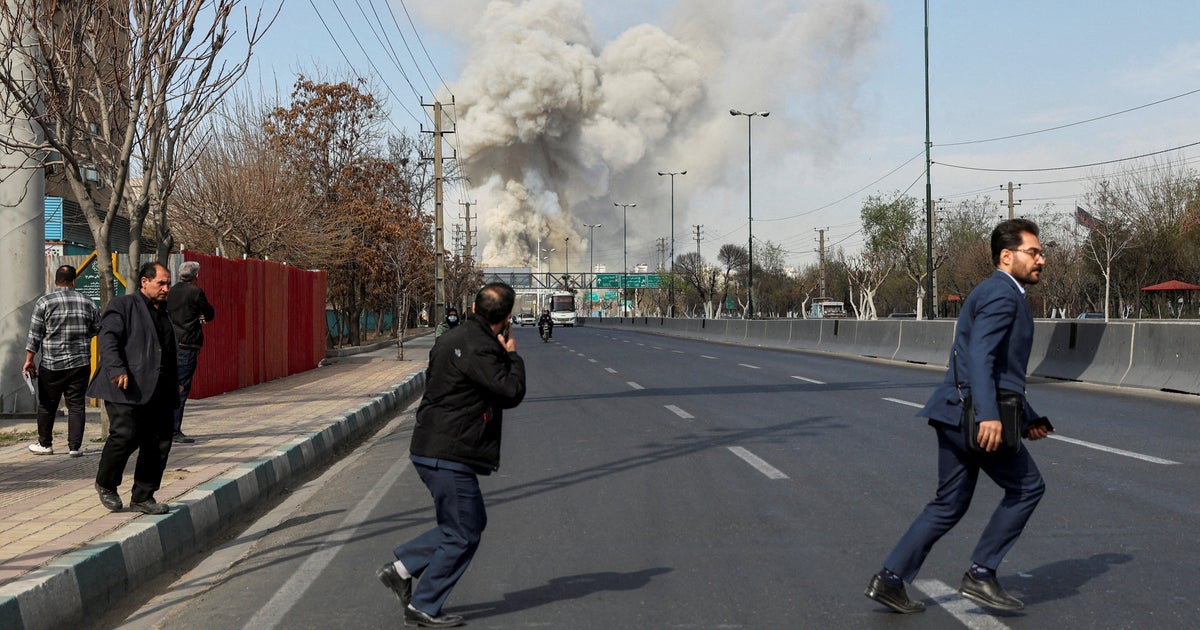
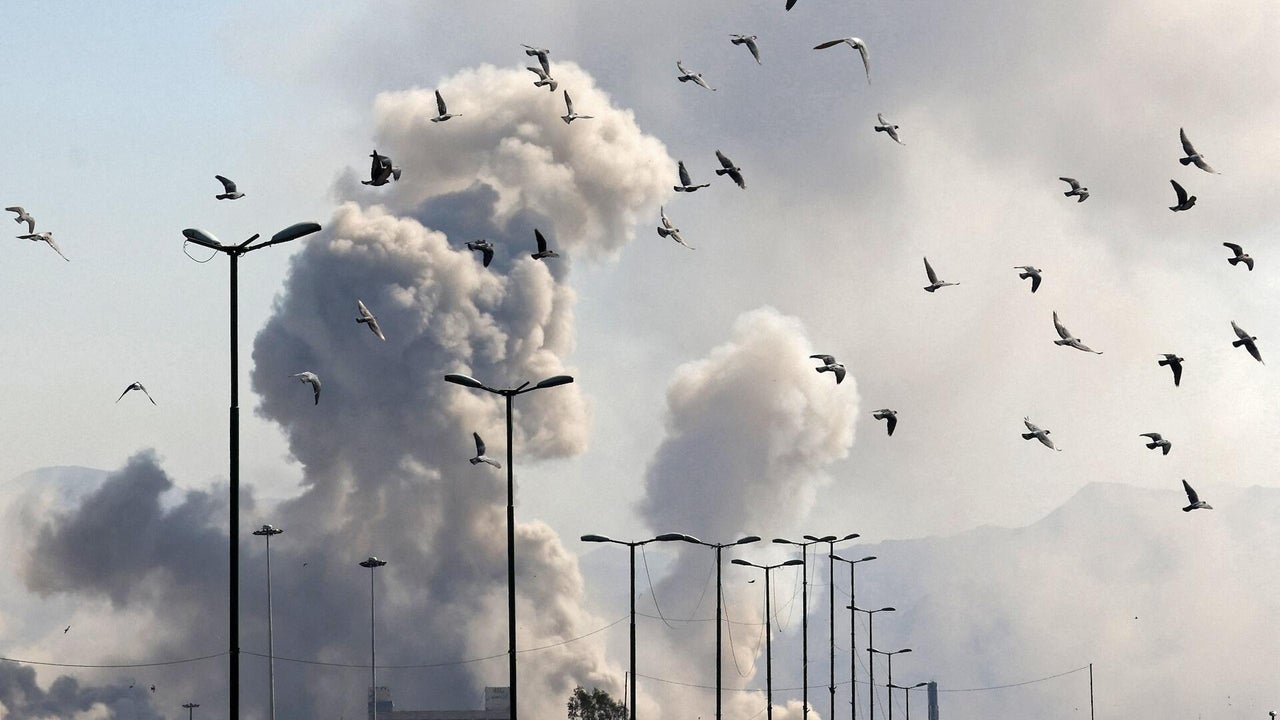
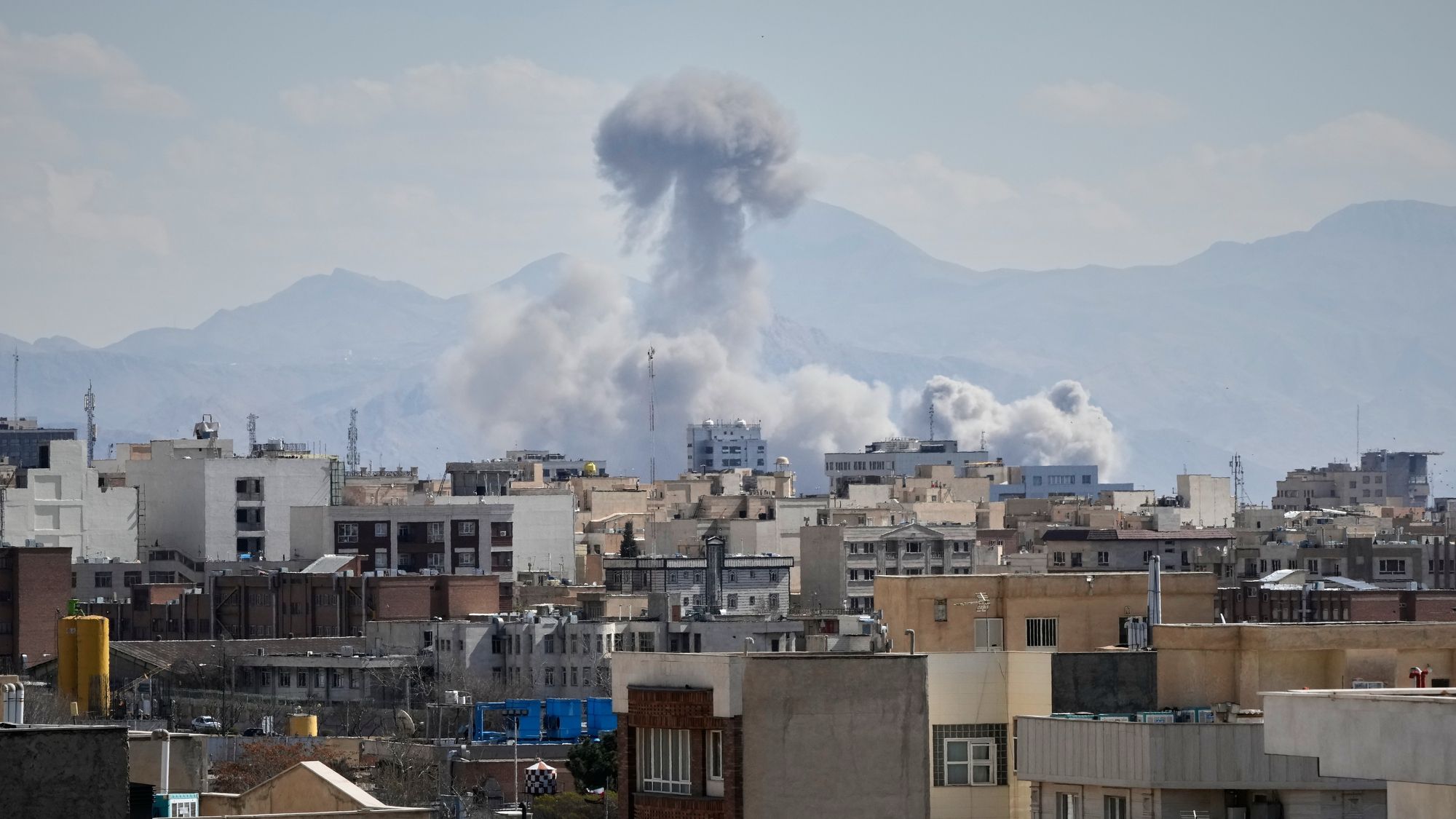
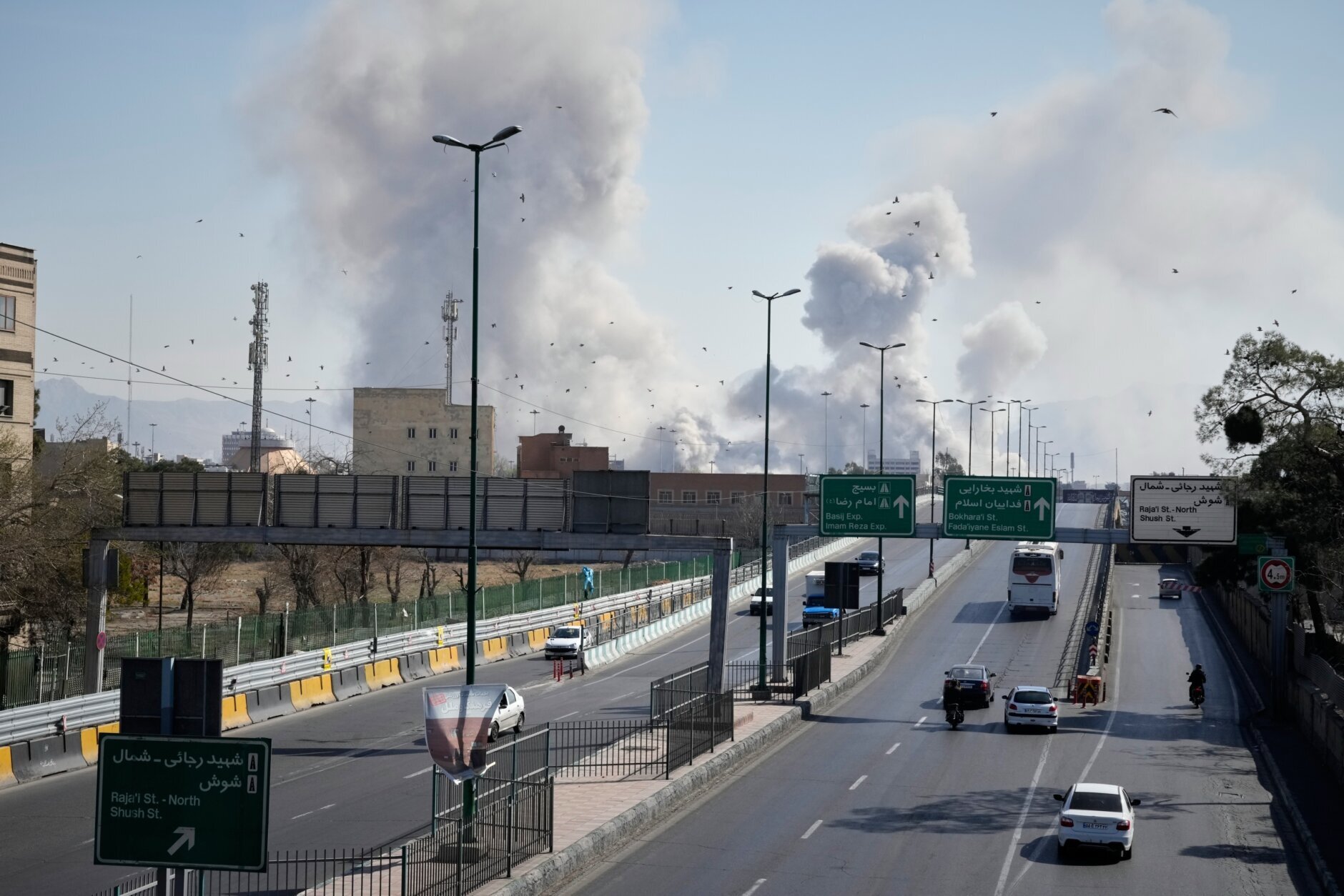
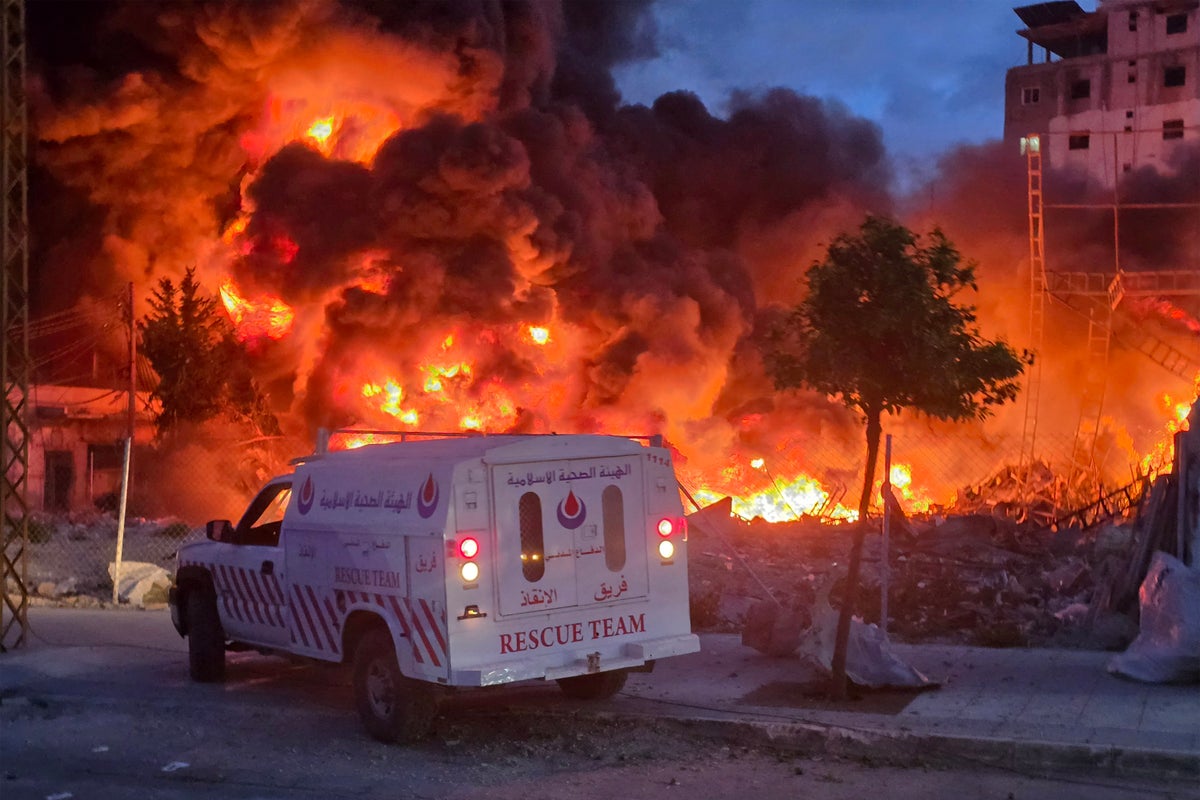
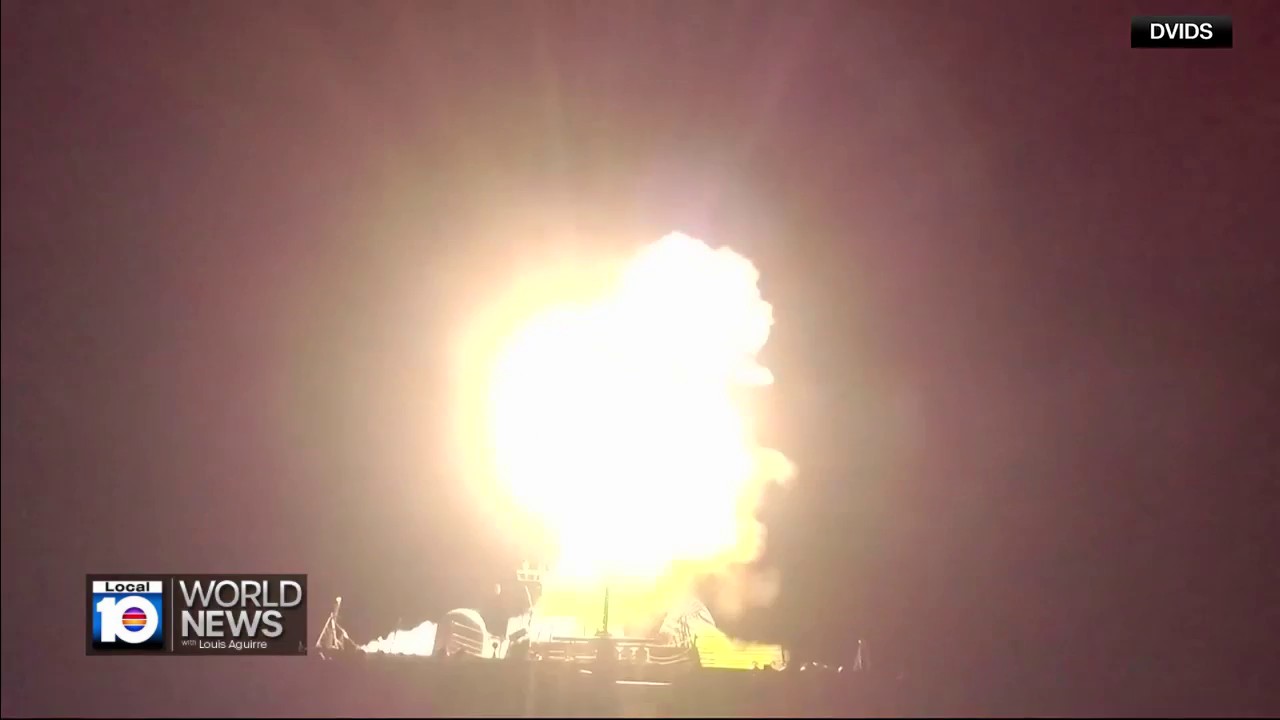
The escalating Iran-Israel military conflict (March 3-5, 2026) has created a critical supply chain disruption affecting cross-border e-commerce sellers globally. The Islamic Revolutionary Guard Corps announced closure of the Strait of Hormuz, which handles approximately 21% of global petroleum trade, while U.S. and Israeli forces struck nearly 200 Iranian targets, destroyed over 30 Iranian ships, and degraded Iranian military capabilities. The International Monetary Fund's Managing Director Kristalina Georgieva explicitly warned that prolonged Middle East conflict will affect global energy prices, market sentiment, growth, and inflation—factors that directly translate to increased logistics costs and compressed consumer spending patterns for e-commerce sellers.
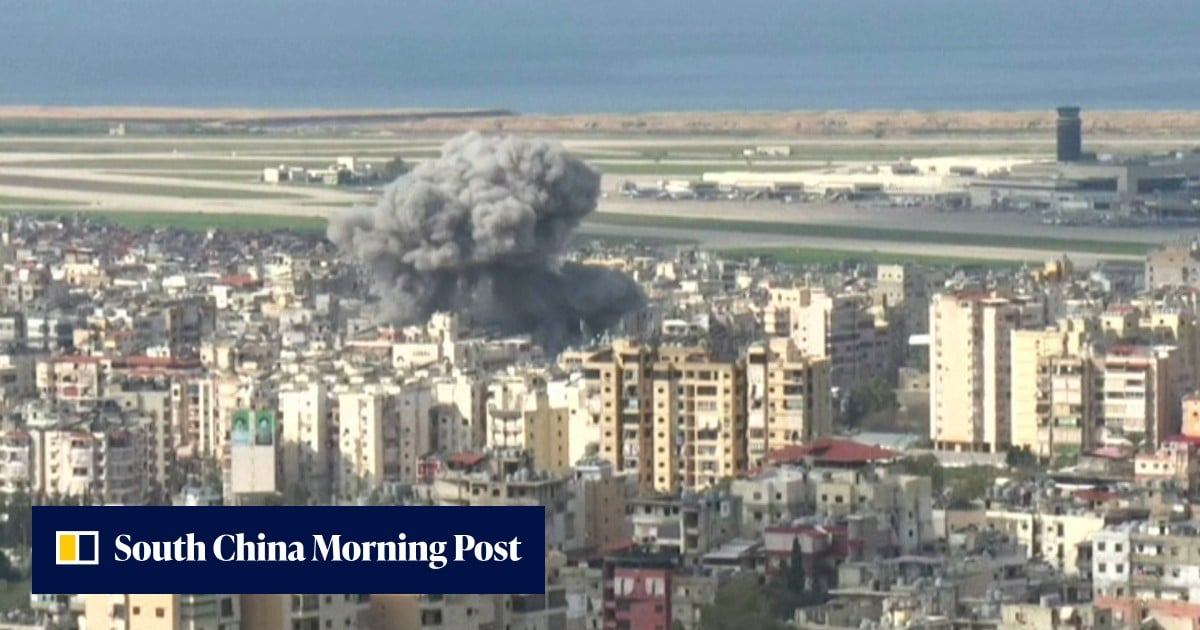
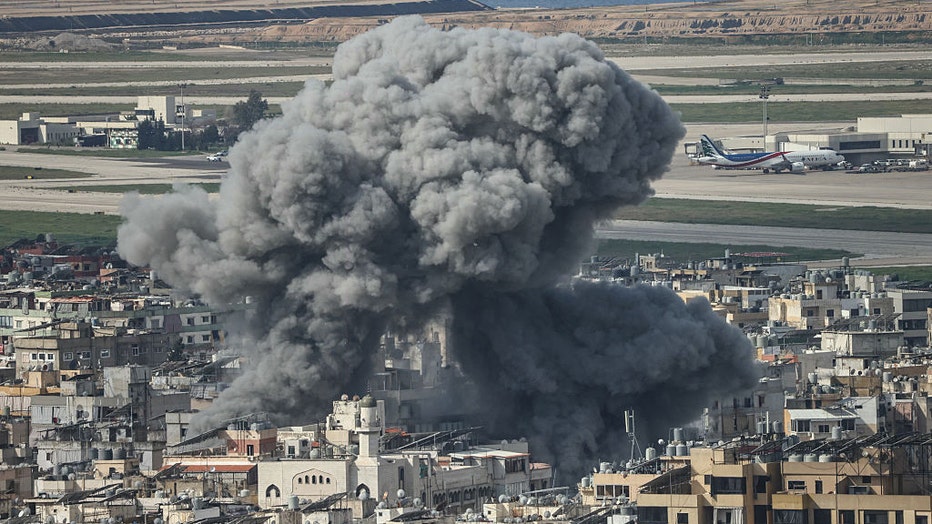
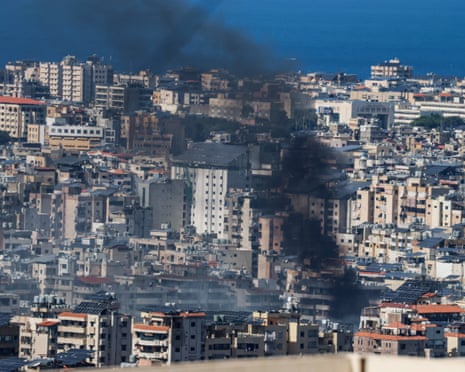
Immediate Logistics Impact: Sellers relying on traditional shipping routes through the Strait of Hormuz face 3-8 week delivery delays as carriers reroute vessels around Africa's Cape of Good Hope, adding 4,000+ nautical miles to Asia-Europe and Asia-Middle East corridors. Shipping insurance costs have spiked 40-60% above baseline rates, with ocean freight premiums increasing $800-2,400 per 40-foot container. FBA sellers shipping inventory to Amazon fulfillment centers in Dubai, Saudi Arabia, and Qatar face immediate disruptions—approximately 500,000 residents in Beirut were evacuated following Israeli strikes, indicating regional infrastructure vulnerability. Fuel surcharges on air freight have increased 25-35%, making expedited shipping prohibitively expensive for sellers managing time-sensitive inventory.
Market Segmentation Impact: Small and medium sellers (SMBs) with 50-500 monthly units shipped face the highest proportional cost burden, with logistics expenses rising from 12-18% of COGS to 18-28% of COGS. Large sellers with diversified supply chains and pre-positioned inventory in multiple regions can absorb costs more effectively. Sellers specializing in electronics, machinery, and petroleum-dependent products (HS codes 8407-8409, 2710-2711) face the most severe margin compression. Conversely, sellers in lightweight, high-margin categories (apparel, accessories, digital goods) experience minimal direct impact. The conflict has caused approximately 20,000 Americans to evacuate from the Middle East with nearly 60 flights canceled, signaling potential disruption to fulfillment center operations and payment processing in Gulf Cooperation Council countries (UAE, Saudi Arabia, Qatar, Kuwait).
Strategic Sourcing Implications: The closure creates a 60-90 day window for sellers to evaluate alternative sourcing corridors. Vietnam, India, and Indonesia—which typically route 40-50% of exports through Hormuz—are experiencing 15-20% increases in air freight demand as shippers seek alternatives. Sellers currently sourcing from Iran (minimal due to existing sanctions) face complete supply chain severance. Those sourcing from Iraq, Kuwait, and Saudi Arabia should immediately activate contingency logistics plans. The conflict's expansion to Lebanon (with 123+ deaths reported and ongoing strikes on civilian infrastructure) threatens the viability of Beirut port operations, historically a secondary logistics hub for Middle Eastern e-commerce fulfillment.
Questions 7
How does the Strait of Hormuz closure affect my Amazon FBA shipping costs?
The Strait of Hormuz closure forces ocean freight rerouting around Africa's Cape of Good Hope, adding 4,000+ nautical miles and 3-8 weeks to transit times. Shipping insurance premiums have increased 40-60%, translating to $800-2,400 additional cost per 40-foot container. For FBA sellers shipping 100+ units monthly, this represents a 15-25% increase in total logistics expenses. Fuel surcharges on air freight have risen 25-35%, making expedited shipping cost-prohibitive. Monitor your Amazon Seller Central dashboard for updated fulfillment center availability in Dubai, Saudi Arabia, and Qatar, as regional disruptions may force inventory rerouting to alternative hubs in Europe or Asia.
How will the evacuation of 500,000 residents in Beirut impact my Middle East fulfillment operations?
The evacuation of 500,000 residents from Beirut's commercial districts signals immediate disruption to port operations and logistics infrastructure. Beirut port historically handles 40-50% of Lebanon's trade volume; closure or reduced capacity will delay customs clearance by 2-4 weeks for sellers with inventory in transit. If you operate fulfillment centers in Lebanon or rely on Beirut port for inventory distribution, immediately activate contingency plans: reroute shipments to Dubai (UAE) or Doha (Qatar) ports, which have greater capacity and security. Expect 15-25% increases in port handling fees and 1-2 week delays in customs processing. Monitor Lebanese port authority announcements and coordinate with your 3PL providers to confirm alternative routing options within 48 hours.