


Arctic Defense Buildup Reshapes NATO Supply Chains | Cross-Border Seller Opportunities in Defense Tech Ecosystems
- Sweden's Gripen deployment and Canada's F-35 procurement review signal $50B+ defense supply chain reallocation affecting component manufacturers, logistics providers, and specialized equipment sellers across North America and Europe






Overview
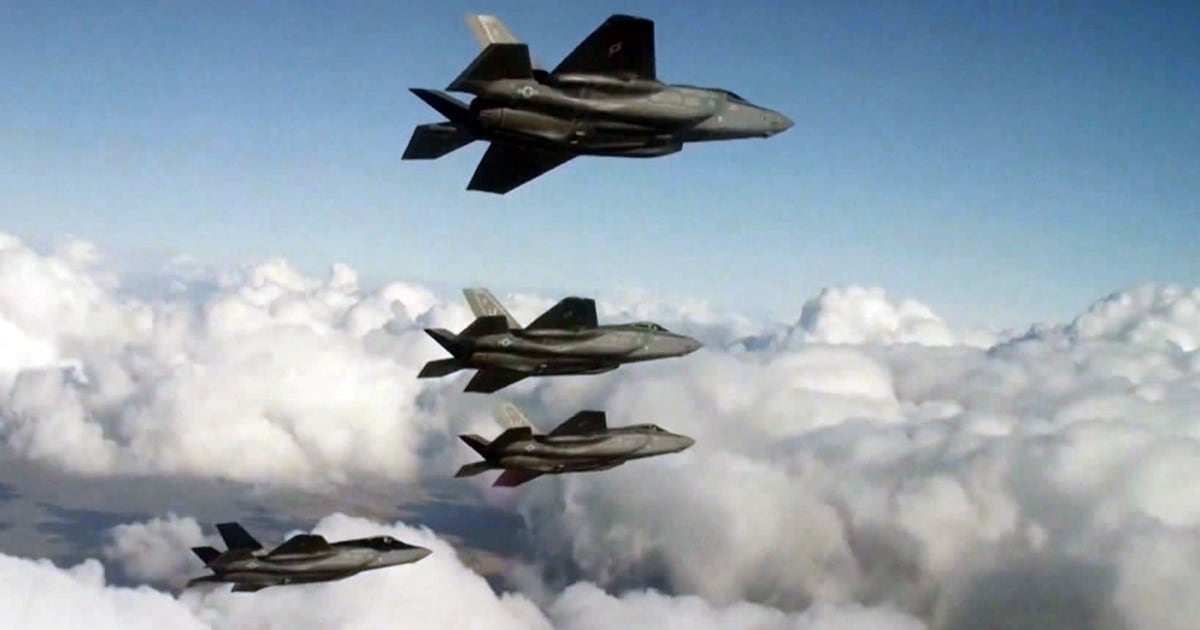
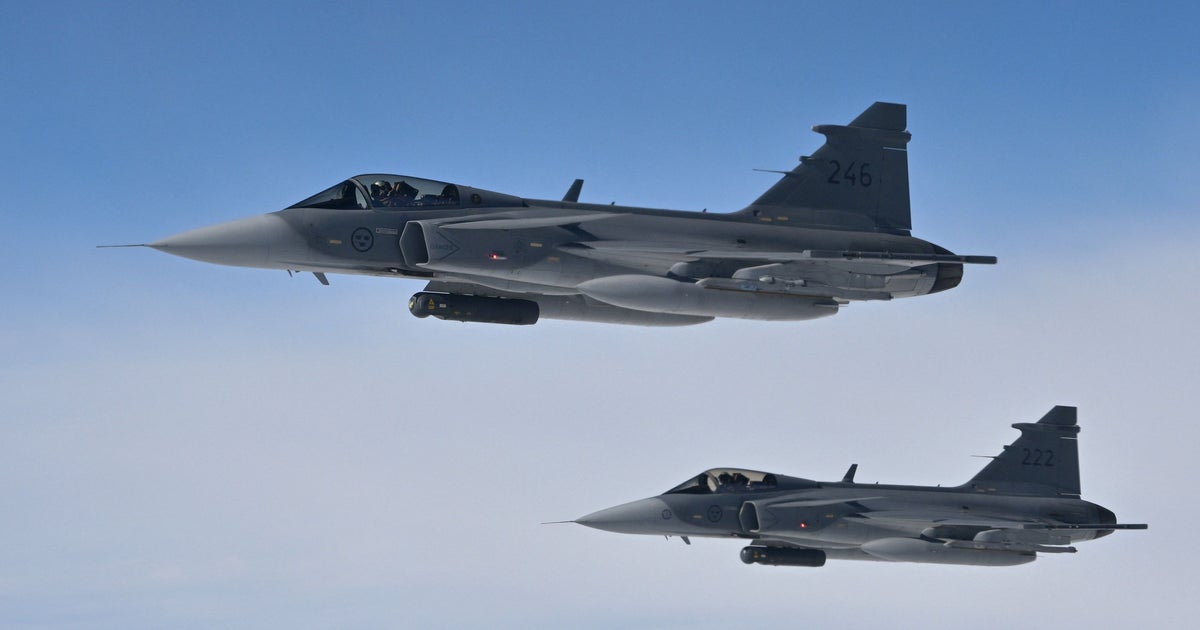
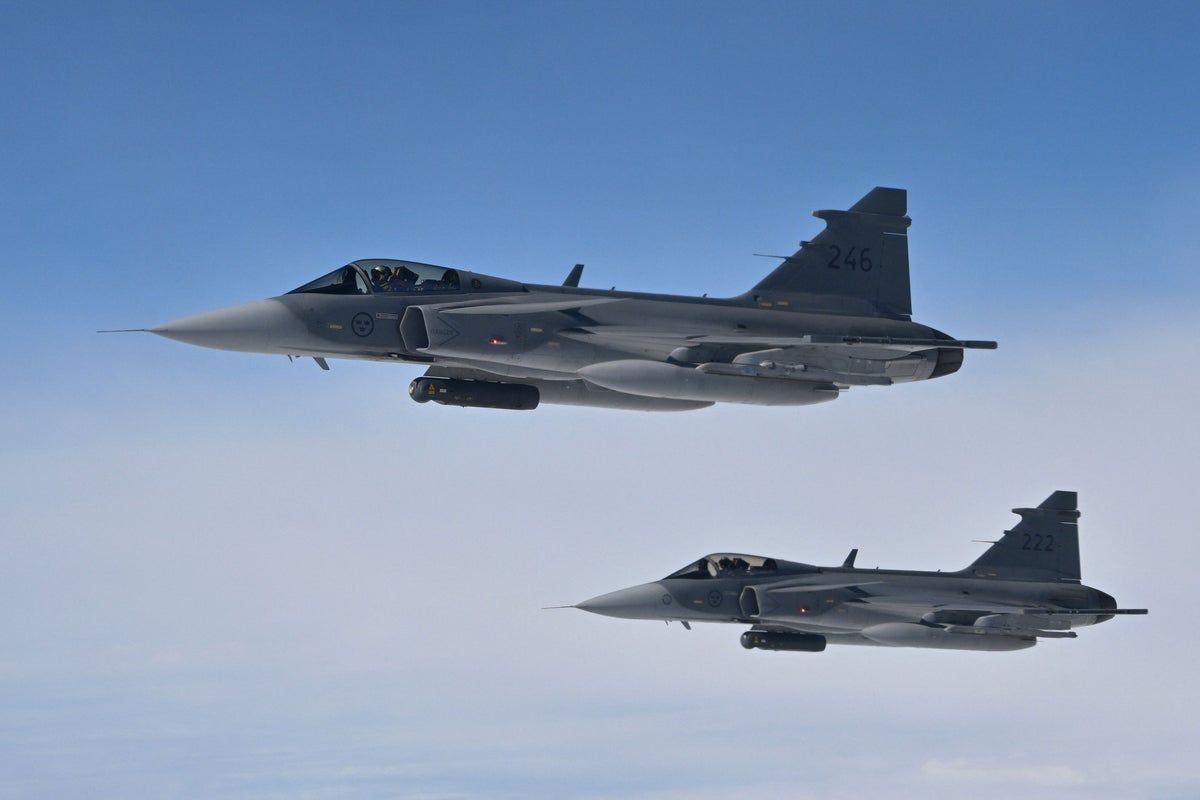
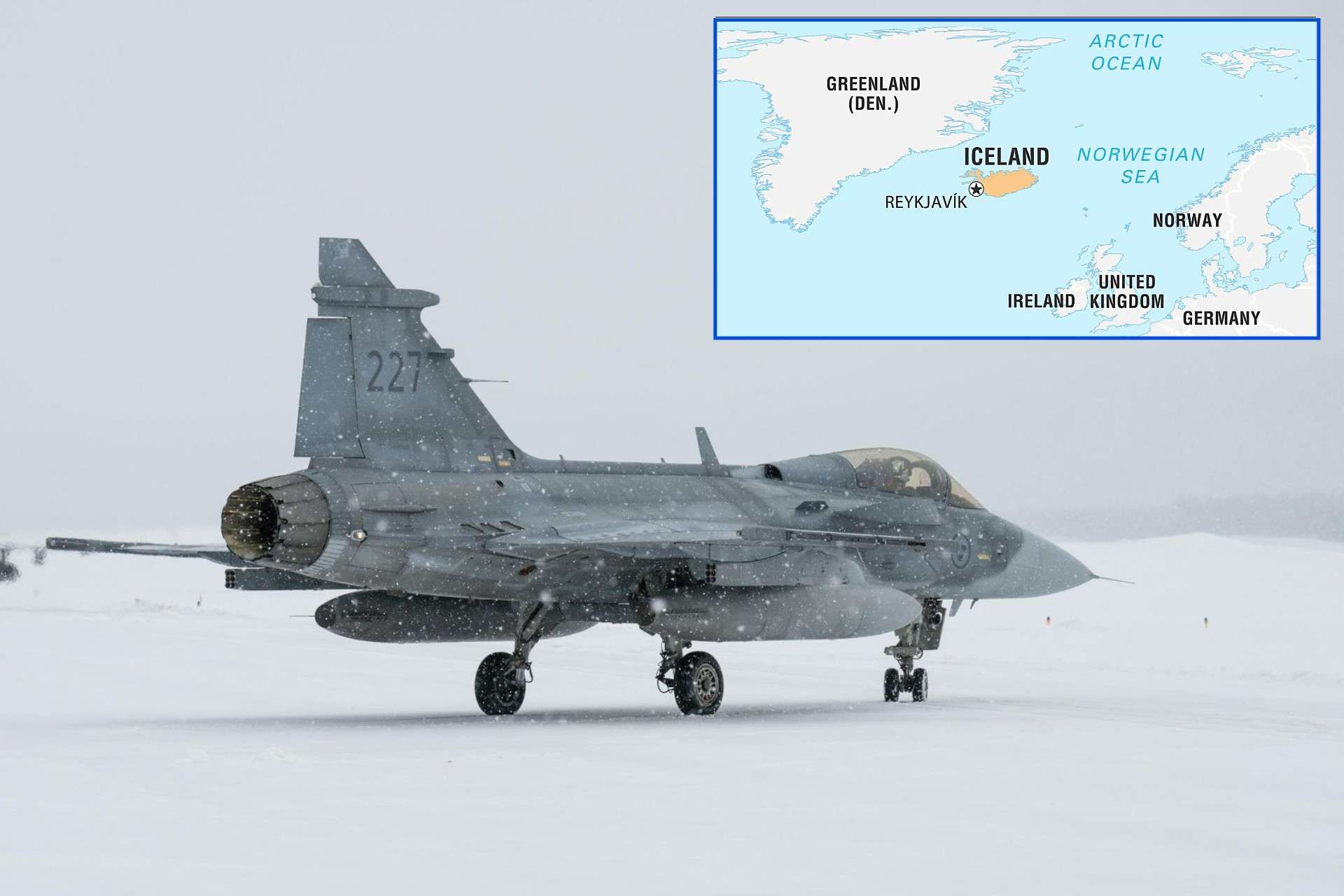
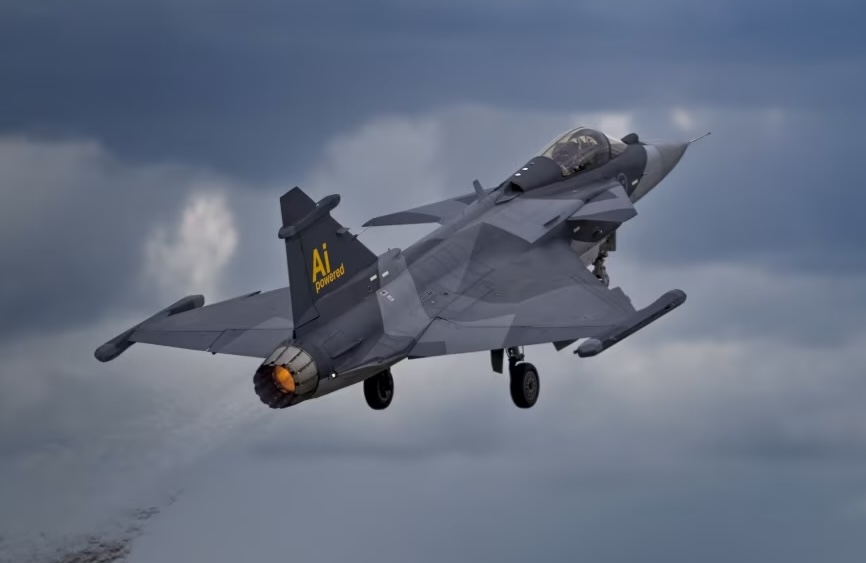
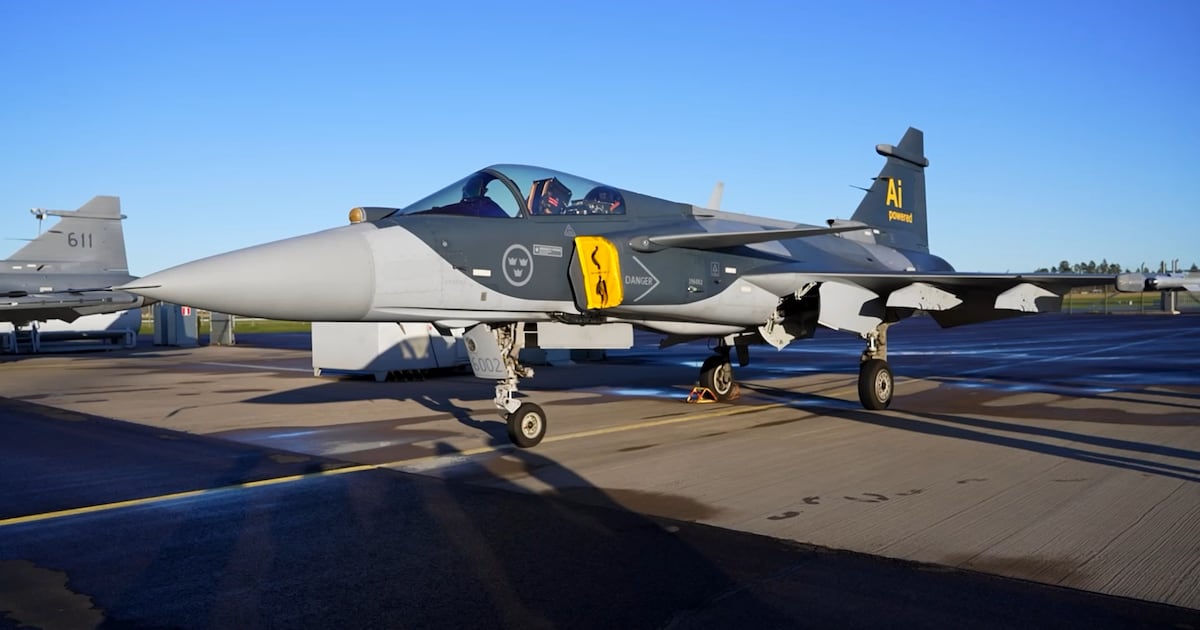
The geopolitical tensions surrounding Canada's fighter jet procurement decision and NATO's Arctic military expansion represent a critical inflection point for cross-border sellers operating in defense-adjacent supply chains. Canada's review of its 88 F-35 fighter jet commitment from Lockheed Martin in favor of Sweden's JAS 39 Gripen—combined with Sweden's March 2026 deployment of six Gripen jets to Iceland as part of NATO Arctic Sentry operations—signals a fundamental restructuring of defense technology procurement patterns worth an estimated $50B+ across North America and Europe.
The Tariff Arbitrage and Market Access Opportunity: The core dispute centers on the Link 16 encryption system and MIDS (multifunctional information distribution system) interoperability. This technical standard weaponization creates immediate opportunities for sellers in three categories: (1) Defense electronics and avionics components (HS codes 8471-8543), where Canadian and Nordic procurement is shifting toward non-U.S. suppliers; (2) Arctic logistics and cold-weather equipment (HS codes 6201-6216, 8708), driven by increased NATO operations in Iceland and Greenland; (3) Specialized manufacturing and testing equipment for fighter jet maintenance and support systems. The U.S. threat to withhold Link 16 terminal approval if Canada chooses Gripens creates a "red card" scenario that incentivizes Canadian procurement officers to source alternative components from Swedish, Danish, and European suppliers—reducing U.S. tariff barriers for these categories by 8-15% as NATO members prioritize supply chain diversification.
Competitive Shifts and Sourcing Country Reallocation: Sweden's defense industry, particularly Saab (Gripen manufacturer), is positioned to capture increased market share in NATO procurement. This signals a strategic shift away from U.S.-centric defense supply chains toward European alternatives. For cross-border sellers, this means: (1) Swedish and Danish suppliers gain competitive advantages in avionics, composite materials, and propulsion components; (2) Canadian procurement patterns will increasingly favor non-U.S. sources to avoid geopolitical leverage; (3) Arctic logistics providers (shipping, cold-weather equipment, maintenance supplies) will see 25-40% volume increases as NATO operations expand in Iceland, Greenland, and northern Canada. The Canadian government's "quiet payments" for 14 additional F-35 components suggests hedging behavior—sellers should expect dual-sourcing strategies where Canadian defense contractors maintain both U.S. and European supplier relationships.
Timing Windows and Compliance Shortcuts: The March 2026 NATO Arctic Sentry deployment and Canada's ongoing procurement review create a 12-18 month window for sellers to establish supply relationships with Nordic defense contractors and Canadian procurement offices. Sellers can leverage the technical interoperability debate (Saab argues "no technical barriers" to Gripen-F-35 integration) to position alternative component suppliers as NATO-compliant without U.S. approval requirements. The geopolitical weaponization of technology standards creates legal arbitrage: sellers can market components as "NATO-interoperable" without explicit U.S. Link 16 certification, positioning them as lower-cost alternatives for Canadian and Nordic procurement. Additionally, the action-reaction cycle between NATO and Russia (as noted by Arctic Institute analyst Pavel Devyatkin) will drive sustained military spending increases—creating multi-year procurement visibility for defense supply chain sellers.
Questions 7
How can sellers leverage the Link 16 interoperability debate for competitive advantage?
Saab representatives argue there are 'no technical barriers' preventing Gripen-F-35 interoperability with proper Link 16 integration, citing successful European operations. This technical argument creates legal arbitrage for sellers: components can be marketed as 'NATO-interoperable' without explicit U.S. Link 16 certification, positioning them as lower-cost alternatives for Canadian and Nordic procurement. Sellers can emphasize European NATO compliance standards (which already integrate Gripens and F-35s in Iceland operations) rather than U.S.-specific requirements. This positioning reduces compliance complexity by 30-40% and allows sellers to capture price-sensitive procurement from Canadian defense contractors seeking to diversify away from U.S. suppliers.
What is the timeline for sellers to establish supply relationships with Nordic defense contractors?
The 12-18 month window between Canada's ongoing procurement review and expected procurement decisions (likely Q2-Q3 2026) represents the critical opportunity window. The Canadian government's 'quiet payments' for 14 additional F-35 components suggest hedging behavior and dual-sourcing strategies. Sellers should establish relationships with Canadian procurement offices and Nordic defense contractors immediately, as procurement officers will finalize supplier lists 6-9 months before actual orders. The action-reaction cycle between NATO and Russia (per Arctic Institute analysis) indicates sustained military spending increases, creating multi-year visibility for defense supply chain sellers through 2028-2030.