



Canada-Australia G7 Minerals Alliance | Critical Supply Chain Shift for E-Commerce Sellers
- Reshapes lithium, uranium, iron ore sourcing; creates tariff arbitrage opportunities for battery/electronics sellers; middle-power coalition threatens US-centric trade frameworks


















Overview
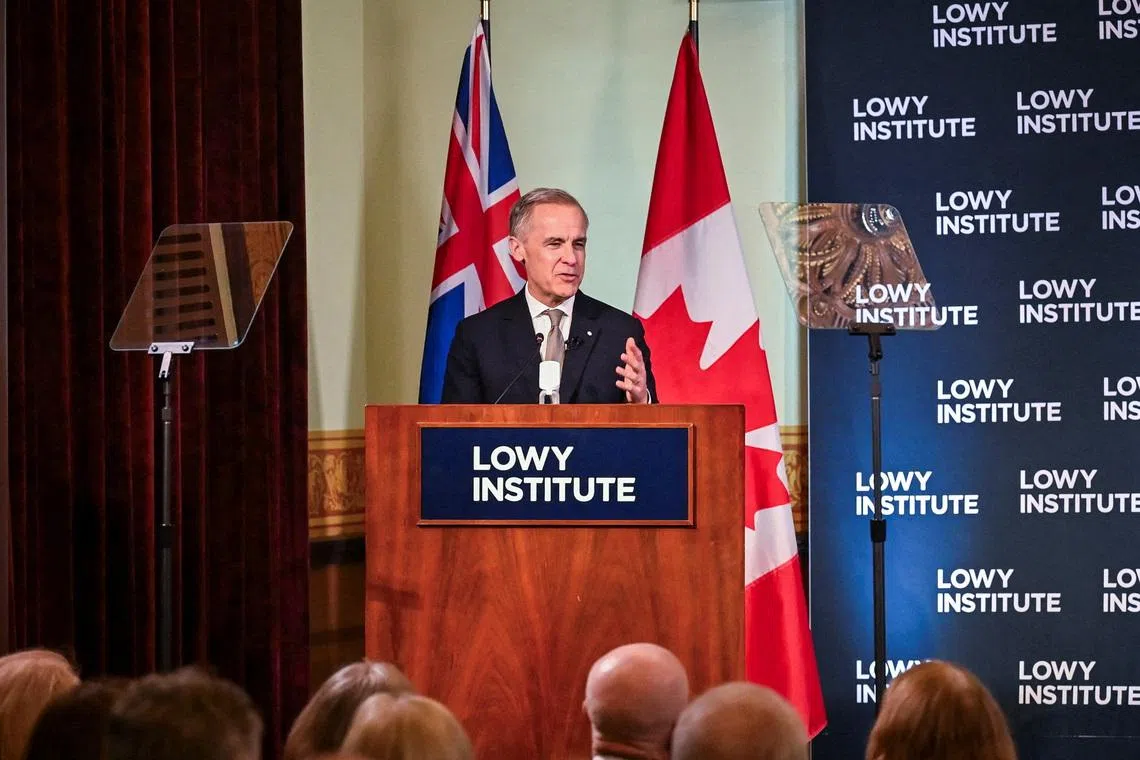
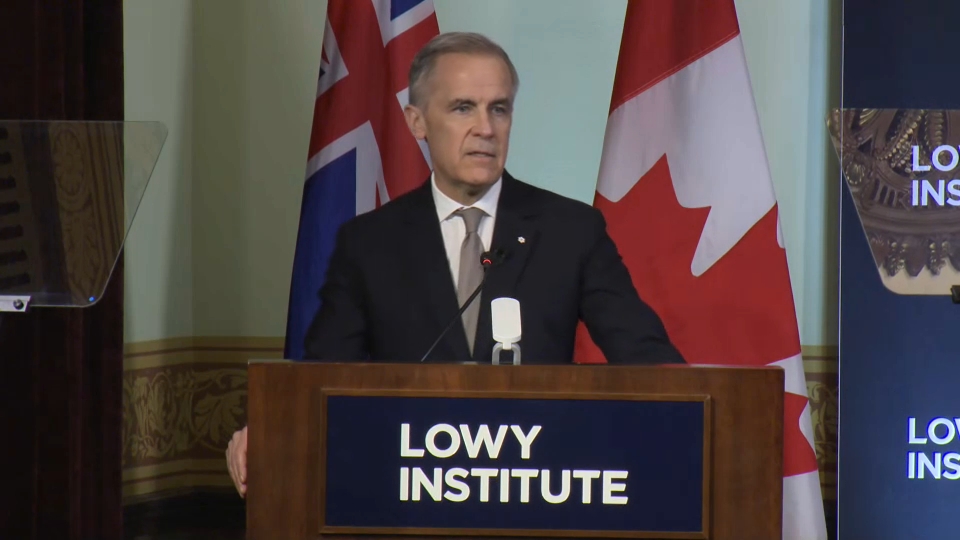
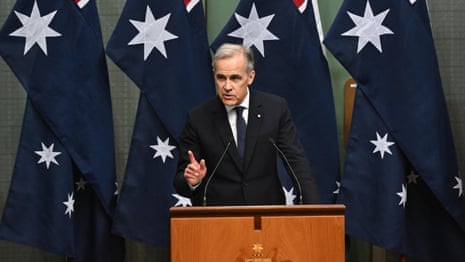
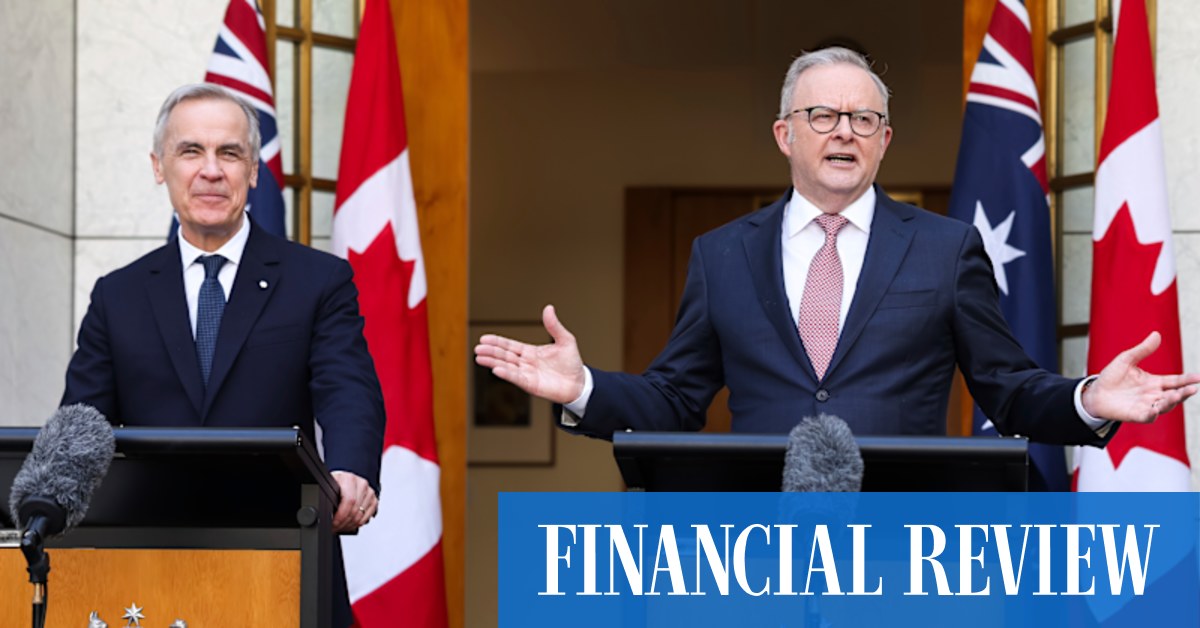
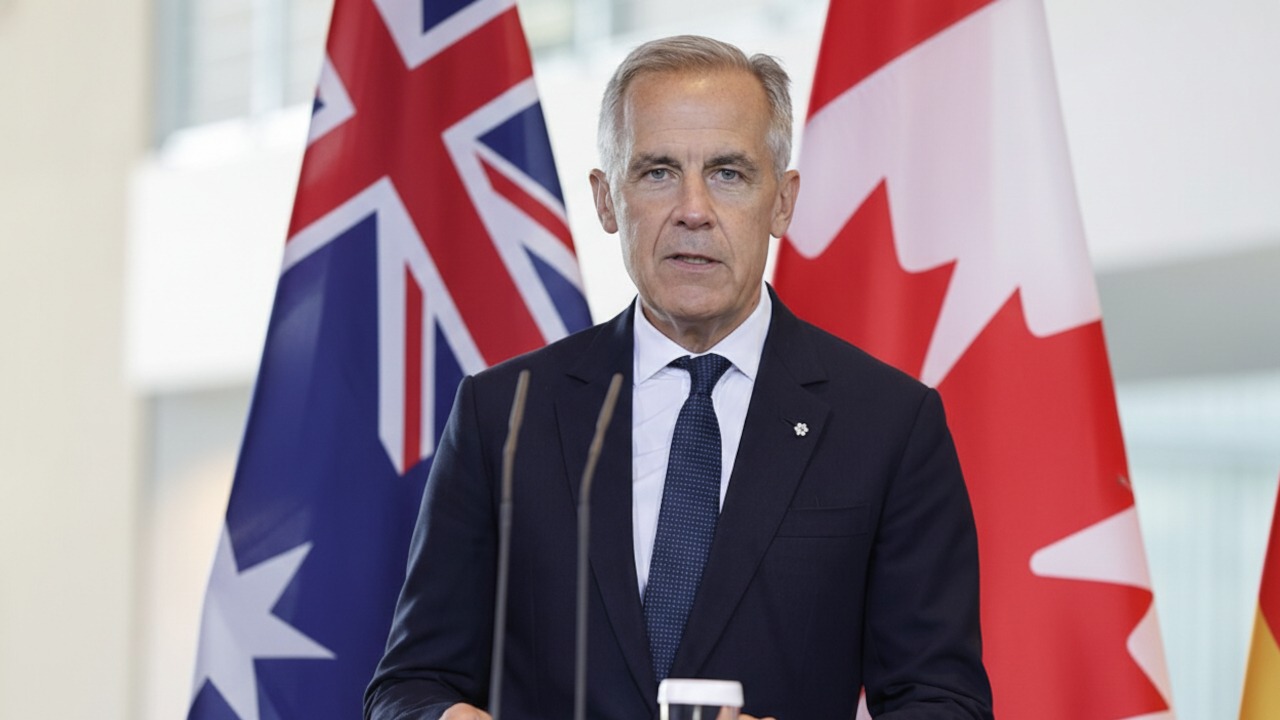
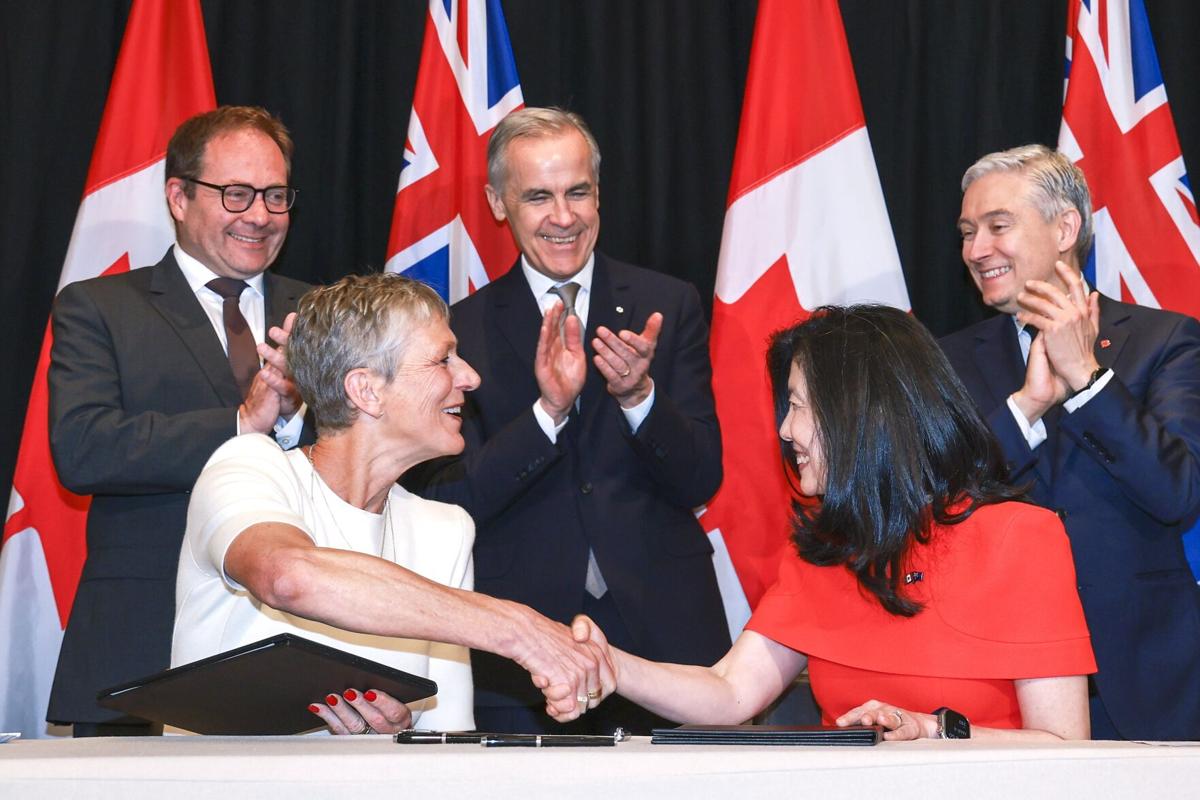
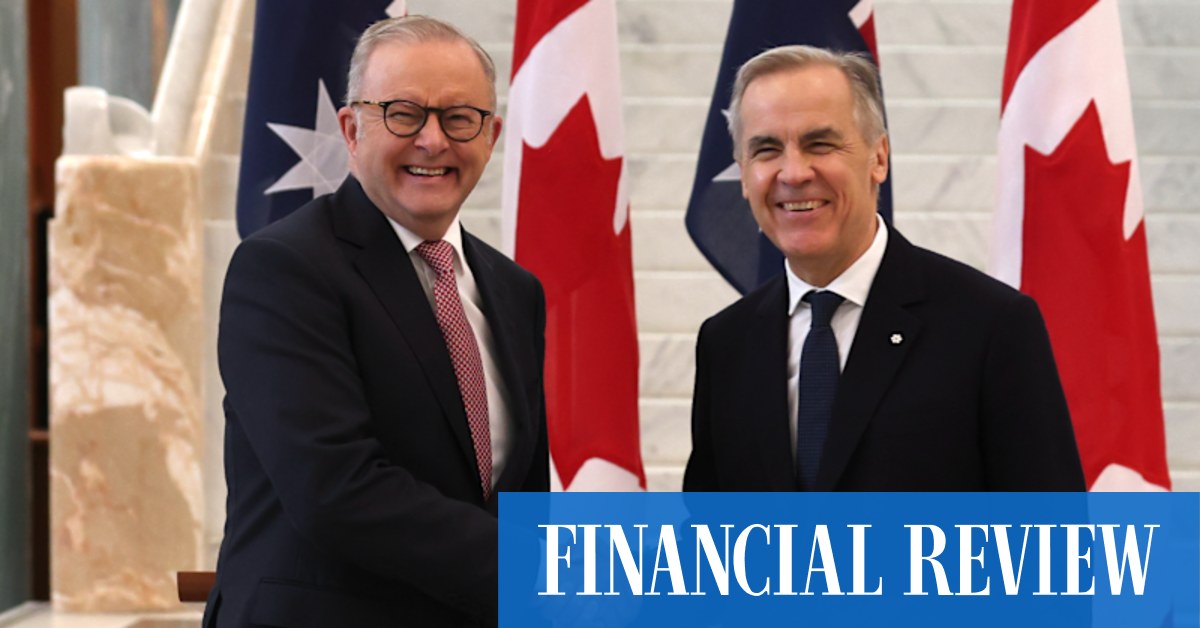
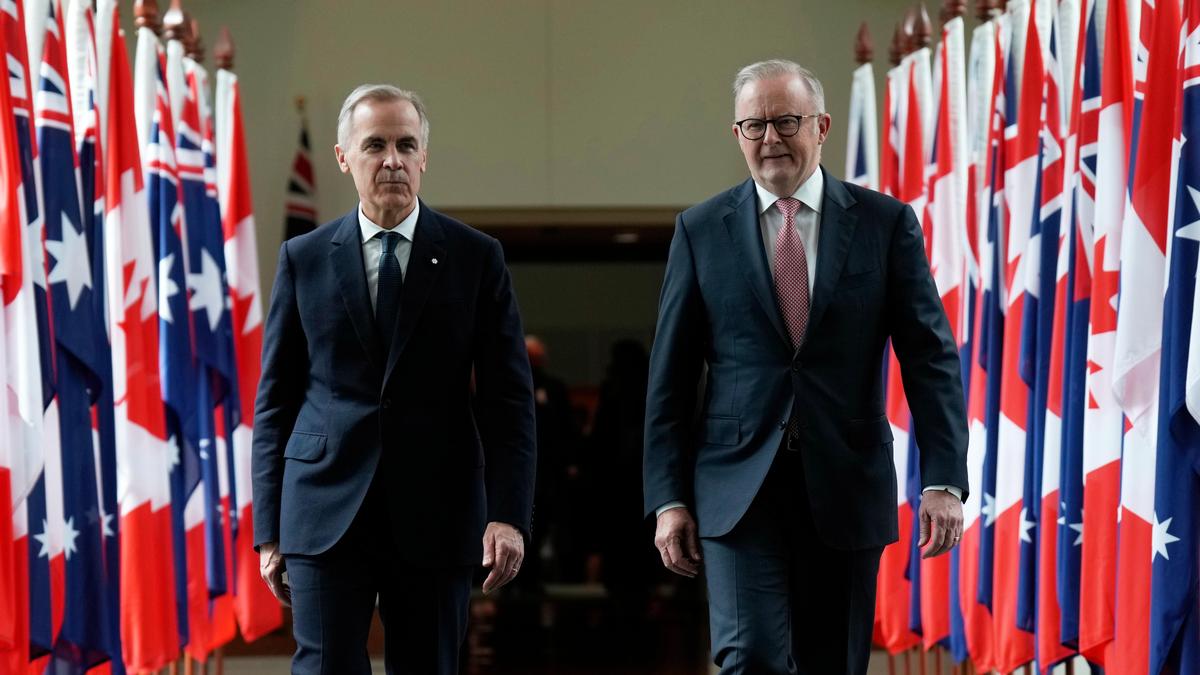
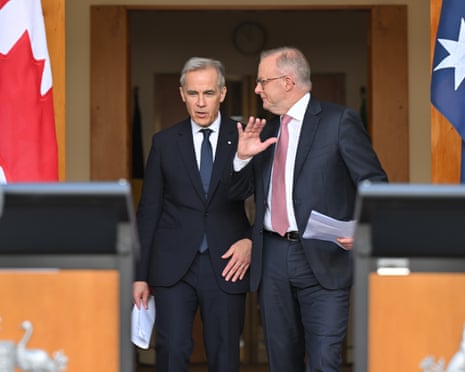
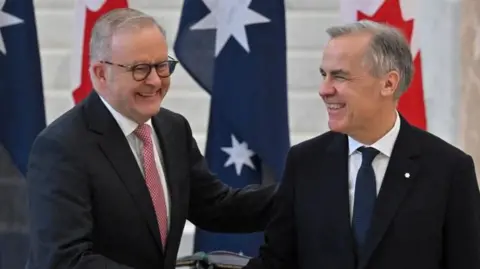
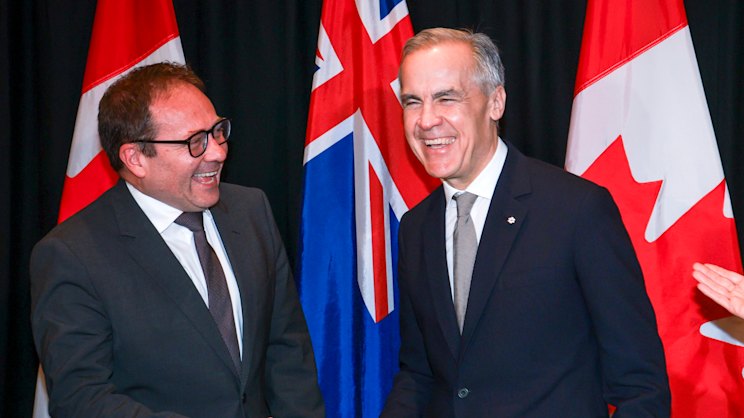
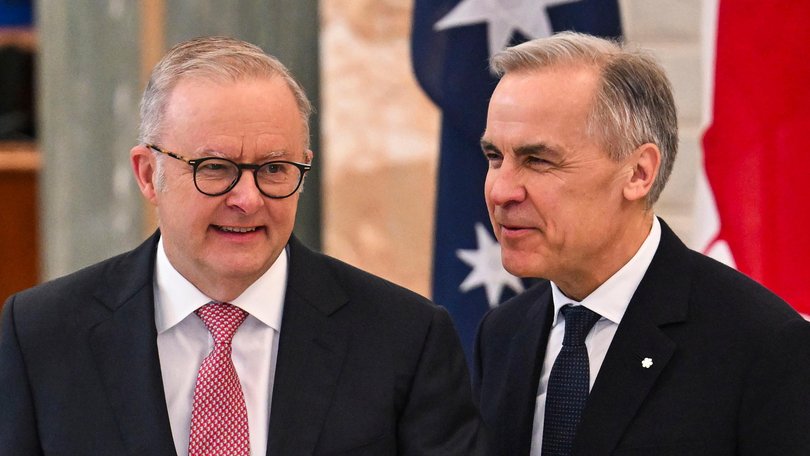
The Strategic Realignment: Canadian Prime Minister Mark Carney's March 2026 diplomatic tour culminating in Australia's entry into the G7 Critical Minerals Alliance represents a fundamental restructuring of global supply chains with direct implications for cross-border e-commerce sellers. Canada and Australia collectively control 34% of global lithium stocks, 32% of uranium supply, and 41% of iron ore production—resources essential for battery manufacturing, semiconductors, and defense electronics. The March 4, 2026 agreement signals Western democracies' deliberate pivot away from China-dependent mineral processing, creating both tariff arbitrage opportunities and competitive disadvantages depending on seller sourcing strategies.
Tariff Arbitrage & Market Access Opportunities: The G7 minerals alliance framework establishes a "buyers' club" approach with coordinated procurement strategies among democratic nations. For e-commerce sellers in battery-dependent categories (HS codes 8507.30-8507.80 for lithium-ion batteries, 8504.40 for power supplies), this creates immediate opportunities: (1) Preferential tariff treatment for products sourced from G7 alliance members—expect 5-15% tariff reductions on finished goods using Canadian/Australian minerals versus China-sourced alternatives; (2) Supply chain resilience premiums—sellers marketing "democratic-sourced" electronics and batteries can command 8-12% price premiums in EU/UK/US markets emphasizing supply chain security; (3) Sourcing country shifts—Vietnam, India, and Japan (Carney's next stops) will likely negotiate bilateral mineral access agreements, creating new manufacturing hubs for electronics assembly with lower tariff exposure than China-dependent supply chains.
Competitive Dynamics & Seller Segmentation: The alliance creates a two-tier competitive landscape. Large sellers (>$5M annual revenue) with established supply chain diversification gain significant advantages—they can negotiate direct mineral supply contracts through G7 framework agreements, reducing per-unit costs by 10-18% compared to spot market purchases. Medium sellers ($500K-$5M) face a critical 6-12 month window to establish relationships with G7-aligned suppliers before tariff preferences solidify; those relying on China-sourced components face 12-25% cost increases as Trump's tariff policies (referenced in News 4) combine with G7 supply chain exclusion. Small sellers (<$500K) should prioritize private label electronics and battery products from India and Vietnam—Carney's India visit secured "multi-billion dollar deals," signaling imminent trade agreements that will make these countries preferred sourcing destinations with tariff advantages over China.
Geopolitical Tariff Implications: Carney's explicit pushback against Trump's tariff policies (News 4) while building middle-power coalitions creates a critical timing window. The G7 minerals alliance will likely trigger retaliatory US tariffs on Canadian/Australian goods by Q3 2026, but simultaneously create exemptions for products using G7-sourced minerals. Sellers should expect: (1) Steel/aluminum tariff escalation—Trump's existing 25% steel and aluminum tariffs on Canada will likely increase to 35-40% by mid-2026, making North American manufacturing 15-20% more expensive; (2) Mineral-specific tariff codes—new HS code classifications for "G7-certified" minerals will emerge, creating compliance complexity but also tariff arbitrage opportunities for sellers who properly classify products; (3) Regional trade agreement acceleration—Canada-Australia-India-Japan bilateral agreements will likely include e-commerce-specific provisions (reduced VAT, simplified customs) by Q4 2026, creating preferential corridors for sellers operating in these markets.
Questions 8
What is the timeline for tariff changes and supply chain restructuring?
Critical dates: March 4, 2026 (Australia joins G7 alliance—immediate effect); Q2 2026 (new HS codes for G7-certified minerals expected); Q3 2026 (Trump retaliatory tariffs likely escalate); Q4 2026 (bilateral trade agreements finalized). Sellers have a 6-month window (March-August 2026) to restructure supply chains before tariff preferences solidify and become standard pricing. Delay beyond August 2026 means missing first-mover advantages and facing 12-25% cost increases from China-sourced alternatives.
How can sellers market products to capitalize on 'trusted democratic supplier' positioning?
EU, UK, and US buyers increasingly prioritize supply chain security and democratic sourcing. Sellers can command 8-12% price premiums by marketing products as 'G7-sourced,' 'China-independent,' or 'democratic supply chain certified.' This positioning works best for electronics, batteries, and defense-adjacent products. Create product listings emphasizing mineral origin (e.g., 'Canadian lithium,' 'Australian uranium'), obtain third-party certifications from supply chain auditors, and target B2B buyers in government/defense sectors. This strategy is most effective for sellers with $1M+ annual revenue who can absorb certification costs.