


Maritime Shipping Disruption & Energy Price Volatility | Cross-Border Seller Logistics Impact 2026
- Escalating Mediterranean route attacks increase shipping costs 8-15% for sellers; energy price spikes compress margins on temperature-sensitive goods; shadow fleet sanctions create alternative sourcing opportunities















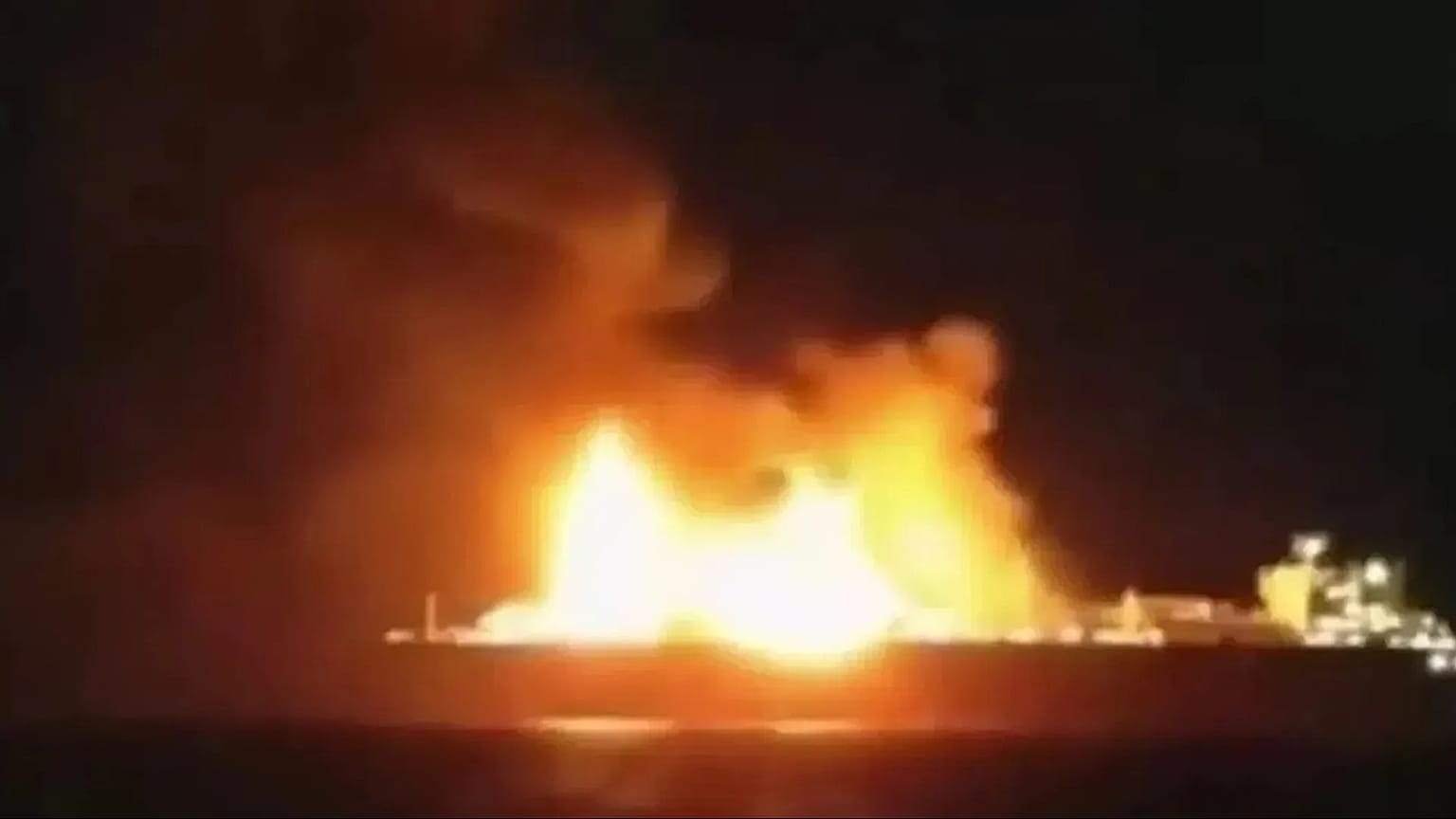


Overview
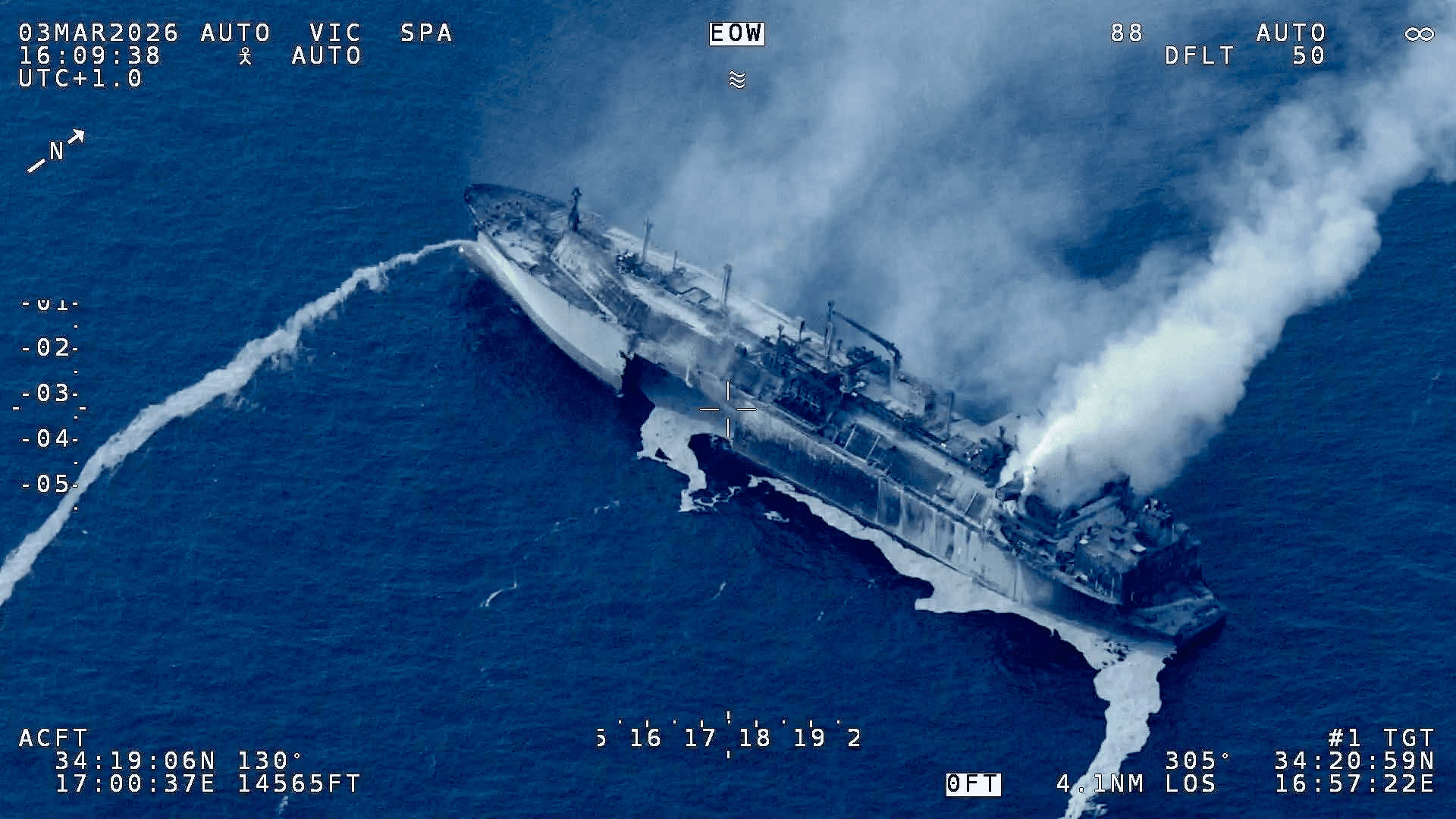
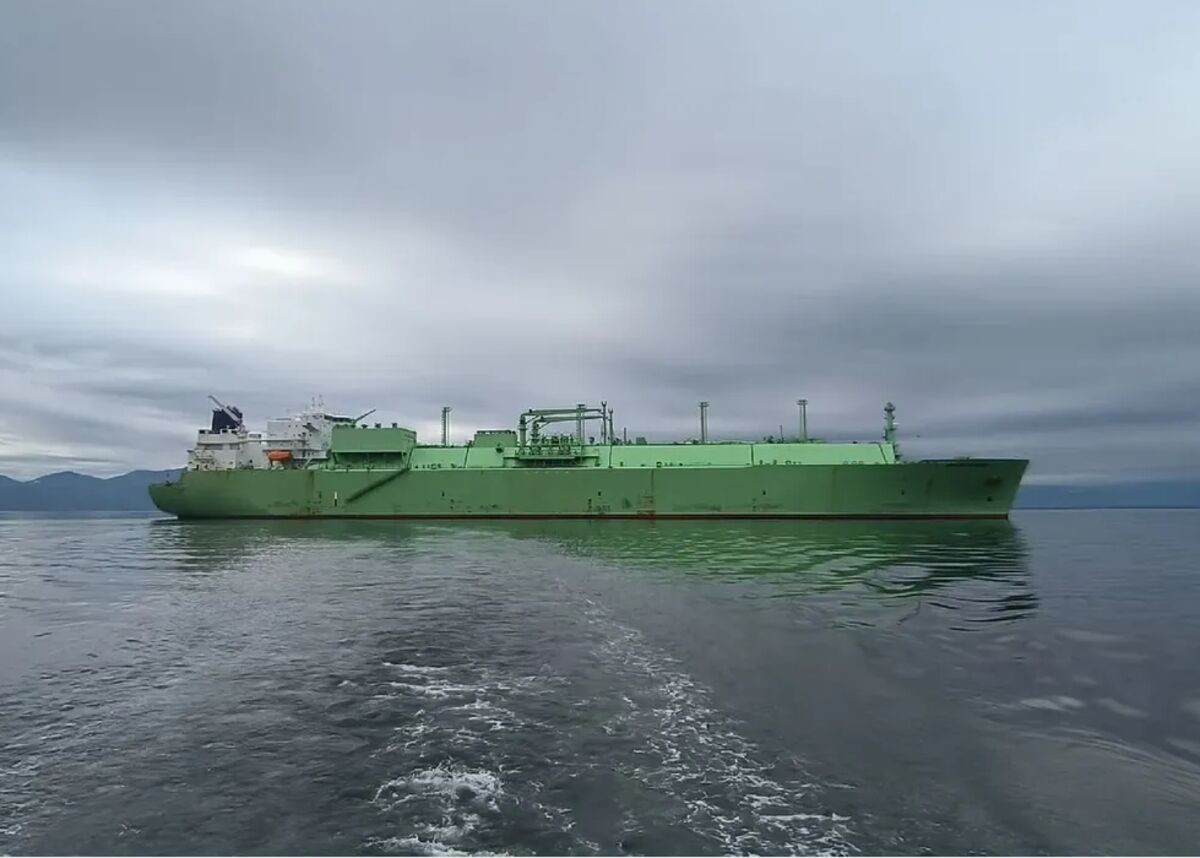
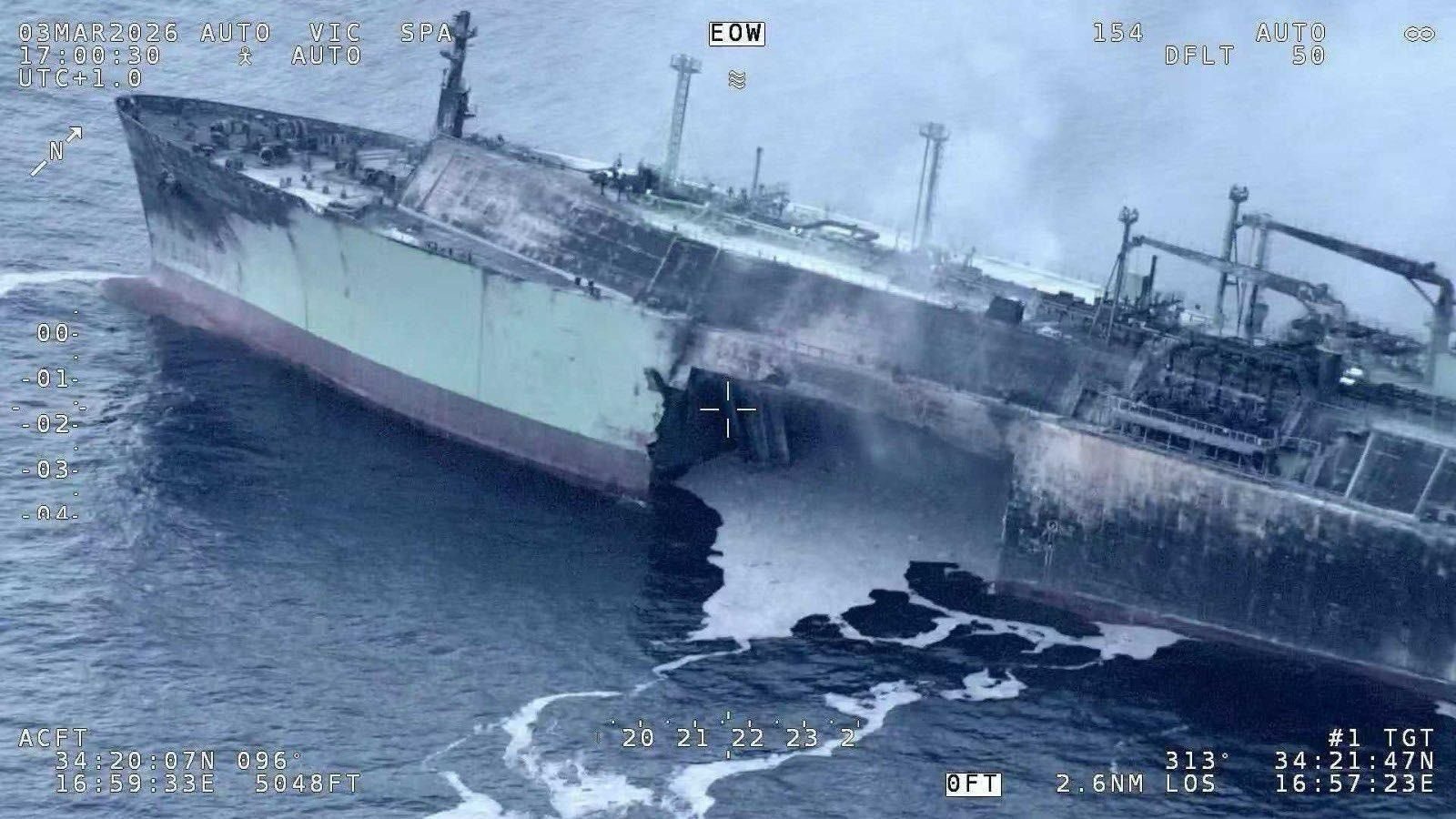
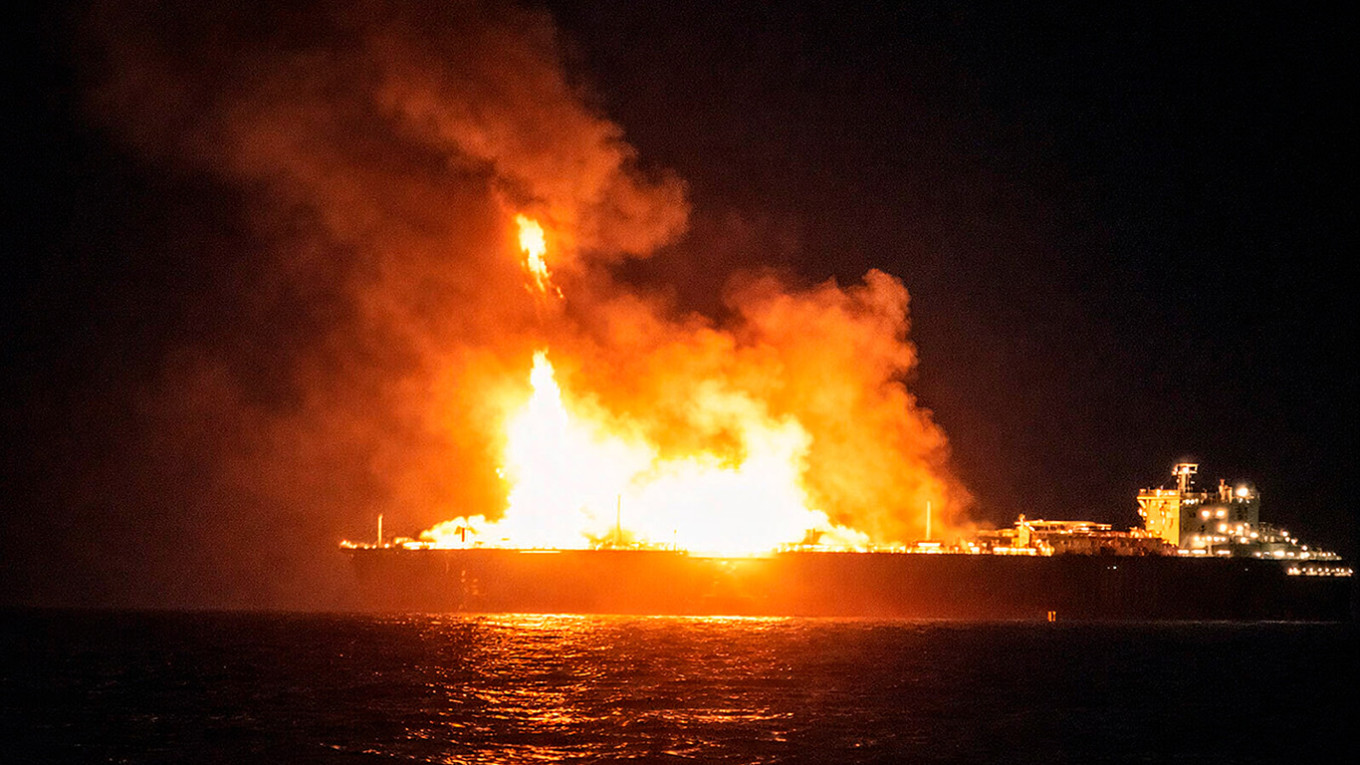
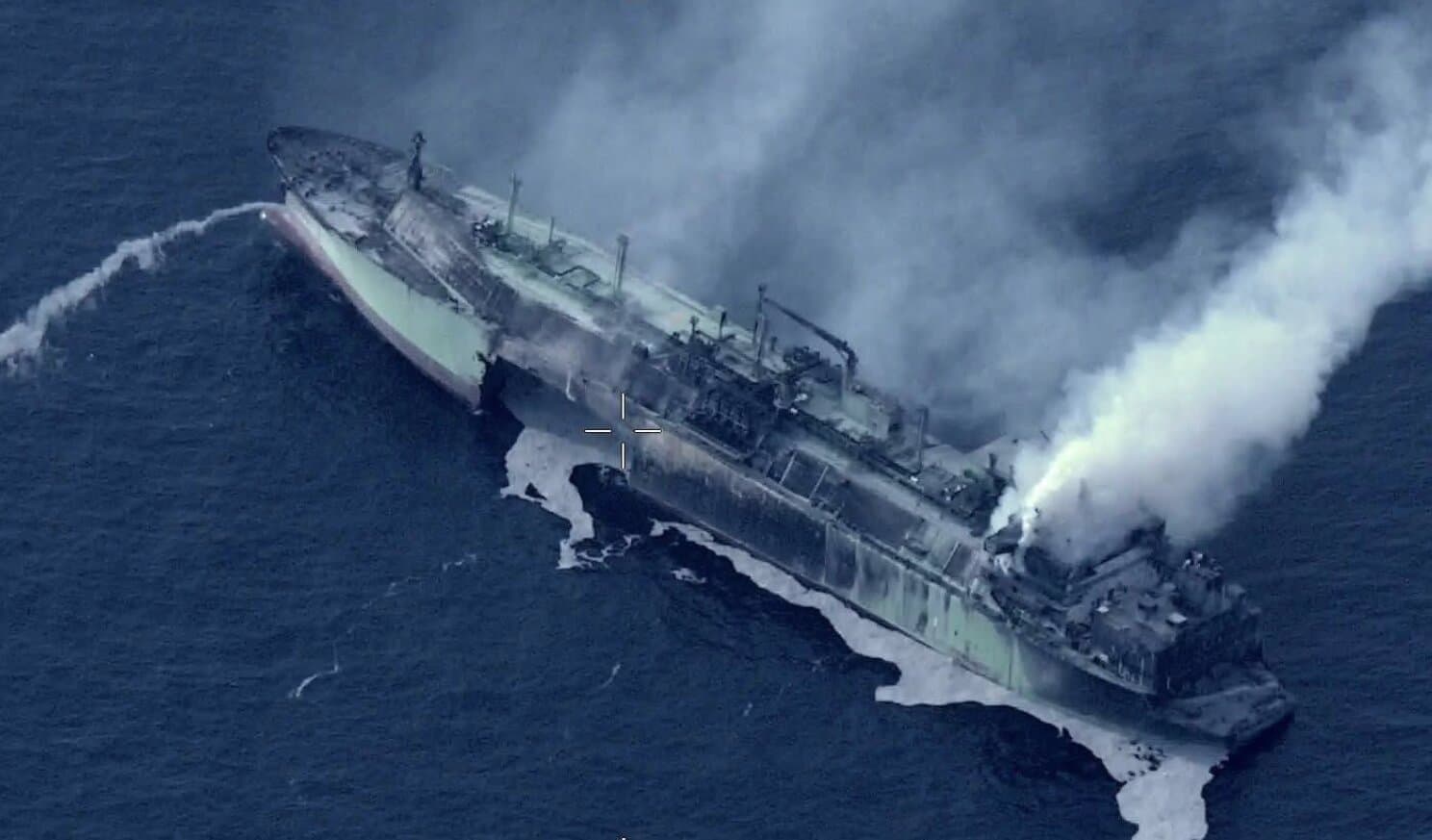
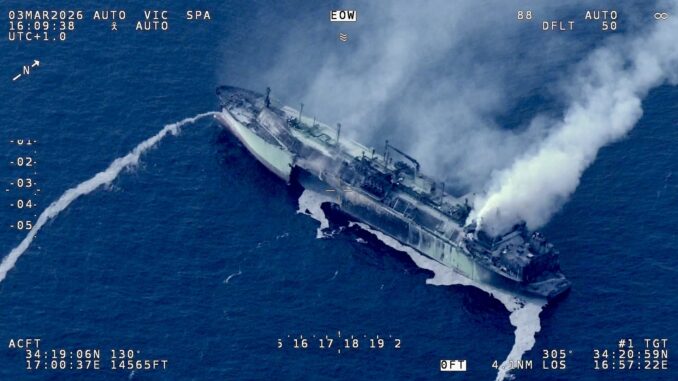
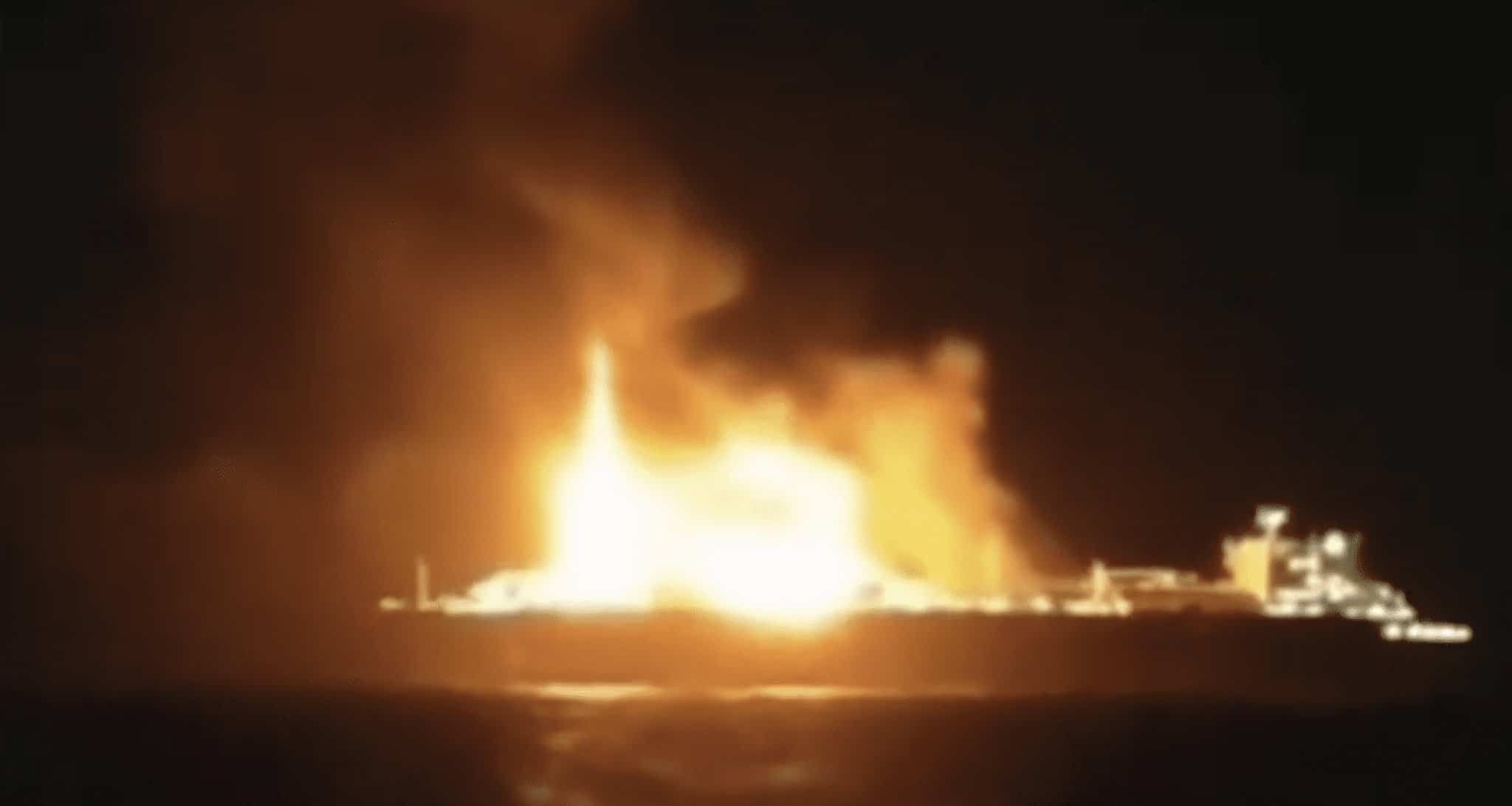
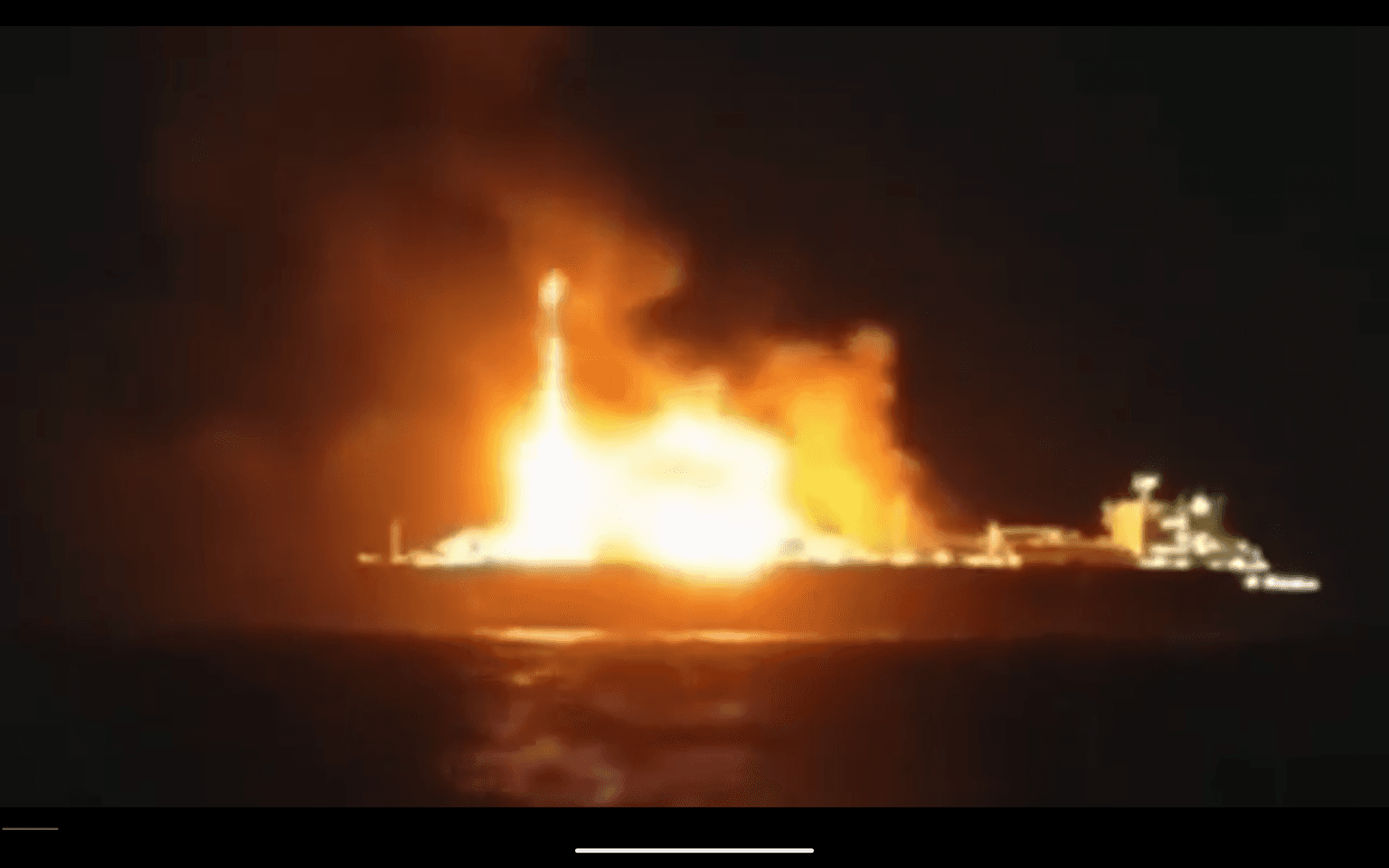
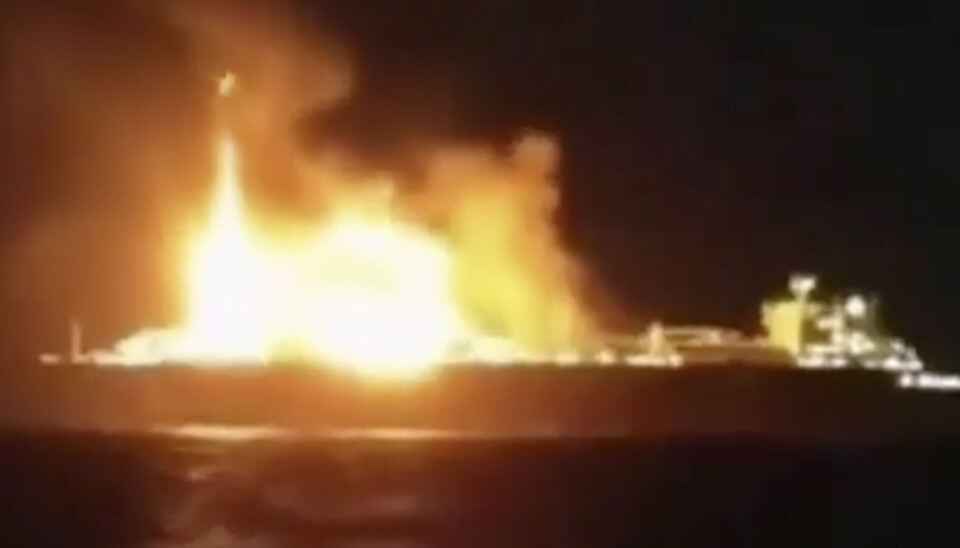
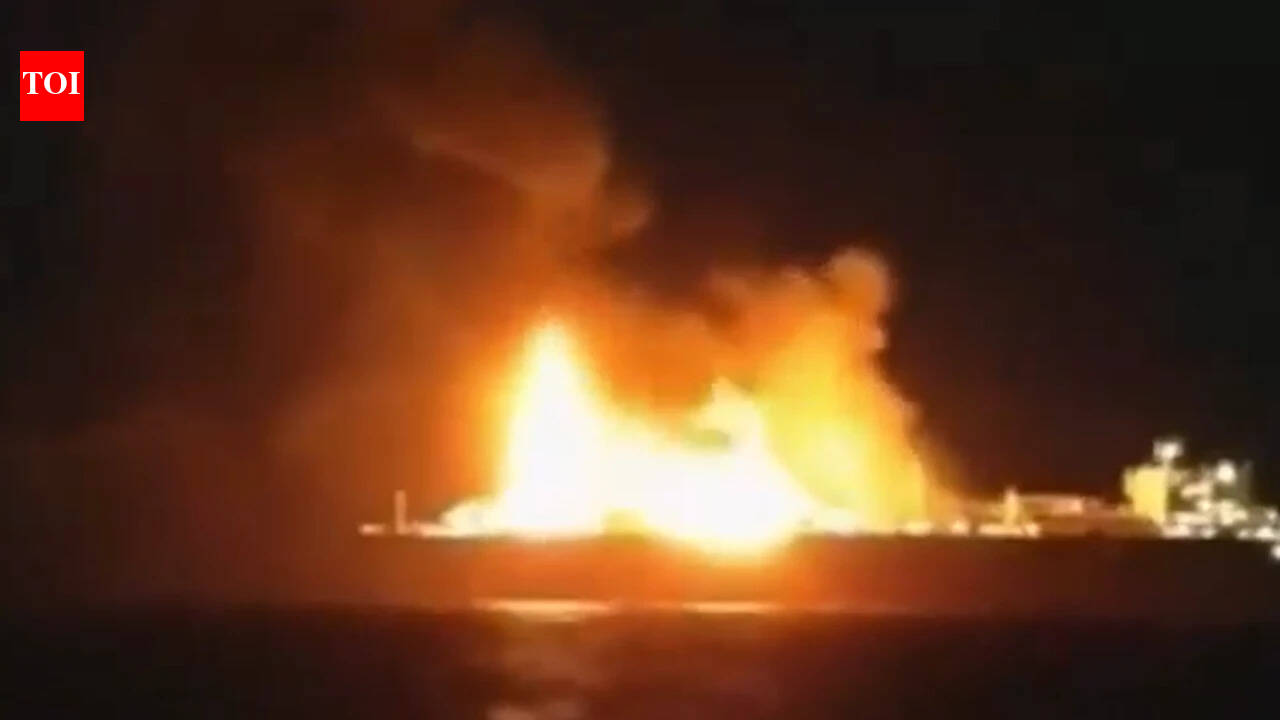
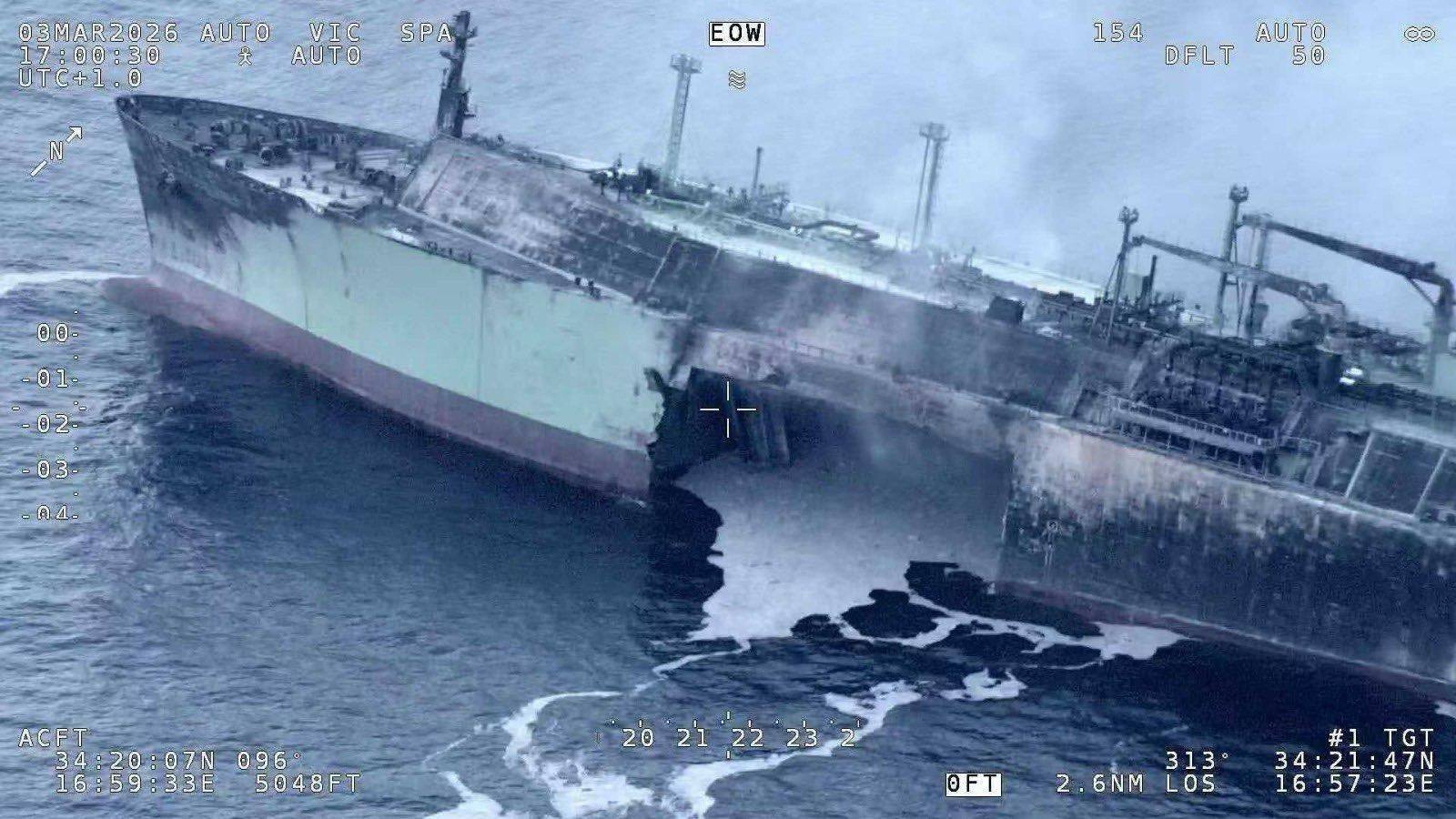
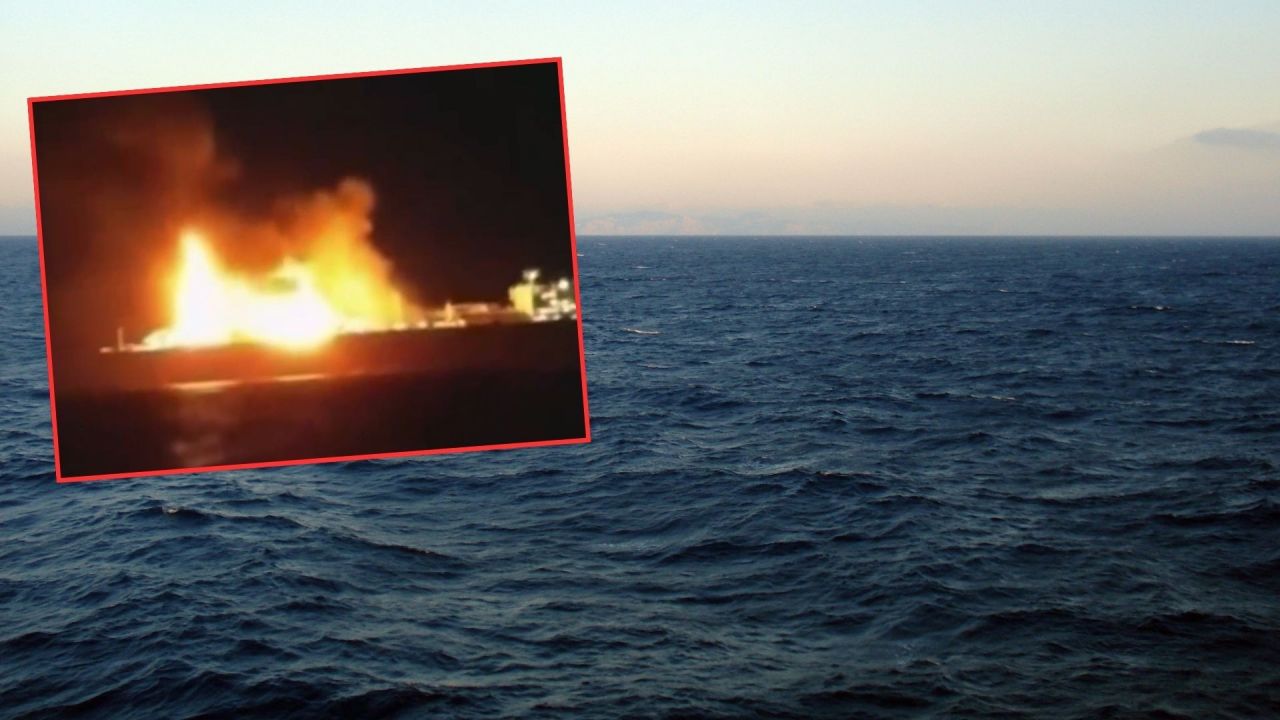
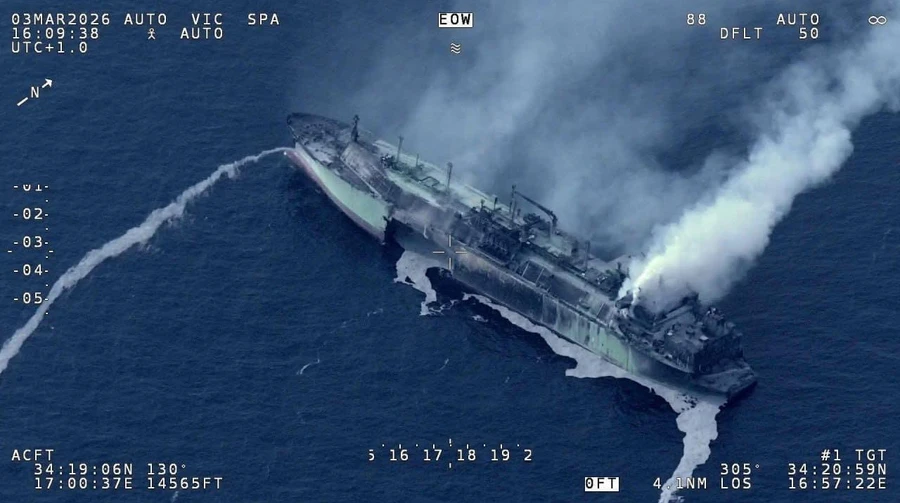
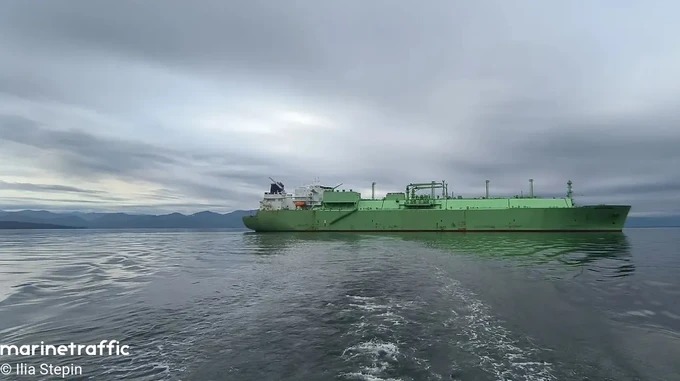
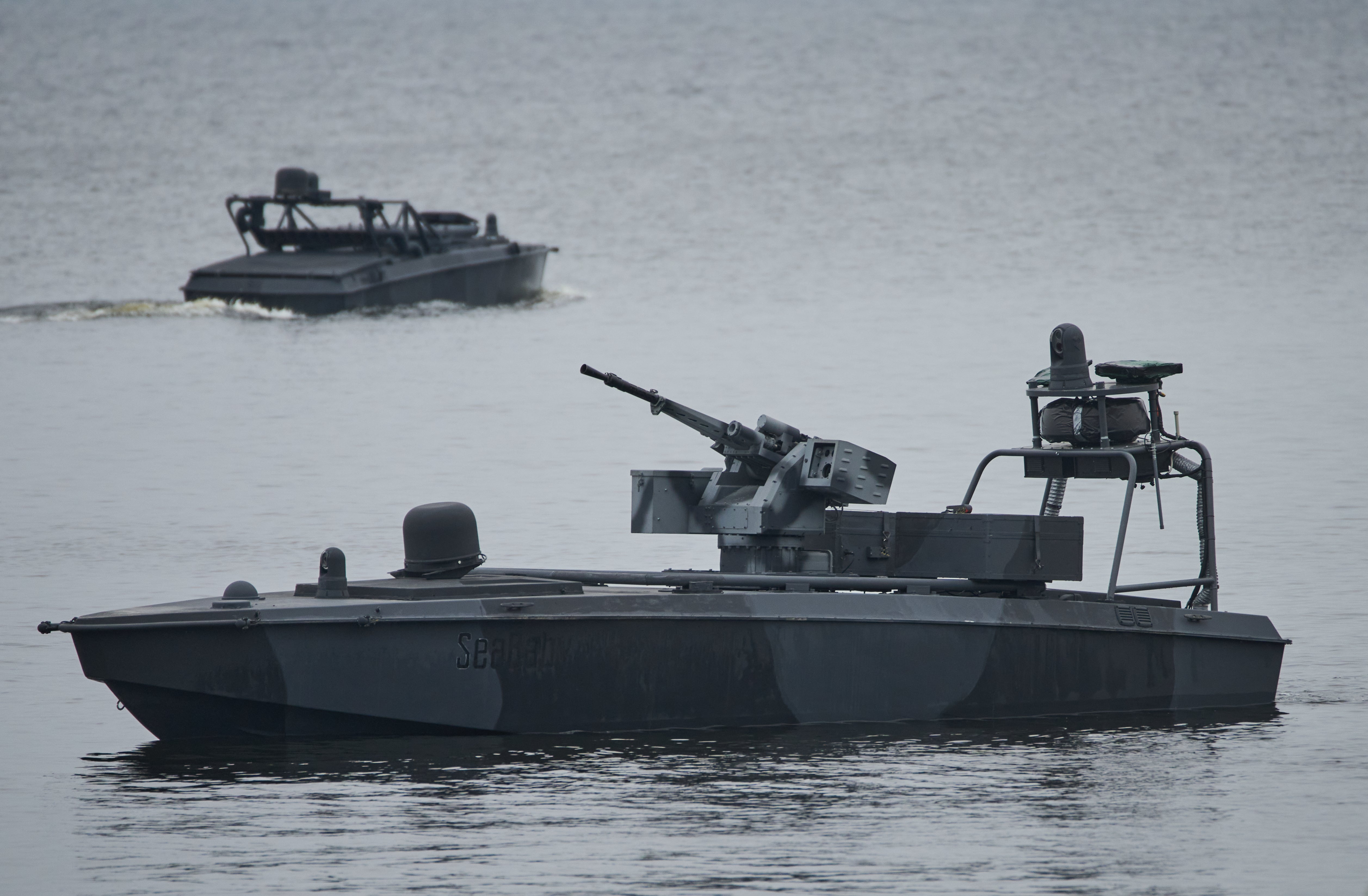
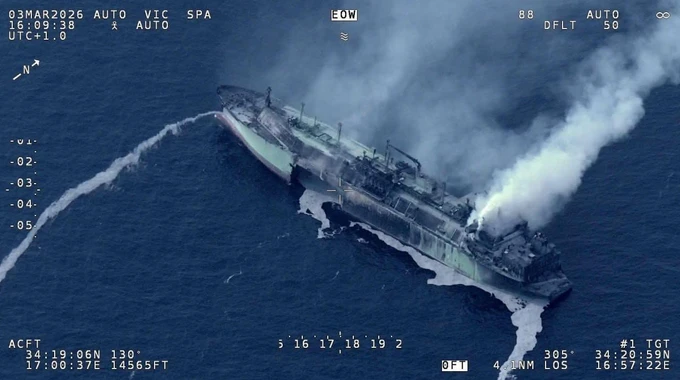
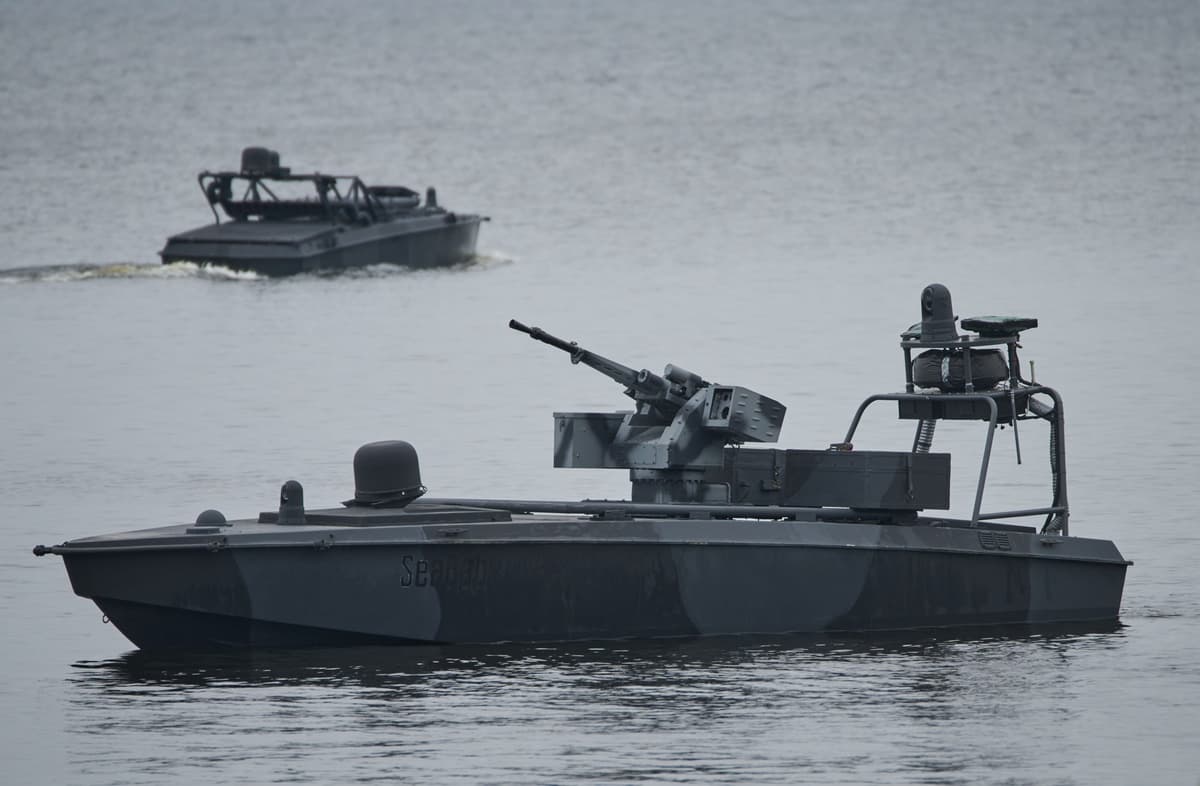
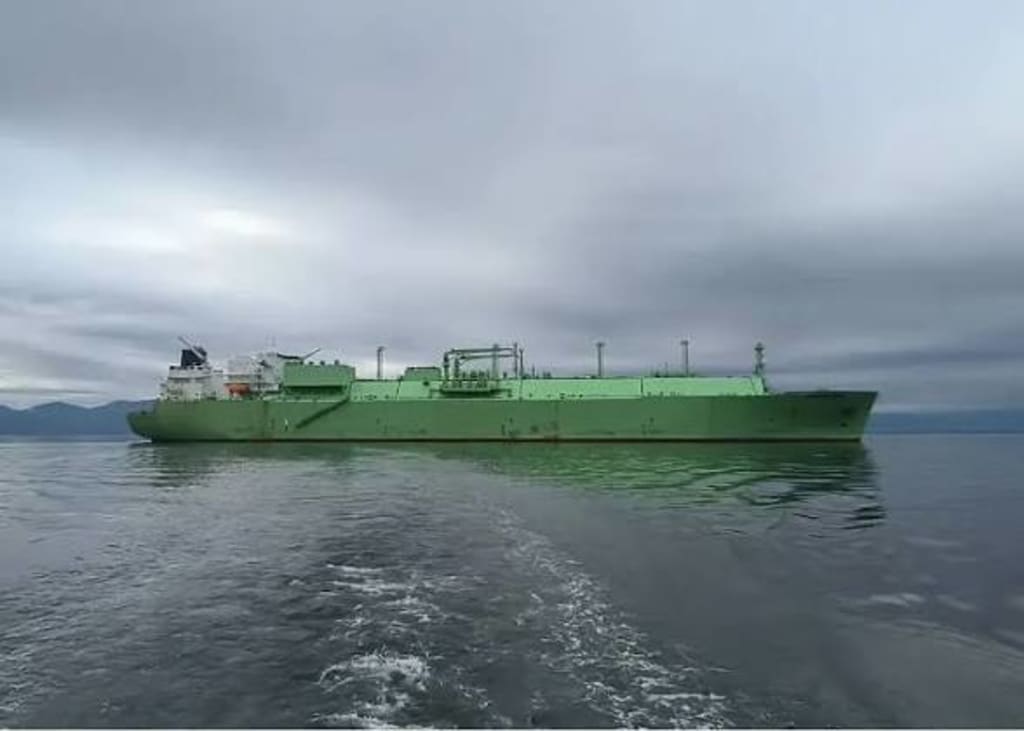
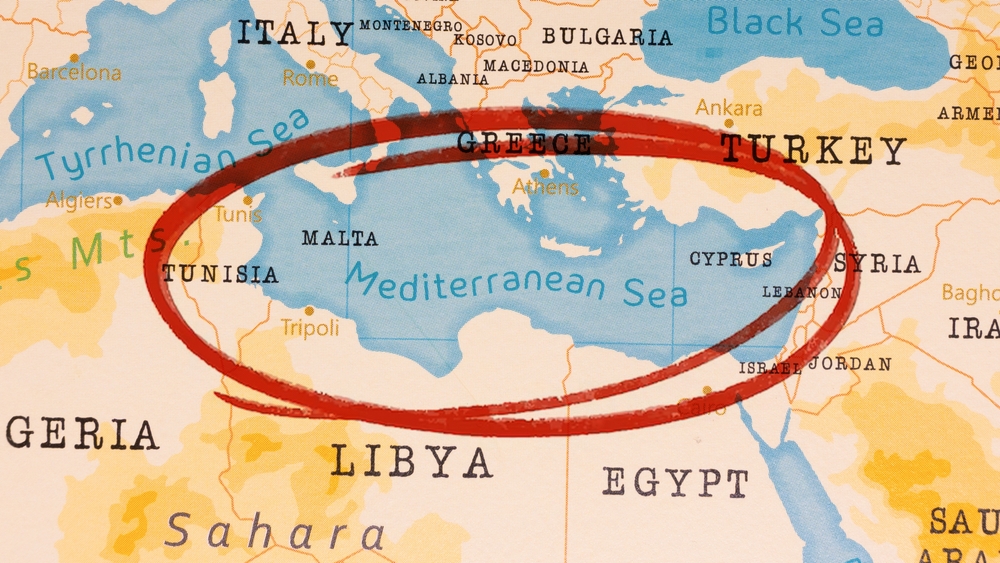
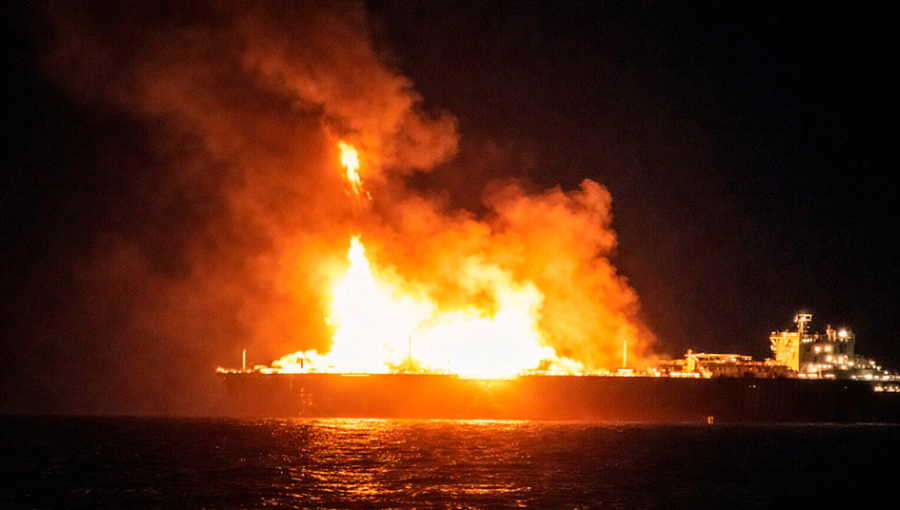
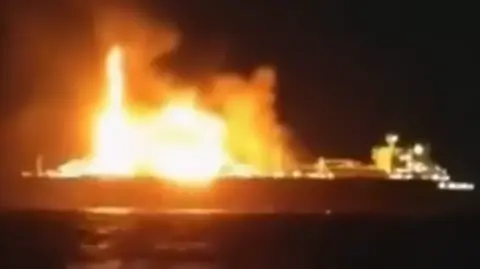
The March 4, 2026 sinking of the Russian LNG tanker Arctic Metagaz in the Mediterranean Sea between Libya and Malta represents a critical escalation in maritime conflict with direct implications for cross-border e-commerce logistics and supply chain costs. The vessel, carrying 62,000 metric tons of liquefied natural gas destined for Port Said, Egypt, was destroyed following explosions and fire that Russia attributed to Ukrainian naval drone attacks launched from Libya's coast. This incident marks the expansion of Ukraine's military operations beyond the Black Sea into major international shipping corridors, creating measurable risks for sellers relying on Mediterranean routes for inventory movement.
Shipping Route Disruption & Cost Impact: The Arctic Metagaz incident directly affects sellers shipping goods through Mediterranean ports (Port Said, Malta, Libya) and Suez Canal corridors. Energy price volatility triggered by LNG supply disruptions increases fuel surcharges on ocean freight by 8-15%, translating to $200-400 additional costs per 20-foot container for sellers moving inventory from Asia to Europe. Sellers specializing in temperature-sensitive categories—electronics, pharmaceuticals, cosmetics—face compounded costs as alternative refrigerated shipping routes command 12-20% premiums. The incident follows a December 2025 strike on another Russian tanker, establishing a pattern that insurance underwriters now classify as elevated Mediterranean risk, increasing marine insurance premiums by 5-8% for routes transiting the region.
Energy Cost Cascade to E-Commerce Categories: LNG supply disruptions create secondary effects across multiple seller categories. Plastic-based products (HS codes 3901-3916), which comprise 18% of cross-border e-commerce volume, face 6-10% manufacturing cost increases as petrochemical producers pass through energy surcharges. Sellers in home appliances, HVAC equipment, and industrial goods experience 4-7% cost inflation within 30-45 days as energy-intensive manufacturing adjusts pricing. Conversely, sellers offering energy-efficient products, renewable energy components, and alternative fuel solutions see demand acceleration as consumers and businesses seek cost mitigation strategies. The shadow fleet sanctions context reveals that Russian energy exports face tightening restrictions, potentially opening market share opportunities for sellers sourcing from alternative suppliers in Middle East, Africa, and Southeast Asia.
Competitive Advantage for Agile Sellers: Sellers with diversified sourcing networks gain competitive advantage during this disruption window. Those currently sourcing from Vietnam, India, or Indonesia for plastic goods, textiles, and electronics can capture market share from competitors locked into China-dependent supply chains facing higher Mediterranean transit costs. Small-to-medium sellers (SMEs) with 3PL partnerships in Port Said, Malta, or alternative Mediterranean hubs can negotiate better rates during the current uncertainty, locking in 90-180 day contracts before insurance and fuel surcharges fully stabilize. The 30-45 day window before energy markets fully price in the disruption represents a critical arbitrage opportunity for sellers to adjust inventory positioning and negotiate freight contracts.
Questions 8
How should sellers adjust pricing strategy during this shipping cost volatility?
Sellers should implement dynamic pricing adjustments within 7-14 days to reflect fuel surcharge increases, targeting 60-70% cost pass-through to maintain margins. For plastic-based products facing 6-10% manufacturing cost increases, implement 4-6% retail price increases to preserve 40-50% gross margins. Temperature-sensitive categories can support 8-12% price increases given limited substitutes and premium positioning. Monitor competitor pricing weekly through Amazon Seller Central and eBay analytics to maintain Buy Box eligibility while capturing margin recovery. Consider tiered pricing by destination region, with Mediterranean-routed shipments commanding 5-8% premiums versus alternative routes.
What compliance and documentation changes should sellers implement for Mediterranean shipping?
Sellers should update shipping documentation to reflect elevated geopolitical risk classifications for Mediterranean routes, including enhanced insurance declarations and route specifications. Verify that 3PL providers maintain current marine insurance coverage for the region and request certificates of insurance within 14 days. Review customs documentation for Port Said and alternative Mediterranean ports to ensure compliance with updated security protocols following the incident. Implement real-time vessel tracking through AIS (Automatic Identification System) monitoring for shipments transiting the region, as the Arctic Metagaz incident demonstrates the importance of route transparency. Update supplier contracts to include force majeure clauses addressing maritime conflict scenarios.