



Middle East LNG Crisis Triggers Global Shipping Cost Surge | Cross-Border Seller Impact
- Energy supply disruption drives 8-15% shipping cost increases for air freight and temperature-controlled logistics sellers within weeks
/Virtuix%20-%20Made%20for%20Meta.jpg)






Overview
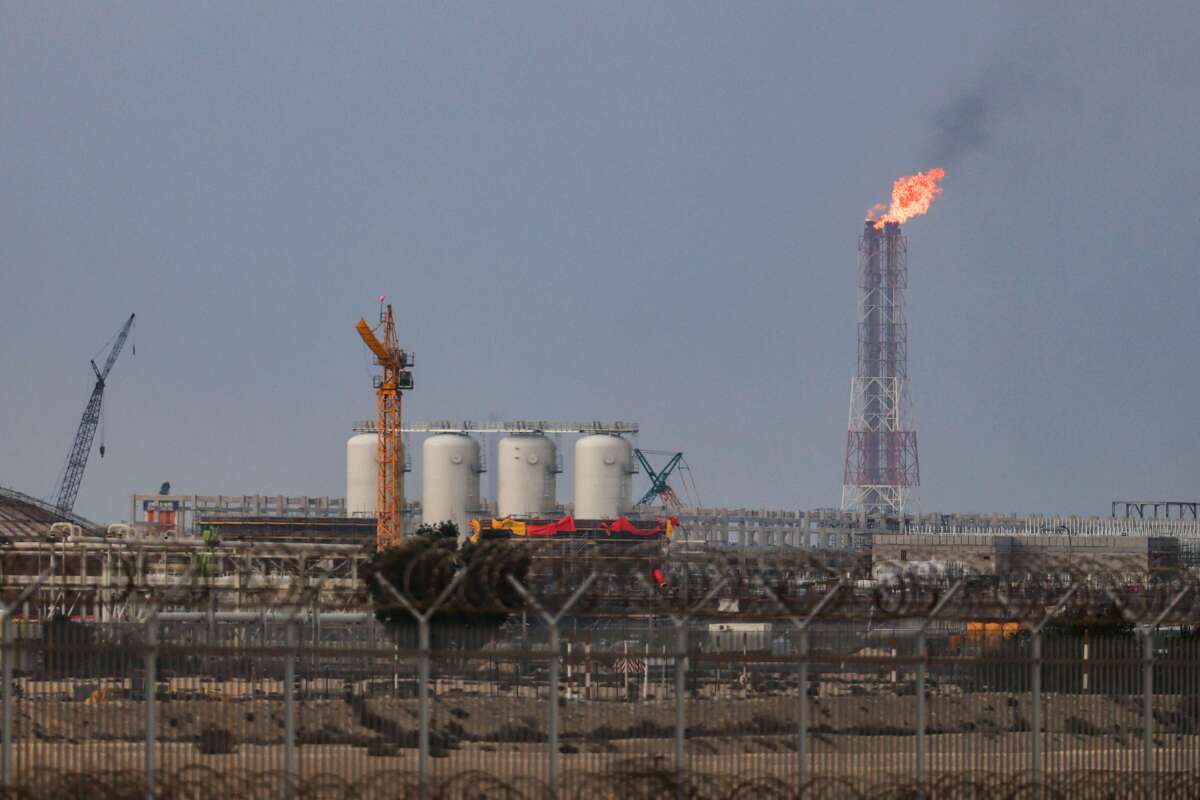
QatarEnergy's force majeure declaration following Iranian drone strikes on LNG production facilities represents a critical supply chain shock for cross-border e-commerce sellers. The world's largest LNG producer halted all operations and invoked force majeure—a legal mechanism releasing companies from contractual obligations during extraordinary circumstances—signaling management expects prolonged facility downtime measured in weeks to months. This disruption directly impacts global energy prices and shipping costs, creating immediate cost pressures for sellers relying on air freight and temperature-controlled logistics.
Shipping Cost Escalation for Energy-Dependent Categories: The LNG supply disruption triggers energy price volatility that cascades through logistics networks. Sellers in perishable goods (fresh food, pharmaceuticals, cosmetics), electronics requiring climate control, and time-sensitive inventory face 8-15% shipping cost increases within 2-4 weeks as fuel surcharges activate across major carriers. Amazon FBA sellers shipping perishables via air freight to US and EU fulfillment centers will see monthly costs rise $300-800 per 1,000-unit shipments. DHL, FedEx, and UPS historically increase fuel surcharges 1-2 weeks after energy price spikes, directly affecting cross-border sellers' landed costs. Small and medium sellers (SMBs) with 500-5,000 monthly units face disproportionate margin compression since they lack negotiating power for fuel surcharge waivers that large enterprises secure.
Manufacturing Region Supply Chain Disruptions: Energy-dependent manufacturing hubs in Southeast Asia (Vietnam, Thailand, Indonesia) and South Asia (India, Bangladesh) rely on LNG imports for production facilities. Force majeure declarations typically persist 4-12 weeks depending on facility damage assessment. This creates secondary sourcing disruptions—apparel, electronics components, and consumer goods manufactured in these regions face production delays and cost increases. Sellers sourcing from Vietnam and India for Amazon FBA should expect 2-3 week lead time extensions and 5-10% price increases from suppliers passing through energy costs. The Middle East geopolitical escalation also increases insurance premiums for shipments transiting the Strait of Hormuz, adding 2-4% to landed costs for goods sourced from or transiting through the region.
Strategic Sourcing Arbitrage Opportunity: This crisis creates a 6-12 month window for sellers to shift sourcing from energy-dependent regions to alternatives. Mexico, Eastern Europe (Poland, Romania), and North Africa (Morocco, Tunisia) offer lower energy costs and reduced geopolitical exposure. Sellers can negotiate 3-6% cost reductions by shifting 20-30% of sourcing volume to these regions before competitors recognize the opportunity. This represents a competitive advantage window—early movers lock in supplier capacity and pricing before demand surge.
Questions 8
How much will my Amazon FBA shipping costs increase from the Qatar LNG crisis?
Air freight and temperature-controlled logistics costs will likely increase 8-15% within 2-4 weeks as fuel surcharges activate across carriers like DHL, FedEx, and UPS. For sellers shipping 1,000 perishable units monthly via air freight, expect monthly cost increases of $300-800 depending on destination (US vs. EU). Amazon FBA fuel surcharges typically activate 1-2 weeks after global energy price spikes. Small sellers (500-5,000 monthly units) face disproportionate margin compression since they lack negotiating power for surcharge waivers. Monitor your Seller Central dashboard for FBA fee updates and consider shifting 20-30% of inventory to ground shipping or 3PL alternatives to mitigate costs.
How long will the Qatar LNG force majeure declaration affect my supply chain?
Force majeure declarations typically remain in effect 4-12 weeks depending on facility damage assessment and repair requirements. QatarEnergy's management signaled they don't anticipate rapid restart, suggesting the longer end of this timeline. Shipping cost impacts will persist throughout this period, with fuel surcharges potentially remaining elevated even after partial production resumes. Supply chain disruptions in energy-dependent manufacturing regions will extend 2-3 weeks beyond production restart as inventory rebuilds. Plan for elevated costs through Q1 2025 and maintain 15-20% higher safety stock for critical SKUs sourced from affected regions.