





China's Historic Growth Slowdown | Supply Chain & Pricing Shifts for Cross-Border Sellers
- 4.5-5% GDP target (lowest since 1991) reshapes supplier costs, competitive pricing, and sourcing strategies for sellers relying on Chinese manufacturers and targeting Chinese consumers






























Overview
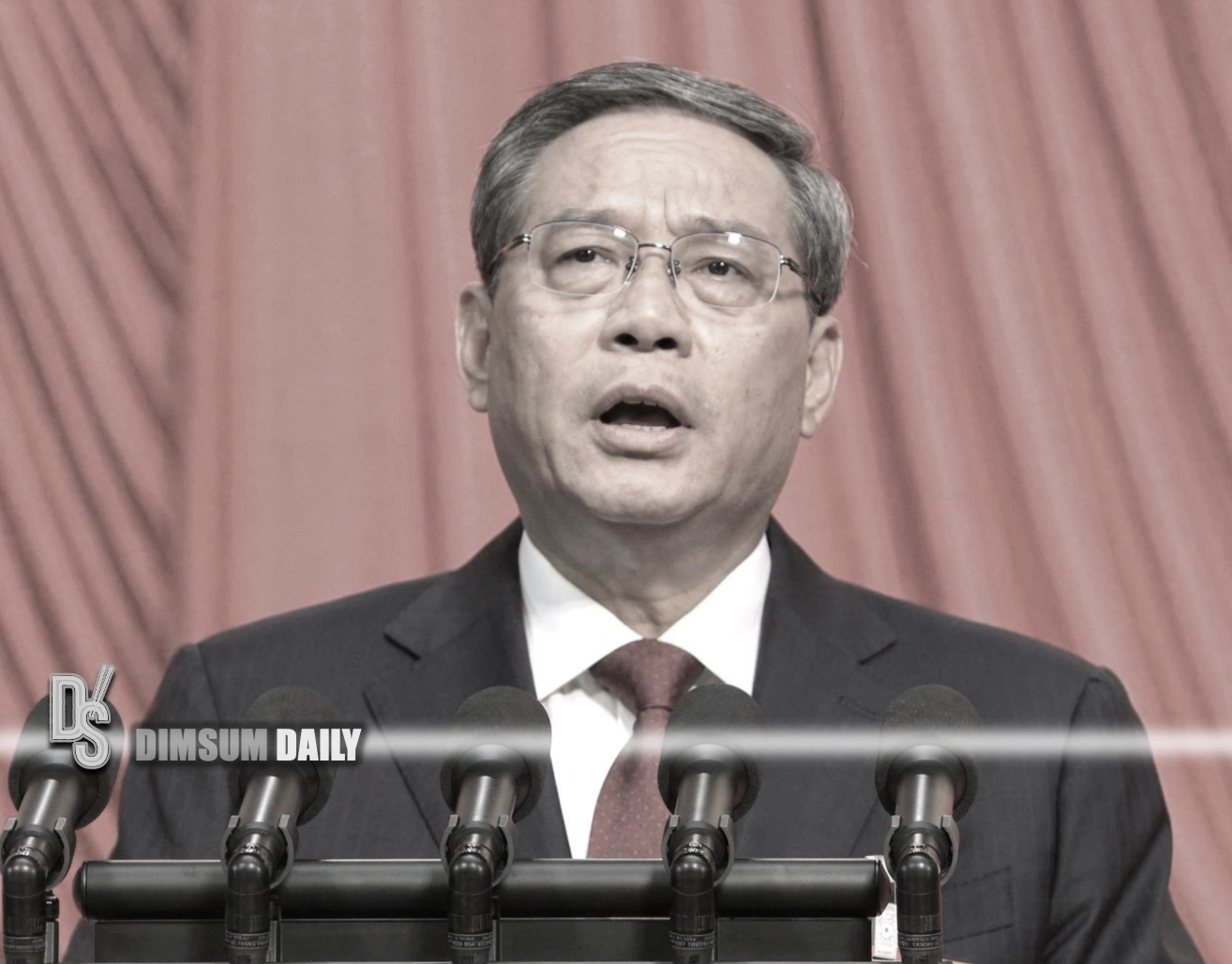
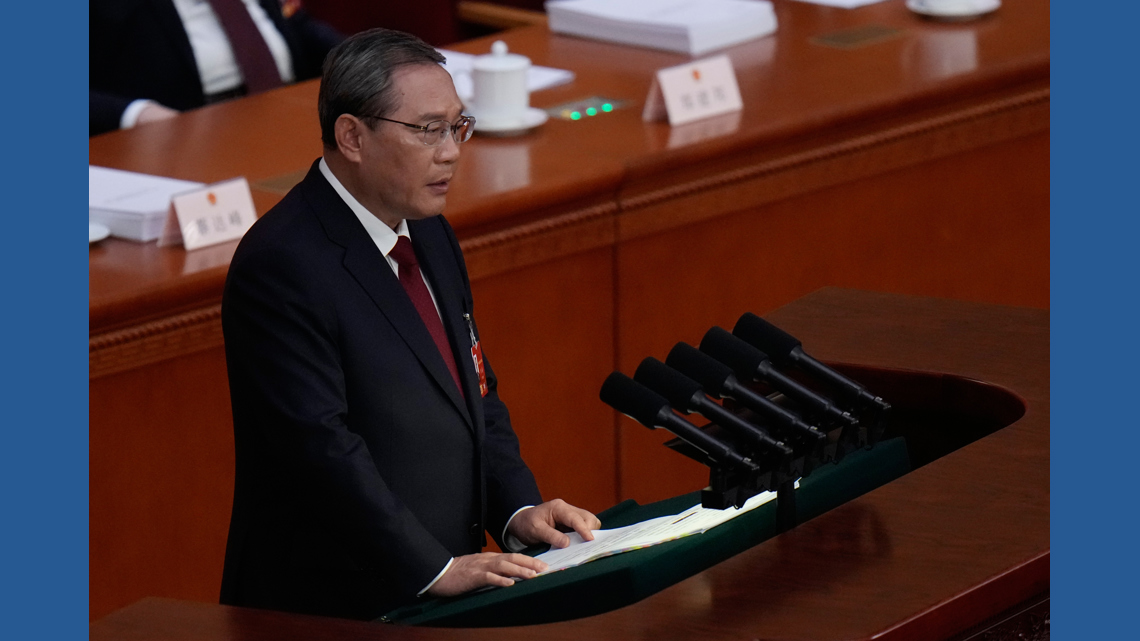
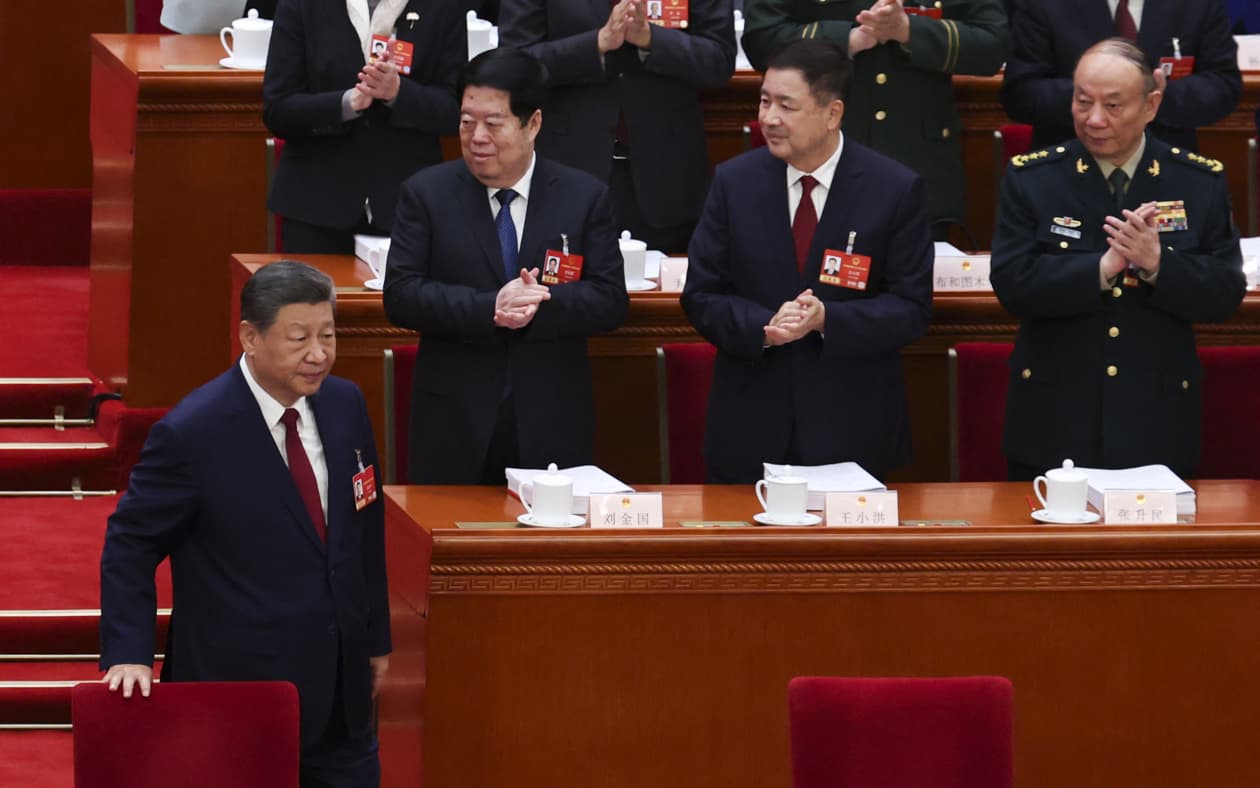
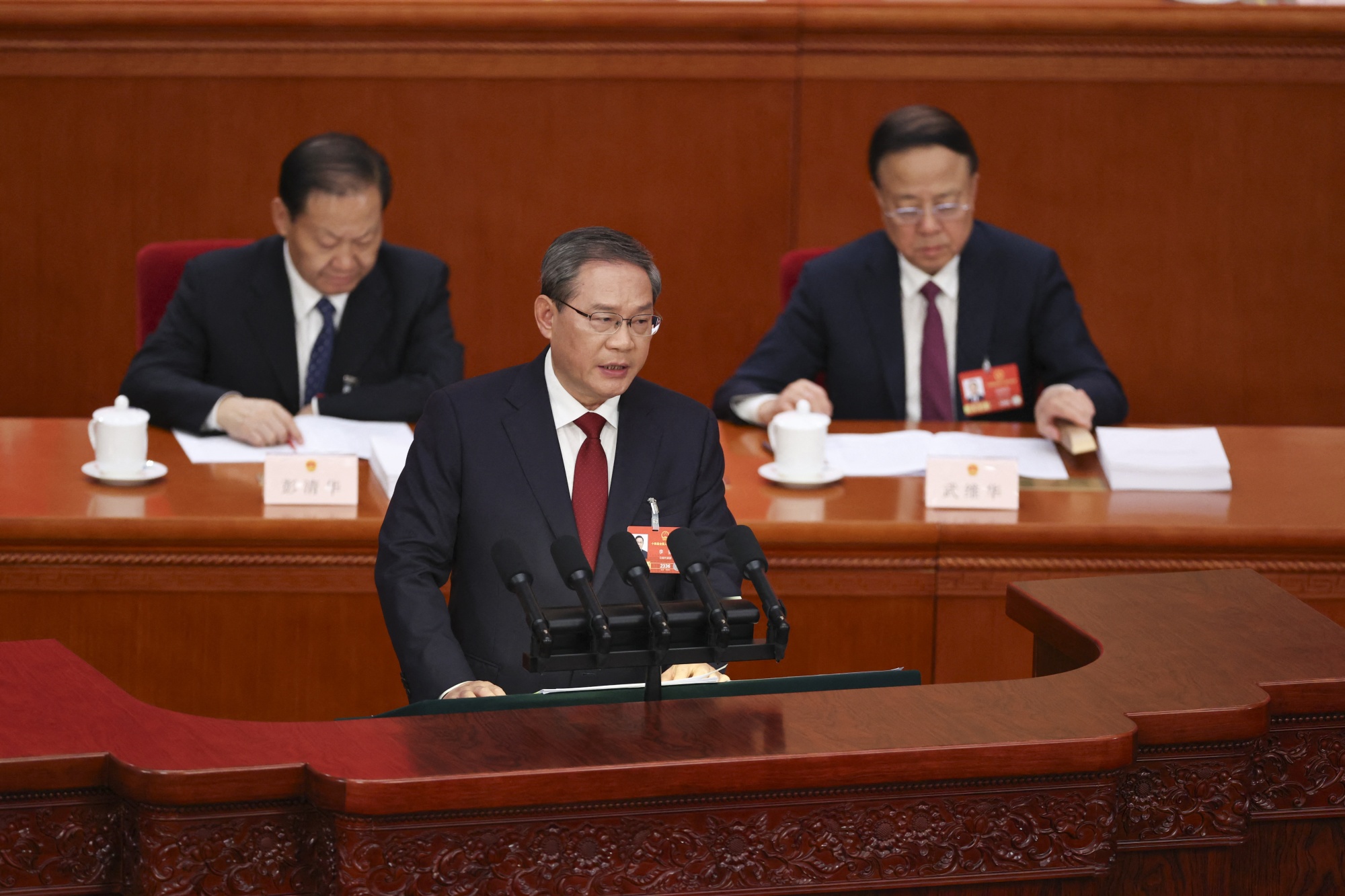
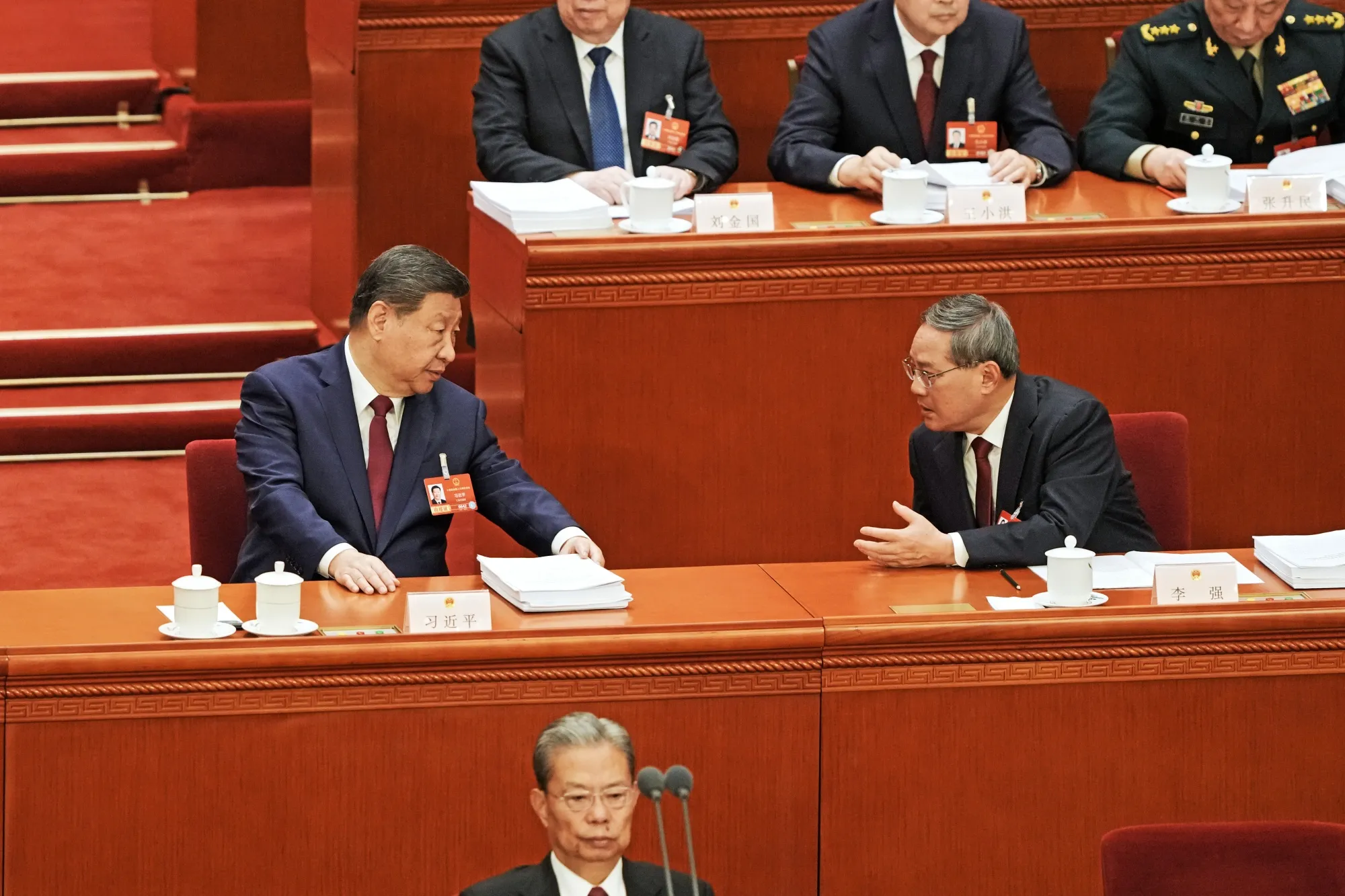
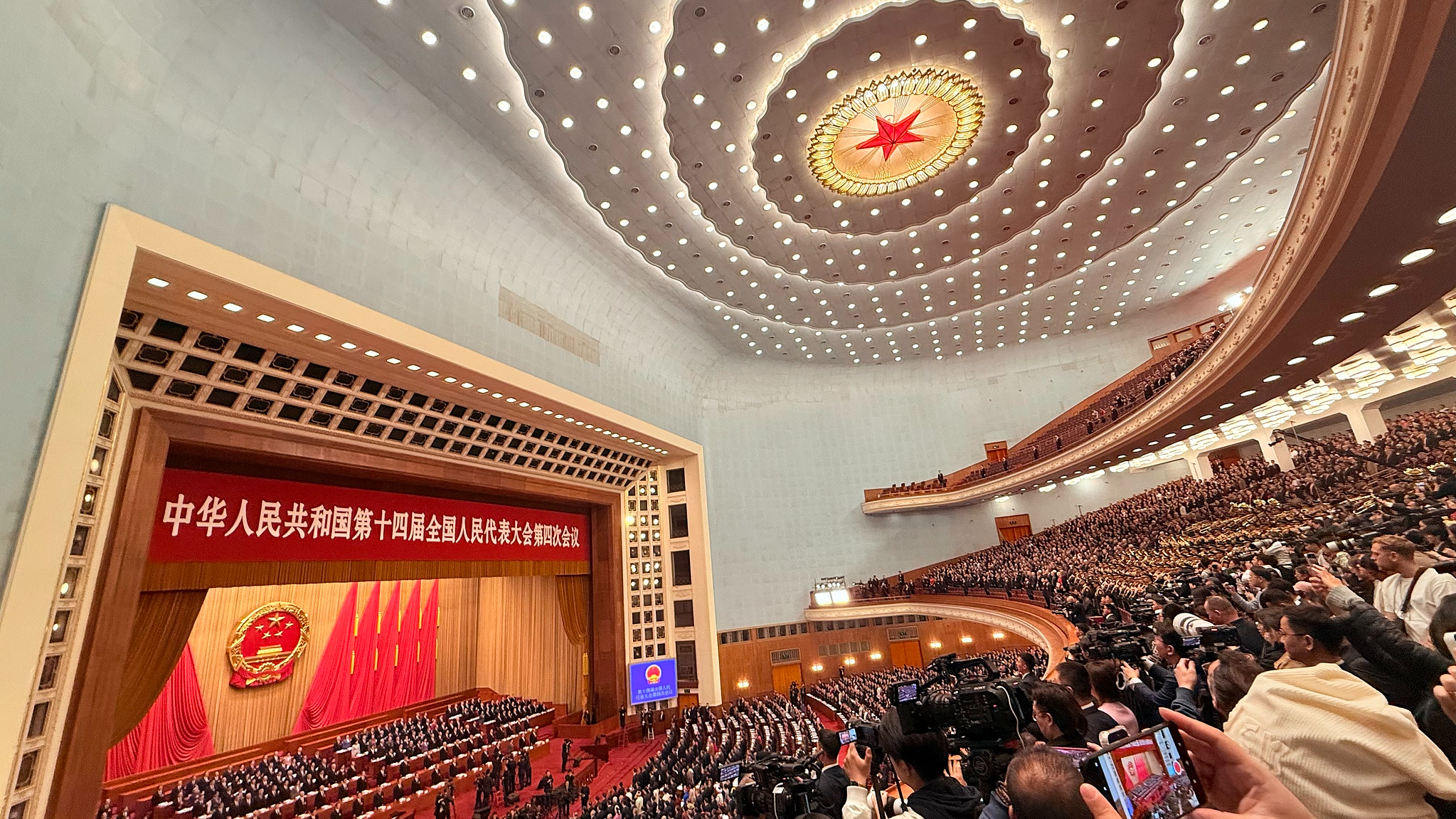
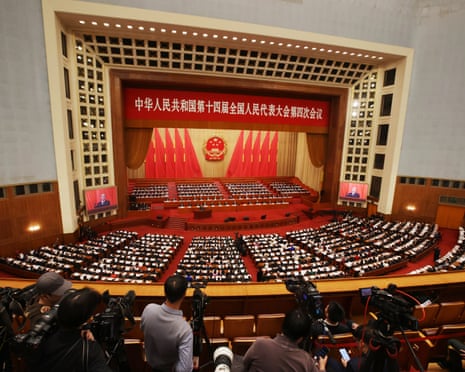
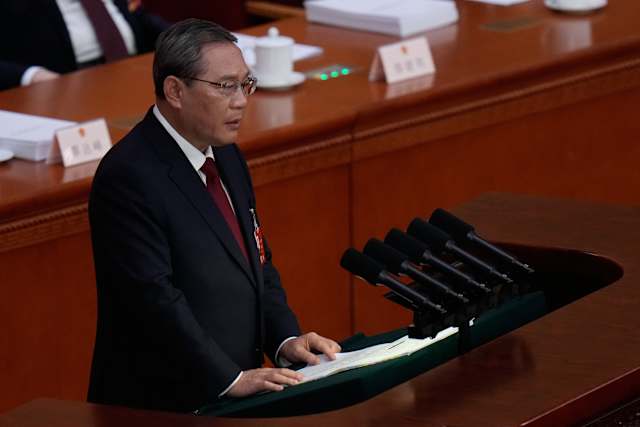
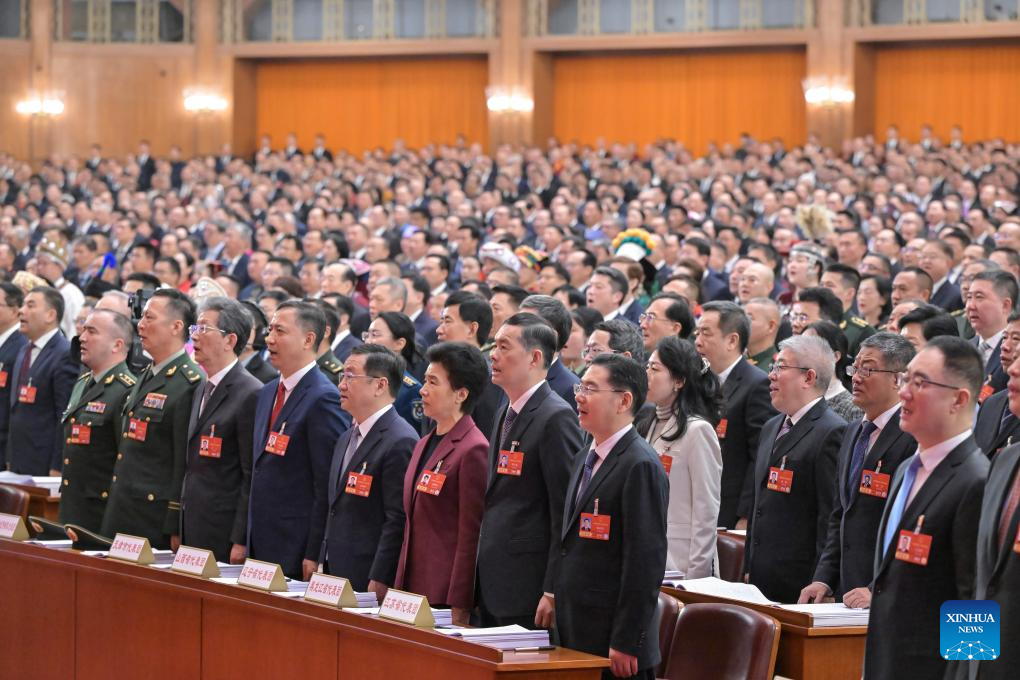
China's National People's Congress announced on March 5, 2026, a historic economic growth target of 4.5-5%—the lowest since 1991—signaling a fundamental shift in global supply chain dynamics and cross-border e-commerce strategy. This represents the first time in over three decades that China's benchmark has fallen below 5%, marking official acknowledgment that the world's second-largest economy (now 10% of global GDP) is transitioning to a slower growth path. Premier Li Qiang described the challenge as "formidable," citing structural imbalances including property sector weakness, demographic pressures, and global trade uncertainties. The government set a 2% CPI growth target while maintaining a 4% budget deficit and issuing 1.3 trillion yuan in ultra-long special sovereign bonds for infrastructure stimulus. Critically, Beijing pledged to expand cross-border usage of the Chinese yuan and restore positive pricing—directly impacting payment settlement costs for sellers conducting China-related commerce.
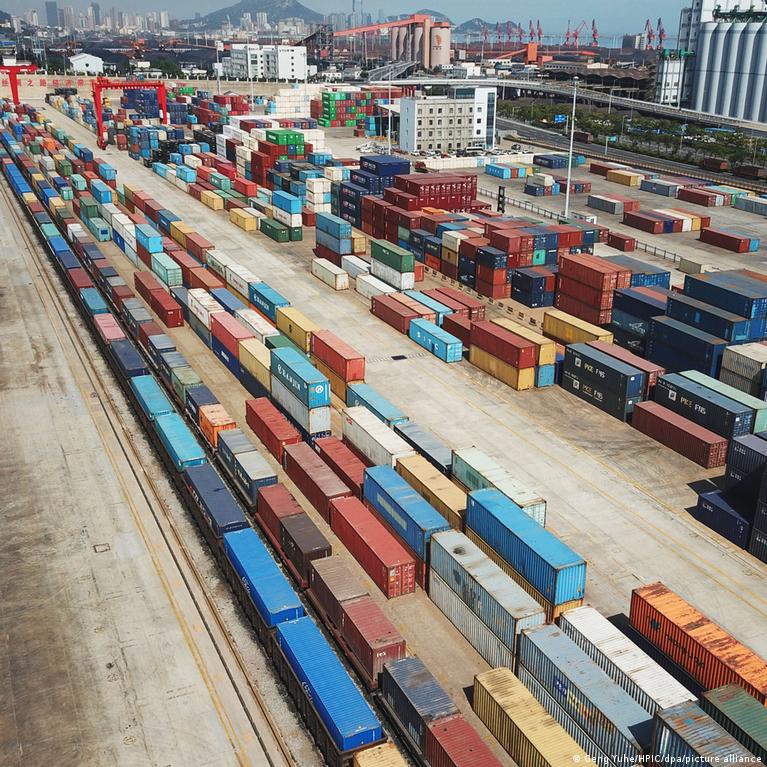
For cross-border e-commerce sellers, this slowdown creates a three-pronged impact on sourcing, pricing, and market access. First, Chinese manufacturers facing reduced domestic consumption will increasingly compete for international market share through aggressive pricing. Net exports contributed one-third of China's 5% growth last year—the largest contribution in nearly three decades—indicating heavy reliance on external markets. Sellers sourcing from China should expect 8-15% price reductions from suppliers seeking alternative revenue streams, but must monitor currency fluctuations as the yuan internationalization initiative affects exchange rates. Second, reduced consumer purchasing power in China dampens demand for imported goods, lowering competition intensity for sellers targeting Chinese consumers but also reducing market expansion opportunities. Third, manufacturing capacity constraints may emerge as Chinese producers prioritize export orders over domestic supply, potentially affecting lead times and minimum order quantities (MOQs) for sellers relying on Chinese suppliers.
The yuan internationalization push presents a direct operational advantage for sellers conducting cross-border transactions with Chinese partners. Expanded cross-border yuan usage reduces currency conversion costs—typically 1-2% of transaction value—and simplifies payment settlement through platforms like Alibaba Trade Assurance and WeChat Pay. Sellers should prioritize establishing yuan-denominated payment terms with suppliers before Q2 2026 to lock in favorable exchange rates before broader market adoption. Additionally, the government's focus on "quality-growth economics" signals increased regulatory scrutiny on product standards and intellectual property protection, creating competitive advantages for sellers offering certified, compliant products. The economic slowdown also creates opportunities in alternative Asian markets (Vietnam, India, Indonesia) as Chinese companies seek international expansion—sellers can position themselves as distribution partners for Chinese brands entering new markets, capturing margin on both sourcing and distribution channels.
Questions 8
How does China's growth slowdown affect tariff negotiations and trade policy?
President Xi Jinping's willingness to accept slower growth paradoxically strengthens his negotiating position with the Trump administration, as reduced growth targets lower pressure from potential new tariffs. This suggests China may pursue trade agreements to stabilize export markets rather than escalate trade conflicts. Sellers should monitor US-China trade negotiations closely; favorable agreements could reduce tariff uncertainty and stabilize supplier pricing. Conversely, if negotiations stall, expect potential tariff increases on electronics, textiles, and consumer goods (currently 15-25% under Trump administration policies). Sellers should diversify sourcing to non-tariff countries (Vietnam, India, Mexico) for 20-30% of inventory to hedge tariff risk. Review your tariff classification (HS codes) with a customs broker by Q2 2026 to identify products eligible for tariff exemptions or reduced rates under trade agreements.
What is the impact of yuan internationalization on cross-border payment costs?
Beijing's pledge to expand cross-border yuan usage directly reduces currency conversion costs, typically 1-2% of transaction value. Sellers conducting business with Chinese suppliers can establish yuan-denominated payment terms through platforms like Alibaba Trade Assurance and WeChat Pay, eliminating intermediary conversion fees. This creates immediate operational savings for high-volume sellers—a seller processing $100K monthly in supplier payments saves $1,000-2,000 monthly through yuan settlement. Implement yuan payment terms before broader adoption increases exchange rate volatility. Consult with your payment processor (Wise, OFX, or bank) about yuan settlement capabilities by March 2026.