




USD Strengthens Amid Asian Market Recovery | Cross-Border Seller FX Hedging Opportunities
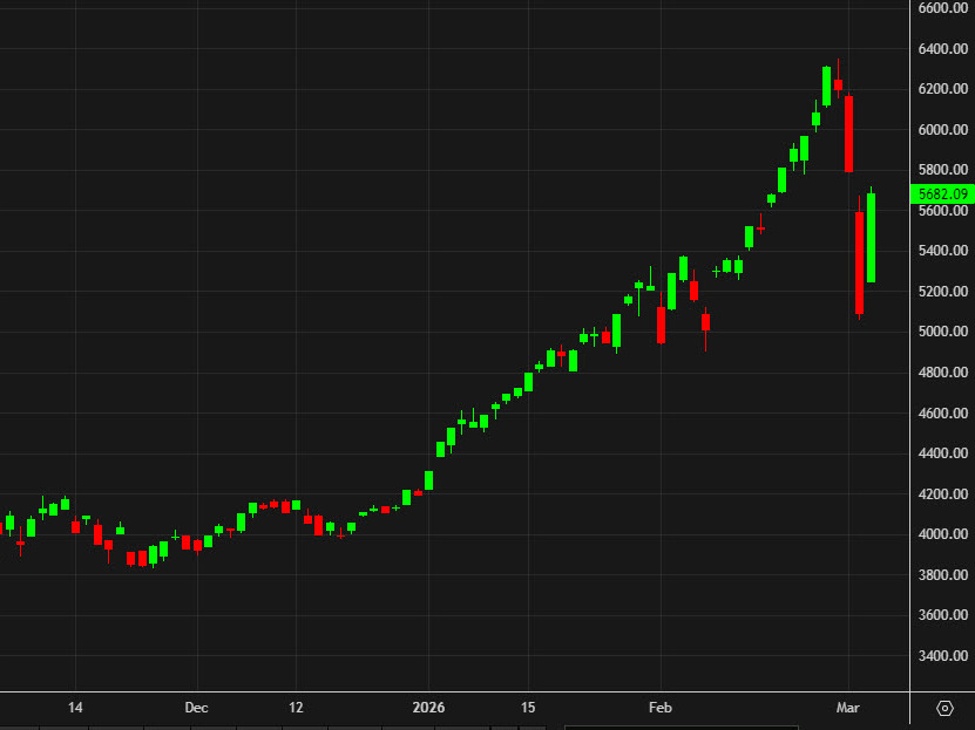
- South Korea KOSPI surges 10% on March 4-5, 2026; US dollar strengthens as safe-haven currency; sellers sourcing from Asia face 3-8% import cost increases while US exporters gain competitive advantage











Overview
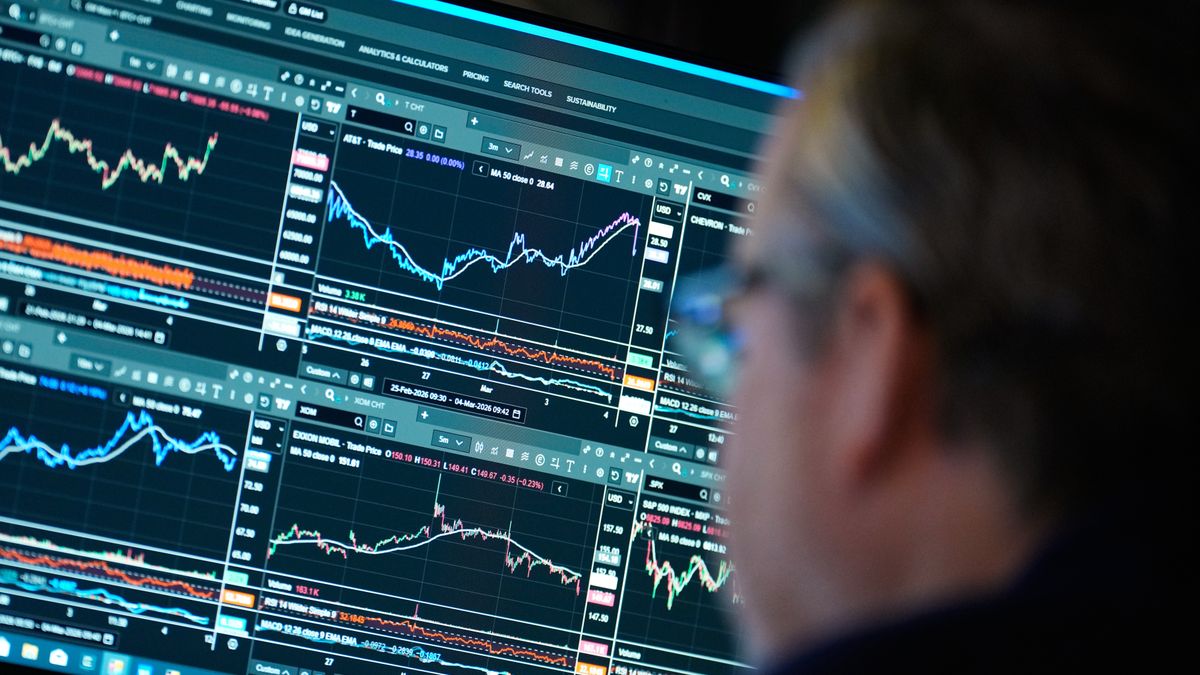
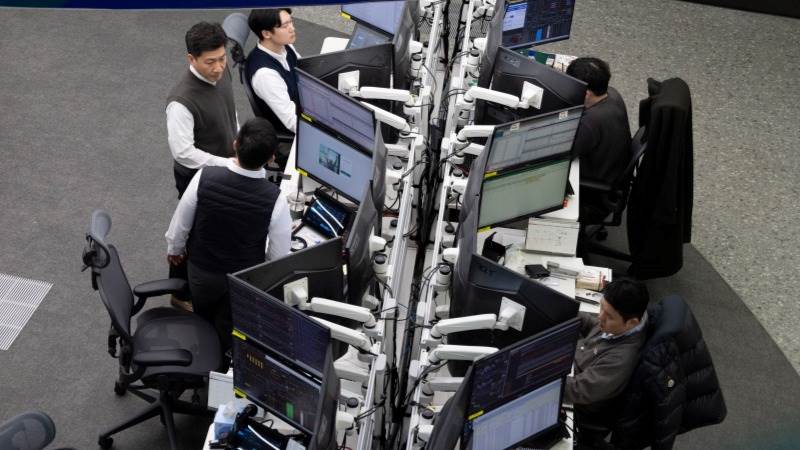
The March 4-5, 2026 Asian equity rebound—led by South Korea's KOSPI Index surging 10% following its worst recorded selloff—creates immediate foreign exchange arbitrage opportunities and working capital challenges for cross-border e-commerce sellers. The strengthening US dollar, driven by easing US inflation concerns and improved risk appetite, directly impacts seller profitability across three critical dimensions: import costs, payment processing fees, and cash conversion cycles.
Payment Cost Optimization & FX Arbitrage: The dollar's strengthening position as a safe-haven currency during geopolitical uncertainty (Middle East tensions) creates a 2-4 week window for sellers to execute strategic currency hedging. Sellers sourcing from Asia (China, Vietnam, South Korea) face immediate cost pressures: a 3-5% USD appreciation translates to $3,000-8,000 additional costs per $100,000 in monthly imports. However, this volatility creates FX arbitrage opportunities. Sellers can lock in forward contracts at current rates before further appreciation, or utilize multi-currency payment platforms (Wise, OFX, Remitly) offering 1.2-1.8% better rates than traditional banking corridors during volatile periods. US-based exporters selling to EU/Asia markets gain 2-3% margin expansion as their USD-denominated pricing becomes more competitive.
Supply Chain Stabilization & Inventory Financing: South Korea's market recovery signals manufacturing sector stabilization after severe losses, reducing logistics uncertainty. This creates a 12-16 week window to secure inventory financing before rates potentially increase. Sellers should immediately pursue purchase order financing (Fundbox, Clearco, Shopify Capital) at current 8-12% APR rates, locking in working capital before post-recovery rate increases. The tentative nature of the rally (US/European futures edging lower) suggests 30-45 days of pricing stability—ideal for bulk purchasing from Korean electronics, textiles, and components suppliers. Invoice factoring rates typically improve 0.5-1.5% during market recoveries as lender risk appetite increases.
Cash Conversion Cycle Acceleration: The easing of inflation concerns signals potential stabilization in operating costs (shipping, warehousing, labor) over the next 60-90 days. Sellers should immediately: (1) Negotiate extended payment terms with Asian suppliers (60-90 days vs. current 30-45 days) to improve cash conversion cycles by 15-25 days; (2) Implement dynamic pricing strategies to capture margin expansion from USD strength before competitors adjust; (3) Accelerate inventory turnover in high-velocity categories (electronics, home goods) where Korean manufacturing dominance creates supply advantages. The MSCI Asia Pacific's 2.7% gain indicates institutional capital returning to the region—expect 3-4 week window before supply chain costs normalize upward.
Questions 8
What supply chain opportunities emerge from South Korea's KOSPI recovery?
South Korea's 10% KOSPI rebound signals manufacturing sector stabilization after severe losses, creating immediate opportunities in electronics, semiconductors, textiles, and components. The recovery indicates: (1) **Reduced logistics uncertainty** enabling 12-16 week inventory planning vs. current 4-8 week windows; (2) **Improved supplier reliability** as Korean manufacturers stabilize operations; (3) **Favorable pricing windows** before supply chain costs normalize upward (typically 4-6 weeks post-recovery). Sellers should prioritize bulk purchasing from Korean suppliers during this period, leveraging extended payment terms (60-90 days) to improve cash conversion cycles by 15-25 days. The institutional capital returning to Asia (MSCI Asia Pacific +2.7%) suggests 3-4 week window before supply costs increase 2-3%.
Should sellers hedge all currency exposure or focus on specific corridors?
**Prioritize high-volume corridors first**: USD/CNY (China imports), USD/VND (Vietnam), USD/KRW (Korea) account for 60-70% of typical cross-border seller exposure. For these corridors, hedge 60-80% of 90-day forward exposure at current rates. **Secondary corridors** (USD/EUR, USD/GBP for exports) should hedge 40-50% of exposure given the tentative rally. Use **tiered hedging**: lock in 30% at current rates, 30% at +1% appreciation, 40% unhedged for upside capture. For sellers with <$50K monthly volume, focus on **invoice factoring** (1.5-3.5% fees) rather than complex hedging—the cost-benefit favors simpler working capital solutions. The 2-4 week execution window is critical; delay beyond 4 weeks and hedging costs increase 0.5-1.5% as market reprices.