






FDA GRAS Loophole Closure Signals Major Beverage Reformulation Wave | Seller Sourcing Opportunities
- Regulatory shift targets 115g+ sugar drinks; creates compliance costs for beverage suppliers and ingredient manufacturers; opens market for health-focused alternatives and reformulated products across Amazon, Walmart, and specialty food channels






























Overview
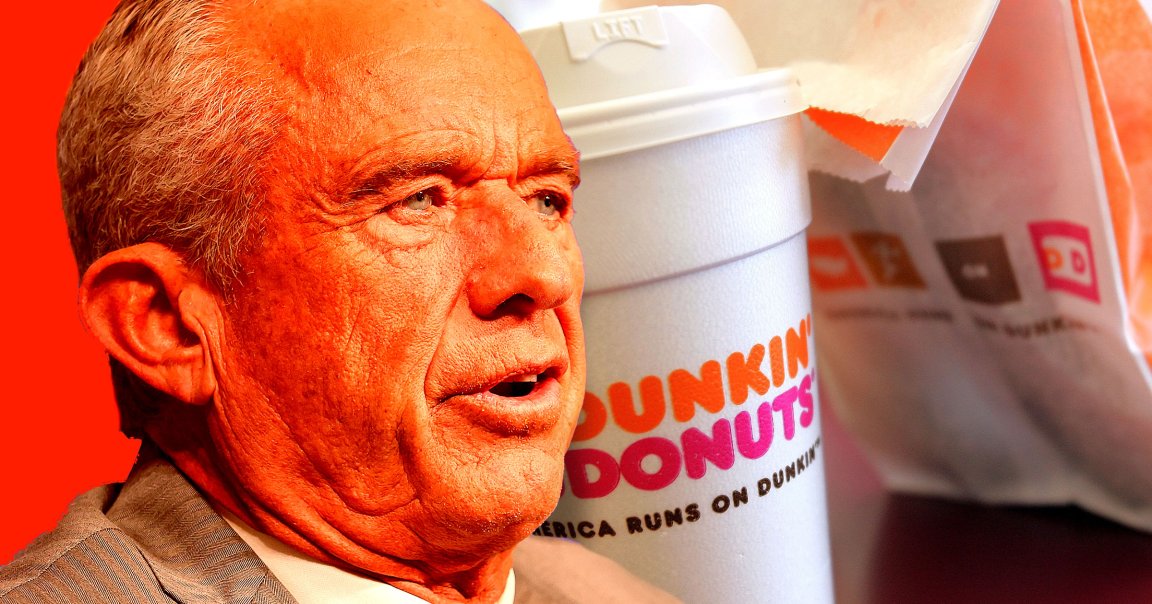
RFK Jr.'s regulatory challenge against Dunkin' and Starbucks represents a watershed moment for food safety policy that directly impacts cross-border sellers in beverage, supplement, and specialty food categories. The Health and Human Services Secretary is targeting the "GRAS loophole"—the Generally Recognized as Safe exemption allowing companies to independently verify ingredient safety without FDA oversight—which has permitted thousands of unregulated ingredients into the U.S. food supply. This regulatory pressure creates immediate sourcing and compliance opportunities for sellers.
The competitive landscape is fragmenting by regulatory alignment. Kennedy's initiative explicitly contrasts U.S. standards (unlimited ingredients, no FDA quantification) with European standards (400 legal ingredients maximum), signaling potential harmonization toward stricter EU-style regulations. Sellers sourcing from Europe or manufacturing to European standards gain competitive advantage—their ingredient profiles already comply with anticipated U.S. requirements. Conversely, sellers relying on U.S.-manufactured beverages with high-sugar formulations face reformulation pressure. The 115-gram sugar reference point (approximately 2.3x daily recommended intake for teenagers) establishes a de facto regulatory threshold that will drive product reformulation timelines across the beverage industry.
For e-commerce sellers, this creates three distinct opportunity windows: (1) Reformulation demand (0-12 months): Ingredient suppliers, natural sweetener manufacturers, and functional beverage brands will experience surge demand as major beverage companies reformulate. Sellers in stevia, monk fruit, sugar alcohols, and plant-based sweetener categories should expect 30-50% volume increases. (2) Alternative beverage category expansion (3-18 months): Low-sugar, zero-sugar, and functional beverage categories (energy drinks with <50g sugar, protein beverages, adaptogens) will see accelerated growth as consumers shift away from high-sugar options. Amazon Fresh, Walmart+, and specialty food marketplaces will prioritize these categories. (3) Compliance certification premium (6-24 months): Products with third-party ingredient verification, transparency certifications, and European-standard compliance will command 15-25% price premiums as consumers and retailers demand proof of safety.
The National Association of Manufacturers' pushback signals cost escalation across supply chains. Reformulation requires new ingredient sourcing, manufacturing process changes, and compliance testing—estimated at $500K-$2M per major product line. These costs will compress margins for large beverage companies, creating opportunities for smaller, agile sellers to capture market share with pre-reformulated alternatives. Massachusetts Governor Healey's defiant response indicates state-level resistance to federal restrictions, creating a regulatory arbitrage opportunity: sellers can market "Massachusetts-approved" or "state-protected" beverage brands to New England consumers while simultaneously offering reformulated versions for federal compliance in other regions.
Questions 8
How can sellers capitalize on the functional beverage category expansion?
As consumers shift from high-sugar to functional beverages, categories like adaptogens, nootropics, and protein drinks will see 25-40% growth. Sellers should prioritize sourcing: adaptogenic beverages (ashwagandha, rhodiola), nootropic drinks (L-theanine, caffeine combinations), and protein-based beverages with <30g sugar. These categories command 20-35% higher margins than traditional beverages. Amazon's 'Functional Beverages' category and Walmart's 'Better For You' section will receive increased promotional support. Sellers can achieve 15-25% faster inventory turnover in these categories. Estimated market expansion: $2-4B in functional beverage sales over 24 months, with early movers capturing 30-40% market share gains.
How should sellers position inventory for regional regulatory differences?
Massachusetts and New England show regulatory resistance to federal restrictions, creating regional arbitrage opportunity. Sellers can market 'Massachusetts-protected' or 'New England heritage' beverage brands in these regions while offering reformulated versions elsewhere. This requires separate SKUs and inventory management: maintain high-sugar formulations for New England (where state support exists) while building low-sugar inventory for federal-compliant regions. Estimated margin improvement: 8-12% in protected regions due to reduced reformulation pressure. Use Amazon's regional targeting and Walmart's state-level inventory management to execute this strategy. Monitor state-level regulatory developments as other states may follow Massachusetts's defiant stance.