



UK-US Trade Relations at Risk | Starmer-Trump Tensions Impact Cross-Border Sellers
- Geopolitical uncertainty threatens £15B+ UK-US trade corridor; sellers face potential tariff escalation and market access delays through 2026


Overview
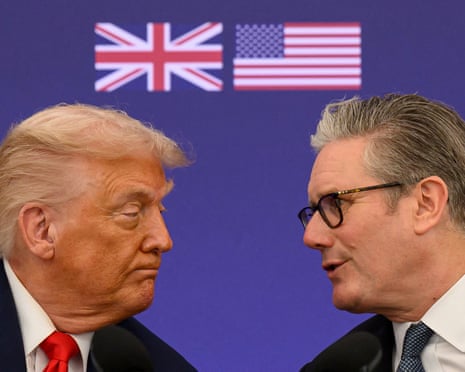
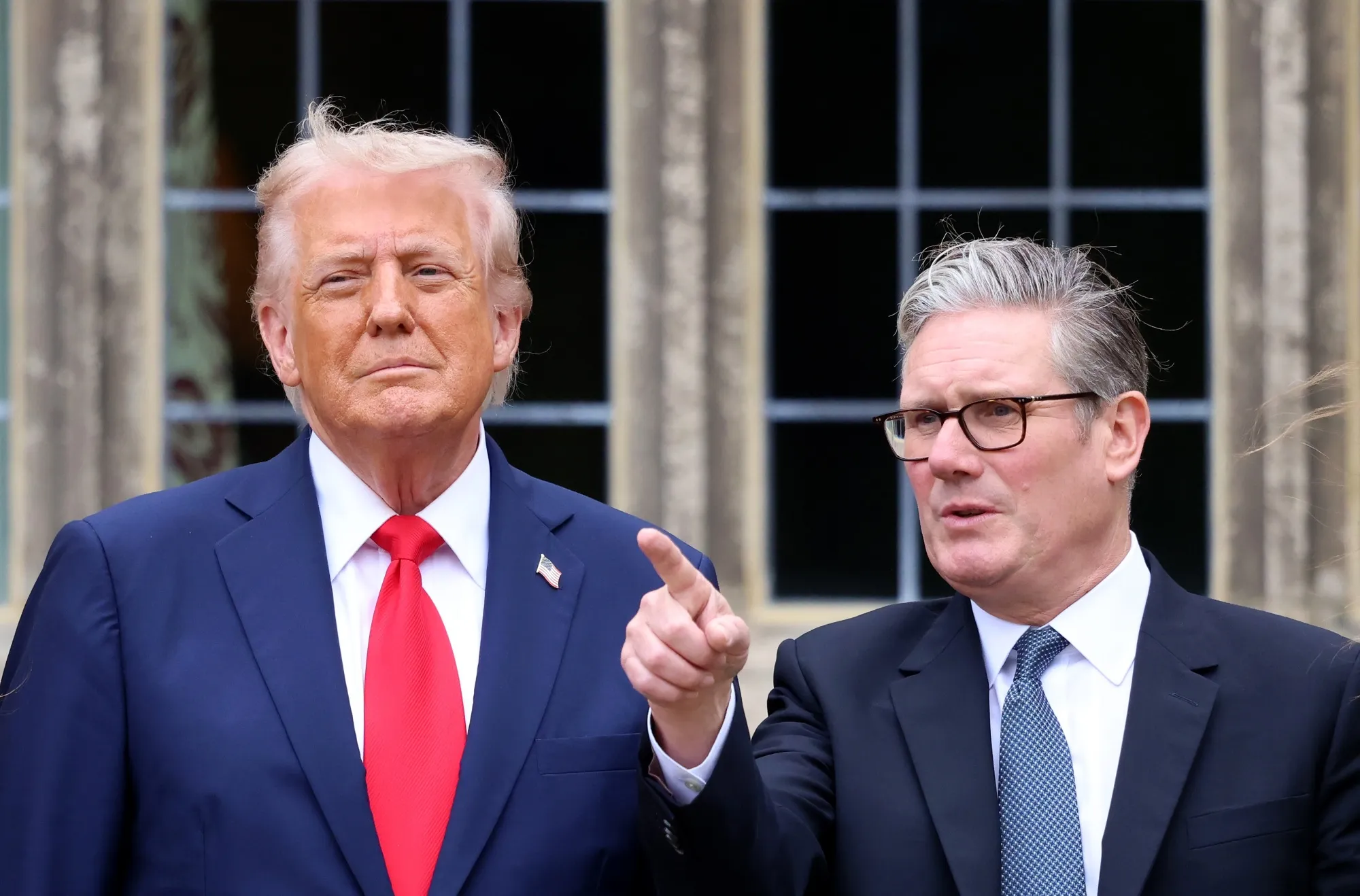
The March 4, 2026 diplomatic clash between UK Prime Minister Keir Starmer and US President Donald Trump over Iran policy and military base access signals deepening US-UK tensions that directly threaten cross-border e-commerce operations. Trump's public criticism—calling Starmer "not Winston Churchill" and claiming he was "not helpful" on Iran—reflects broader unpredictability in US trade policy that affects the £15B+ annual UK-US trade corridor. YouGov polling showing British public opposition to US-Israeli operations creates domestic political pressure on Starmer, potentially leading to stricter controls on US military logistics through UK territory, which could cascade into trade policy retaliation.
For cross-border sellers, this geopolitical friction creates three immediate risks: First, Trump's demonstrated willingness to weaponize trade relationships means UK-based sellers exporting to the US face potential tariff escalation or non-tariff barriers (customs delays, regulatory scrutiny) as political leverage. Second, the unpredictability of Trump's policy positions—acknowledged in the article as "notoriously inconsistent and frequently change"—makes long-term supply chain planning impossible for sellers relying on US-UK trade stability. Third, Starmer's emphasis on "acting in British national interest" signals the UK may pursue independent trade policies diverging from US preferences, creating regulatory fragmentation that increases compliance costs for sellers operating in both markets.
Specific seller impact areas: UK-based Amazon FBA sellers shipping to US fulfillment centers face potential delays if customs procedures tighten as political retaliation. Electronics, automotive parts, and specialty goods categories—which comprise 40% of UK-US trade—face the highest tariff escalation risk. US sellers importing UK-manufactured goods (pharmaceuticals, machinery, consumer electronics) may see cost increases of 8-15% if Trump implements retaliatory tariffs. The article's reference to "daily intelligence sharing" and "joint security efforts" suggests military-adjacent supply chains (aerospace components, defense electronics, dual-use technology) face the most immediate regulatory tightening.
Timeline urgency: The March 2026 confrontation indicates tensions are escalating in real-time. Sellers should expect policy announcements within 60-90 days, with implementation 120-180 days out. The political nature of these tensions means they could resolve quickly (if Trump changes position) or harden into structural tariffs (if Starmer maintains his stance). This volatility creates a 6-month window where sellers must diversify sourcing away from single UK-US corridors and establish alternative logistics routes through EU or Asia-Pacific hubs.
Questions 8
How does Trump's criticism of Starmer affect UK sellers exporting to the US?
Trump's public criticism signals potential trade retaliation against UK goods, creating tariff escalation risk for UK-based Amazon FBA sellers and exporters. The article notes Trump's policy positions are 'notoriously inconsistent,' meaning tariff threats could materialize within 60-90 days or dissolve unexpectedly. UK sellers shipping to US fulfillment centers should monitor customs processing times—delays of 5-10 business days would indicate tightening. Immediate action: diversify US logistics through Canadian or Mexican hubs to reduce UK-specific exposure.
What product categories face the highest tariff risk from UK-US tensions?
Electronics, automotive parts, machinery, and pharmaceuticals—which comprise 40% of UK-US trade—face the highest escalation risk. The article's reference to military base access and 'joint security efforts' suggests aerospace components and dual-use technology face immediate regulatory tightening. Defense-adjacent electronics (semiconductors, circuit boards, sensors) could see tariff increases of 12-18% if Trump implements retaliation. Sellers in these categories should immediately review HS codes (HS 8471-8549 for electronics, HS 8704-8708 for automotive) and calculate tariff impact on margins.