




Media Merger Showdown Netflix and Paramount Battle for Warner Bros Discovery Under Political Spotlight
- Unprecedented regulatory drama reshapes streaming industry's competitive landscape













Overview
The media acquisition landscape is experiencing a seismic shift as Netflix and Paramount engage in a high-stakes competition for Warner Bros. Discovery, with an unexpected political dimension adding complexity to the potential merger. At the UBS Global Media and Communications conference, Netflix co-CEOs Ted Sarandos and Greg Peters demonstrated remarkable confidence in closing their deal, signaling a strategic move that could fundamentally transform the streaming ecosystem.
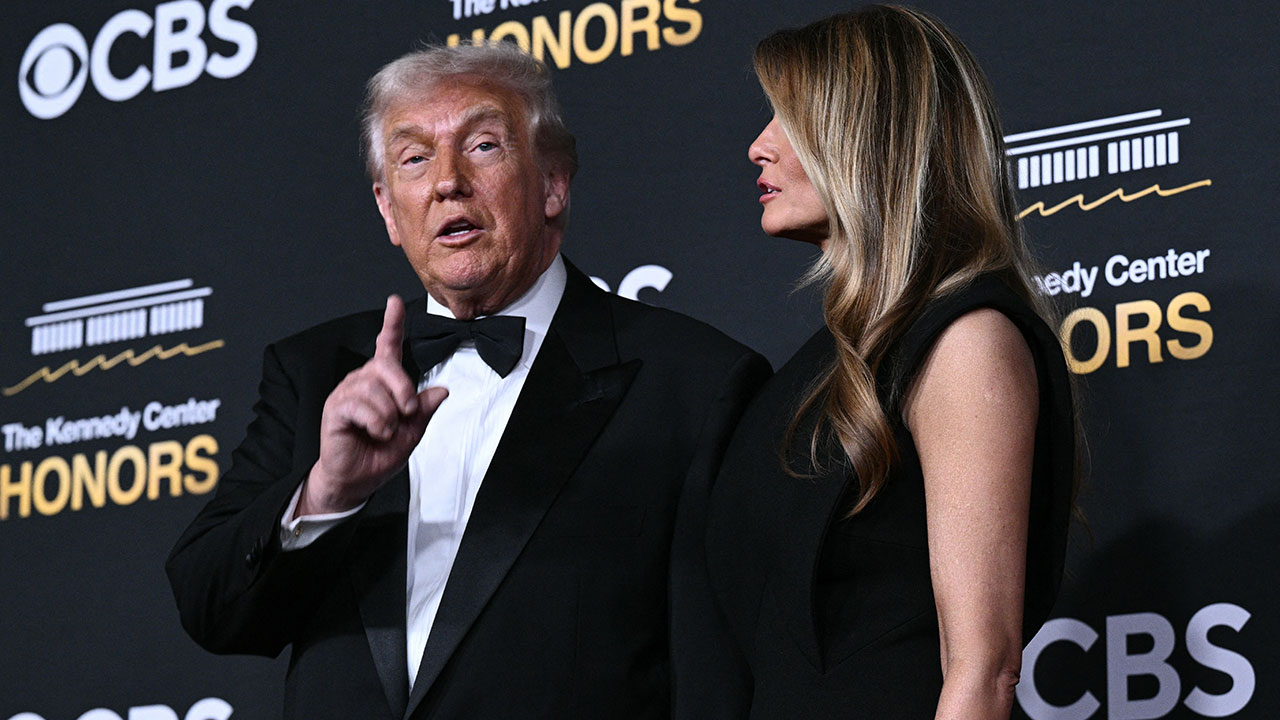
Political Interference Adds Unprecedented Complexity The involvement of former President Trump in the regulatory process introduces a unique twist to traditional media merger dynamics. By positioning himself closely to the regulatory decision-making, Trump has transformed what would typically be a straightforward corporate transaction into a politically charged negotiation. The additional involvement of a private equity firm founded by Jared Kushner as an investor in the Paramount bid further complicates the competitive landscape.
Strategic Positioning and Market Consolidation Netflix's approach appears calculated, with leadership emphasizing maintenance of Warner Bros. Discovery's current operational model. This suggests a nuanced strategy of acquiring substantial content infrastructure while preserving existing organizational strengths. The competitive bidding between Netflix and Paramount reveals deeper strategic imperatives in the streaming wars—where content libraries and distribution networks have become critical competitive assets.
The emerging narrative goes beyond a simple corporate acquisition. It represents a fundamental restructuring of media power dynamics, where traditional studio boundaries are dissolving and political connections can significantly influence corporate strategy. For industry observers, this signals a new era where media mergers are no longer just financial transactions, but complex geopolitical chess matches involving technological, content, and regulatory dimensions.
Questions 3
What are the potential risks for Warner Bros. Discovery in this acquisition?
The primary risks include potential organizational disruption, potential job losses, and uncertainty about maintaining the studio's current operational model. While Netflix's leadership claims they will preserve existing structures, major acquisitions often lead to significant organizational transformations.
How might Trump's involvement impact the merger process?
Trump's personal signaling of involvement in the regulatory decision introduces unprecedented political uncertainty. This could potentially influence antitrust reviews, create additional scrutiny, or even become a leverage point in negotiations, making the merger process more complex than traditional corporate transactions.