


Persian Gulf Conflict Escalation | Shipping Costs Rise 15-25% for Cross-Border Sellers
- Iran's military campaign disrupts critical maritime corridors affecting 40,000+ e-commerce merchants shipping through Middle East; energy price volatility increases logistics expenses by $200-500/month for high-volume sellers



















_doctrine__Cropped.jpg)


Overview
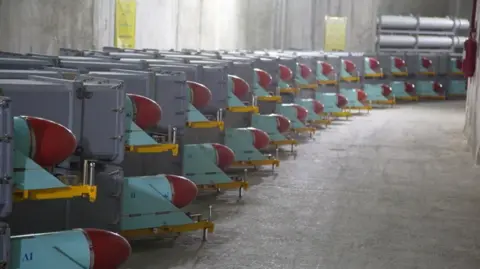
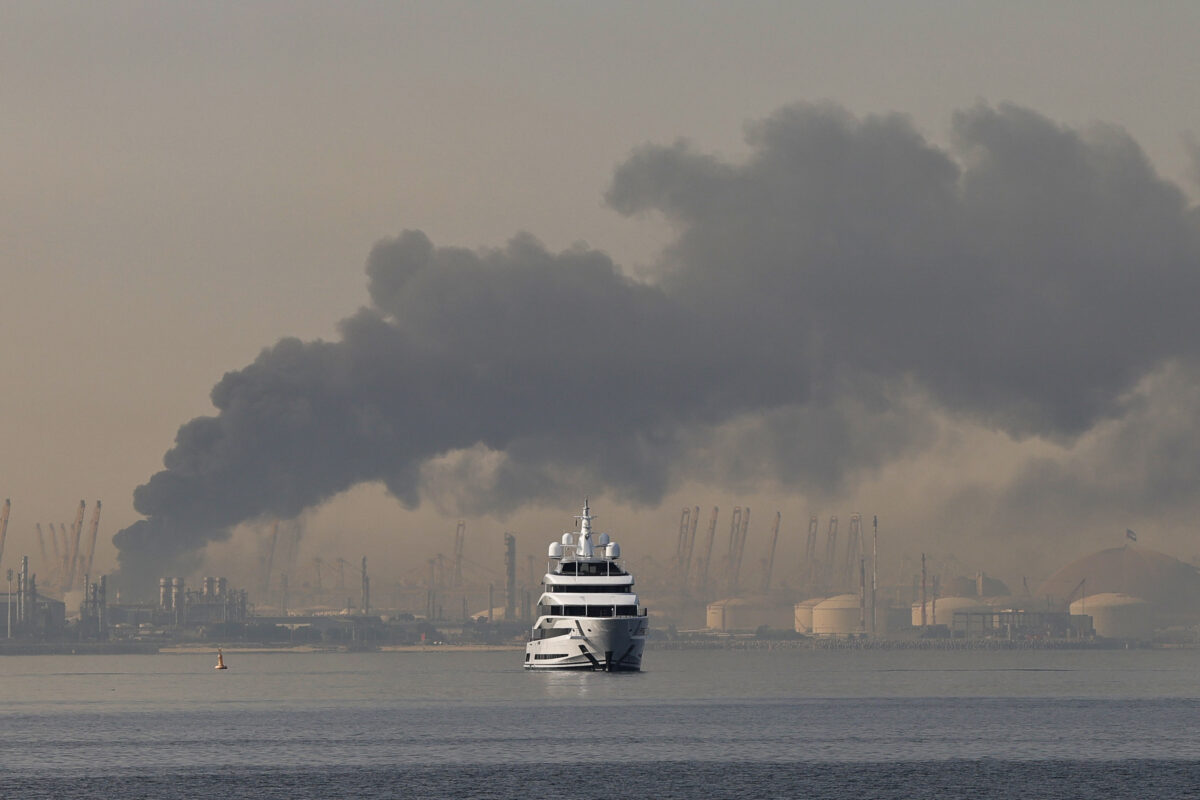
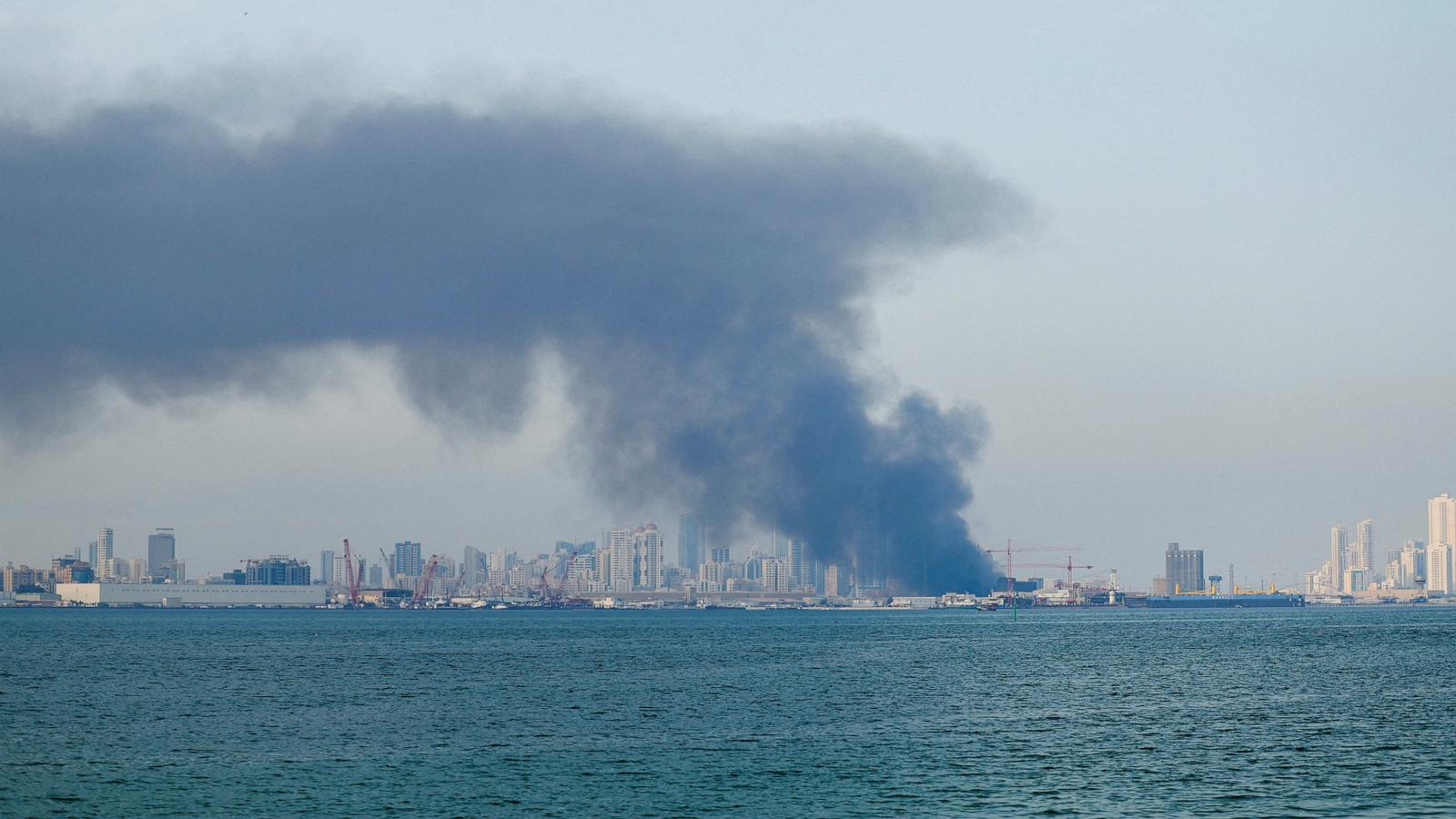
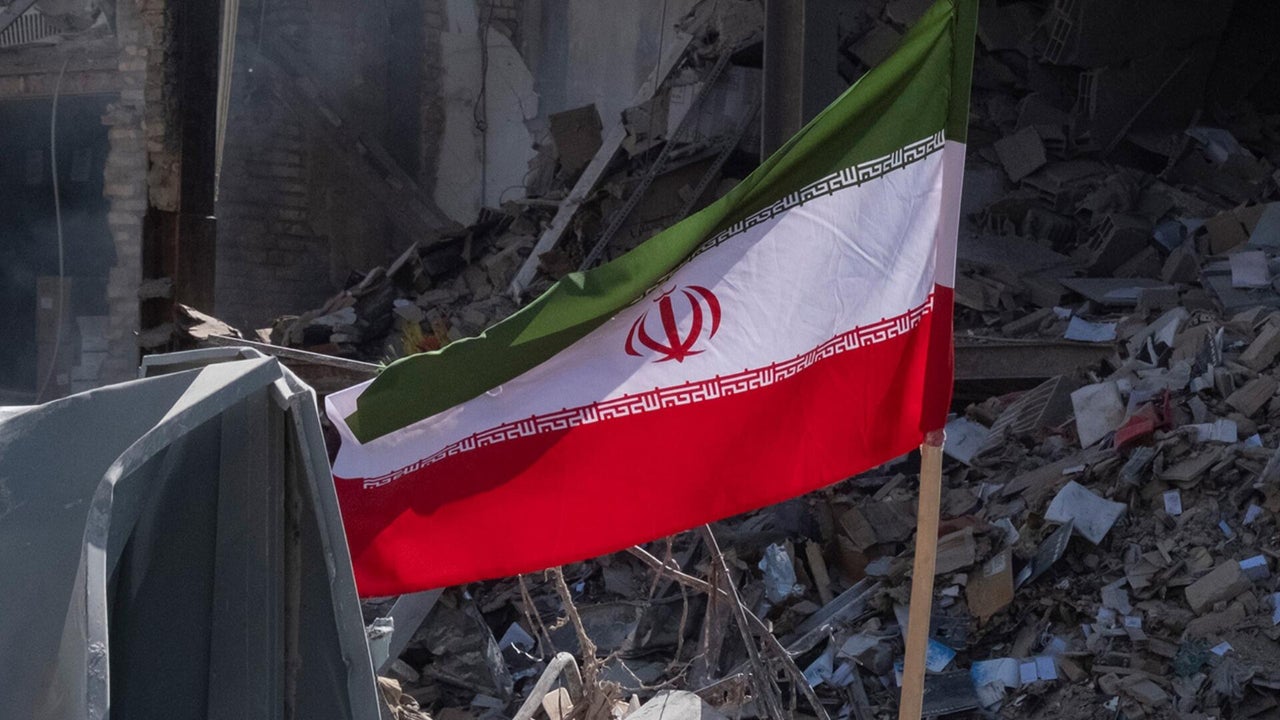
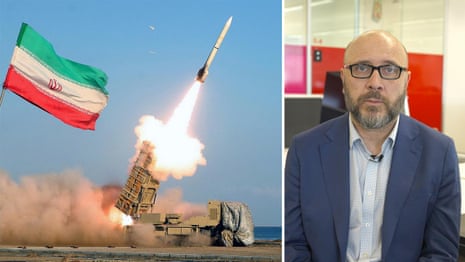
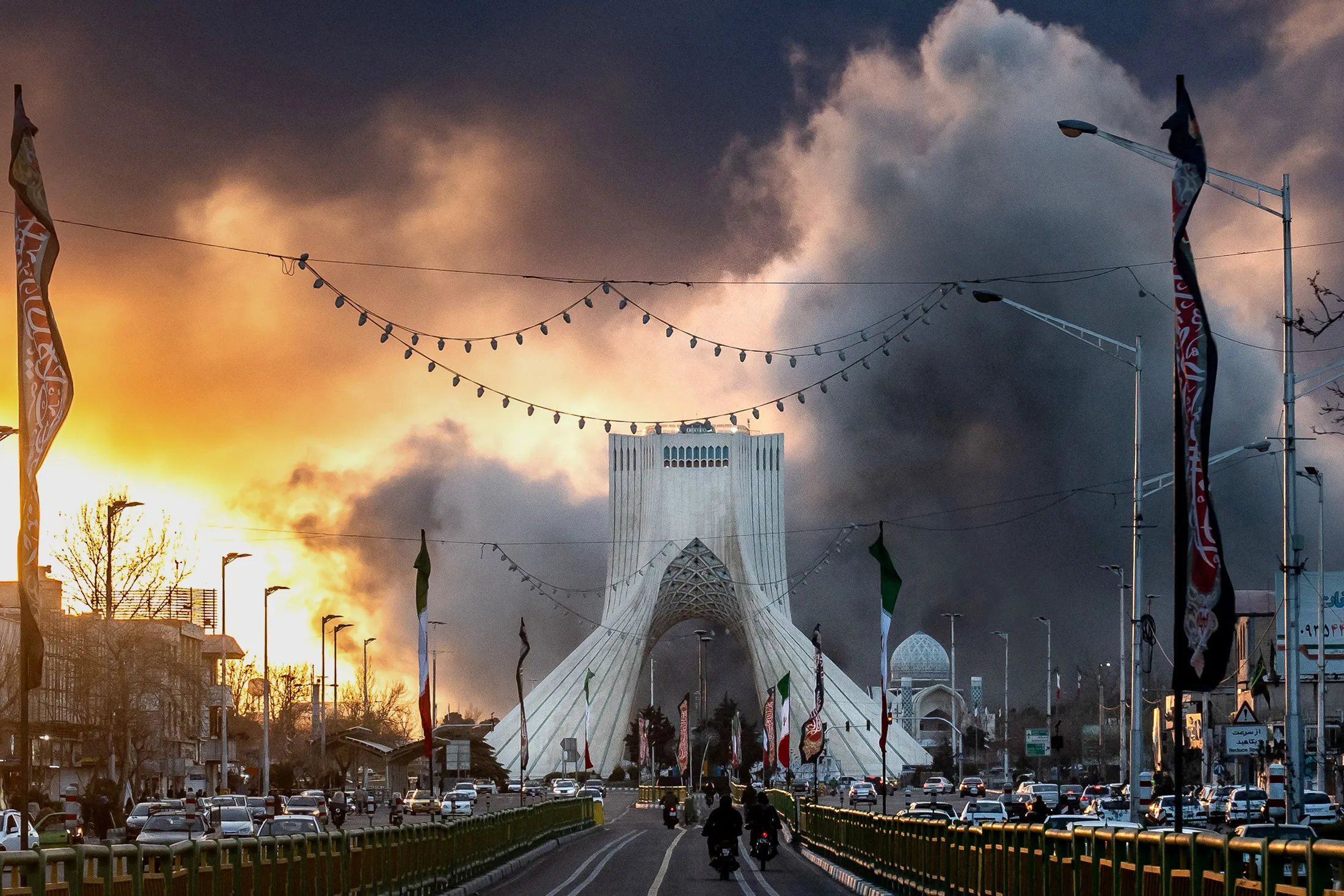
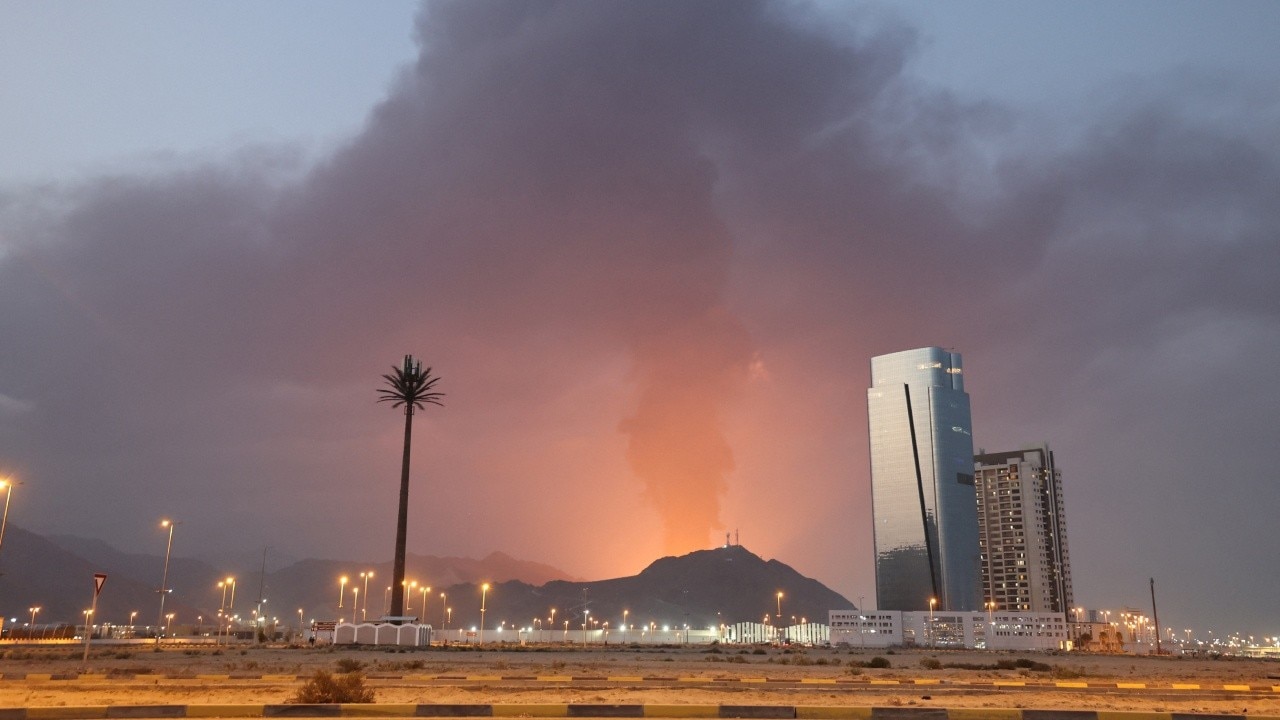
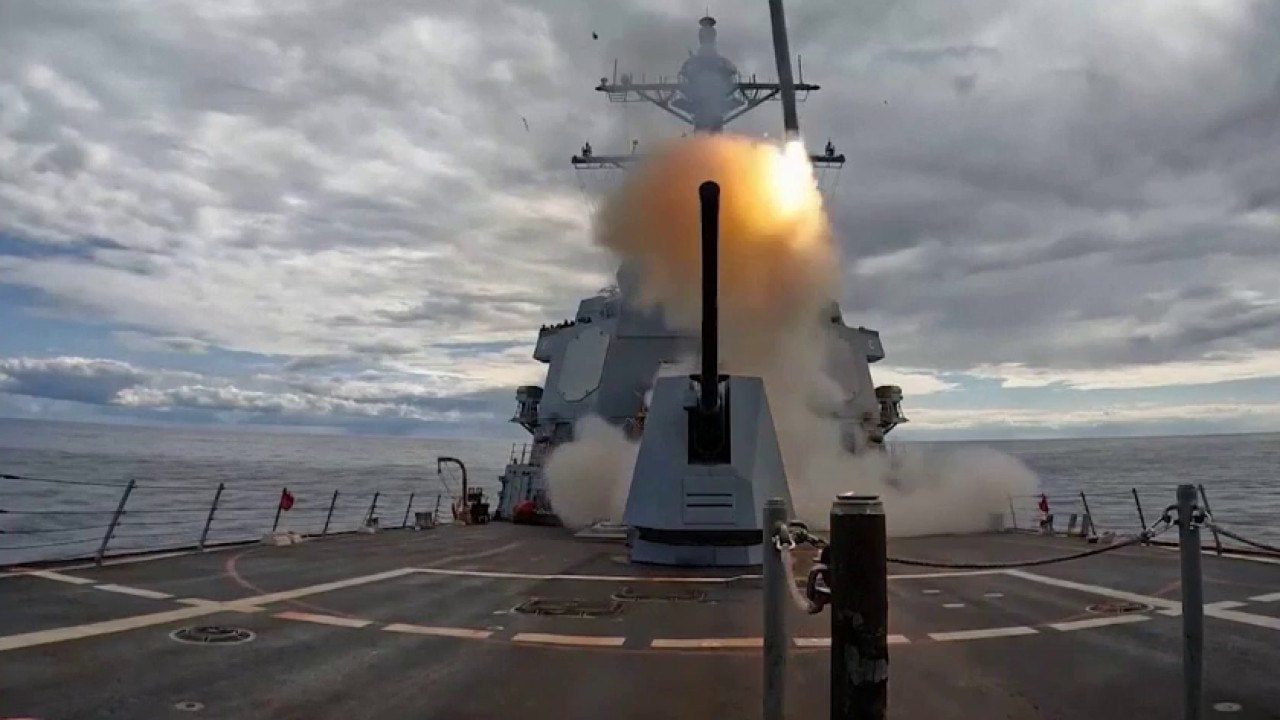
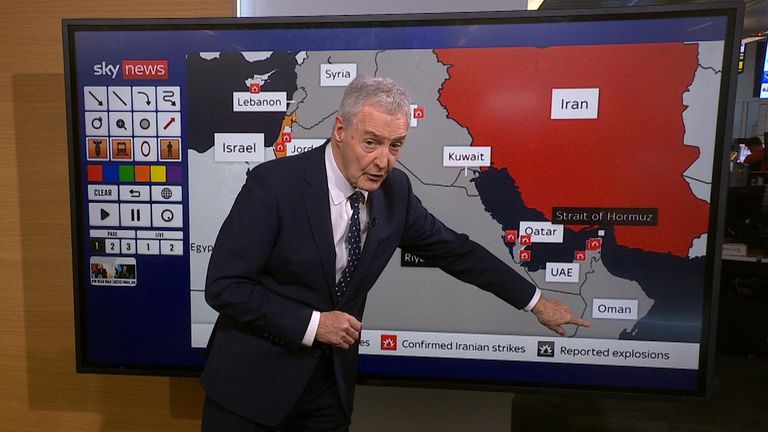
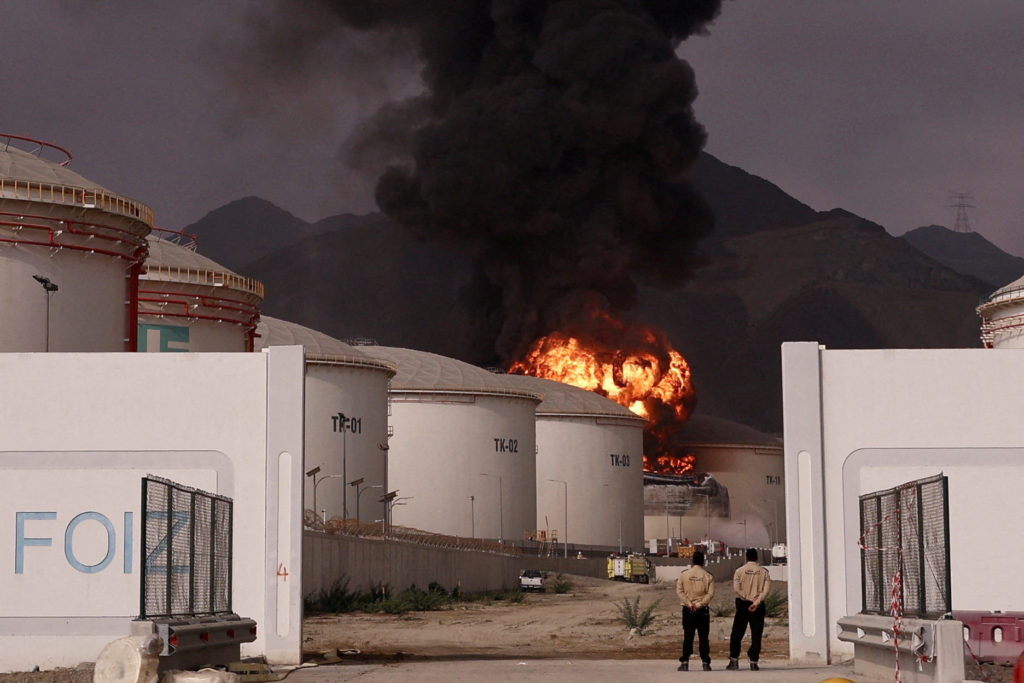
The escalating Iran-Israel conflict is creating immediate supply chain disruptions and cost pressures for cross-border e-commerce sellers. Iran's deployment of thousands of drones and ballistic missiles targeting energy infrastructure across the Persian Gulf—including repeated attacks on Saudi Arabia's Ras Tanura oil refinery—has triggered significant volatility in global shipping costs and maritime corridor reliability. According to U.S. Defense Secretary Pete Hegseth, thousands of Iranian missiles and drones have been intercepted, with Western officials indicating Iran maintains only several days' worth of ballistic missiles at current firing rates. This geopolitical instability directly impacts sellers operating in or shipping through critical trade hubs including Oman, Saudi Arabia, Qatar, and the UAE.
For e-commerce merchants, the immediate impact manifests in three critical areas: shipping cost inflation, supply chain delays, and inventory planning uncertainty. Sellers utilizing air freight through Middle Eastern corridors face 15-25% cost increases due to fuel surcharges and route diversions. Ocean freight through the Persian Gulf—a critical maritime corridor for Asia-to-Europe and Asia-to-Middle East commerce—experiences unpredictable delays ranging from 3-14 days as vessels reroute around conflict zones. Amazon FBA sellers shipping inventory to Middle Eastern fulfillment centers (particularly in UAE and Saudi Arabia) should expect 2-3 week delays in stock arrival, directly impacting inventory turnover rates and Buy Box eligibility. Small and medium-sized sellers (those shipping 500-5,000 units monthly) face disproportionate cost impacts, as logistics expenses increase $200-500/month while large enterprise sellers can absorb costs through volume negotiations with 3PL providers.
Strategic sourcing dynamics are shifting as sellers reassess supply chain resilience. The conflict's uncertain duration creates pressure to diversify sourcing away from China-dependent routes that transit the Persian Gulf. Sellers in electronics, apparel, and consumer goods categories should evaluate alternative logistics corridors: India-to-Middle East routes (adding 4-7 days but avoiding conflict zones), Southeast Asia-to-Europe via Suez alternatives, and increased reliance on regional warehousing in non-conflict zones. Energy price volatility—driven by Ras Tanura refinery attacks—directly increases fuel surcharges on all shipping modes. Historical data from similar 2019-2020 Strait of Hormuz tensions shows shipping costs remained elevated for 6-9 months post-escalation, suggesting sellers should prepare for sustained cost pressures through Q2-Q3 2026. Gulf state alignment with U.S. military operations may eventually stabilize the region, but near-term uncertainty demands immediate inventory and logistics adjustments.
Questions 7
What sourcing country shifts should sellers consider to mitigate conflict risk?
Diversify away from China-dependent routes that transit the Persian Gulf by increasing sourcing from India, Vietnam, and Thailand. These countries offer 4-7 day longer lead times but avoid geopolitical exposure. Evaluate nearshoring opportunities—for Middle Eastern markets, source from India or Turkey; for European markets, source from Eastern Europe or Turkey. Negotiate with suppliers in alternative countries to establish backup sourcing relationships. For electronics and apparel categories, Vietnam and India offer competitive pricing (5-10% premium over China) with reduced geopolitical risk. Implement dual-sourcing strategies for critical SKUs to ensure supply continuity if Persian Gulf disruptions persist beyond Q2 2026.
How should sellers adjust inventory levels during this supply chain disruption?
Increase safety stock by 20-30% to account for 2-3 week transit delays through affected corridors. Reduce inventory in slow-moving SKUs to free up capital for high-velocity products that can tolerate longer lead times. Shift inventory positioning from Middle Eastern fulfillment centers to non-conflict zones (India, Southeast Asia, Europe) to maintain service levels. For Amazon FBA sellers, prioritize inventory in US and European fulfillment centers where transit times remain stable. Implement weekly inventory monitoring to track stock levels and adjust reorder points upward by 15-20%. Consider temporary price increases (5-8%) to manage demand and prevent stockouts while supply chains normalize.