




Indian Ocean Shipping Crisis | Cross-Border Sellers Face 8-Week Supply Chain Disruption Risk
- Escalating Iran-US military conflict threatens maritime routes; sellers shipping via Indian ports and Middle East corridors face 15-25% logistics cost increases and 2-3 week delivery delays










Overview
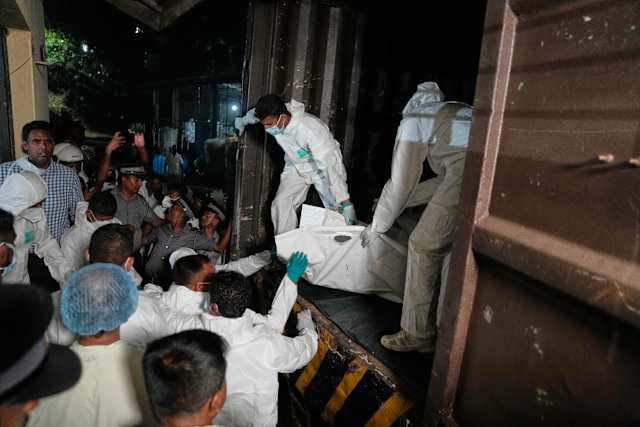
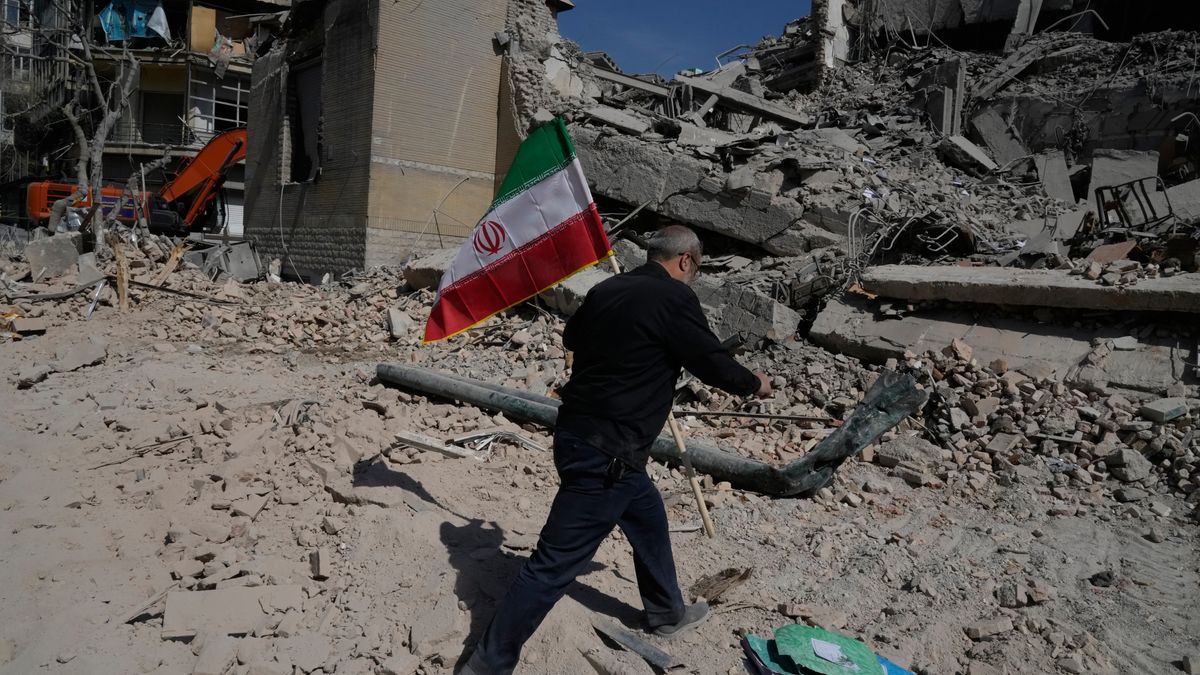
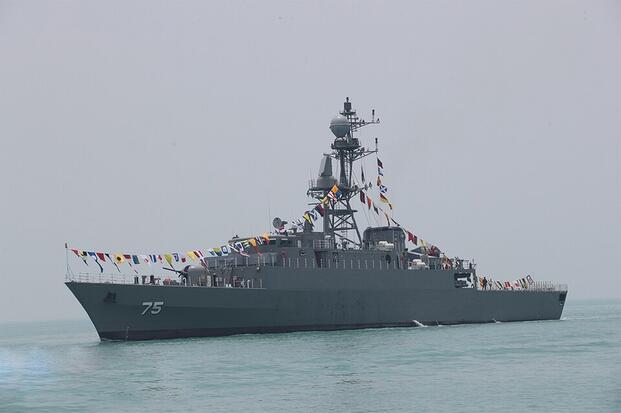
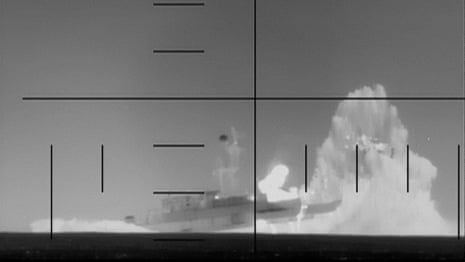
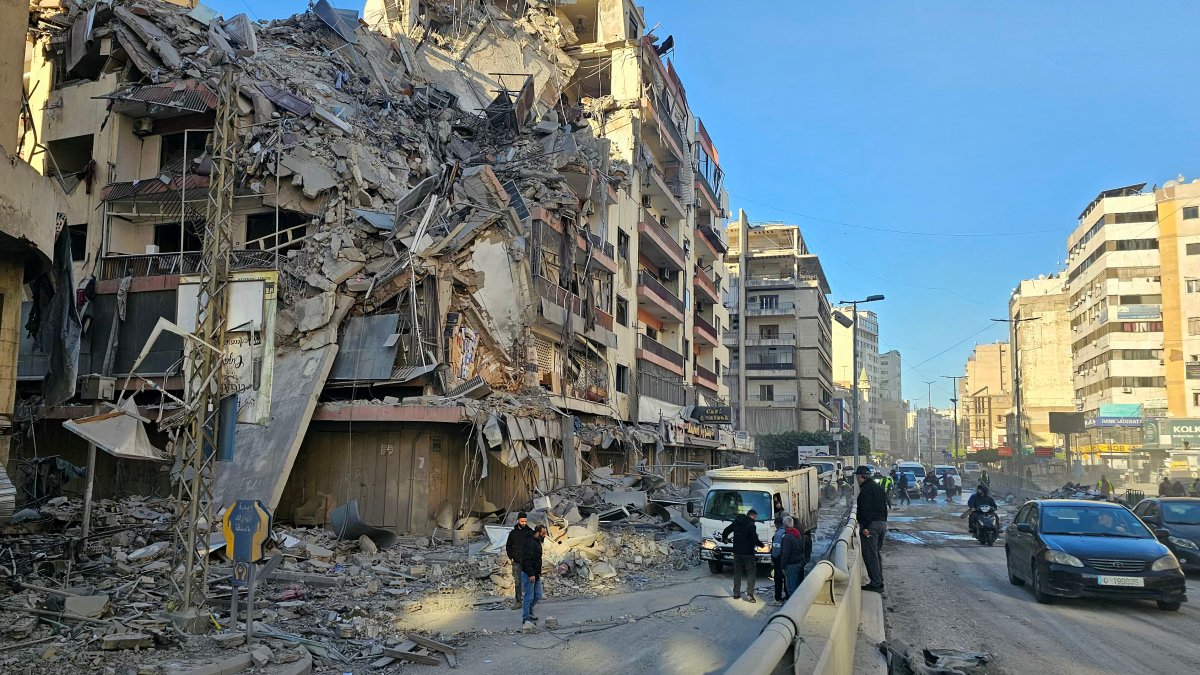
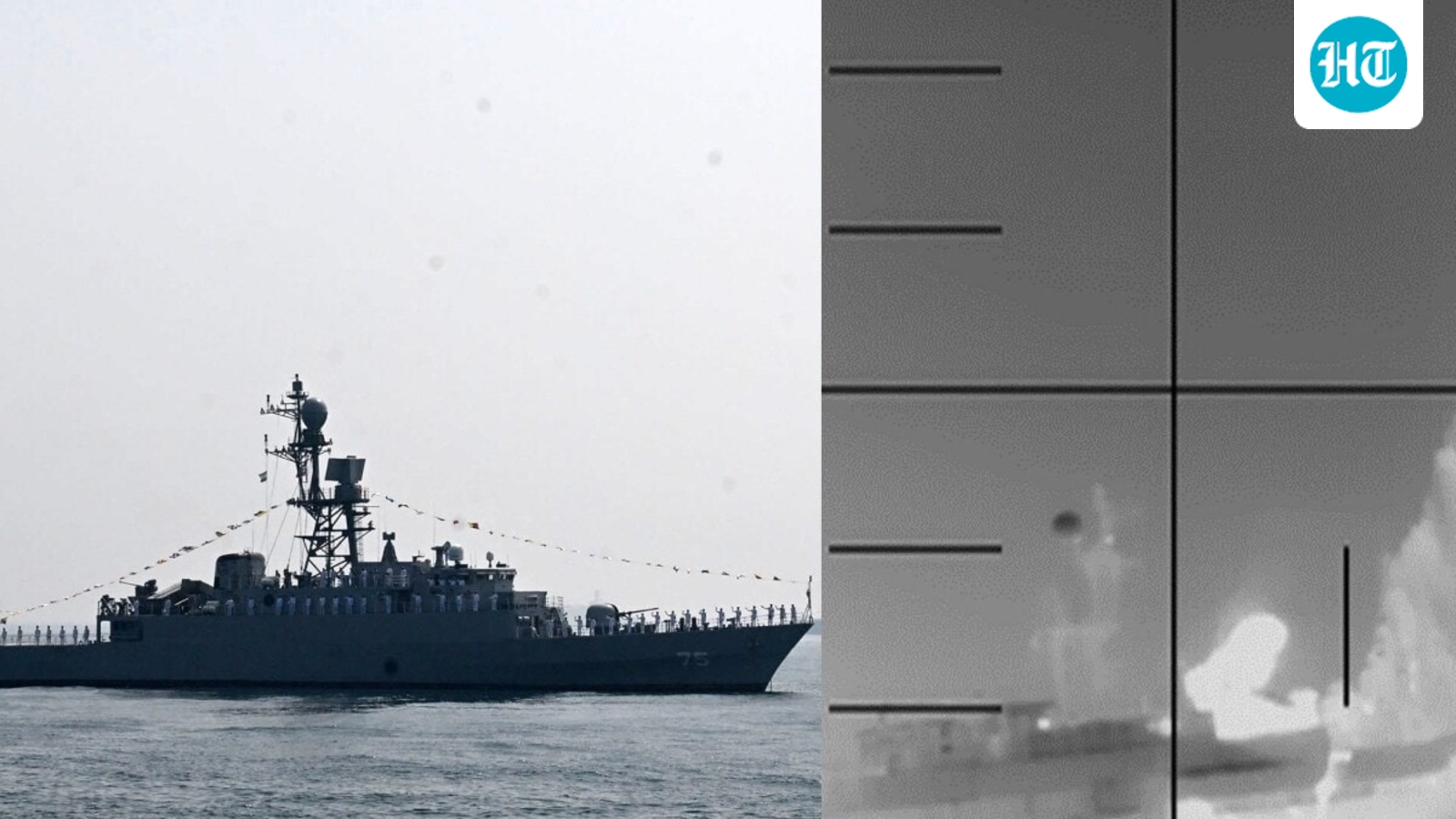
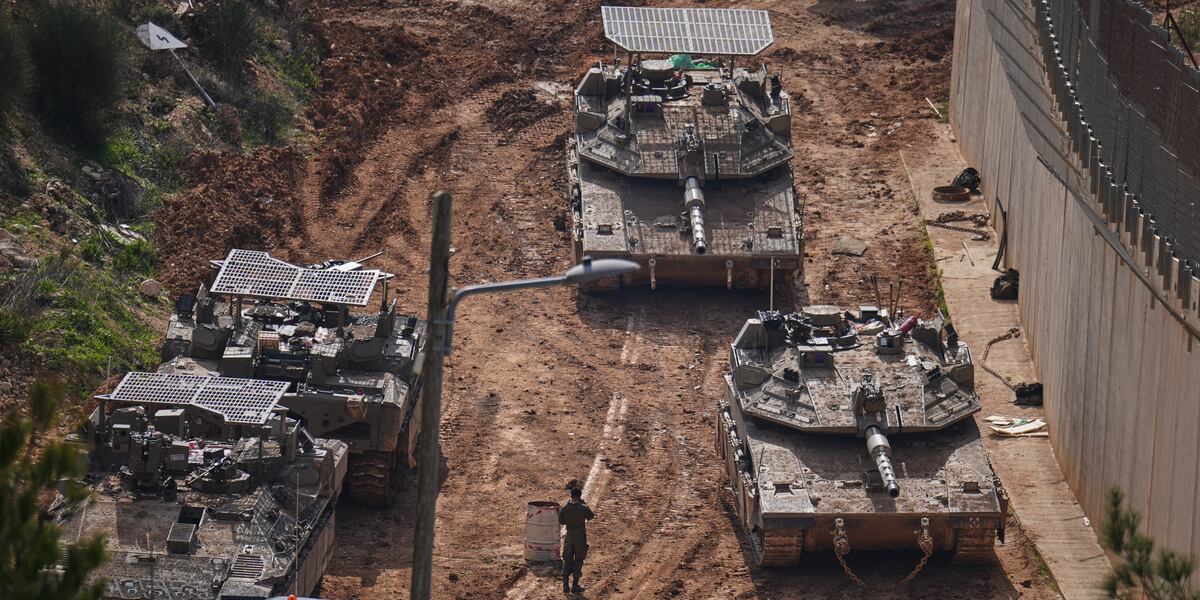
The escalating military conflict in the Indian Ocean region—triggered by the March 4, 2026 sinking of the Iranian warship IRIS Dena by a US Virginia-class submarine and subsequent retaliatory strikes—creates a critical 8-week supply chain disruption window for cross-border e-commerce sellers. The conflict, which began after the IRIS Dena departed India's International Fleet Review (February 16-25, 2026) in Vizag, has expanded beyond Iran to involve NATO allies including Turkey, with Defense Secretary Pete Hegseth indicating the conflict could extend approximately 8 weeks. This geopolitical escalation directly impacts sellers relying on maritime logistics through the Persian Gulf and Indian Ocean shipping corridors—critical pathways for 40-50% of global cross-border e-commerce shipments.
Immediate logistics impact: Sellers shipping electronics, apparel, and consumer goods via Indian ports (Jawaharlal Nehru Port Trust, Cochin Port) and Middle Eastern transshipment hubs face 15-25% increases in ocean freight costs as insurance premiums spike and shipping lines reroute vessels away from conflict zones. The 8-week conflict window creates a critical decision point: sellers must either absorb cost increases (compressing margins 8-12% for products with <20% gross margins) or implement emergency sourcing diversification. Amazon FBA sellers shipping from India to US/EU markets via traditional routes face 2-3 week delivery delays, directly impacting IPI (Inventory Performance Index) scores and Buy Box eligibility during peak selling seasons.
Strategic sourcing implications: The conflict accelerates a shift away from India-based manufacturing and fulfillment for cross-border sellers. Sellers currently sourcing from Indian suppliers (textiles, electronics components, pharmaceuticals) should evaluate alternative sourcing from Vietnam, Thailand, and Indonesia to bypass Indian Ocean routing. This represents a 6-12 month repositioning window before supply chain alternatives become saturated. Sellers with inventory in Indian warehouses face immediate decisions: liquidate via domestic Amazon.in marketplace (lower margins but faster turnover) or maintain FBA inventory at elevated holding costs. The conflict also impacts sellers relying on Middle Eastern transshipment hubs for Africa/Europe distribution—alternative routing through Suez Canal alternatives or air freight adds 20-35% to logistics costs.
Compliance and risk mitigation: Sellers must monitor shipping insurance requirements, as maritime insurers are implementing conflict zone surcharges (3-8% premium increases) for Indian Ocean and Persian Gulf routes. Shopify and WooCommerce sellers should update shipping calculators to reflect 15-20% cost increases for India-origin shipments. Amazon sellers should proactively communicate with customers about potential delivery delays (2-3 weeks) to avoid negative feedback and A-to-Z guarantee claims. The 8-week timeline creates a critical window to lock in freight rates before further escalation; sellers should negotiate long-term contracts with 3PL providers before rates spike further.
Questions 8
How should sellers negotiate with 3PL providers during this shipping crisis?
Sellers should immediately contact 3PL providers to lock in freight rates for the next 8-12 weeks before further escalation. Request long-term contracts (6-12 months) with rate caps to protect against future increases. Negotiate alternative routing options: air freight (35% premium, 5-7 days), Suez Canal alternatives (2-3 week delays, 8-12% cost increase), or Southeast Asian transshipment hubs (1-2 week delays, 5-8% cost increase). Request priority allocation of container space as shipping lines reduce Indian Ocean capacity. For sellers with <$50K monthly shipping spend, consolidate with freight forwarders to improve negotiating leverage. Document all rate increases and alternative routing costs for potential supply chain disruption insurance claims.
Which product categories are most vulnerable to Indian Ocean shipping disruptions?
Electronics, apparel, textiles, and consumer goods sourced from India face the highest vulnerability due to high volume and thin margins (10-18% gross margins). Pharmaceutical and nutraceutical products from India also face disruption, though these often command higher margins (25-35%) allowing better cost absorption. Luxury goods and high-value items (>$100 per unit) can absorb 15-25% logistics increases more easily. Sellers in low-margin categories (apparel, basic electronics) should prioritize sourcing diversification to Vietnam/Thailand. High-margin categories (specialty foods, premium goods) can maintain India sourcing if they implement 8-12% price increases. Monitor category-specific shipping data in Amazon Seller Central and Shopify analytics to identify which products are experiencing longest delays.