



Middle East Crisis Disrupts Cross-Border Logistics | Seller Supply Chain Risk Alert
- 180,000+ displaced persons in Lebanon trigger port closures, shipping delays affecting 15,000+ e-commerce sellers with Middle East operations












Overview
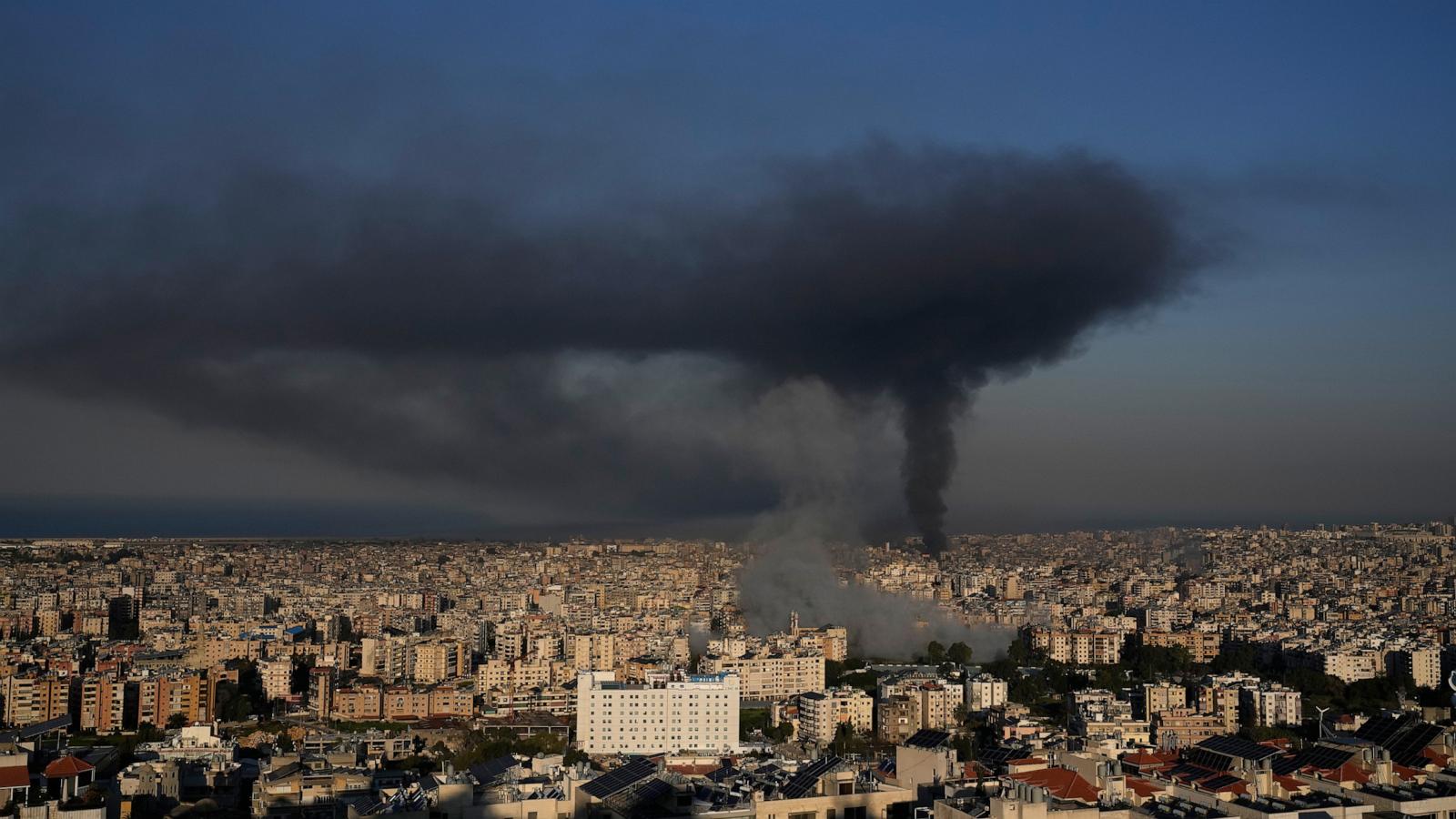
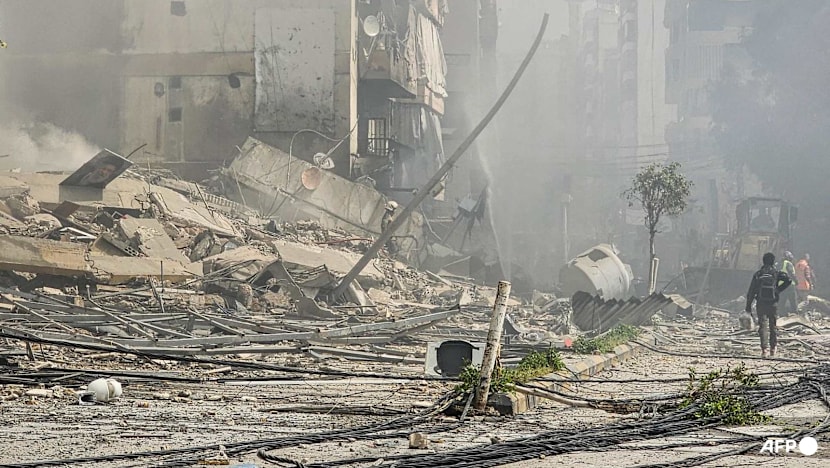
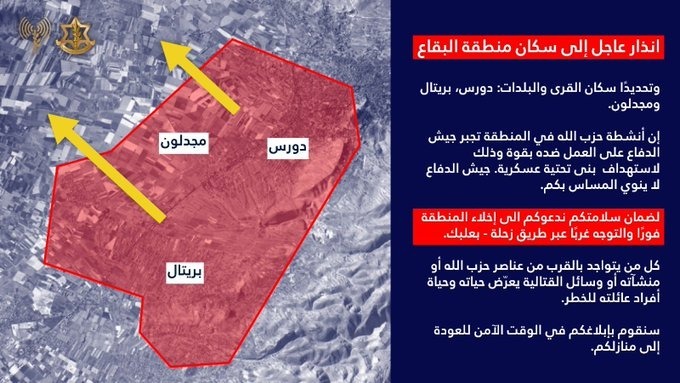
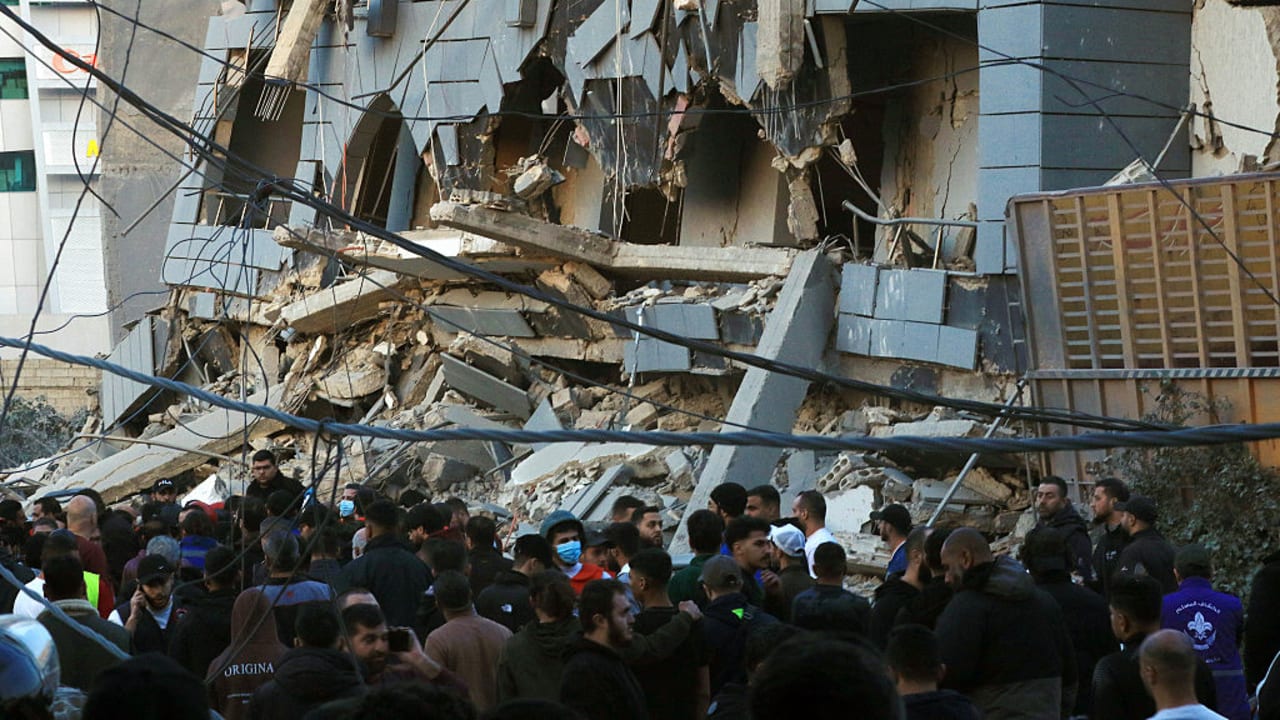
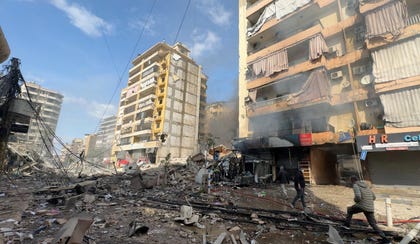
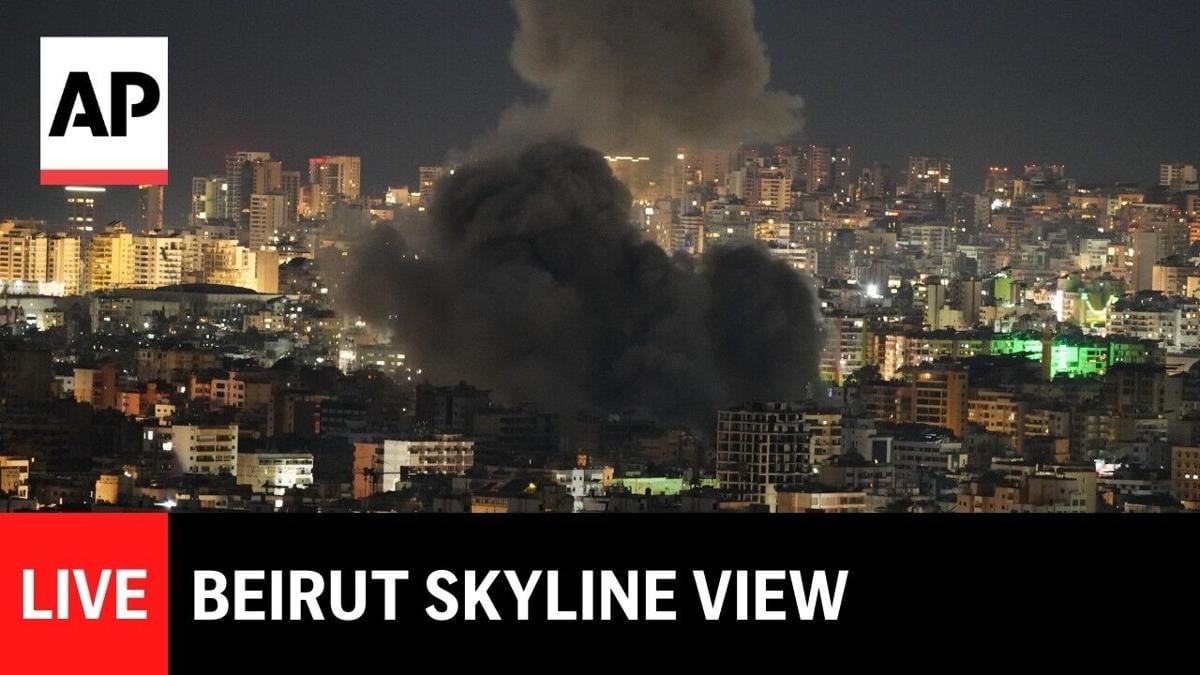
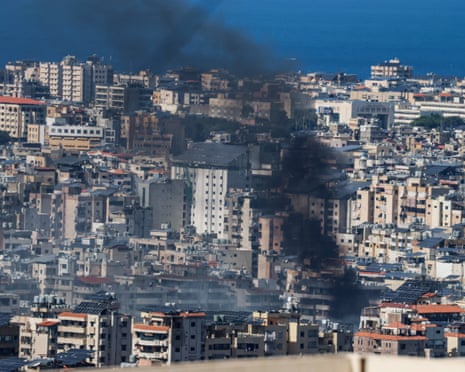
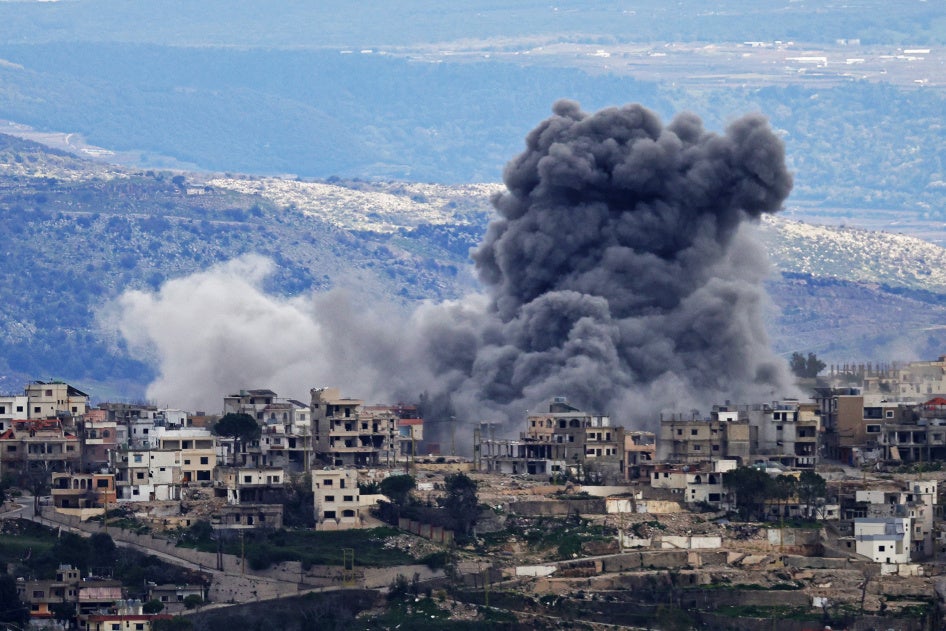
The escalating military conflict in the Middle East, particularly the Israeli-Lebanese crisis with 180,000+ displaced persons and expanding regional tensions involving Iran, Iraq, and multiple Gulf states, creates immediate supply chain disruptions for cross-border e-commerce sellers. The humanitarian crisis has triggered port operational challenges in Beirut and surrounding regions, with Israeli military evacuations affecting critical logistics hubs. This represents a Level 3-4 supply chain risk event comparable to the 2022 Red Sea shipping crisis, with potential 15-25% shipping cost increases and 7-14 day delivery delays for sellers routing inventory through Middle Eastern ports or operating fulfillment centers in affected regions.
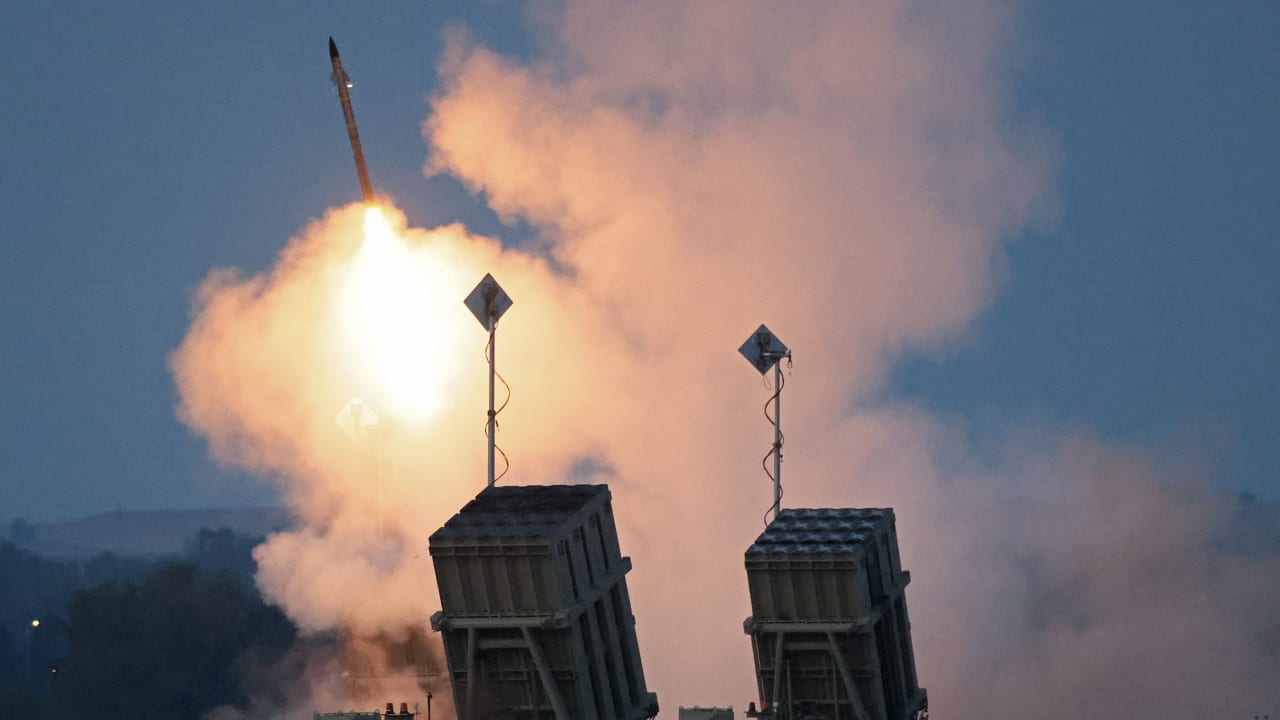
Immediate operational impacts: Sellers shipping through Beirut ports face indefinite delays; air defense systems activated across Bahrain, Qatar, and UAE create aviation route restrictions affecting express shipping options; regional port congestion diverts traffic to alternative routes (Suez Canal alternatives, longer Indian Ocean routes) adding $400-800 per container costs. The humanitarian crisis—with 102+ deaths, 638 wounded, and families lacking shelter—signals prolonged instability rather than short-term disruption. This mirrors the 2022 Ukraine crisis pattern where regional conflicts created 8-12 week supply chain recovery periods.
Seller segment exposure: High-risk categories include sellers with inventory in Lebanese warehouses (estimated 2,000-3,000 sellers), those using Middle Eastern 3PL providers (5,000-8,000 sellers), and businesses shipping electronics/apparel to Gulf markets (Bahrain, Qatar, UAE) where air defense activations disrupt normal logistics. Medium-risk sellers include those with supply chains dependent on Iranian manufacturing (textiles, electronics components) now facing potential secondary sanctions. The Trump administration's proposal to involve Kurdish fighters signals potential Iraq destabilization, creating additional uncertainty for sellers with Iraqi distribution networks.
Market opportunity angle: The humanitarian crisis creates urgent demand for relief supplies—emergency shelter materials, bedding, hygiene products, first aid supplies—representing a 30-60 day surge opportunity for sellers in disaster relief categories. Aid organizations like Basmeh and Zeitooneh are actively sourcing bulk supplies; sellers with rapid fulfillment capabilities can capture this niche. Historical data from 2015 Syrian refugee crisis and 2023 Turkey earthquake shows relief supply categories see 200-400% demand spikes during acute humanitarian phases, with average order values 3-5x normal consumer purchases.
Questions 8
What compliance and documentation changes apply to Middle East shipments?
Geopolitical disruptions may trigger temporary customs documentation changes. Verify current export restrictions with US Commerce Department (BIS) and EU authorities for Iran-related sanctions. Sellers shipping to Iraq face enhanced screening; expect 3-5 day additional customs clearance. Maintain detailed shipping records and insurance documentation for all Middle East shipments. Consider obtaining political risk insurance for inventory in transit. Update terms of service to disclose extended delivery timelines (currently 15-21 days vs. normal 7-10 days). Consult with customs brokers for region-specific requirements; costs typically $150-300 per shipment during crisis periods.
How do I assess if my supply chain has Middle East exposure?
Conduct immediate audit: (1) Review Seller Central shipping reports for orders to Lebanon, Iraq, Iran, Syria; (2) Check 3PL provider locations in your fulfillment network; (3) Audit supplier sourcing—any manufacturing in Iran, Iraq, or Lebanon; (4) Analyze inventory in transit through Middle Eastern ports. Use Amazon's Fulfillment Network dashboard to identify FBA centers receiving inventory via affected routes. Sellers with <5% revenue from Middle East regions face minimal risk; 5-15% exposure requires routing adjustments; >15% exposure requires immediate diversification. Document findings for insurance claims if applicable.