




Middle East Crisis Disrupts Global Supply Chains | Sellers Face 8-12% Shipping Cost Surge
- Oil prices spike 2% amid regional conflict; Dubai airport suspends flights until March 7; sellers shipping to Middle East/Europe face delays and tariff uncertainty






































Overview
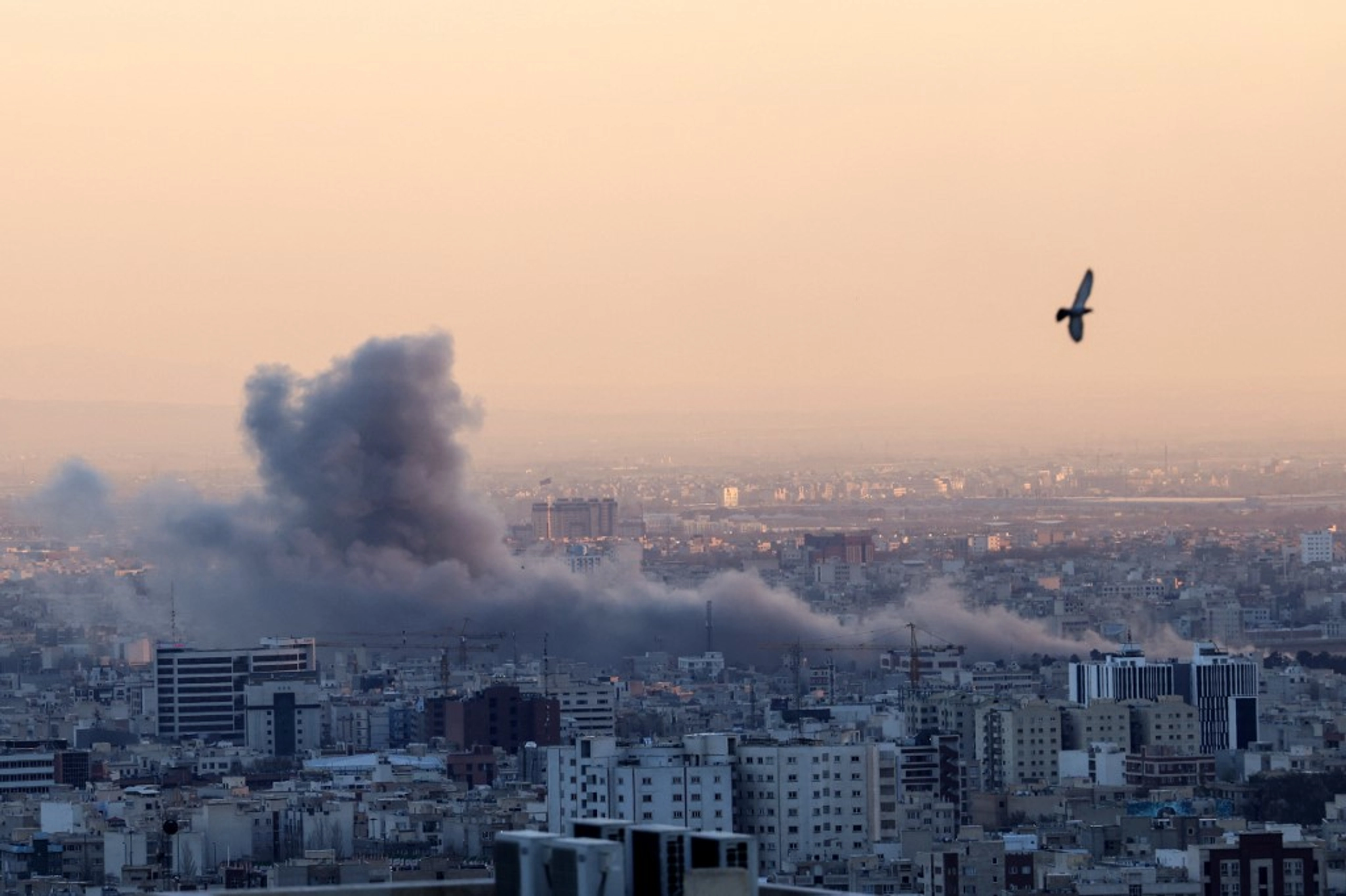
The escalating Iran-Israel-US military conflict is creating immediate operational disruptions and cost pressures for cross-border e-commerce sellers, particularly those dependent on Middle Eastern logistics hubs and energy-sensitive supply chains. Brent crude oil trading at $82/barrel with 2% intraday spikes directly impacts shipping costs for all sellers using air freight or fuel-surcharge-dependent carriers. Emirates Airlines suspended all Dubai flights until March 7, eliminating a critical transshipment hub that processes 40%+ of Asia-to-Europe e-commerce logistics. This creates a 10-14 day rerouting delay for sellers shipping electronics, apparel, and consumer goods through traditional Middle East corridors.
Immediate cost impacts are quantifiable: Fuel surcharges on DHL, FedEx, and UPS international shipments typically increase $0.15-0.35 per pound when crude exceeds $80/barrel. For a seller shipping 1,000 units monthly (average 2 lbs each), this translates to $300-700 monthly cost increase. Small sellers (under $500K annual revenue) face 8-12% margin compression since they lack negotiating power with 3PL providers and cannot absorb fuel surcharges. Medium sellers ($500K-$5M) can partially offset through price increases (2-4% list price bump) but risk losing Buy Box to competitors. Large sellers ($5M+) with contracted rates are relatively insulated but face inventory positioning challenges.
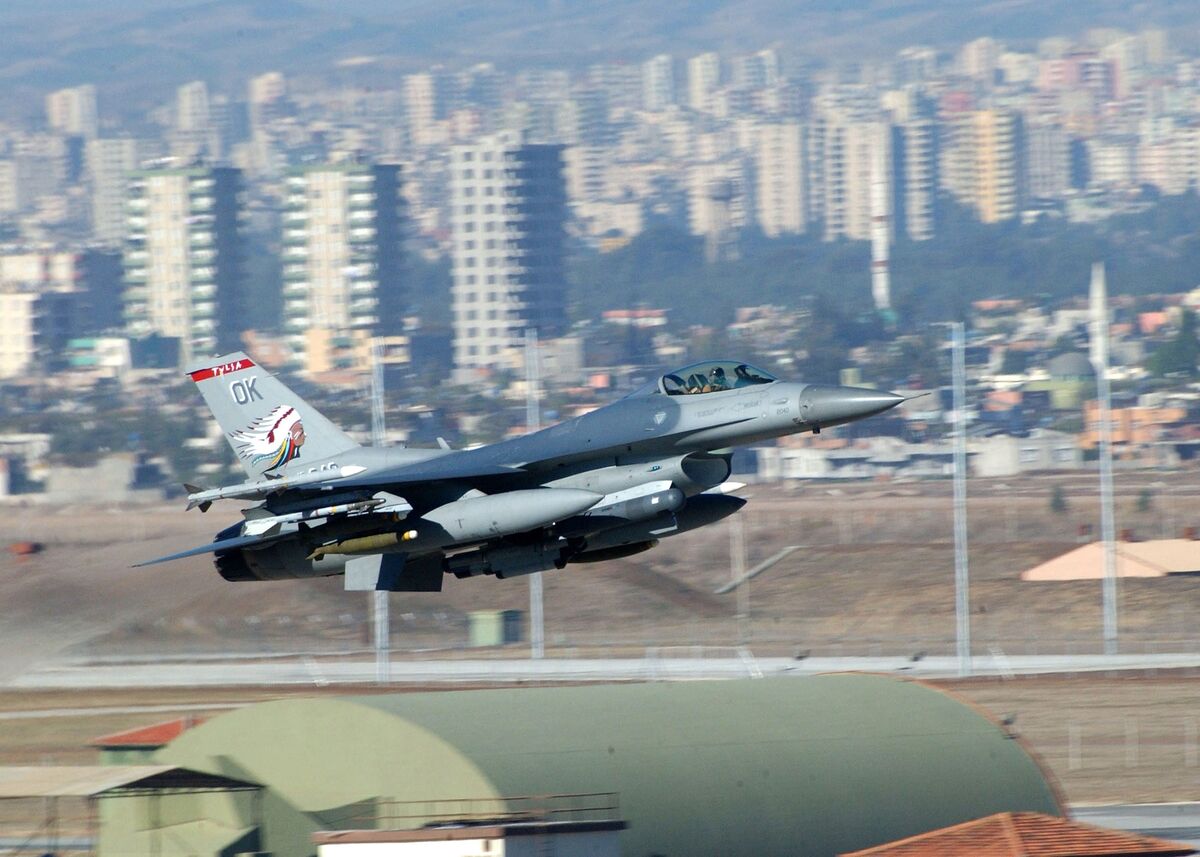
Regional market access is deteriorating: The US State Department evacuation order for Iraq, combined with Dubai airport disruptions, signals potential customs delays and payment processing complications for sellers with active Middle Eastern customer bases. Turkey's NATO status and Incirlik Air Base targeting create uncertainty around Turkish logistics corridors—a critical alternative route for Europe-bound shipments. China's suspension of refined oil exports and below-5% growth target announcement indicates reduced manufacturing capacity and potential price increases for electronics, textiles, and consumer goods sourced from Asia. This creates a 4-6 week lead time extension for sellers relying on China-Vietnam-Middle East-Europe supply chains.
Competitive dynamics shift toward sellers with diversified logistics: Those using multiple fulfillment networks (US-based FBA, EU warehouses, India 3PLs) can reroute shipments away from Middle Eastern hubs. Sellers concentrated in single-corridor logistics face 2-3 week delivery delays and customer satisfaction penalties. The conflict also creates arbitrage opportunities in security/defense-adjacent product categories (emergency supplies, communication devices, protective equipment) where demand typically spikes 15-25% during regional instability, though compliance and export control restrictions apply.
Questions 8
What payment processing risks exist for Middle East customer sales?
Iran sanctions create automatic payment processing blocks—Stripe, PayPal, and Amazon Payments reject transactions from Iranian IP addresses and payment methods. For legitimate sales to other Middle Eastern countries (UAE, Saudi Arabia, Kuwait), verify customer location and payment method origin. SWIFT banking delays may extend payment settlement 5-7 days during conflict periods. Consider requiring prepayment or alternative payment methods (cryptocurrency, international wire transfer) for high-value orders. Monitor chargeback rates—regional instability typically increases dispute rates by 8-12%. Maintain detailed transaction documentation for compliance audits.
How should I adjust inventory positioning across FBA regions?
Implement a 3-region strategy: (1) Pre-position 40% inventory in US FBA to serve North American customers unaffected by Middle East disruptions; (2) Shift 35% to EU FBA via alternative routes (direct air freight avoiding Dubai); (3) Maintain 25% in Asia-Pacific FBA for regional sales. This diversification reduces single-point-of-failure risk. For sellers currently concentrated in Middle East logistics, this requires 2-3 week execution window before March 7 deadline. Calculate FBA storage costs across regions—EU storage is 15-20% higher than US, but faster European delivery justifies premium. Monitor IPI scores during transition to avoid suspension.