


China's 4.5% Growth Target & NPC Policy Shift | Critical Sourcing & Tariff Opportunities for Cross-Border Sellers
- Lowest growth since 1991 triggers supplier pricing compression; NPC March 5 session signals VAT/customs policy changes affecting 50K+ international sellers sourcing from China


















Overview
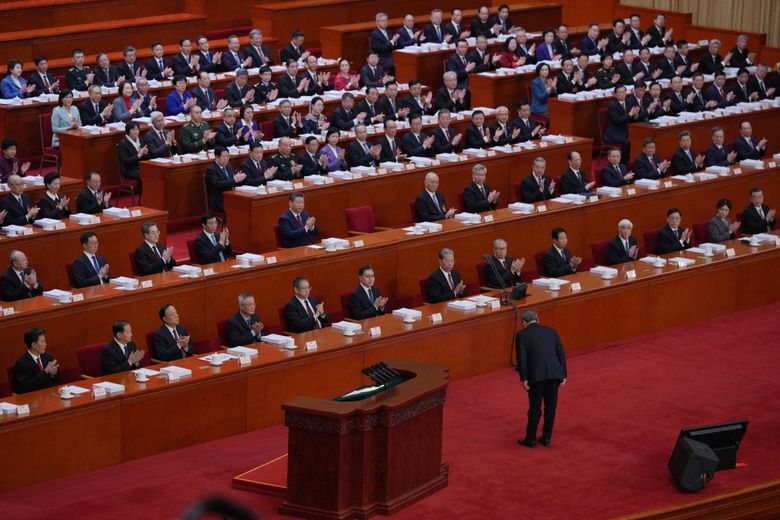
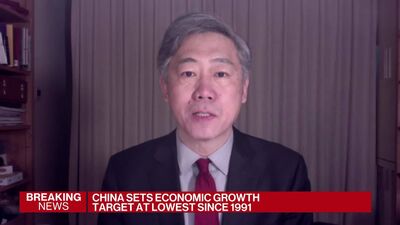
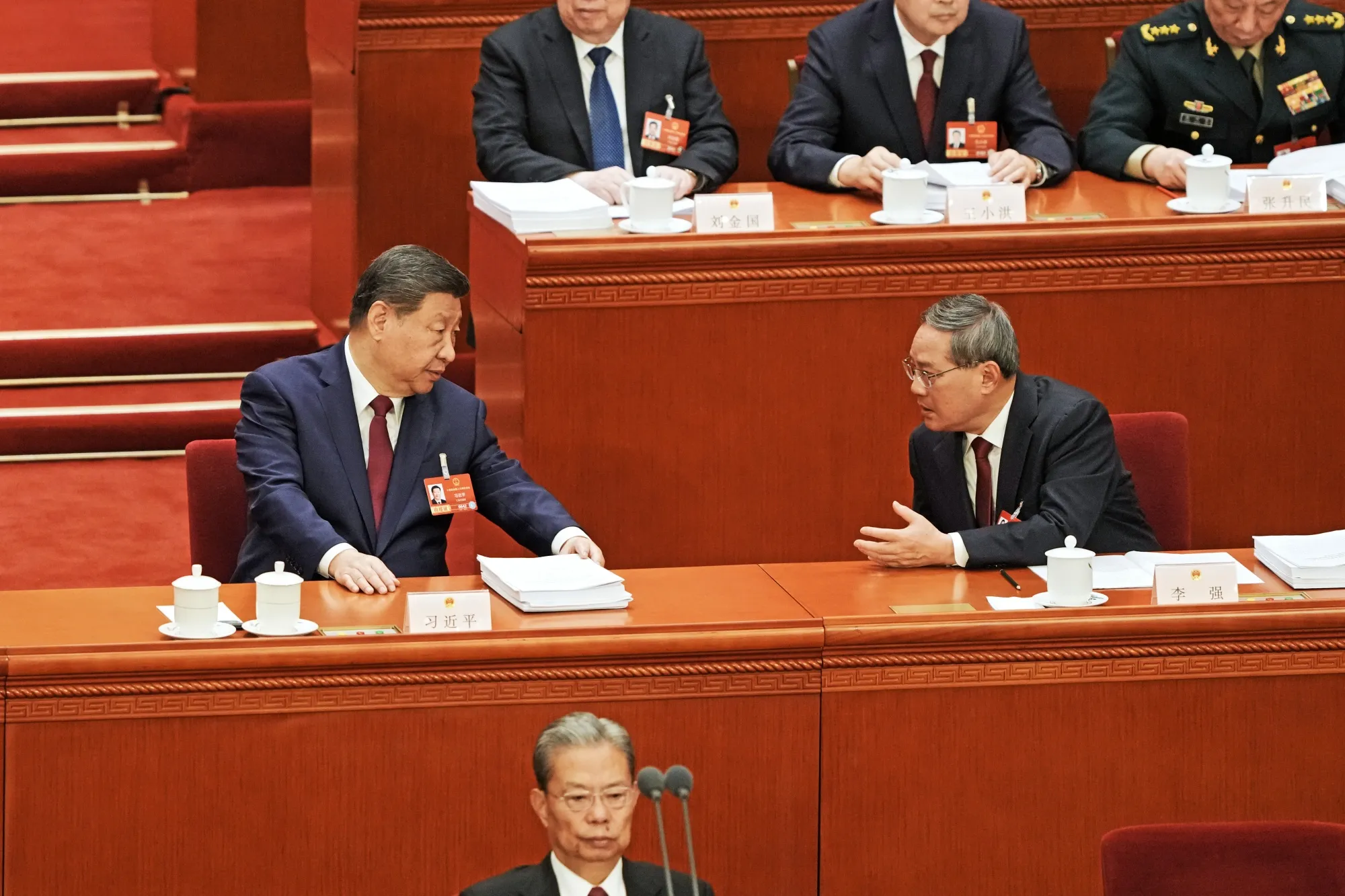
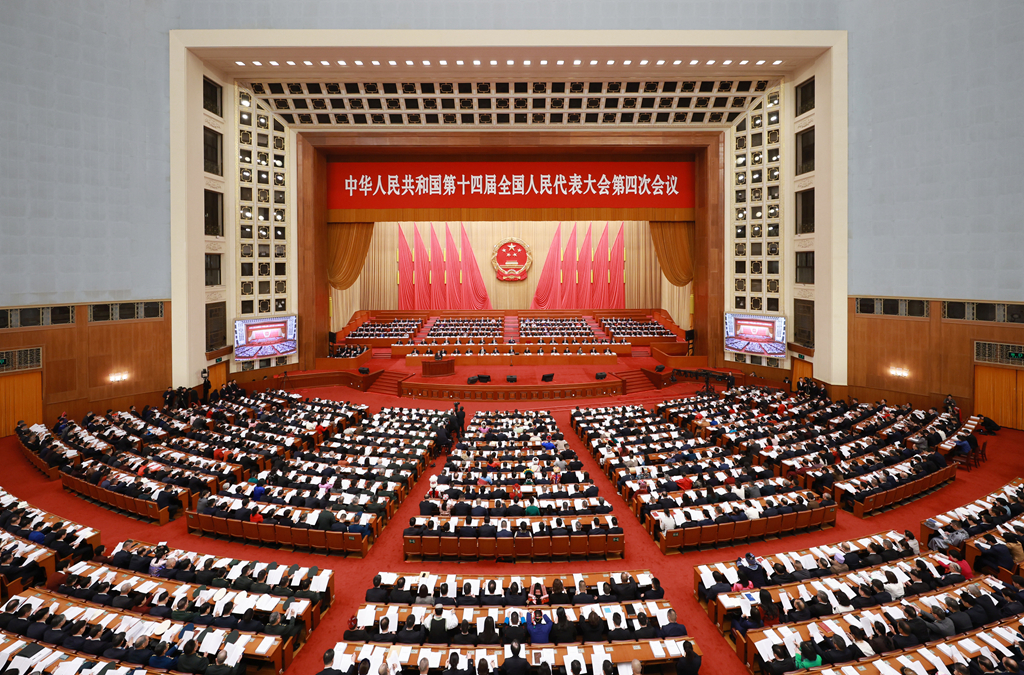
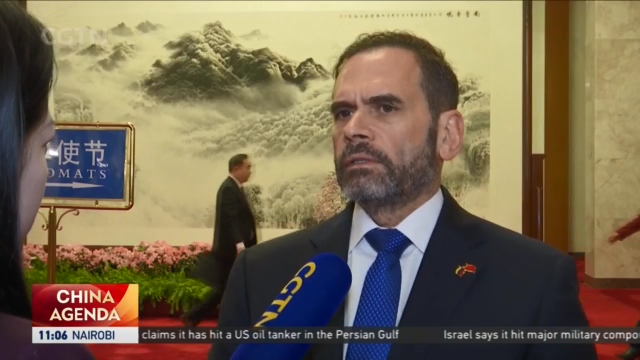
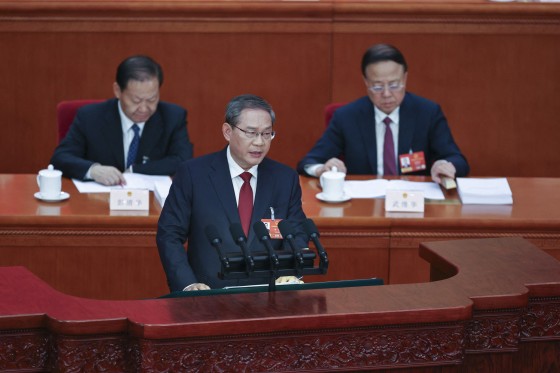
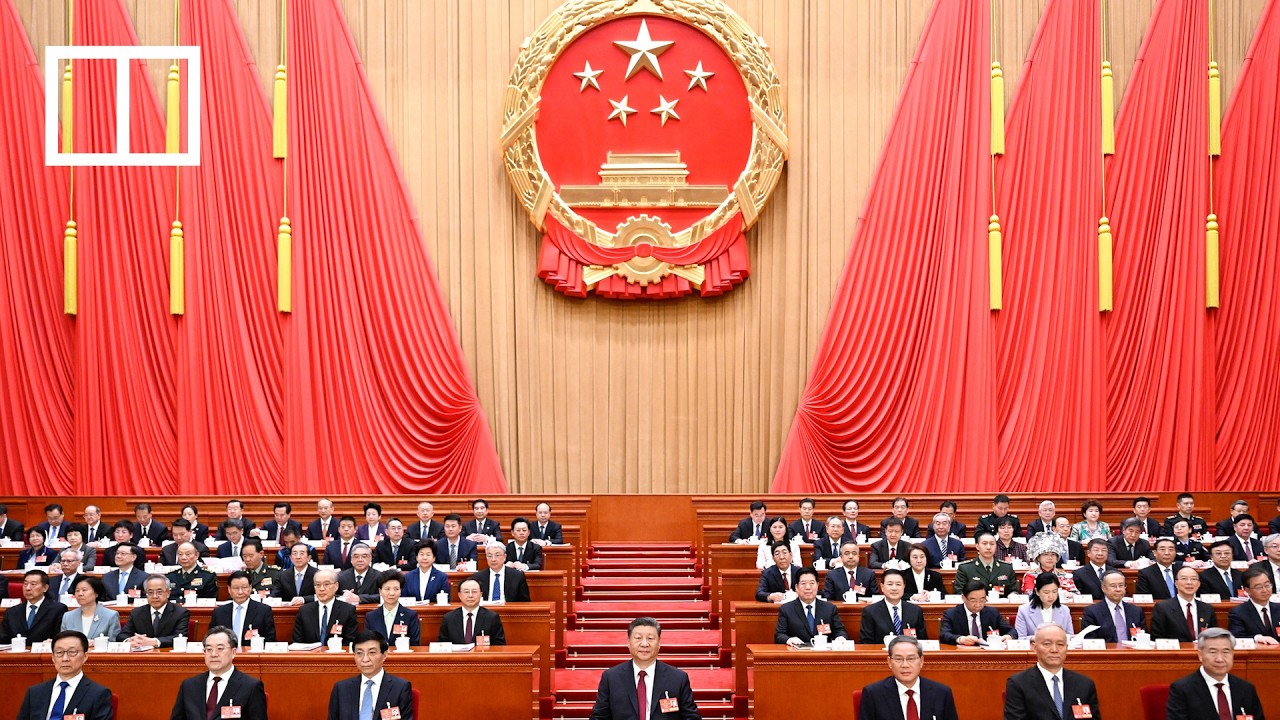
China's National People's Congress convened on March 5, 2026, announcing a historic 4.5-5% growth target—the lowest since 1991 when China represented less than 2% of global GDP. Now accounting for 10% of global economic output, this deceleration carries profound implications for cross-border e-commerce sellers worldwide. The NPC session serves as the primary venue for announcing regulatory frameworks, tariff structures, and policy adjustments affecting import-export dynamics. Premier Li Qiang characterized the growth challenge as "formidable," reflecting structural economic imbalances rooted in China's export-dependent model where net exports contributed one-third of last year's 5% growth—the largest contribution in nearly three decades.
For cross-border sellers, this convergence of slowing growth and policy announcements creates a dual-opportunity window. Chinese manufacturers facing reduced domestic consumption are increasingly aggressive in international pricing, creating tariff arbitrage opportunities across electronics (HS 8471-8517), textiles (HS 6204-6209), and consumer goods (HS 9406-9406). Sellers should monitor NPC announcements regarding VAT policy changes, customs procedures, and platform compliance requirements that could reduce sourcing costs by 5-12% through regulatory optimization. The 2026 session historically introduces significant changes to e-commerce taxation and logistics regulations affecting thousands of international sellers.
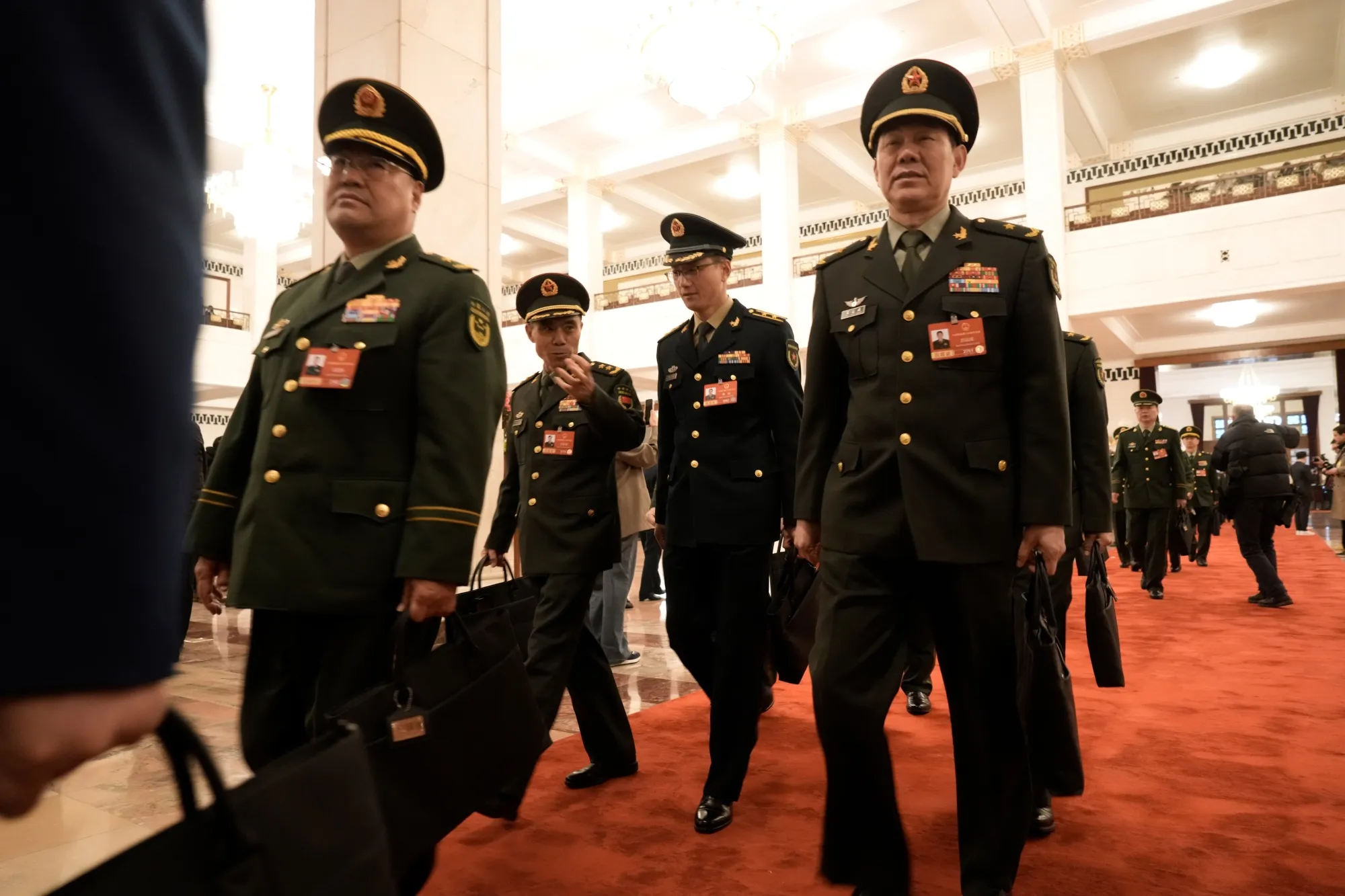
Supply chain dynamics are shifting decisively. With China's export-driven economy seeking alternative revenue streams amid Trump administration tariffs displacing goods from US markets, suppliers are offering competitive pricing to maintain market share. Currency fluctuations and potential RMB depreciation create additional margin expansion opportunities for sellers with flexible sourcing strategies. Simultaneously, reduced military spending and property market challenges constrain domestic Chinese consumption, intensifying supplier focus on international markets. This creates a 6-12 month window where negotiating power favors buyers before competitive pressures normalize.
Strategic sourcing country diversification becomes critical. While China remains dominant in electronics and consumer goods, the slowdown accelerates supplier migration to Vietnam, India, and Southeast Asia for categories facing tariff pressure. Sellers should evaluate sourcing portfolio rebalancing—shifting 15-25% of volume to alternative suppliers in lower-tariff jurisdictions while China's pricing advantage persists. Monitor NPC announcements for potential tariff reductions on specific HS codes that could improve margins on high-volume categories. The timing window for locking in favorable supplier agreements closes as competitive pressures normalize post-2026.
Questions 7
What is the timeline for locking in favorable supplier agreements?
The optimal window for negotiating favorable supplier terms is immediate through Q2 2026, before competitive pressures normalize. China's reduced domestic consumption and export-driven model create urgency for suppliers to secure international volume. This 6-12 month window typically closes as economic conditions stabilize or alternative suppliers increase capacity. Sellers should prioritize supplier negotiations within 30-60 days while negotiating leverage remains high. Document agreements with price locks and volume commitments to protect margins as market conditions shift.
How do Trump tariffs and China's export displacement affect seller opportunities?
Chinese goods displaced from US markets due to Trump administration tariffs are flooding alternative markets, intensifying supplier competition for international buyers. This creates a temporary pricing advantage for sellers with flexible sourcing strategies. Suppliers are offering competitive terms to maintain market share in non-US markets. Sellers should evaluate tariff-efficient sourcing corridors—shifting volume to suppliers in lower-tariff jurisdictions while China's pricing advantage persists. Monitor Trump administration tariff announcements for category-specific changes affecting your sourcing strategy.