




Energy Crisis Reshapes E-Commerce Logistics | 13% Gas Rally Compresses Seller Margins
- European natural gas surges 13% in single session; US gasoline projected to reach $3.25-$3.50; Strait of Hormuz disruptions threaten 20% of global energy supply affecting fulfillment costs for 50K+ cross-border sellers








Overview
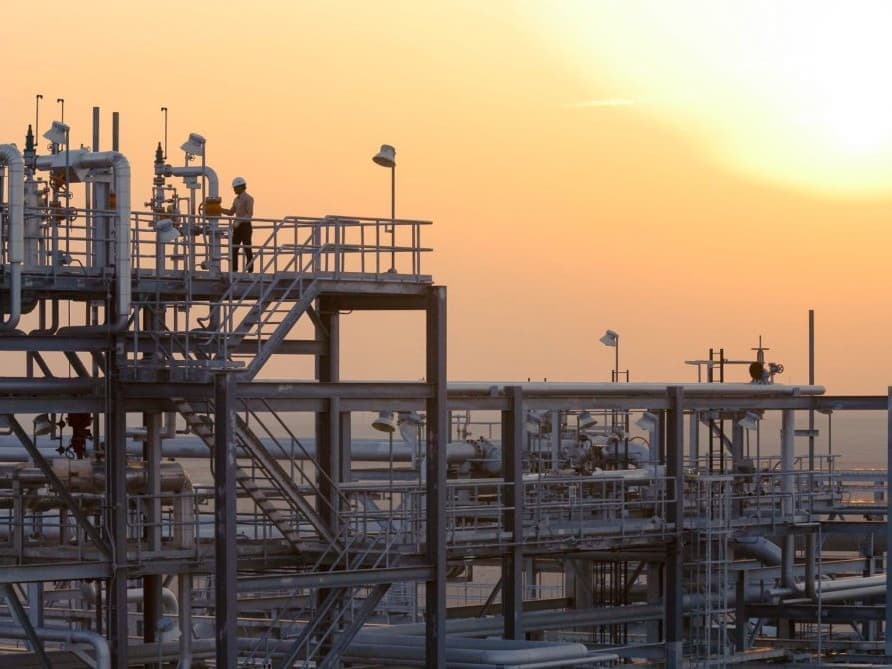
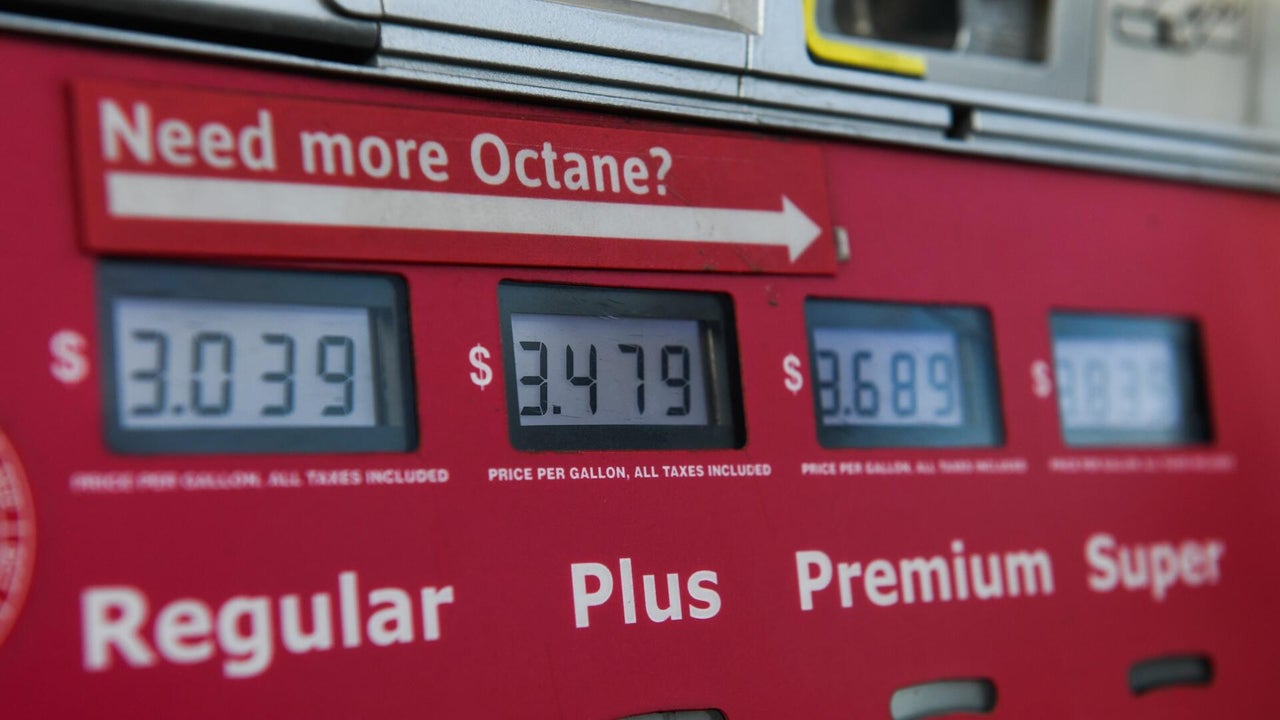
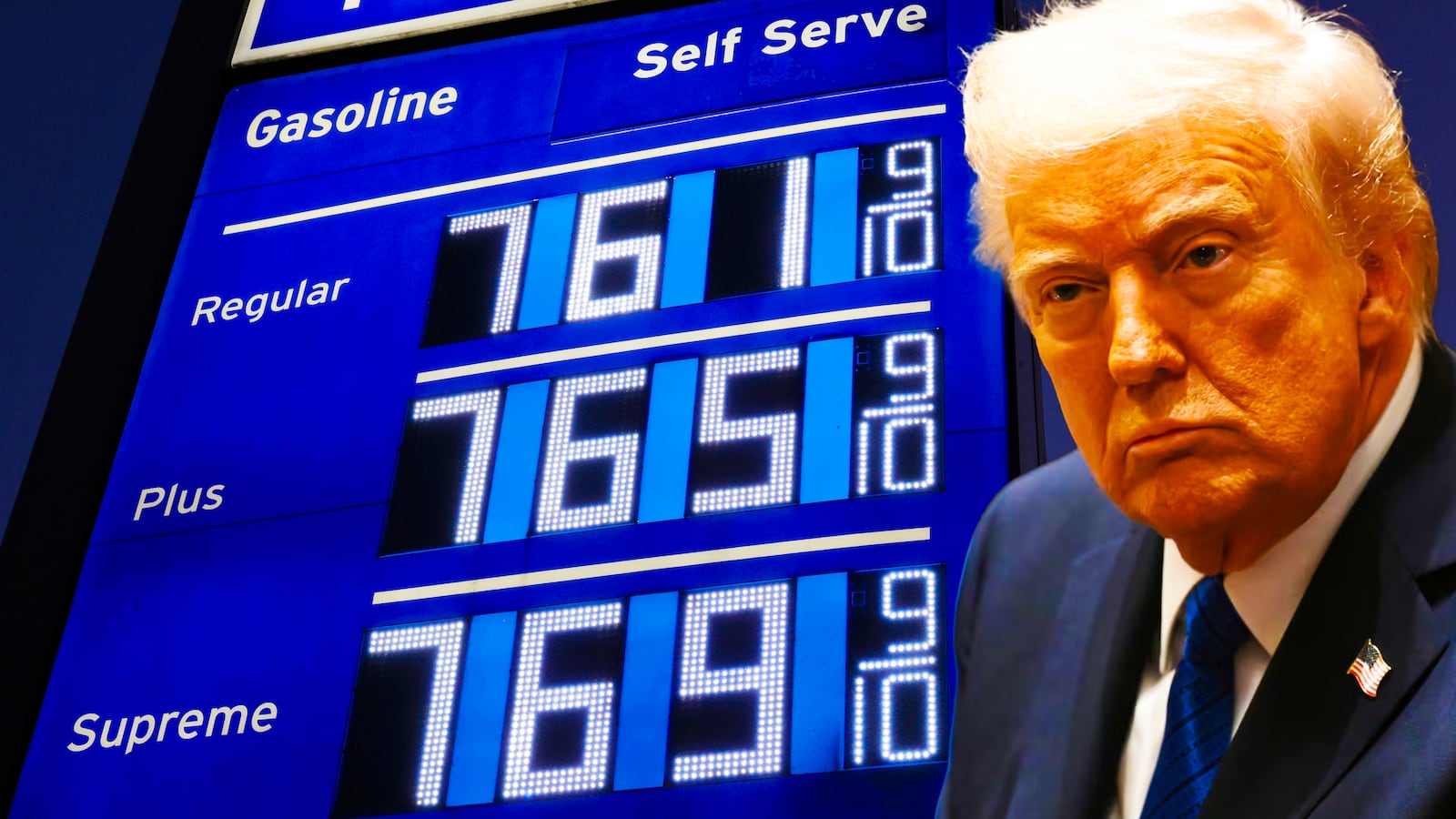
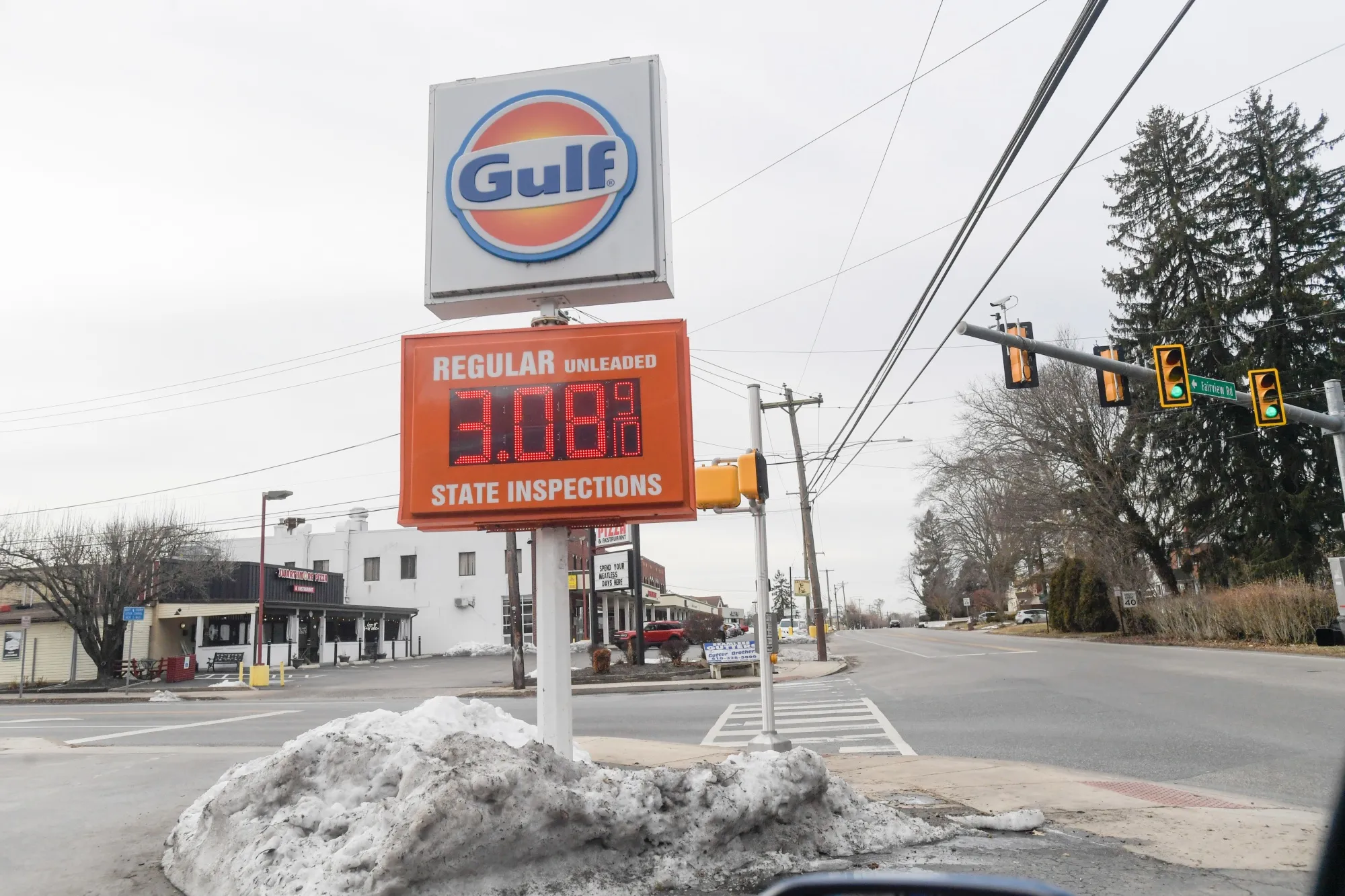
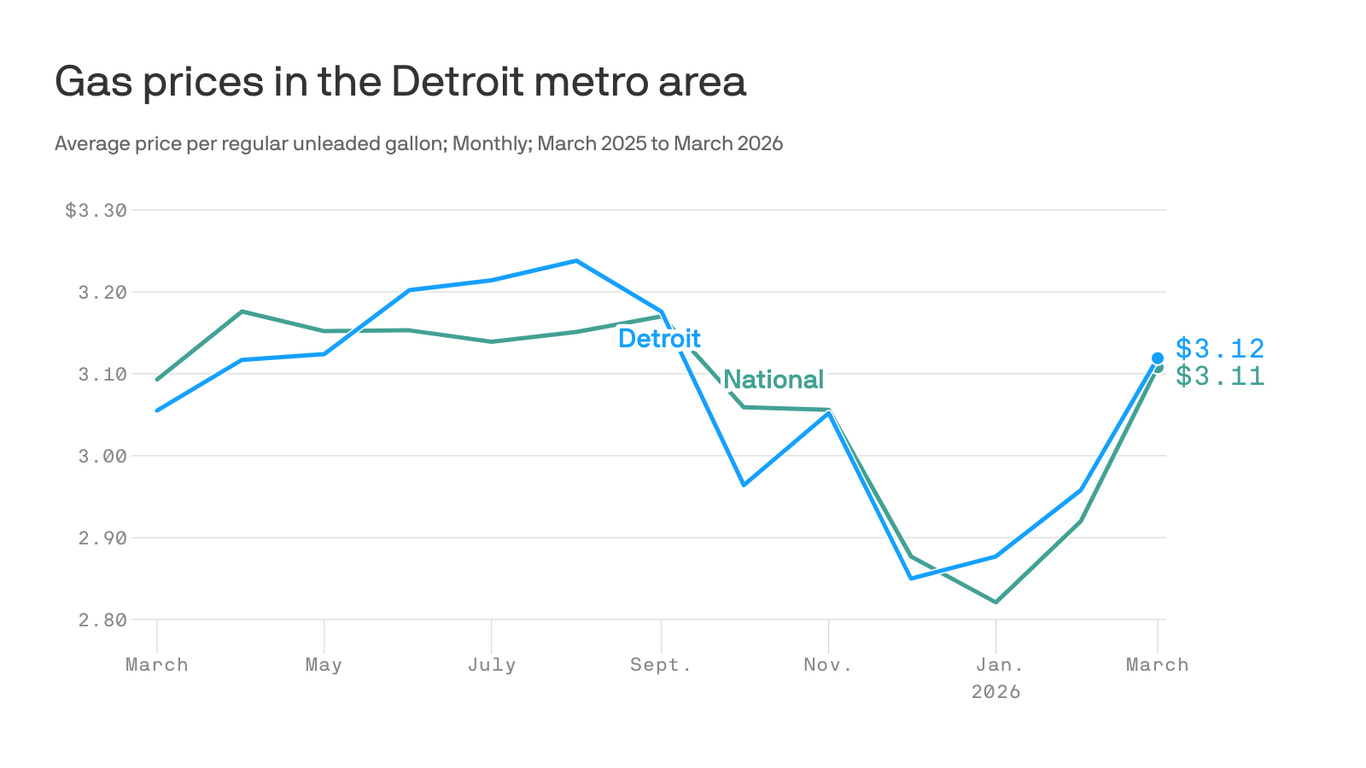
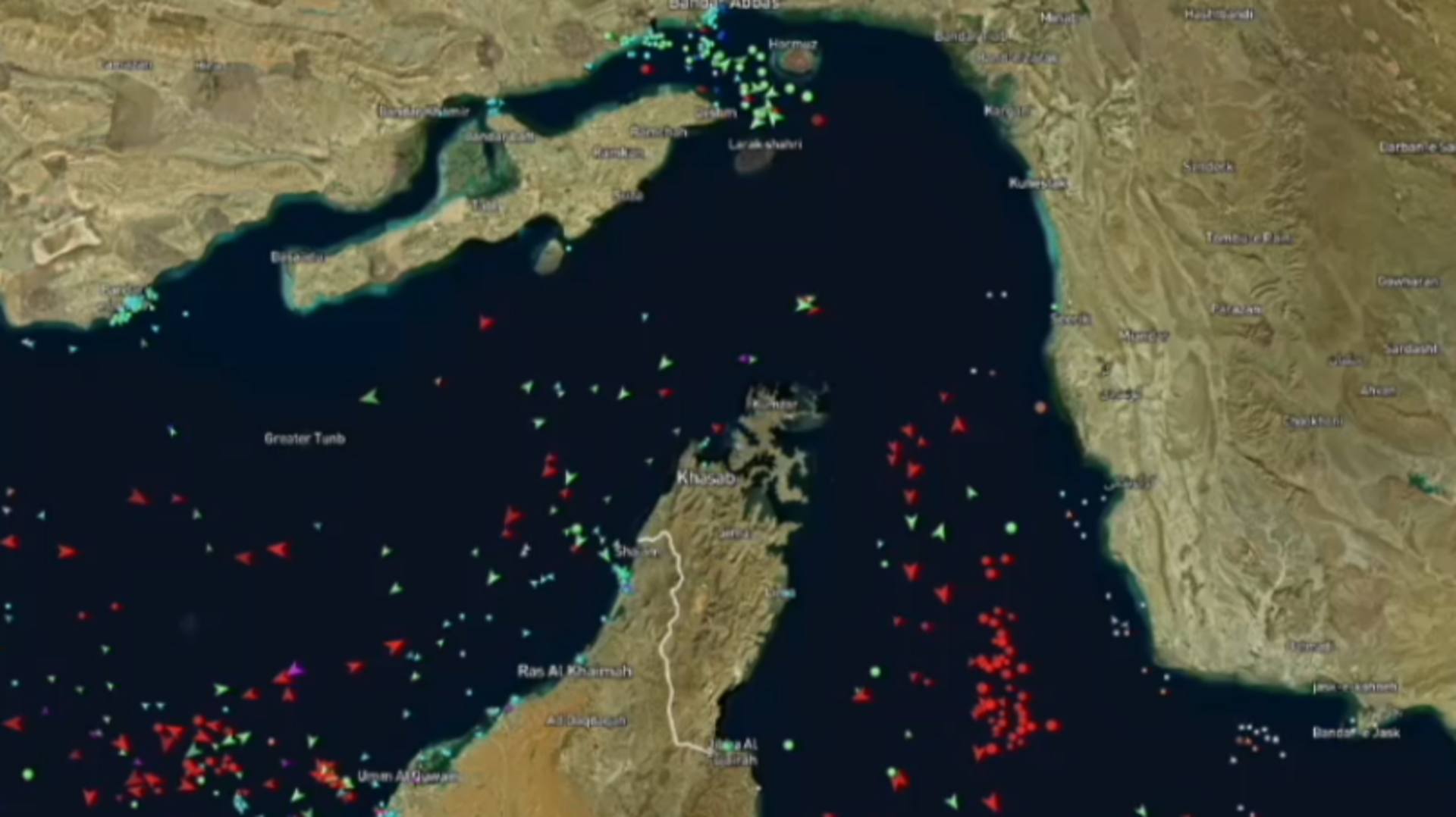
The Middle East geopolitical escalation beginning February 28, 2026, has triggered a cascading energy crisis with immediate implications for cross-border e-commerce operations globally. European natural gas futures jumped 13% on March 5, 2026—the sharpest single-session rally in years—while US gasoline prices surged to $3.11 per gallon nationally with projections reaching $3.25-$3.50 within weeks. The Strait of Hormuz, which handles 20% of global crude tanker shipments and critical LNG transport, faces operational disruptions as Iran threatens to prevent oil exports from the region. European natural gas prices have spiked nearly 70% since the conflict began, with Qatar halting LNG production entirely.
For cross-border e-commerce sellers, this energy crisis creates immediate operational cost pressures across multiple fulfillment channels. Sellers relying on energy-intensive logistics—particularly those shipping refrigerated goods, temperature-controlled products, or heavy items requiring fuel-intensive last-mile delivery—face 8-15% margin compression within 30-60 days. European sellers experience disproportionate pressure as regional energy costs remain 40-50% elevated compared to North American markets. Amazon FBA sellers with high inventory turnover in cold-chain categories (frozen foods, pharmaceuticals, cosmetics requiring temperature control) will see warehouse operational costs increase $200-400 monthly per fulfillment center. Shopify sellers managing 3PL networks face immediate renegotiation pressure as logistics providers pass through fuel surcharges (typically 3-5% of shipping costs). The White House has announced military protection for Strait of Hormuz shipping and IDFC insurance coverage for shippers, but these measures lack operational detail and provide limited market confidence.
The timing window for seller action is critical: 30-45 days before sustained cost increases become structural. Sellers should immediately audit energy-dependent supply chains, identifying which product categories face highest cost exposure. Refrigerated/frozen goods (HS codes 0201-0210, 0401-0406) and temperature-sensitive pharmaceuticals (HS codes 3001-3006) face 12-18% cost increases. Conversely, digital products, lightweight apparel, and non-perishable goods see minimal direct impact. Strategic sourcing shifts are already underway: sellers should evaluate shifting 15-25% of inventory from European warehouses to North American 3PLs where energy costs remain stable. The administration's proposed gasoline tax holiday (requiring Congressional action) offers uncertain consumer benefit but would reduce last-mile delivery costs by 8-12% if implemented. Sellers should monitor Strait of Hormuz shipping updates daily, as any escalation could trigger 20-30% shipping cost increases within 48 hours. Consider hedging strategies through fuel surcharge clauses in customer pricing and negotiating fixed-rate logistics contracts through Q2 2026 before further escalation.
Questions 7
Which product categories face the highest logistics cost increases from this energy crisis?
Energy-intensive categories face disproportionate cost increases: refrigerated foods (HS 0201-0210), dairy products (HS 0401-0406), temperature-sensitive pharmaceuticals (HS 3001-3006), and cosmetics requiring climate control (HS 3304-3307). These categories typically see 12-18% cost increases. Conversely, digital products, lightweight apparel (HS 6204-6209), and non-perishable goods experience minimal direct impact. Sellers should prioritize margin protection in cold-chain categories while maintaining competitive pricing in less-affected segments.
What is the impact of Strait of Hormuz disruptions on cross-border shipping timelines?
The Strait of Hormuz handles 20% of global crude tanker shipments and critical LNG transport. US-Israeli military operations beginning February 28, 2026, have created operational uncertainty, with Iran threatening to prevent oil exports from the region. While direct shipping through the Strait may continue, energy cost volatility creates 48-72 hour price fluctuation windows. Sellers should monitor daily shipping updates and consider locking in logistics rates through Q2 2026. Expect 3-5% fuel surcharges on existing shipping contracts within 30 days if energy prices remain elevated.