



Escalating Regional Instability: Mexico's Cartel Violence and Japan's Seismic Risks Expose Global Vulnerability
- Emerging Security Challenges Reshape Geopolitical Risk Landscapes Across Continents

)












































Overview
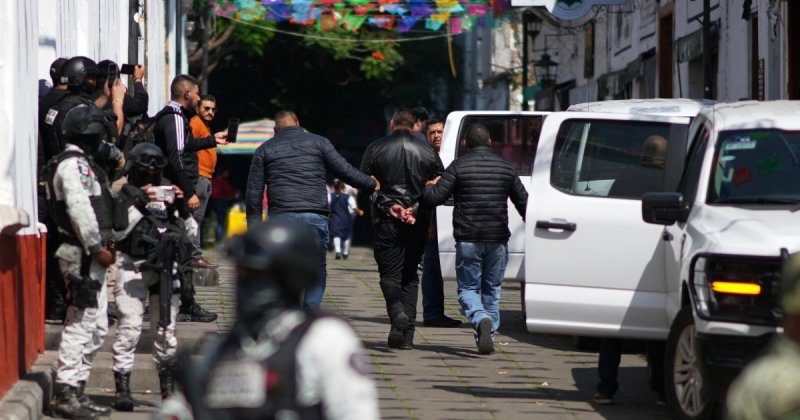
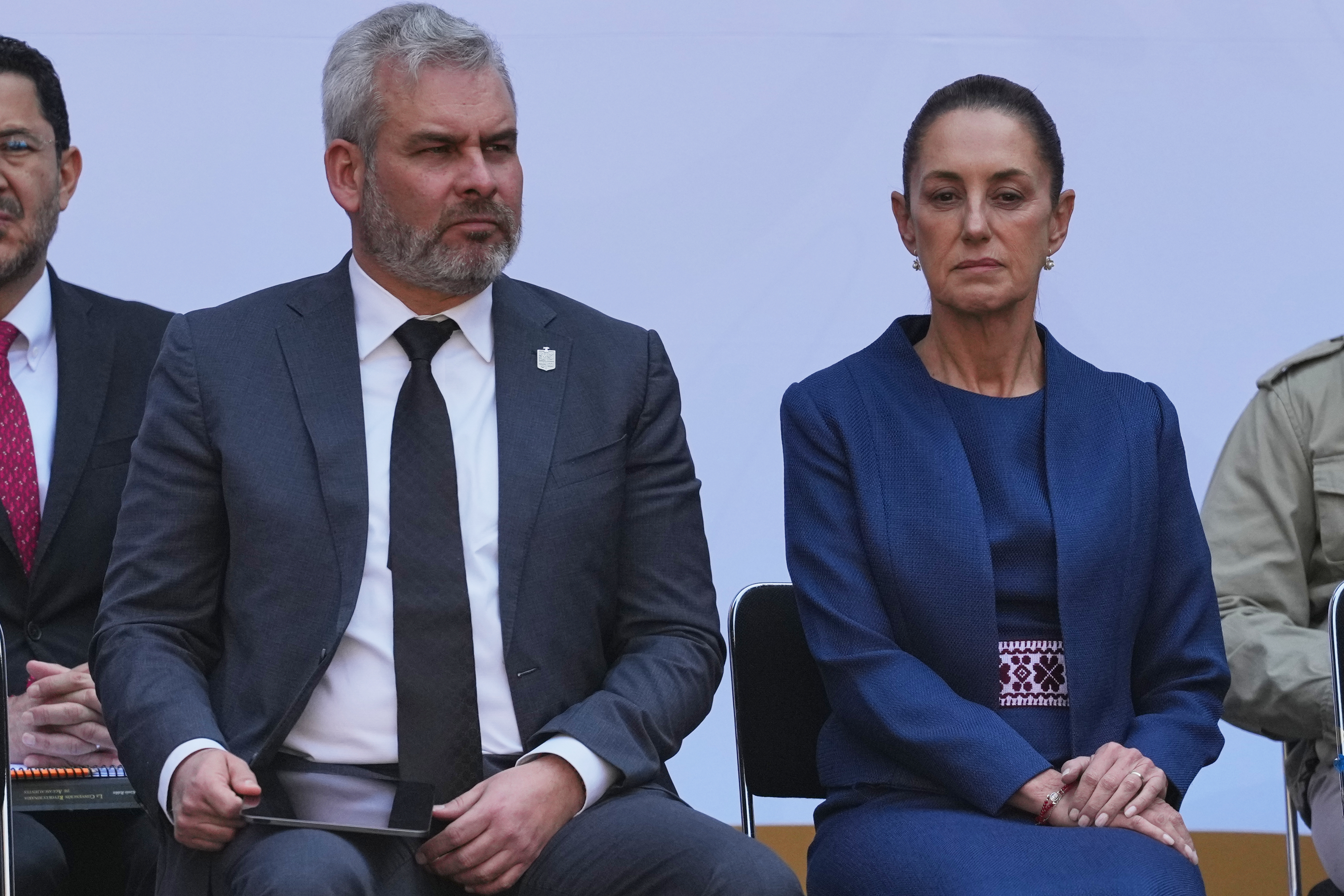
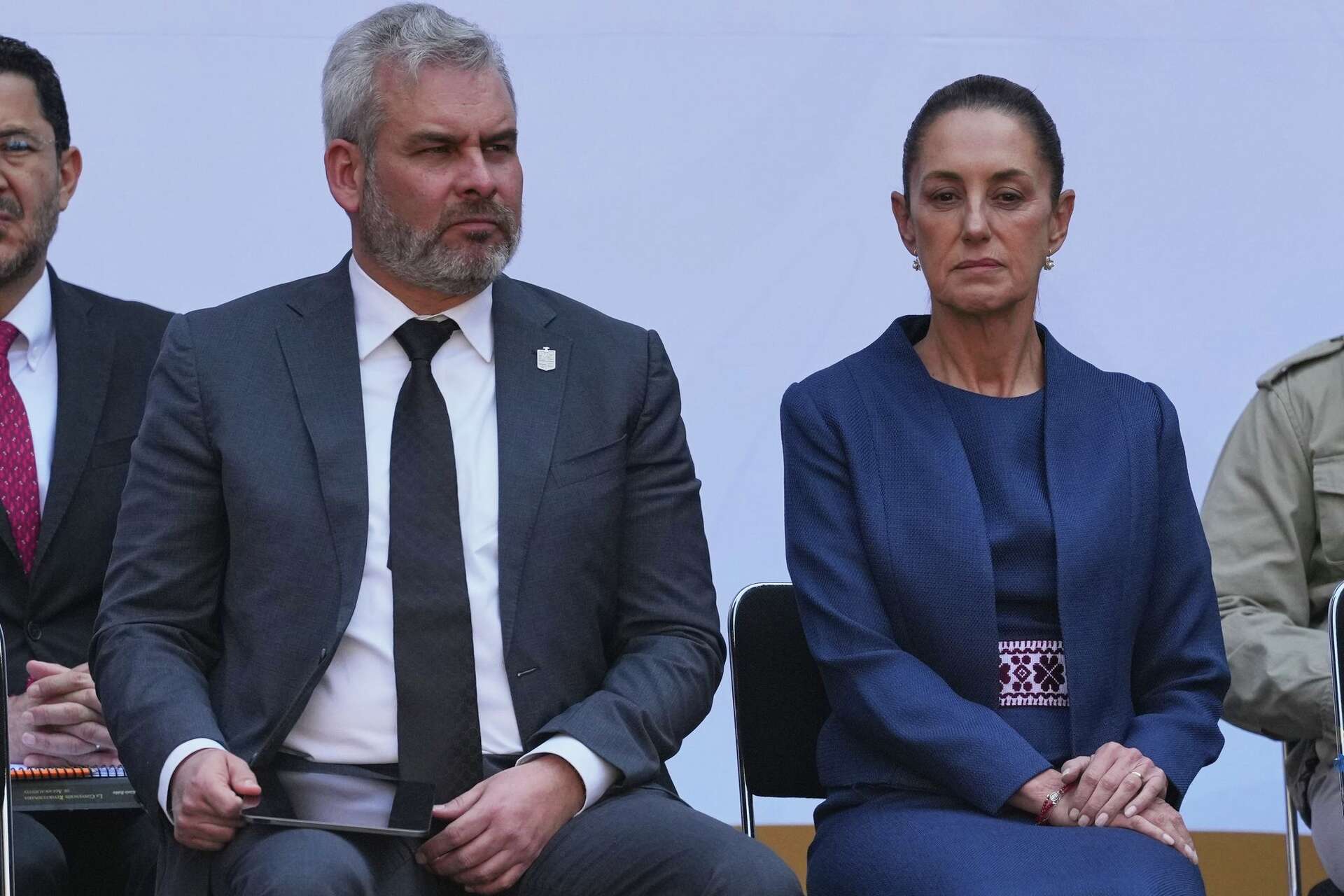
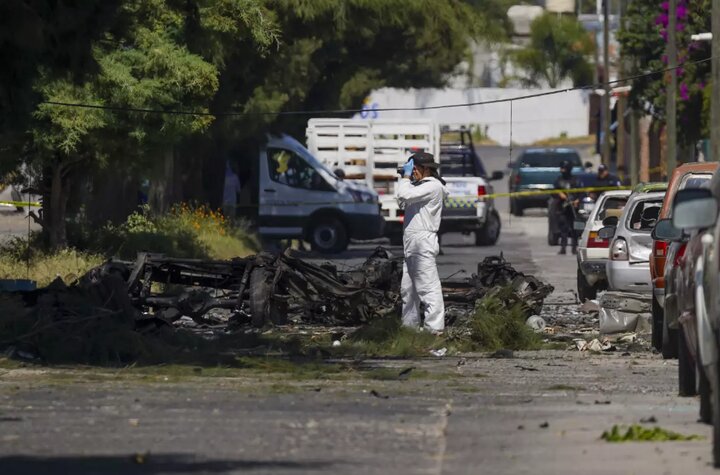
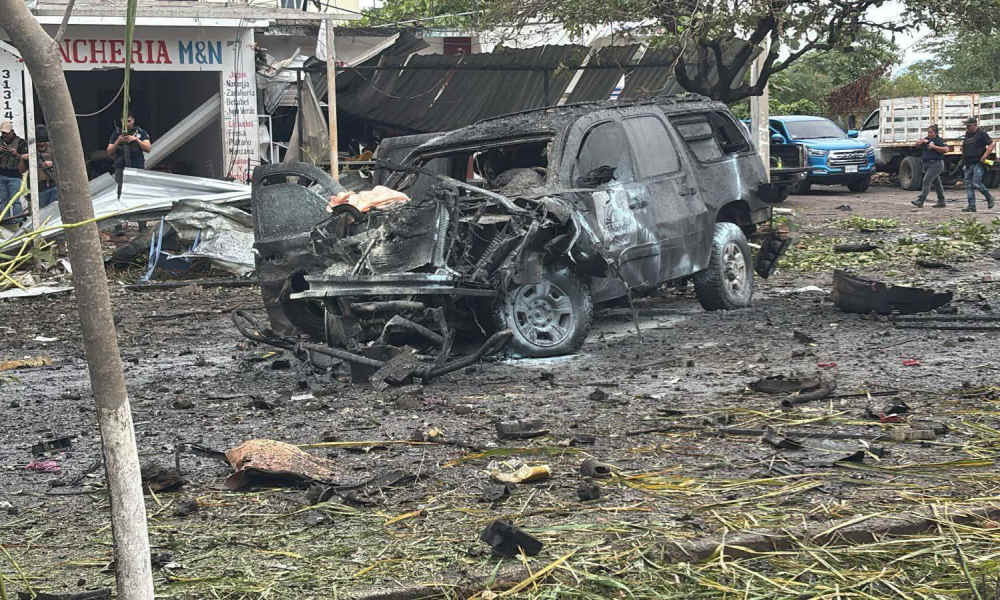
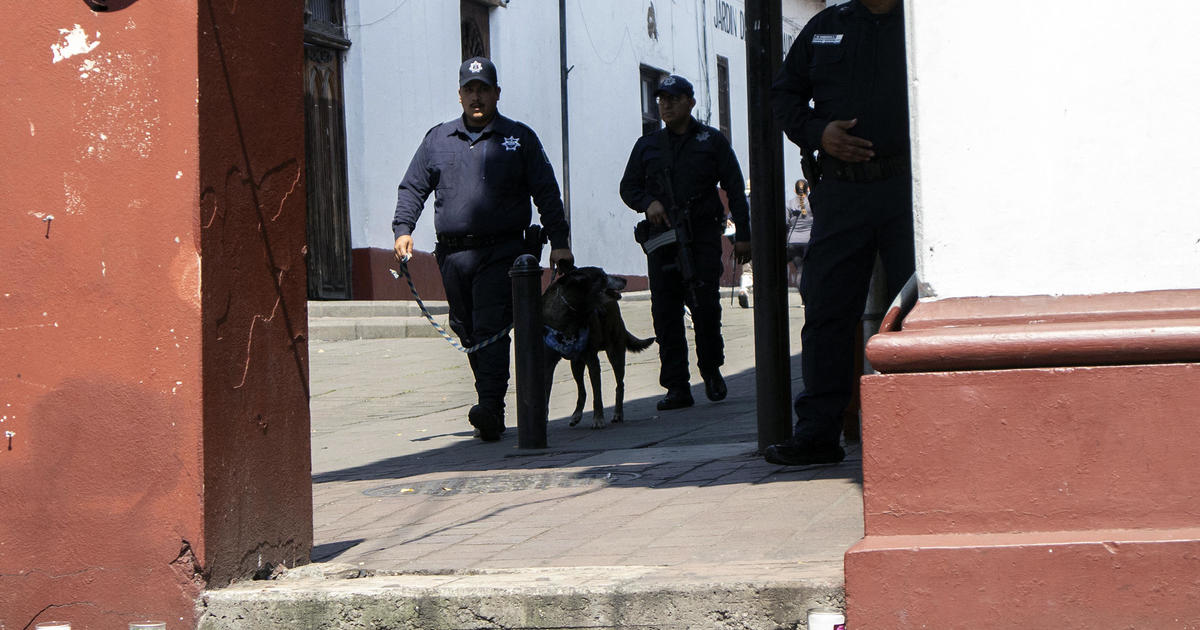
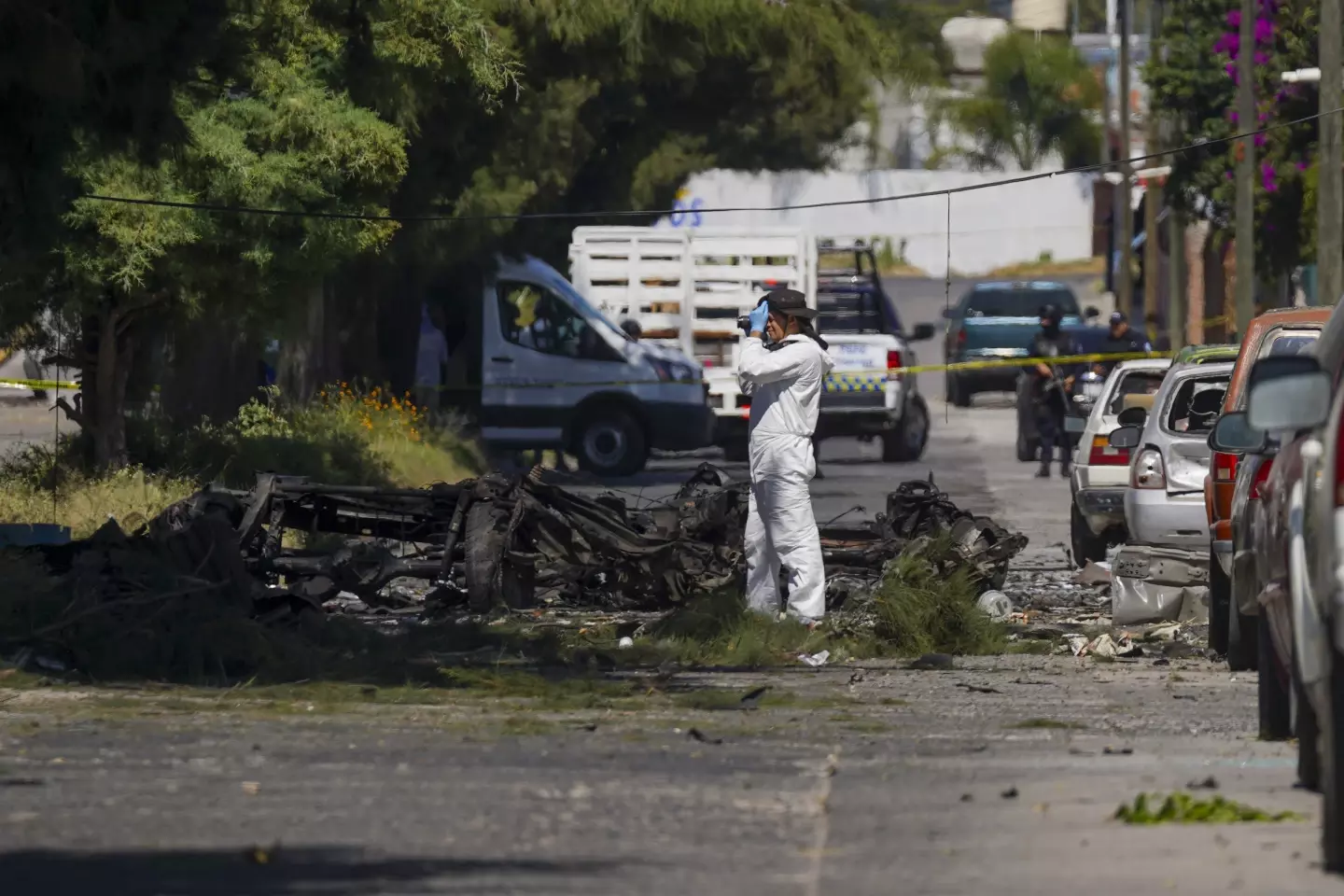
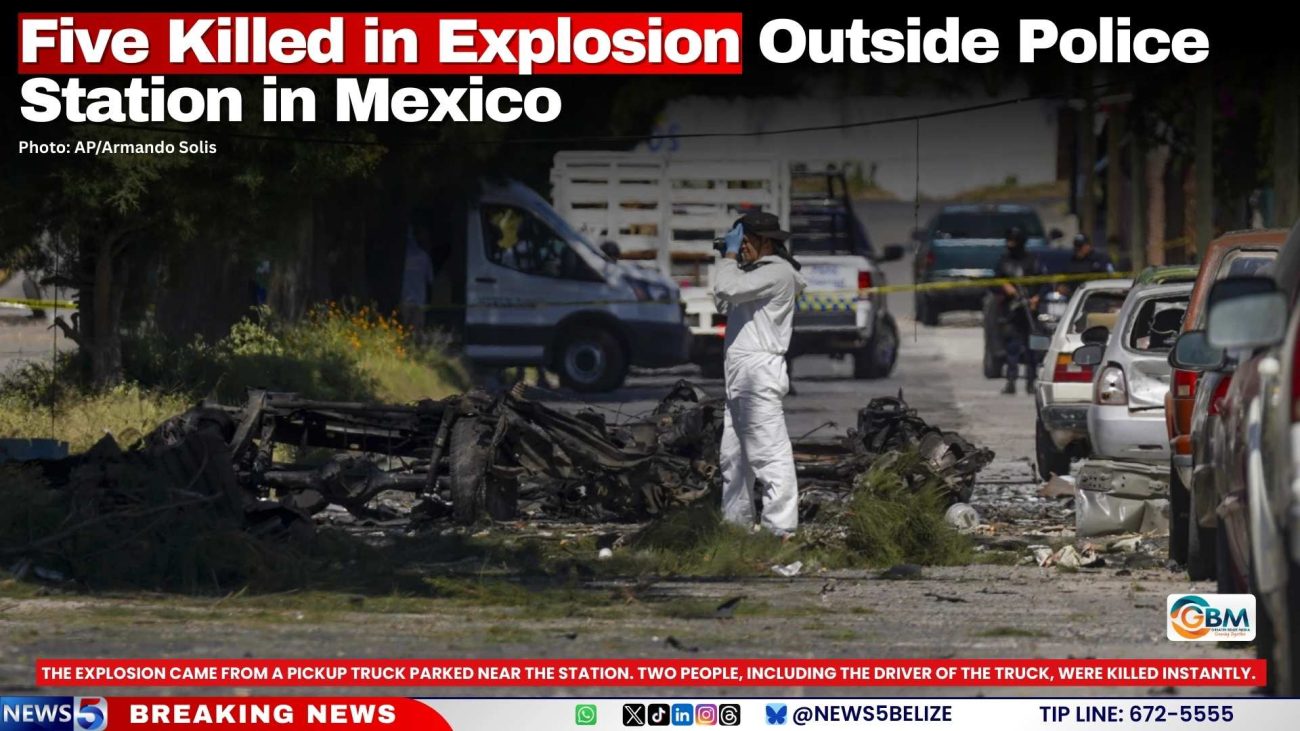
The convergence of regional violence in Mexico and natural disaster risks in Japan reveals a critical global pattern of systemic vulnerability that transcends traditional geopolitical boundaries. In Michoacán, Mexico, a devastating car bomb attack targeting a police station underscores the profound institutional fragility confronting state security apparatuses. The incident, which killed 5 people including 3 officers, represents more than an isolated act of violence—it signals a strategic escalation by drug cartels challenging governmental control.
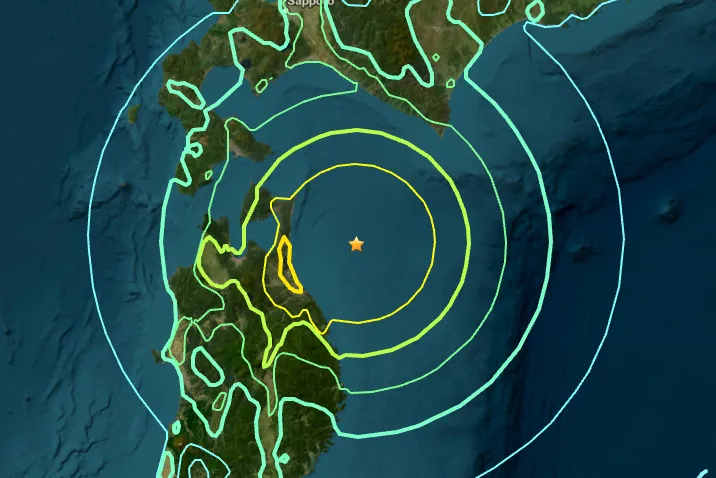
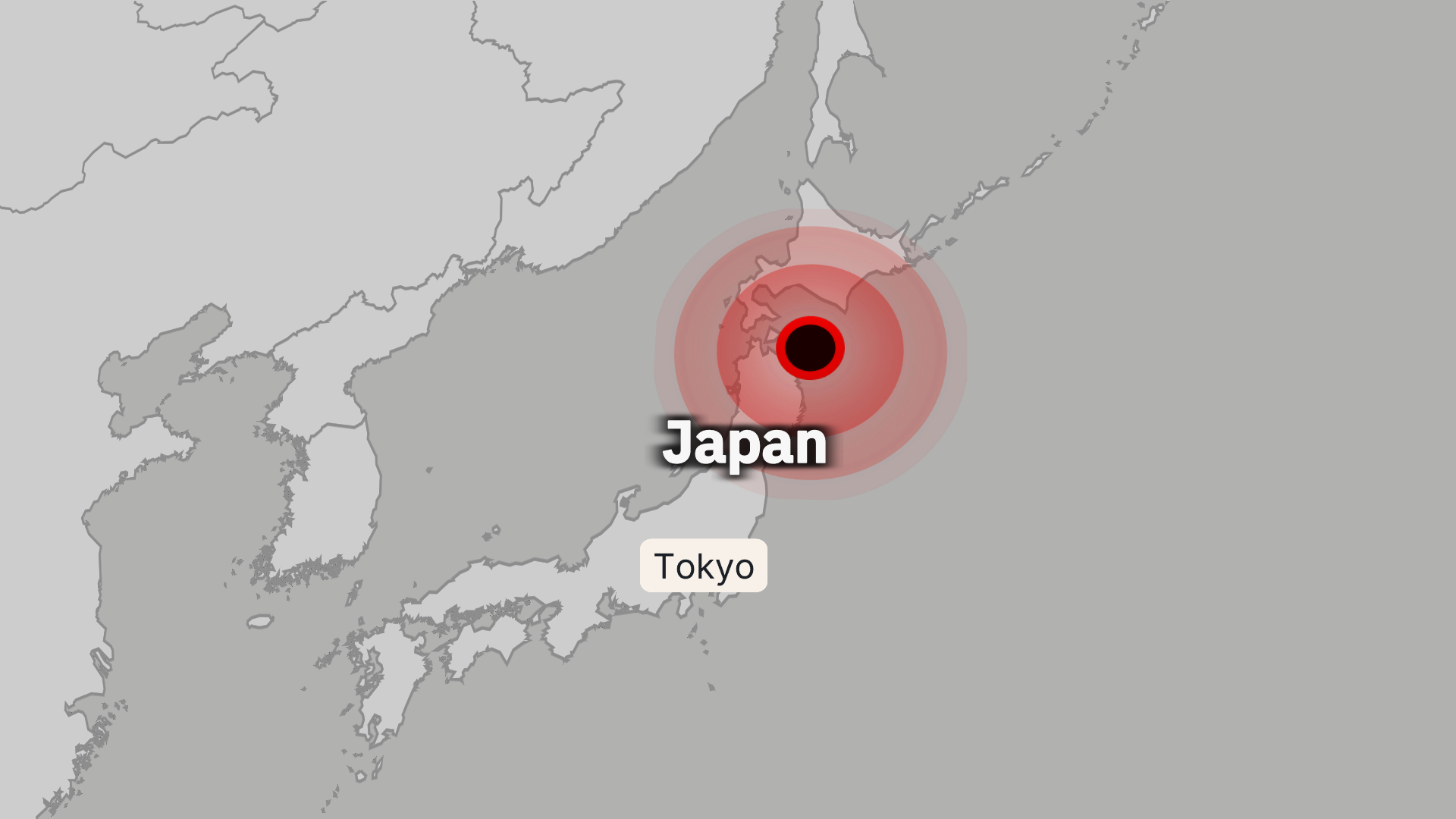
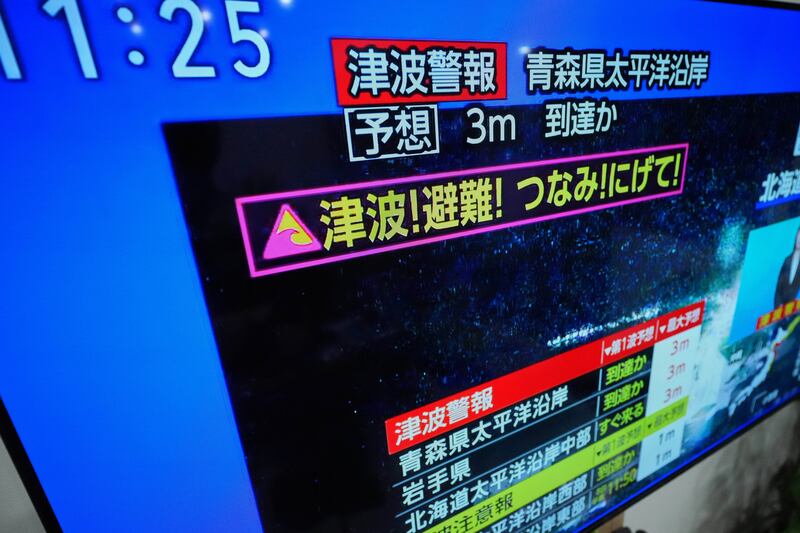
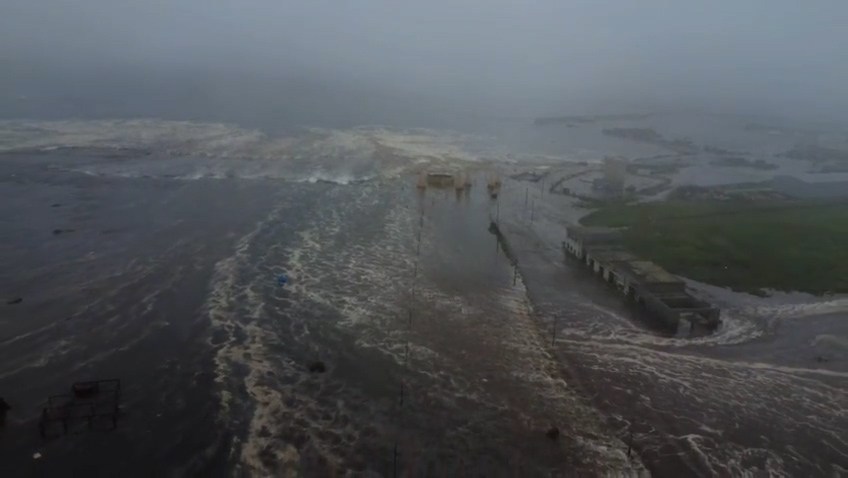
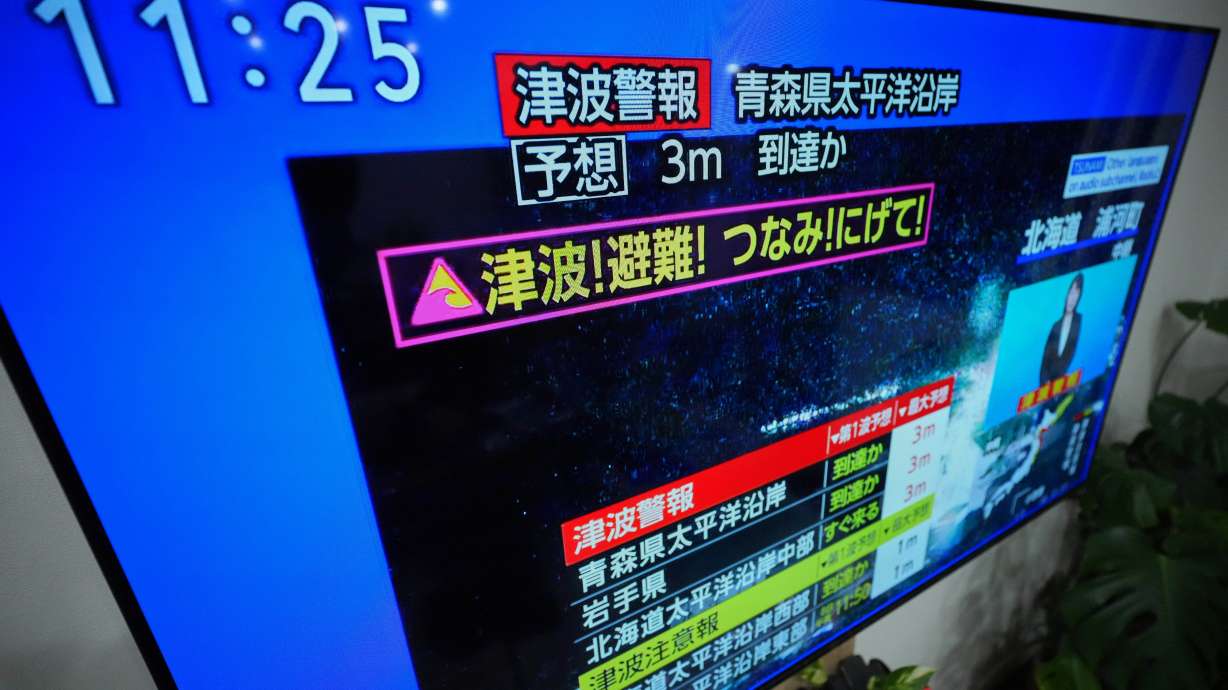
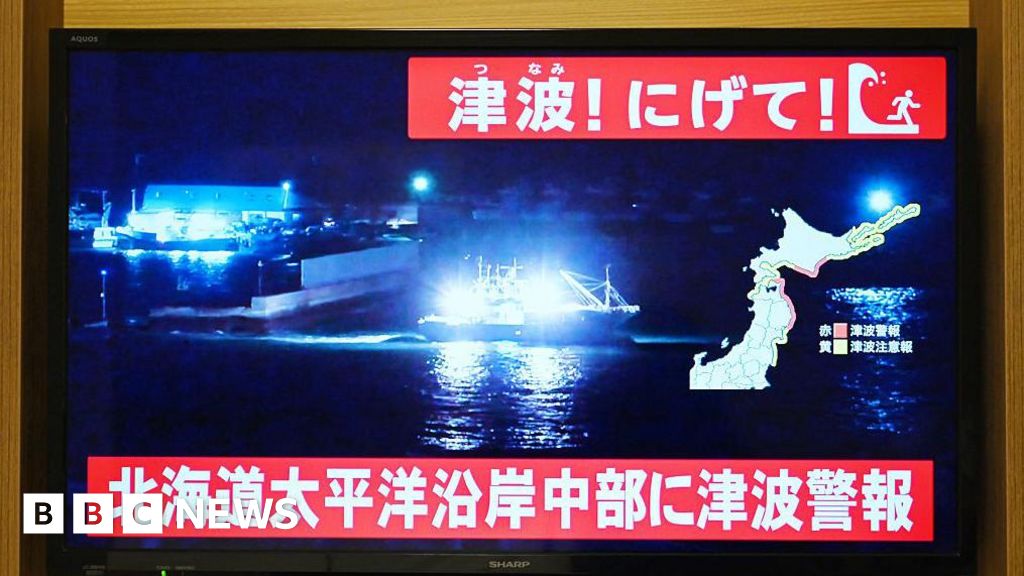
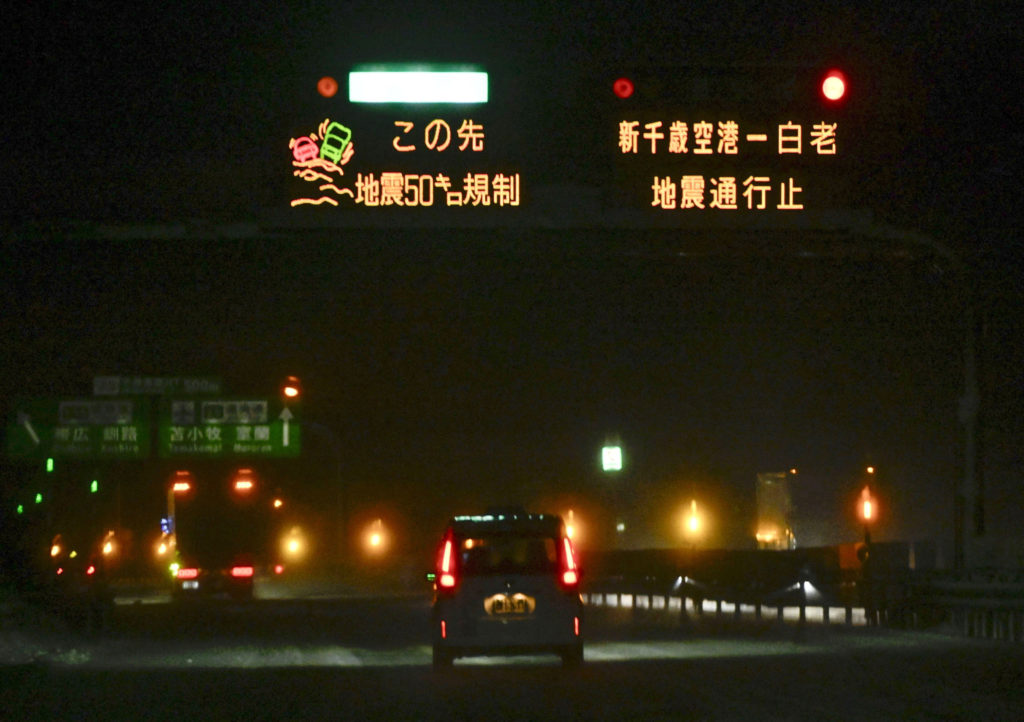
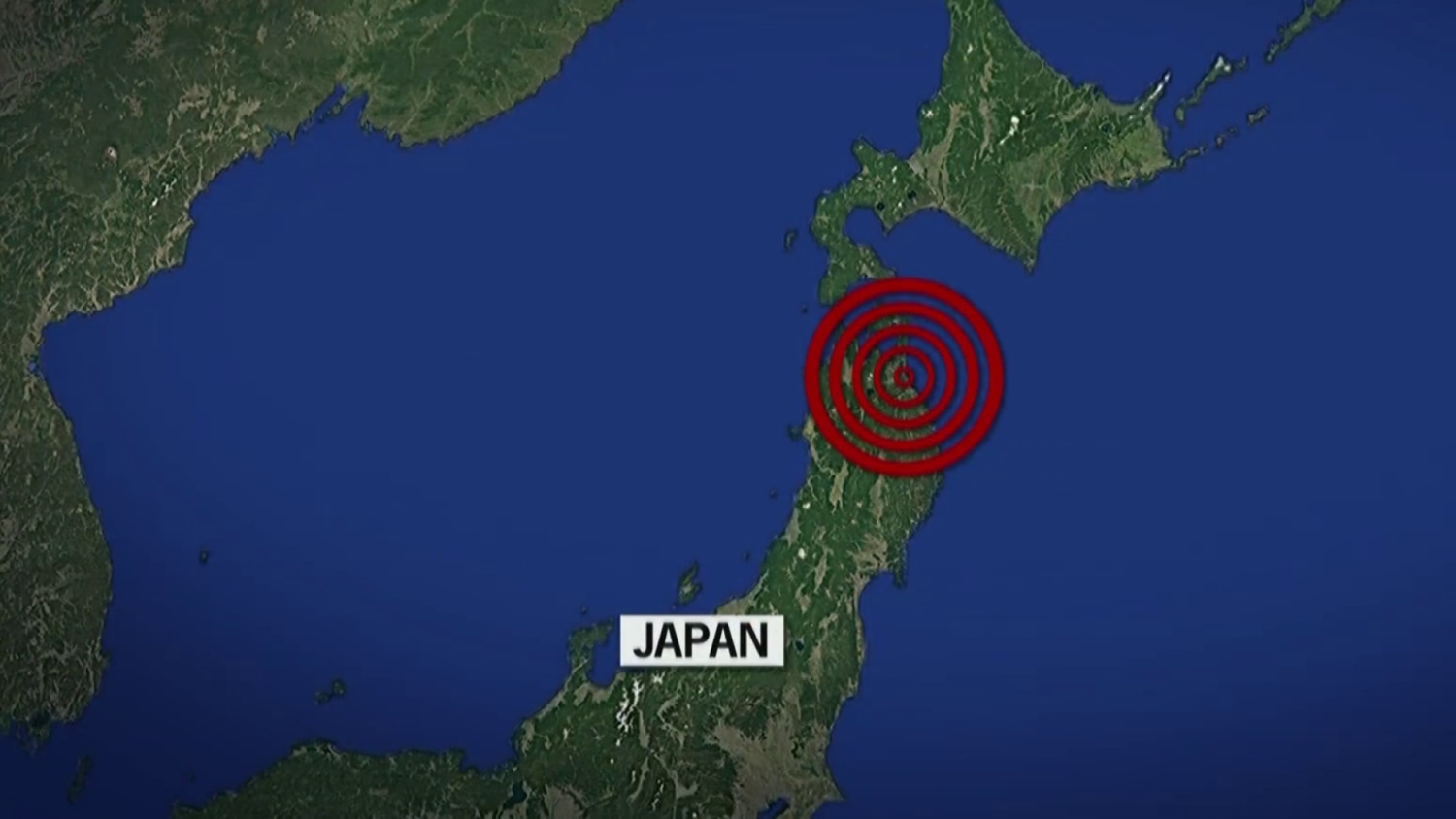
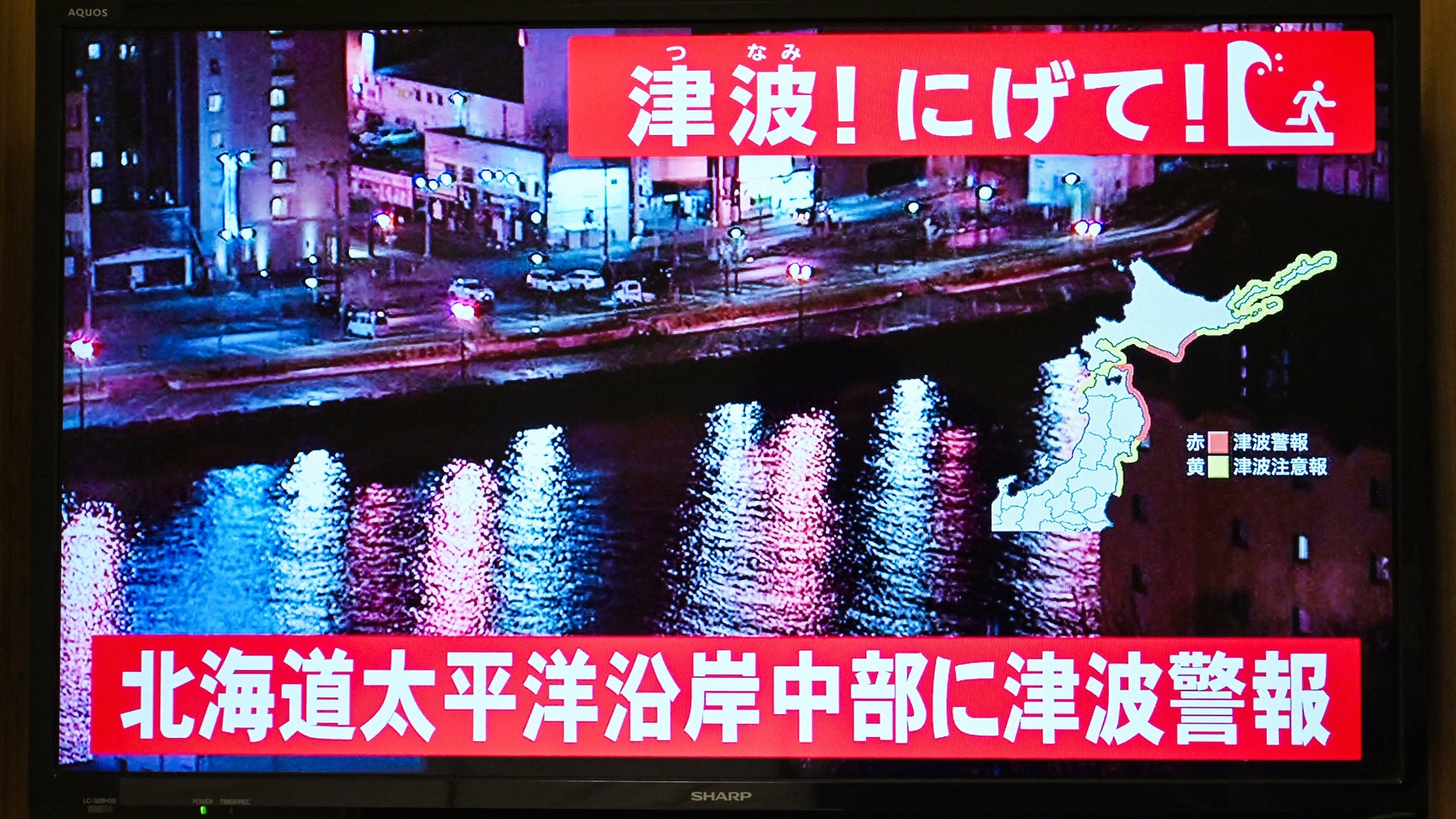
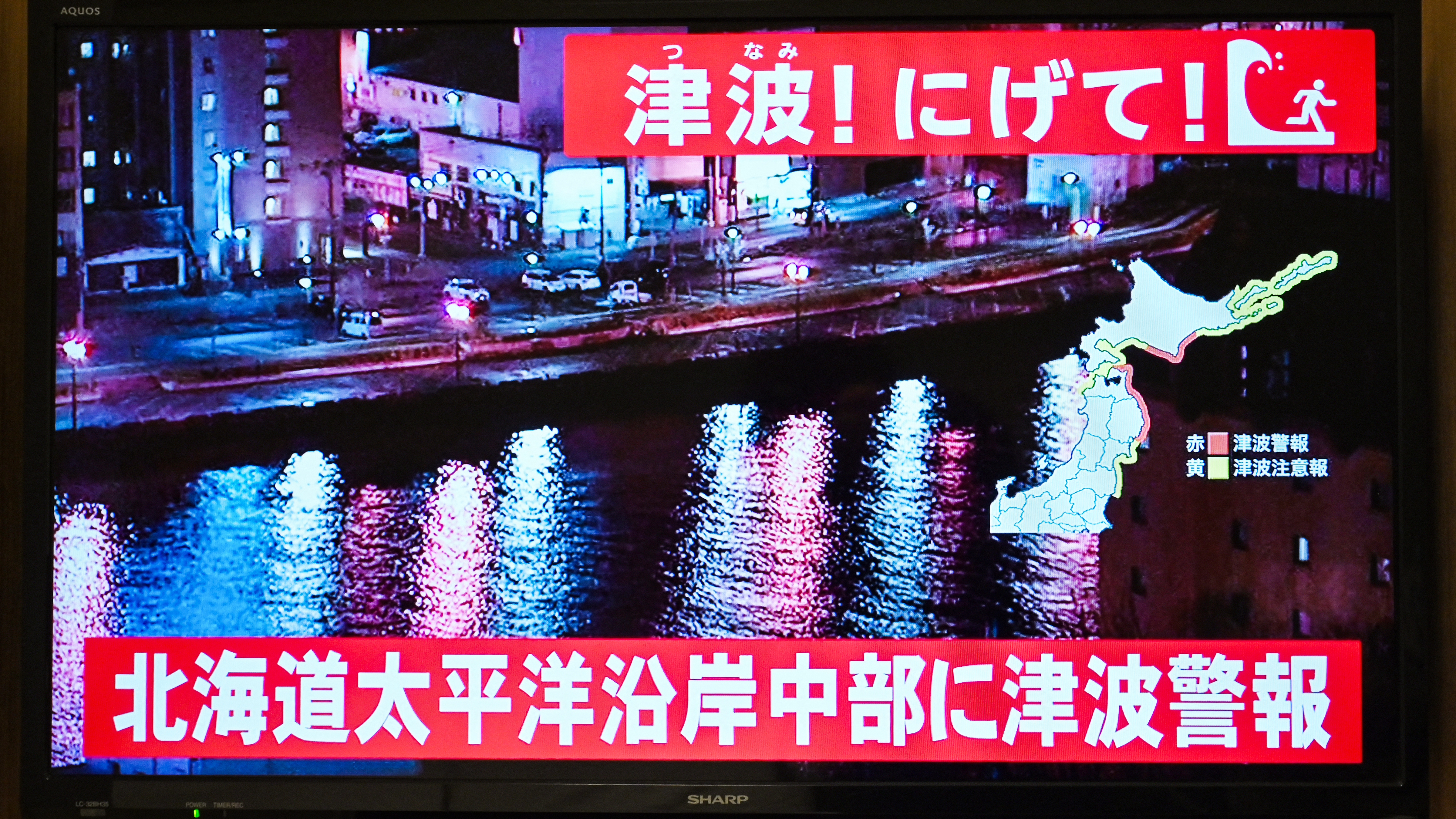
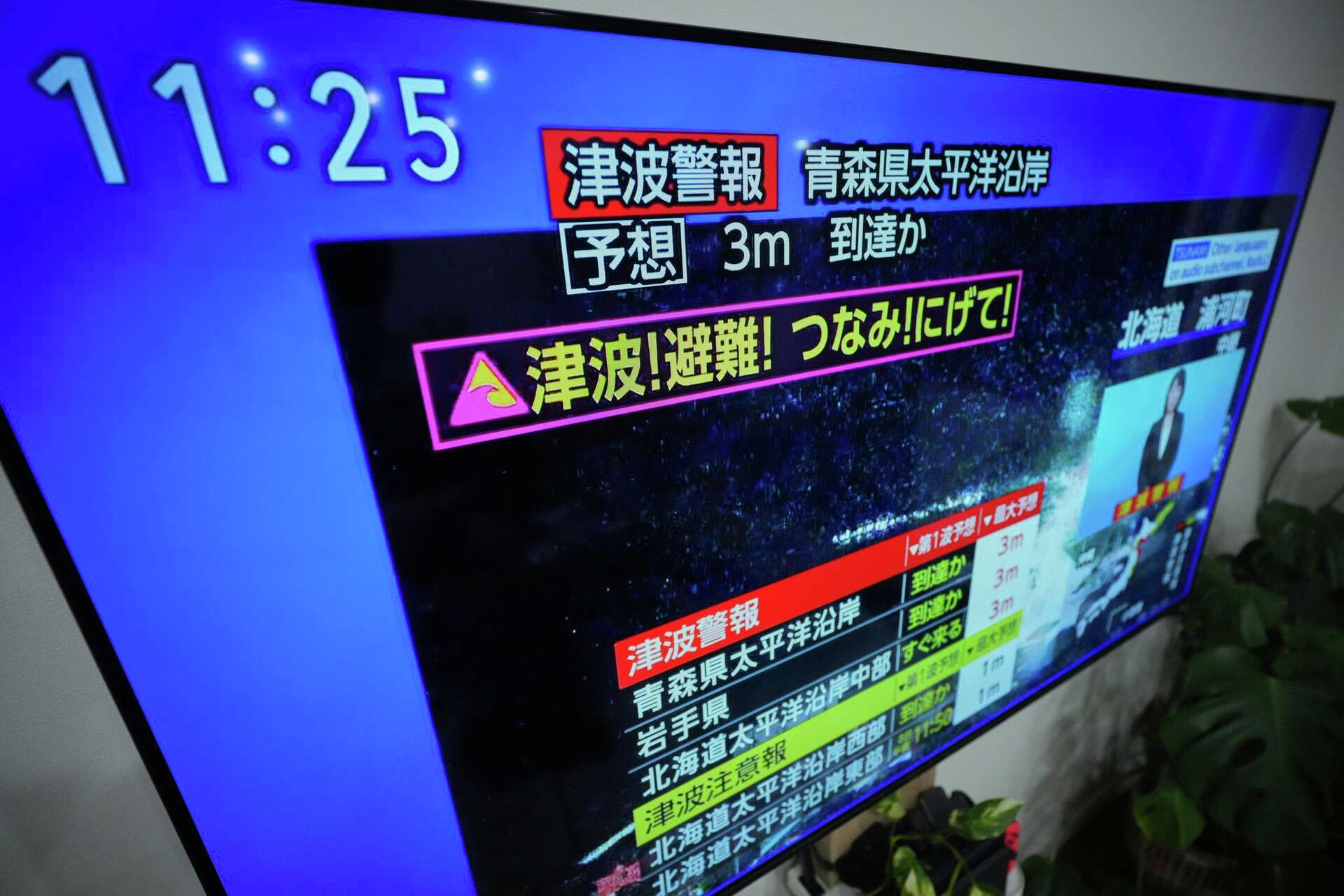
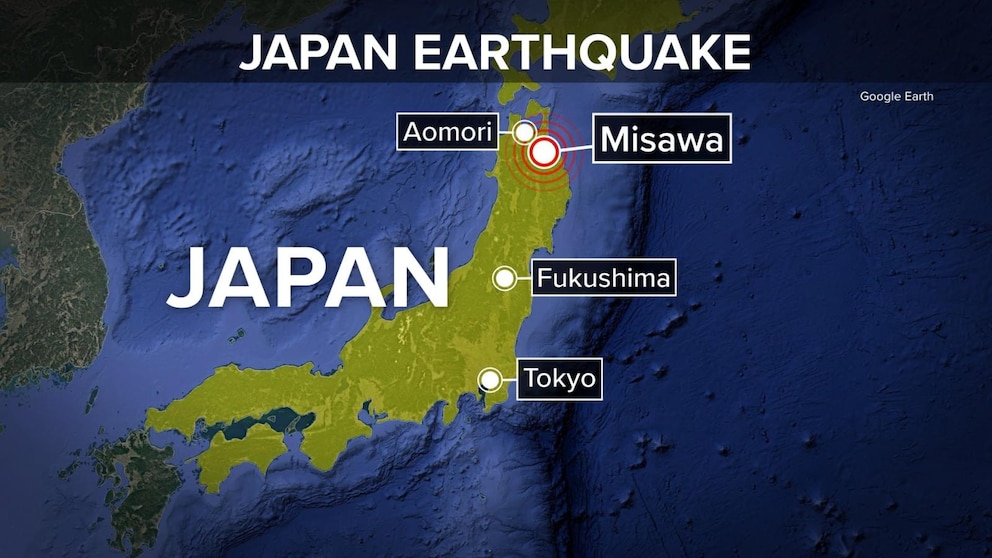
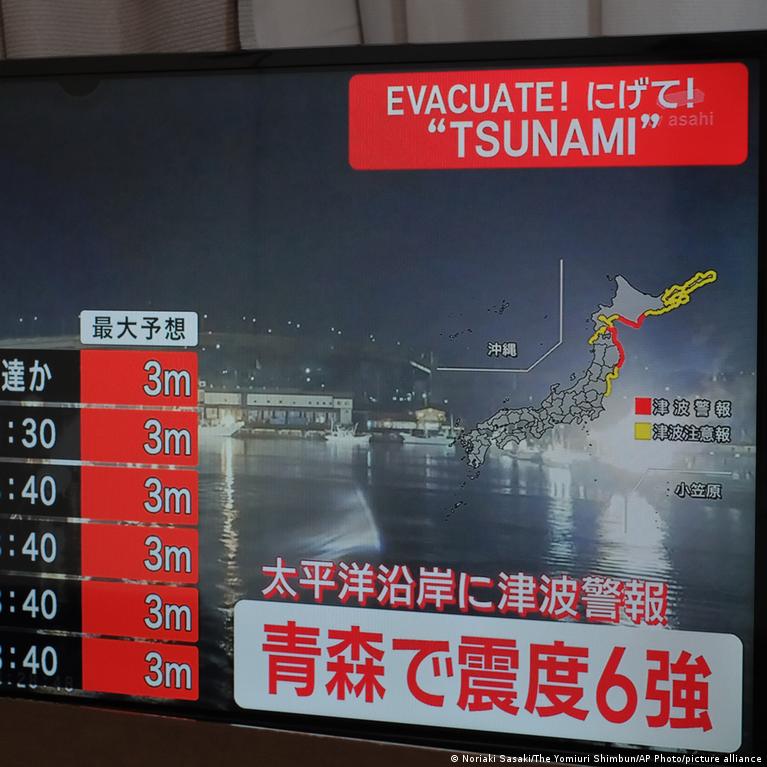
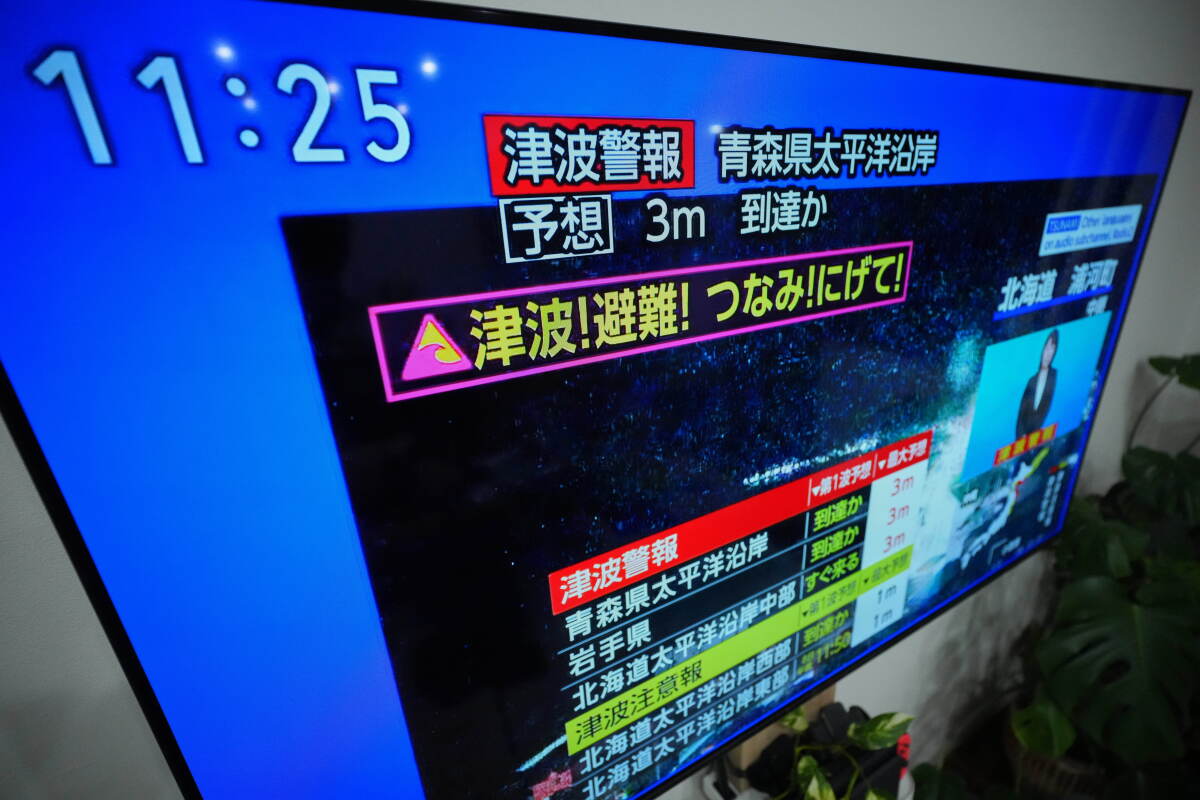
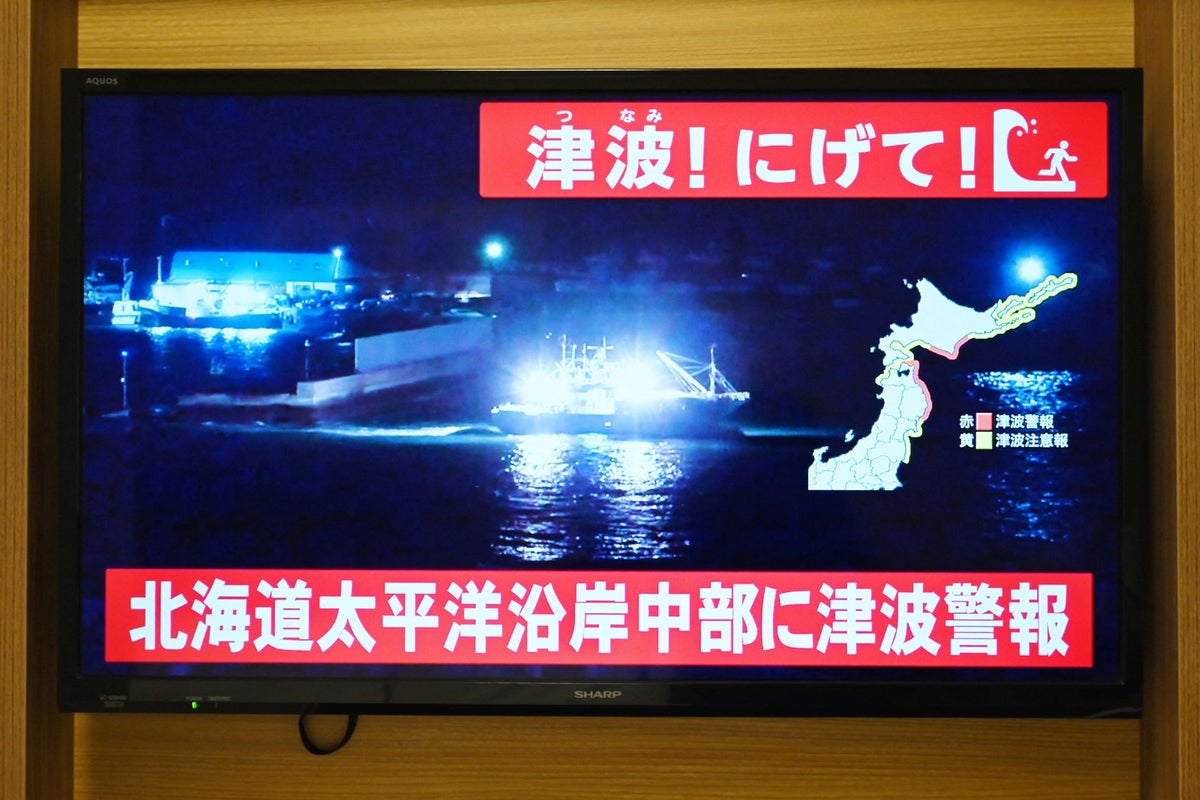
Simultaneously, Japan's recent magnitude 7.5 earthquake off the Aomori coast provides a stark reminder of nature's unpredictable destructive potential. With the Japan Meteorological Agency warning of a one-in-100 chance of an even larger seismic event within seven days, the region faces unprecedented uncertainty. The earthquake's context is particularly significant: it occurred in a critical tectonic zone where the Pacific plate subducts beneath the Honshu main island, an area historically prone to catastrophic events.
These seemingly disparate events share a fundamental characteristic: they expose the fragility of institutional resilience. In Mexico, the car bomb attack reveals how organized crime can systematically undermine state security infrastructure. In Japan, the earthquake demonstrates how natural systems can instantaneously disrupt complex societal networks. Both scenarios demand sophisticated, adaptive response mechanisms that go beyond traditional reactive strategies.
The strategic implications are profound. For Mexico, this suggests an urgent need to reimagine counterinsurgency approaches against drug cartels. The deployment of 2,000 additional troops following recent assassinations indicates a militarized response, but long-term solutions will require deeper institutional reforms. For Japan, the earthquake underscores the critical importance of comprehensive disaster preparedness, particularly in regions with complex geological dynamics.
Critically, these events are not isolated—they represent emerging global patterns of systemic risk. Governments and organizations must develop more nuanced, proactive frameworks for understanding and mitigating complex, multidimensional threats that can emerge rapidly and unpredictably.
Questions 3
What makes the Michoacán car bomb attack strategically significant?
The attack represents a direct challenge to state authority, occurring while government officials were present. It demonstrates the cartels' capability to strike at the heart of institutional security, suggesting a sophisticated and deliberate strategy of intimidation beyond typical criminal violence.
What are the key implications for government and organizational preparedness?
Organizations must develop more nuanced risk management frameworks that can handle unpredictable, multifaceted threats. This involves integrating advanced early warning systems, developing flexible response protocols, and creating resilient infrastructure that can adapt to sudden, high-impact disruptions.