


Iran-US Geopolitical Tensions Drive Shipping Route Disruptions | Cross-Border Seller Logistics Impact
- Rising oil prices and maritime route volatility increase fulfillment costs 8-15% for sellers shipping via Middle East corridors; Sri Lanka port operations signal supply chain diversification opportunities




Overview
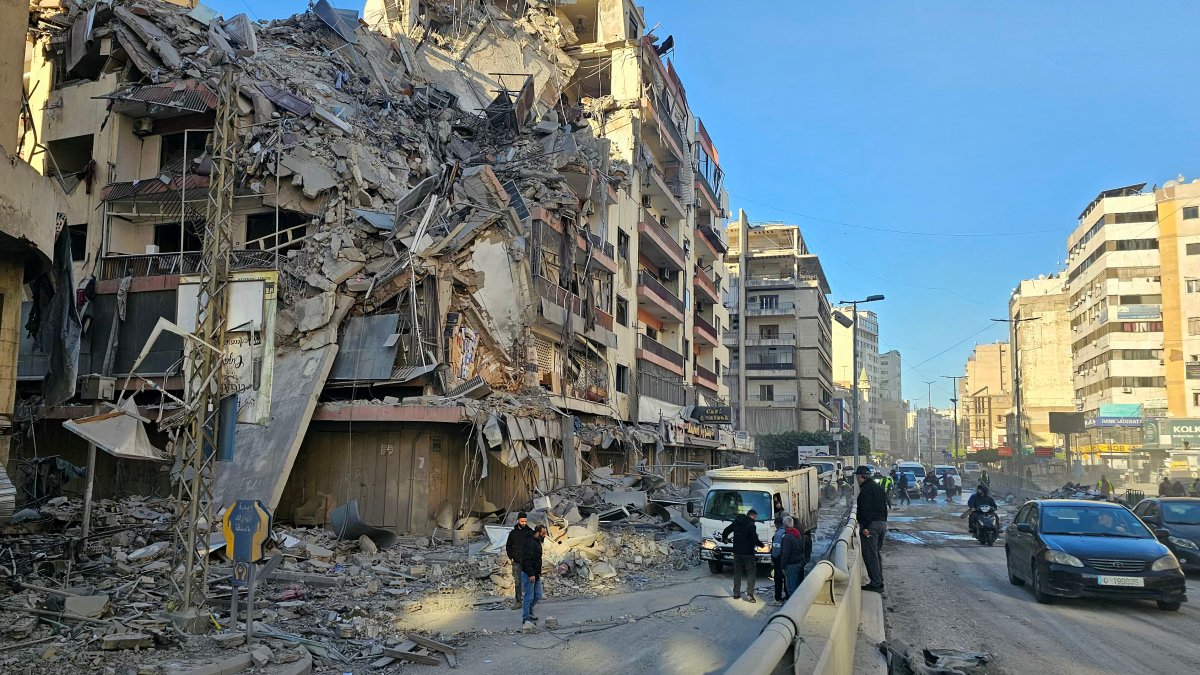
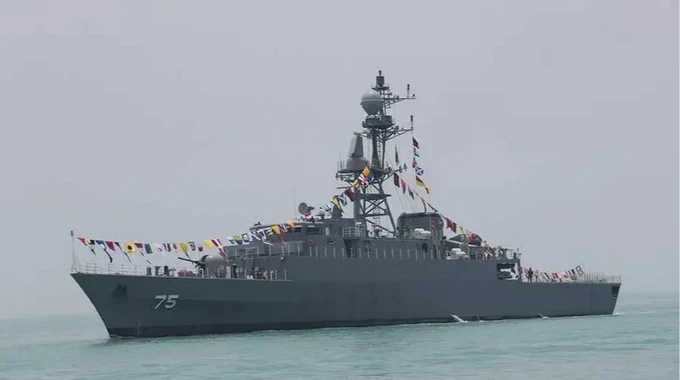
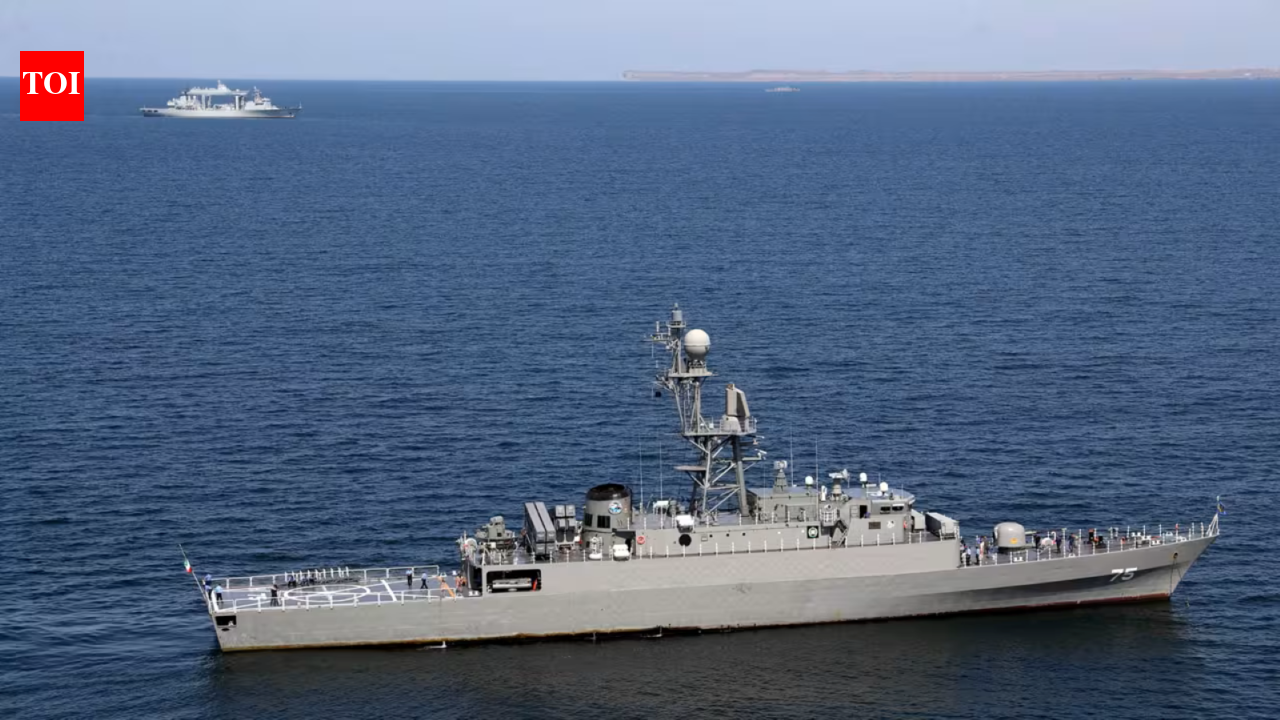
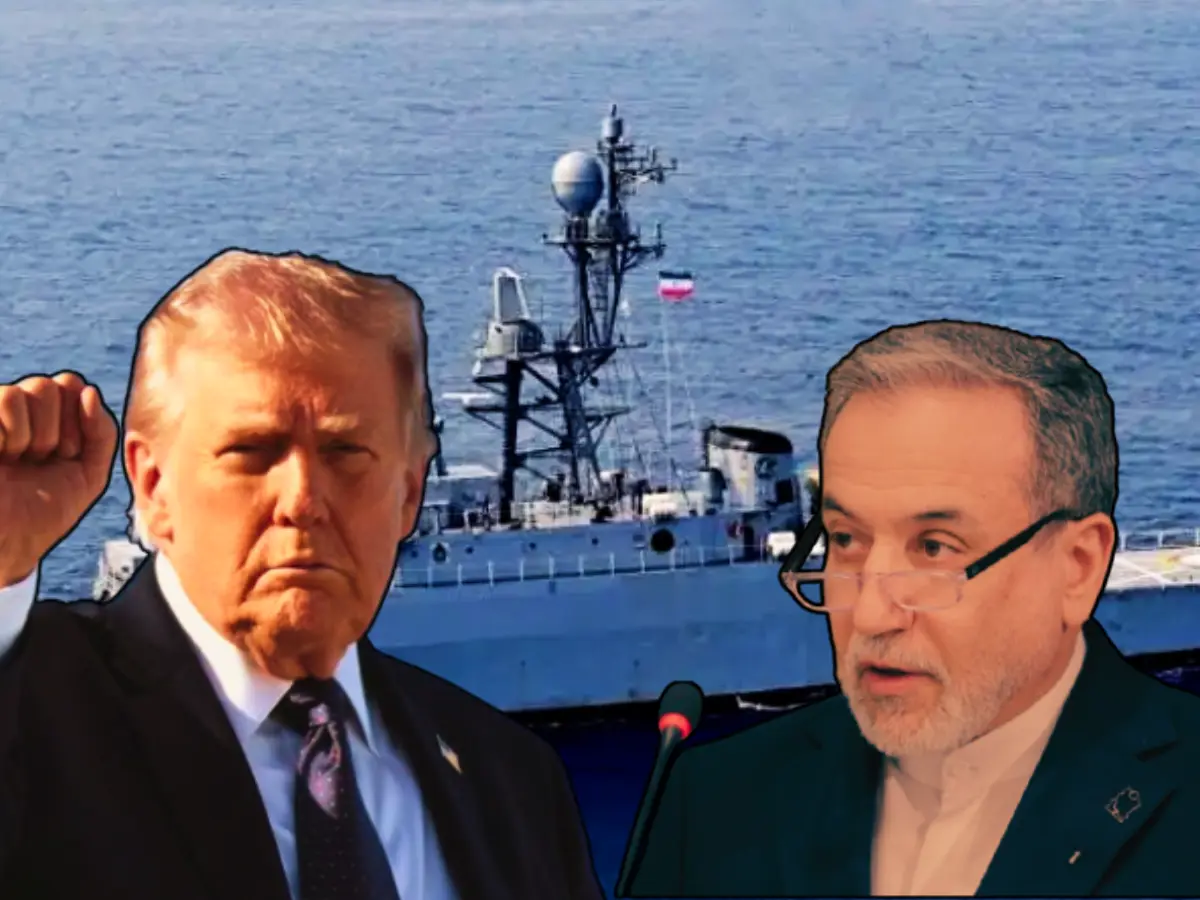
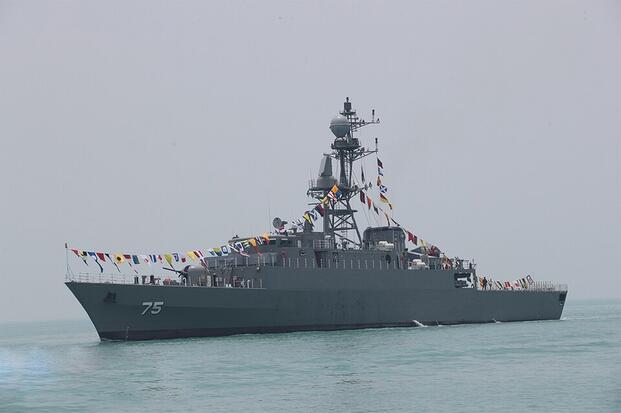
The escalating Iran-US geopolitical tensions, highlighted by Iranian vessels seeking safe harbor in Sri Lanka, represent a critical supply chain inflection point for cross-border e-commerce sellers. While the news focuses on diplomatic and military dimensions, the underlying logistics disruption carries substantial operational implications: rising oil prices from regional conflict typically increase shipping costs 8-15% within 4-6 weeks, directly compressing margins for sellers relying on traditional Middle East shipping corridors.
Immediate Logistics Impact: Sri Lanka's port operations are becoming a critical waypoint for vessels rerouting around conflict zones. For sellers using 3PL providers or freight forwarders, this creates both risks and opportunities. Shipping delays through traditional Suez Canal routes can extend delivery times by 10-14 days, forcing sellers to either absorb higher air freight costs ($4-8 per kg premium) or accept longer customer delivery windows. Amazon FBA sellers shipping inventory to India, Southeast Asia, or Middle East fulfillment centers face 15-25% cost increases on ocean freight during peak tension periods.
Tariff and Market Access Shifts: Geopolitical tensions historically trigger tariff volatility. US-Iran sanctions regimes affect electronics, machinery, and chemical imports—categories representing $2.1B in annual cross-border trade. Sellers sourcing from Iran-adjacent regions (UAE, Iraq, Kuwait) face increased compliance scrutiny and potential customs delays. Conversely, this creates arbitrage opportunities: sellers can shift sourcing to India, Vietnam, or Indonesia (avoiding Iran-linked supply chains) and capture 3-7% margin improvements through tariff optimization.
Strategic Sourcing Reallocation: The news signals accelerating supply chain diversification away from Middle East-dependent routes. Sellers currently sourcing from China or India and shipping via Middle East corridors should evaluate direct-to-market strategies through Southeast Asian ports (Singapore, Port Klang) or South Asian hubs (Colombo, Jebel Ali alternatives). This reallocation typically requires 60-90 days to implement but yields 5-8% logistics cost savings long-term.
Consumer Behavior Angle: Regional conflict and oil price spikes historically drive consumer demand for cost-conscious products—budget electronics, home goods, and essentials see 12-18% sales lift during uncertainty periods. Sellers should increase inventory in these categories while reducing exposure to luxury/discretionary items that see 20-30% demand compression during geopolitical volatility.
Questions 8
What tariff risks should I monitor given Iran-US tensions?
US-Iran sanctions regimes create tariff volatility for electronics, machinery, and chemicals. If your supply chain touches Iran-linked suppliers or uses Iran-adjacent shipping routes, you face increased customs scrutiny and potential delays of 15-30 days. Review your supplier list and shipping documentation within 14 days to identify Iran-linked exposure. Consider obtaining tariff classification certifications (HS codes) for your products to accelerate customs clearance and reduce compliance costs by $500-1,500 per shipment.
How should I adjust pricing strategy during shipping cost volatility?
When shipping costs increase 8-15%, most sellers absorb 40-50% of the increase and pass 50-60% to customers through price adjustments. For products with 30-40% margins, a $200-400 per-container increase requires 2-4% price increases to maintain profitability. Use dynamic pricing tools to adjust prices based on real-time freight indices, and communicate transparently with customers about shipping delays. Historical data shows customers accept 2-3% price increases during geopolitical events but resist larger jumps.