



Geopolitical Energy Crisis Reshapes E-Commerce Logistics Costs | Seller Margin Compression Alert
- Gasoline prices surge 20+ cents to $3.20/gallon; shipping costs rise 8-15% for FBA sellers; Strait of Hormuz disruption threatens 20% of global maritime trade








Overview
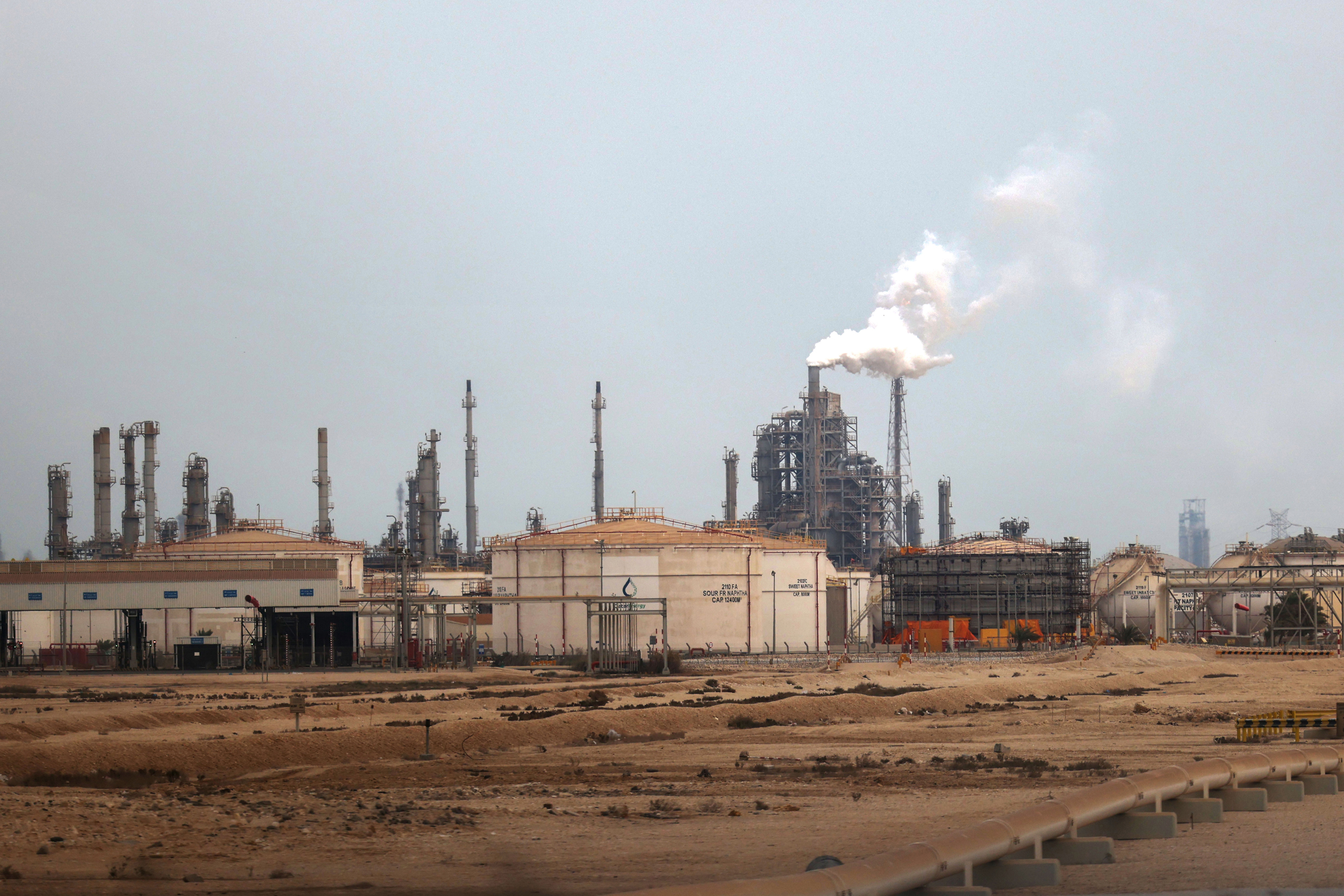
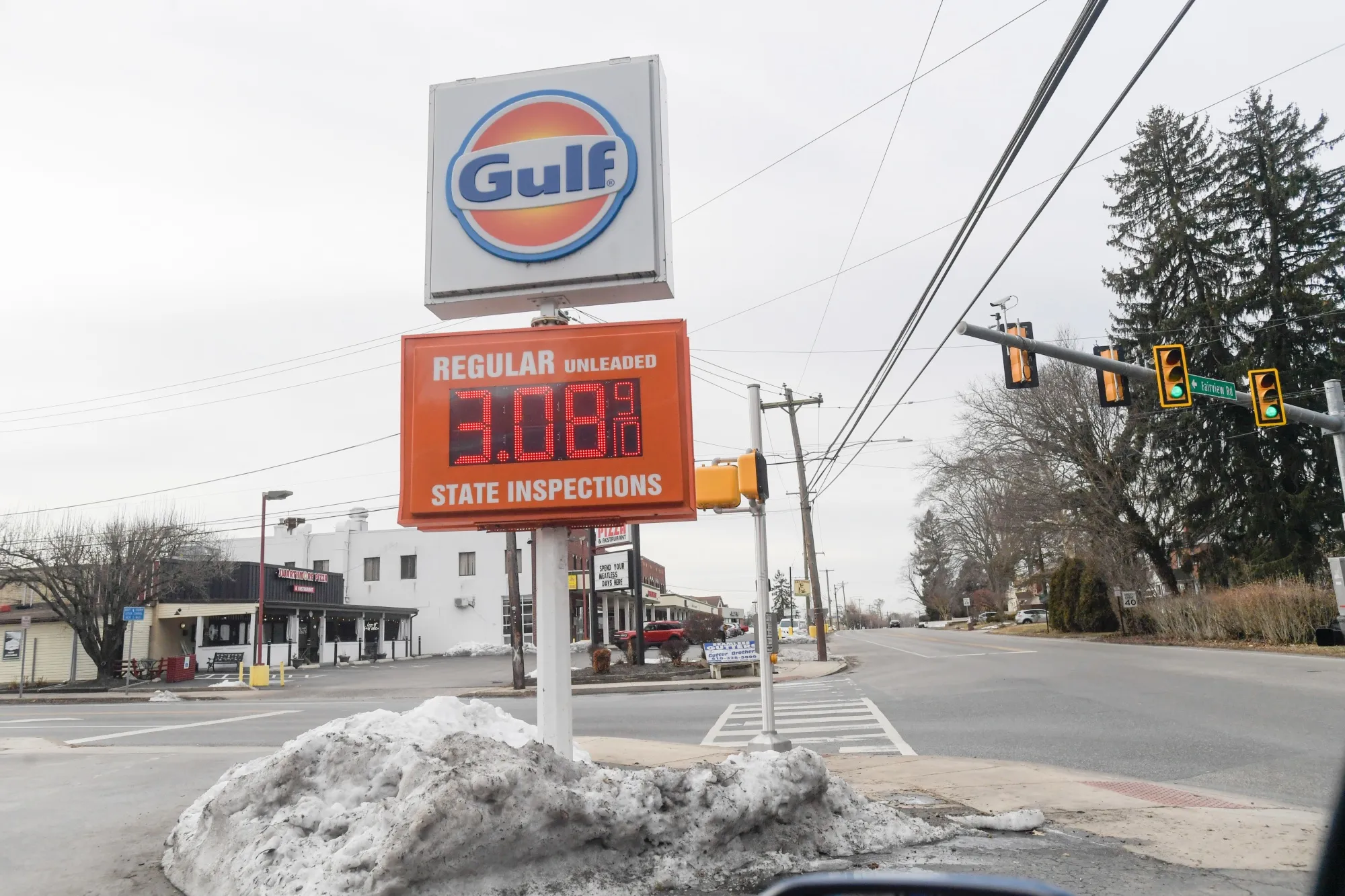
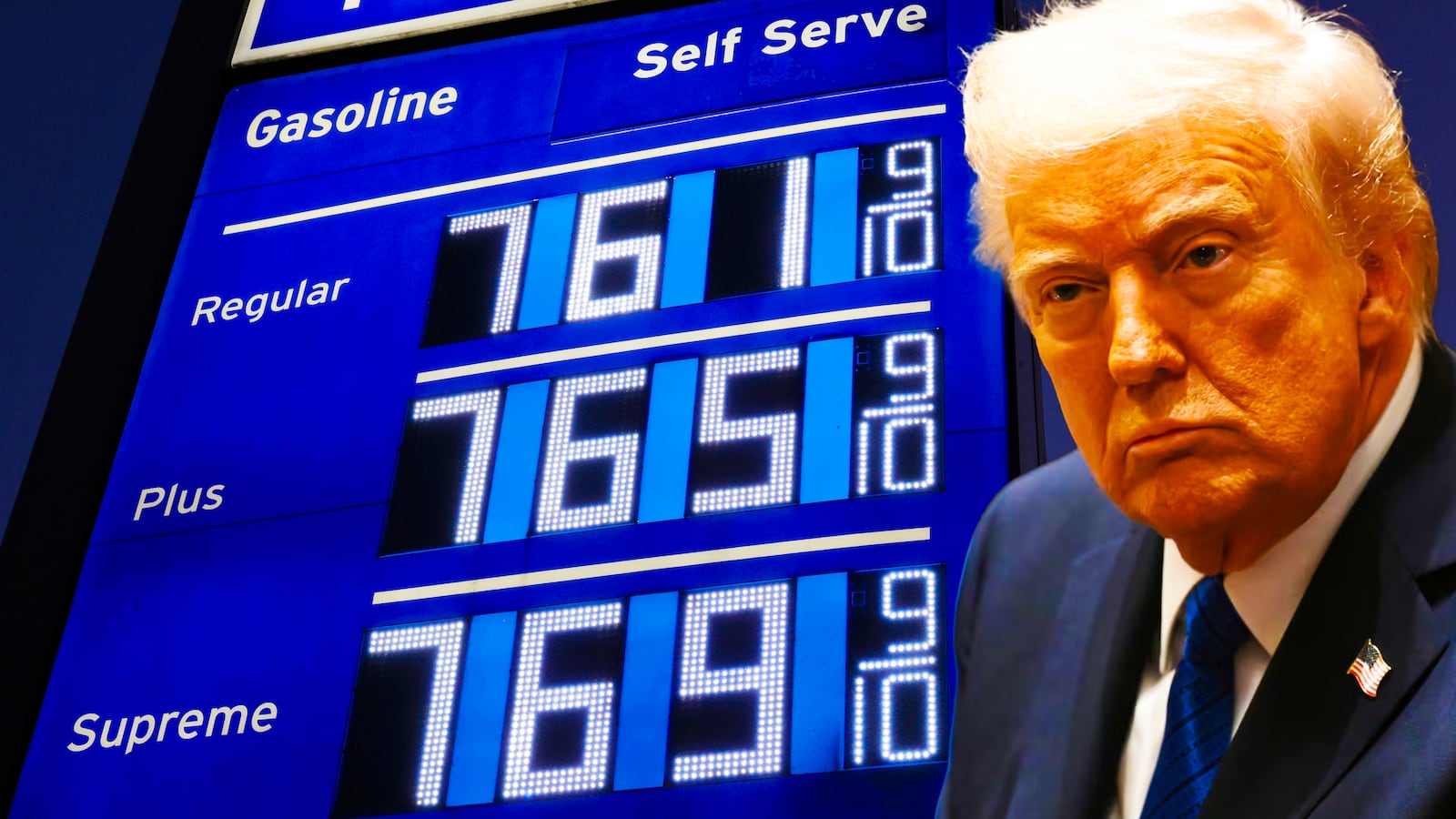
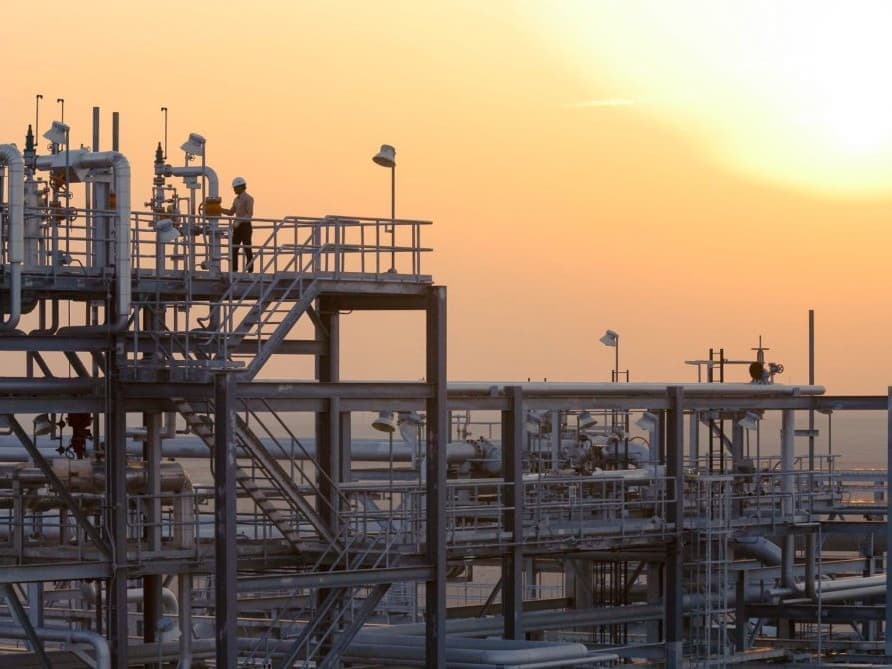
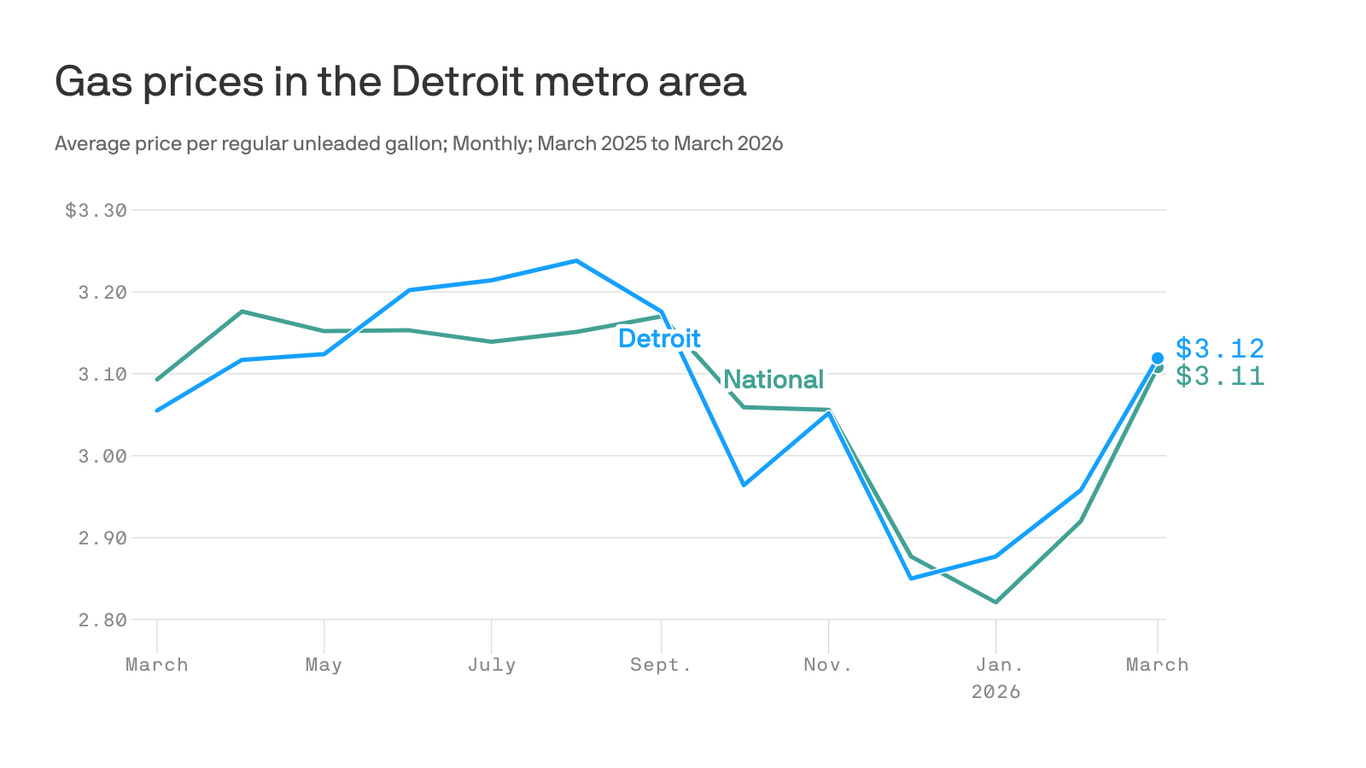
The escalating US-Israel military conflict with Iran (beginning February 28, 2026) has triggered a critical energy crisis directly impacting e-commerce seller profitability. Gasoline prices have jumped 20 cents per gallon to nearly $3.20 nationally—the highest since President Trump took office in 2025—with analyst projections reaching $3.25-$3.50 in coming weeks. This represents an 11-cent overnight spike, the largest single-day jump since March 2022. The underlying cause: crude oil prices surged more than $10 per barrel following US military strikes on Iranian energy infrastructure and subsequent Iranian targeting of Persian Gulf facilities.
For e-commerce sellers, this translates to immediate margin compression across fulfillment operations. Amazon FBA sellers face elevated logistics costs through increased fuel surcharges on inbound shipments and last-mile delivery. Sellers relying on regional 3PL networks experience 8-15% cost increases on transportation, particularly those with high inventory velocity or multi-warehouse distribution strategies. Small-to-medium sellers (SMBs) with thin margins (5-12%) face the greatest pressure, as fuel costs represent 15-25% of total fulfillment expenses. Large sellers with negotiated carrier contracts may absorb costs more effectively, creating competitive advantage shifts favoring enterprise-scale operations.
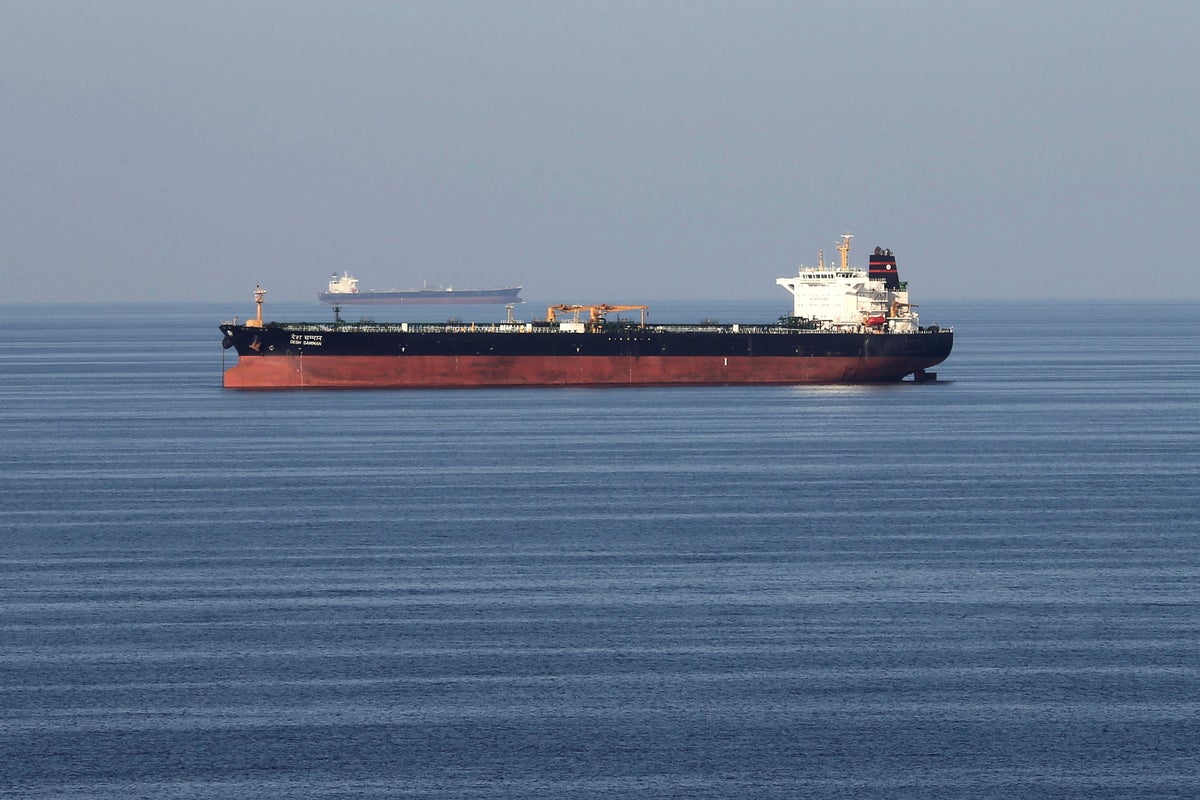
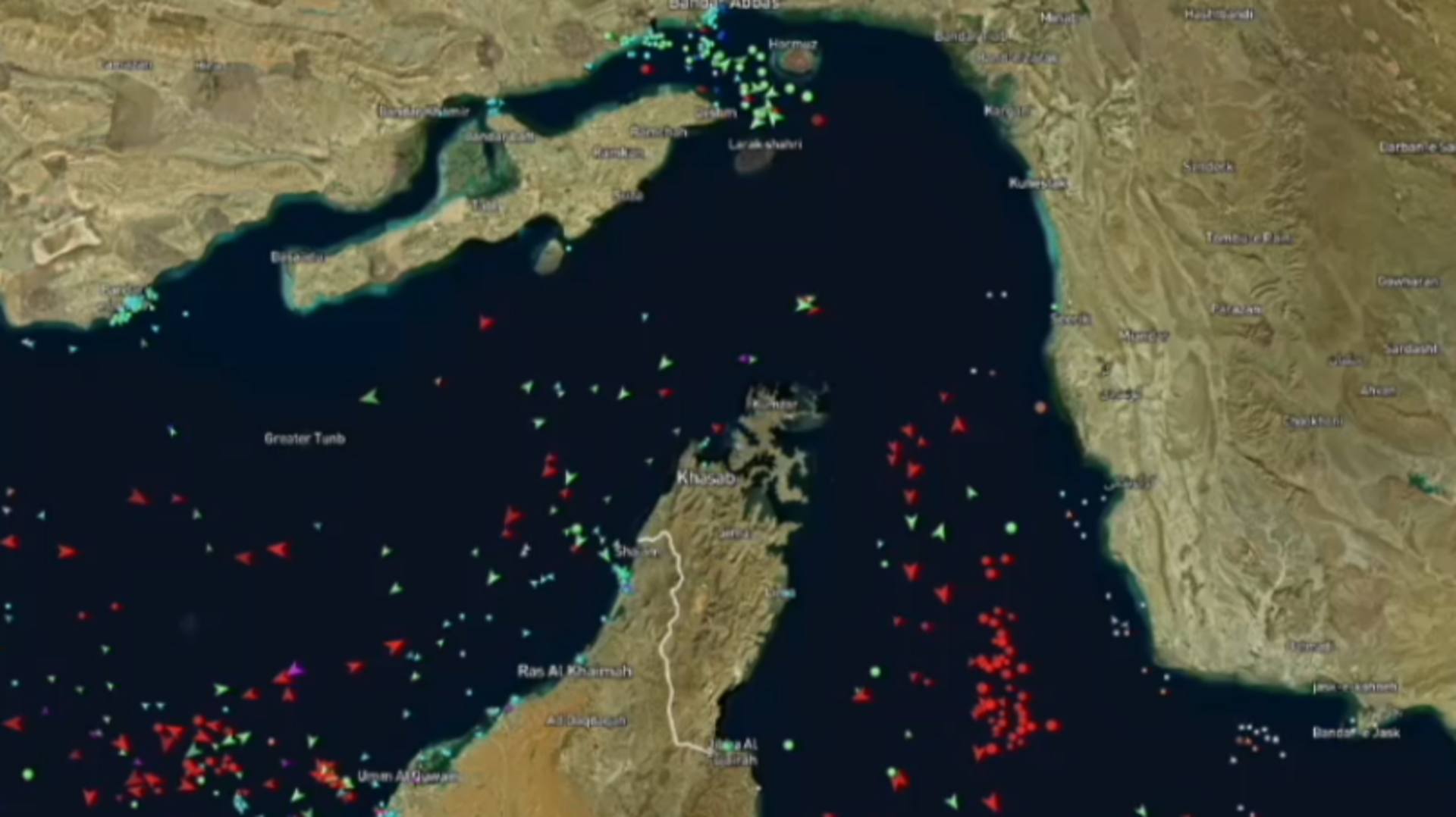
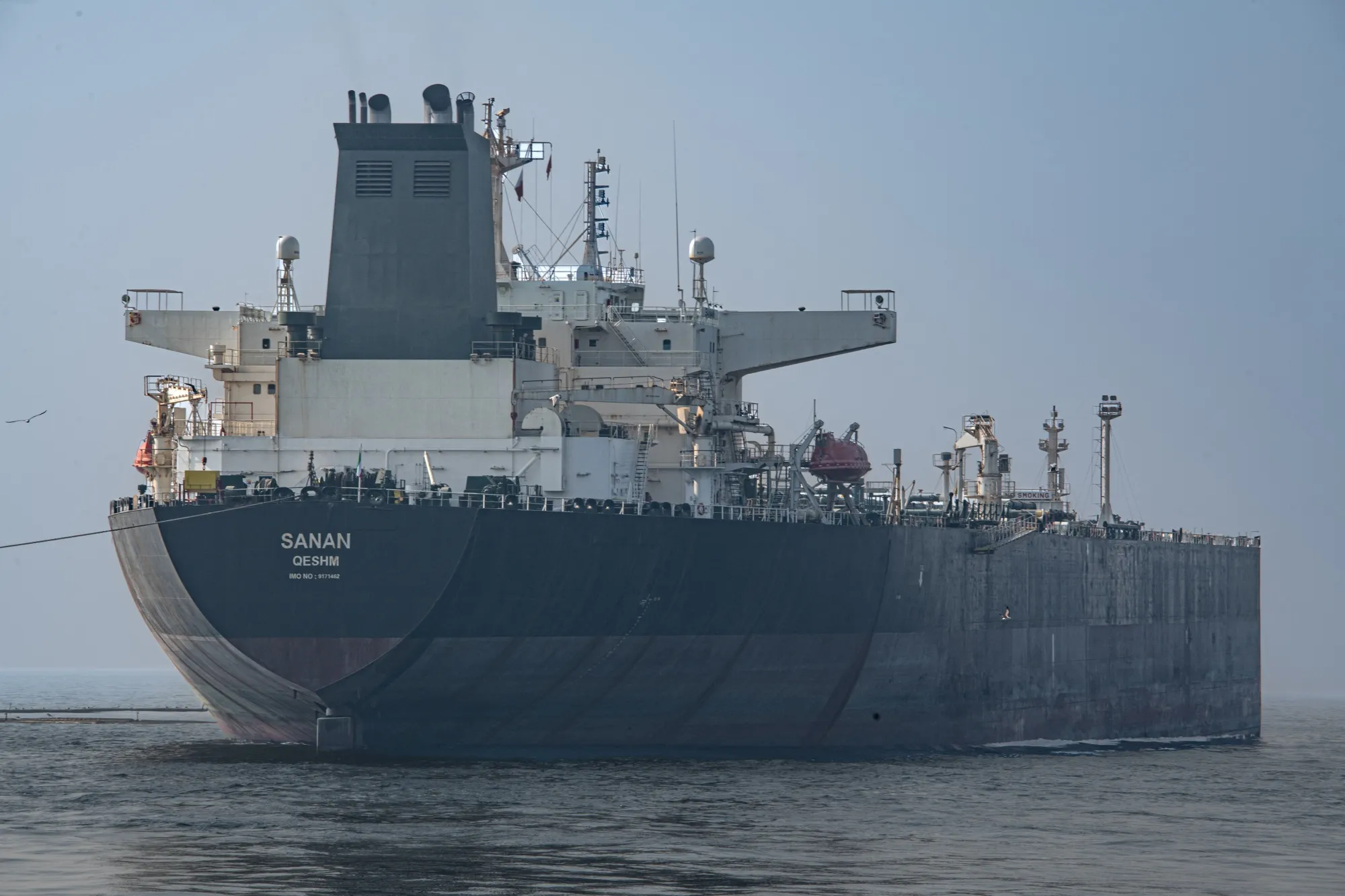
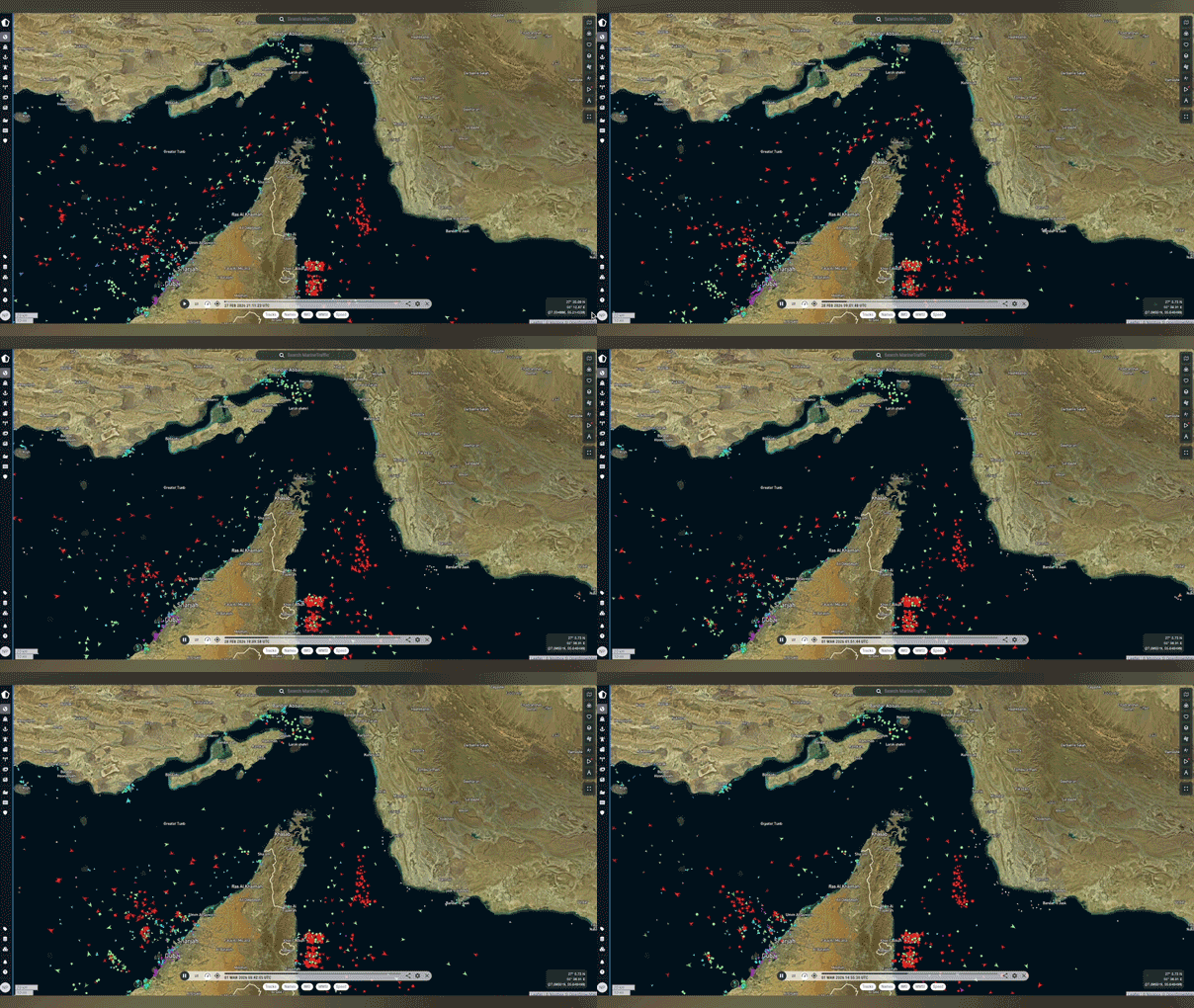
The Strait of Hormuz disruption compounds logistics challenges. This critical shipping corridor handles approximately 20% of global crude tanker shipments and serves as the primary route for goods transiting between Asia and North America. Timelapse footage shows decreased maritime traffic following military operations, with Iran's General Sardar Jabbari stating Tehran will prevent oil exports from the region. The White House has announced US military protection for ships transiting the Strait and directed the International Development Finance Corporation to provide insurance coverage for shippers whose policies were canceled—indicating elevated operational risk. European natural gas prices spiked nearly 70% since Friday as Qatar halted LNG production, signaling broader energy market disruption affecting global supply chains.
Strategic implications for seller segments: Sellers sourcing from China, Vietnam, and India face extended transit times and higher ocean freight premiums as carriers navigate geopolitical risk. Domestic US sellers with regional fulfillment networks experience immediate fuel surcharge impacts on last-mile delivery. Cross-border sellers shipping to EU markets face compounded challenges: European energy costs are rising (70% spike in natural gas), potentially increasing customer acquisition costs if European consumers reduce discretionary spending due to energy inflation. The White House is exploring a temporary gasoline tax holiday (requiring Congressional action), but refiners and gas stations offer no guarantee of passing savings to consumers—meaning seller cost relief is uncertain and potentially delayed beyond Q1 2026.
Questions 7
How much will my FBA shipping costs increase from the current energy crisis?
Amazon FBA sellers should expect 8-15% increases in fulfillment costs over the next 4-8 weeks as fuel surcharges cascade through carrier networks. The national gasoline average jumped 20 cents to $3.20/gallon with projections reaching $3.25-$3.50, representing the largest single-day spike since March 2022. For a seller moving 1,000 units monthly with $5/unit fulfillment costs, this translates to $400-$750 additional monthly expenses. Sellers with heavy inventory velocity or multi-warehouse strategies face greater impact. Monitor your Amazon Seller Central dashboard for carrier surcharge notifications, typically updated weekly. Consider adjusting product pricing 5-8% to offset costs, or consolidating inventory to fewer fulfillment centers to reduce handling fees.
Will the Strait of Hormuz disruption delay my shipments from Asia?
Yes, expect 5-14 day delays on ocean freight from China, Vietnam, and India as carriers navigate geopolitical risk and increased insurance costs. The Strait of Hormuz handles 20% of global crude tanker shipments and shows decreased maritime traffic following US-Israeli military operations. The White House has announced military protection for transiting ships and IDFC insurance coverage for canceled policies, indicating elevated operational risk. Carriers are routing around the Strait or demanding premium rates. For sellers with tight inventory buffers, this creates stockout risk. Immediately review your supply chain: increase safety stock by 15-20%, communicate with suppliers about alternative routing options, and consider air freight for critical SKUs despite 3-5x cost premiums. Monitor shipping quotes daily—rates are volatile and may spike further if conflict escalates.