



LNG Supply Crisis Triggers 15-25% Logistics Cost Surge for Cross-Border Sellers
- QatarEnergy force majeure declaration (March 2026) creates immediate energy cost inflation affecting air freight, refrigerated shipping, and temperature-sensitive product categories across Europe and Asia









Overview
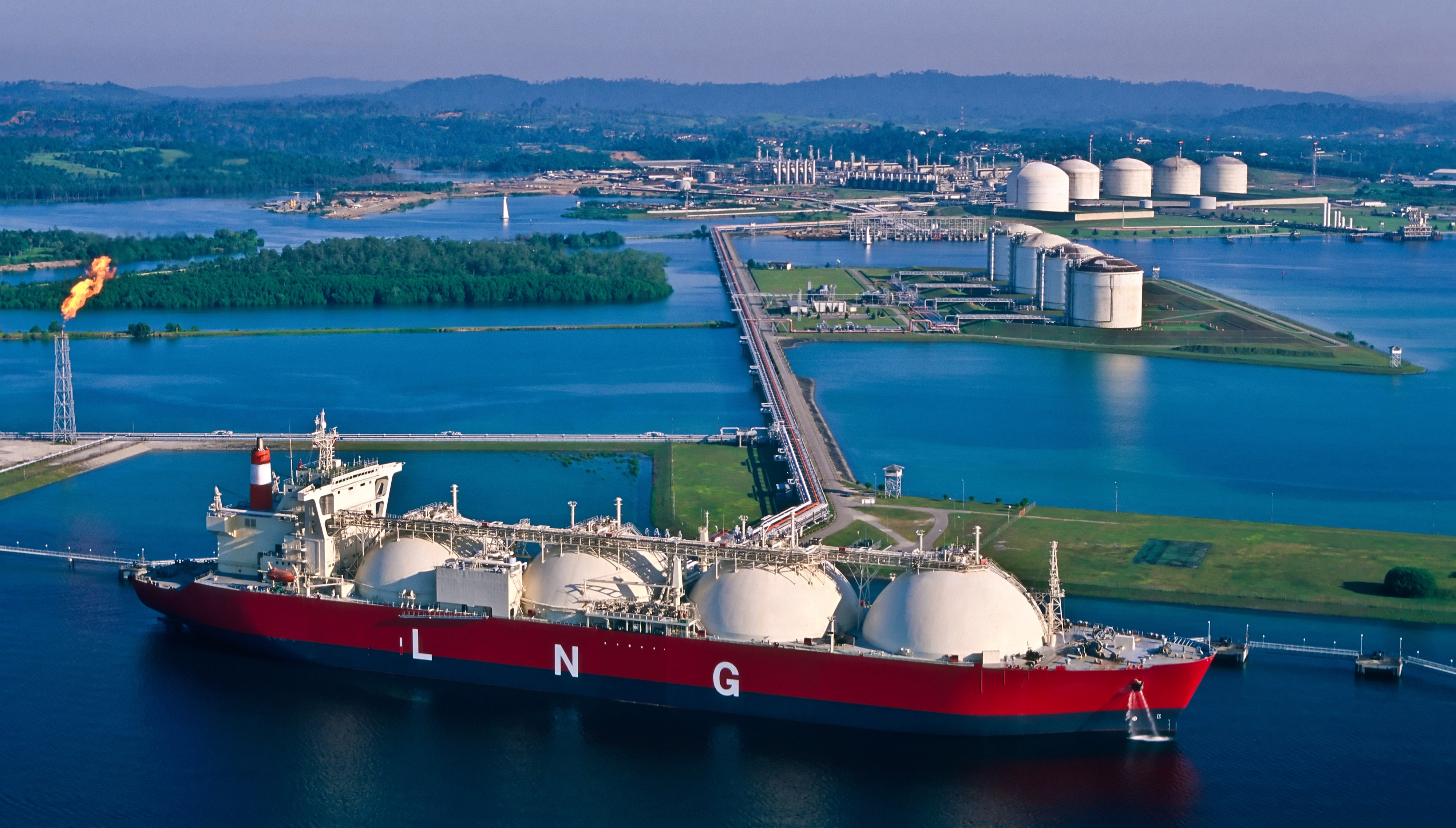
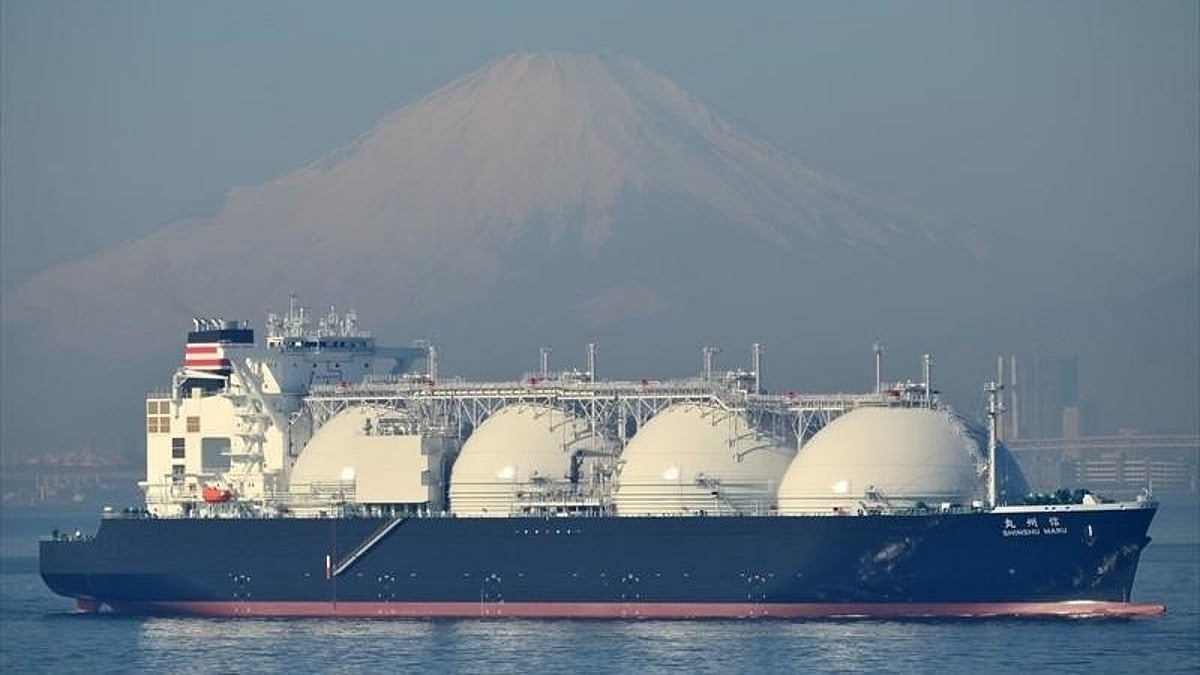
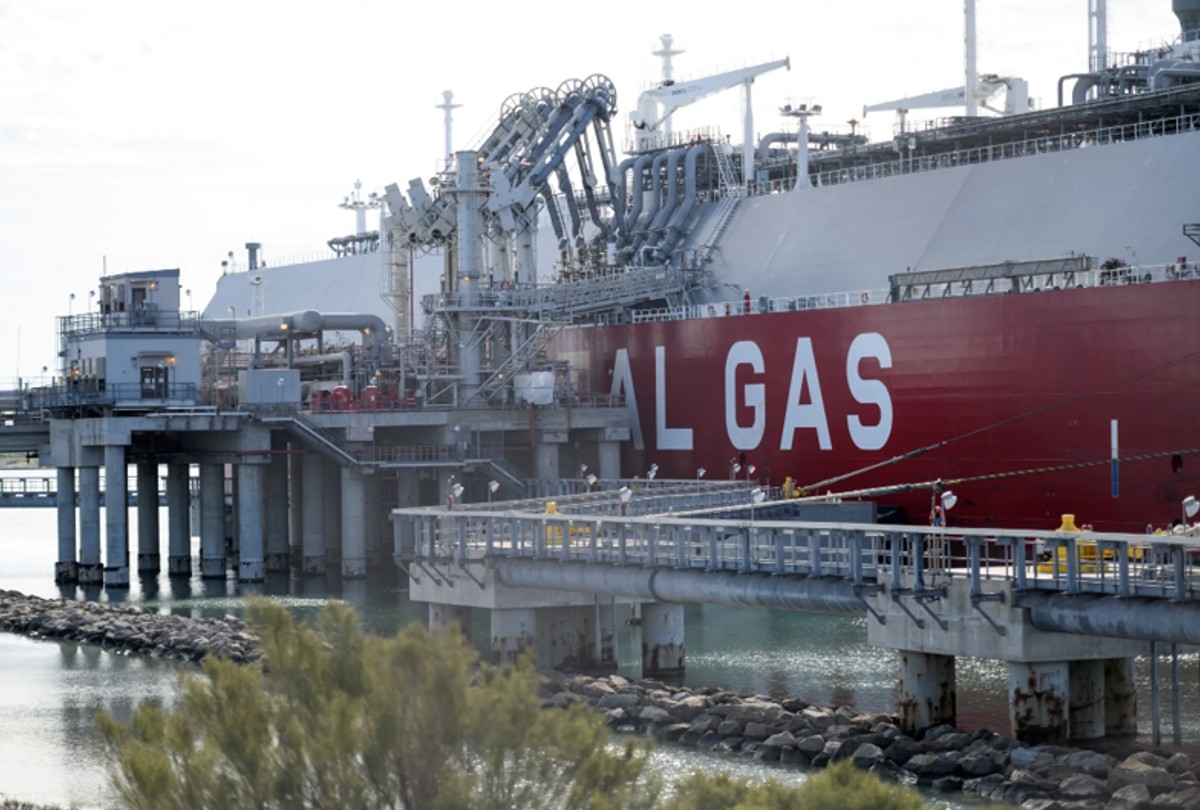
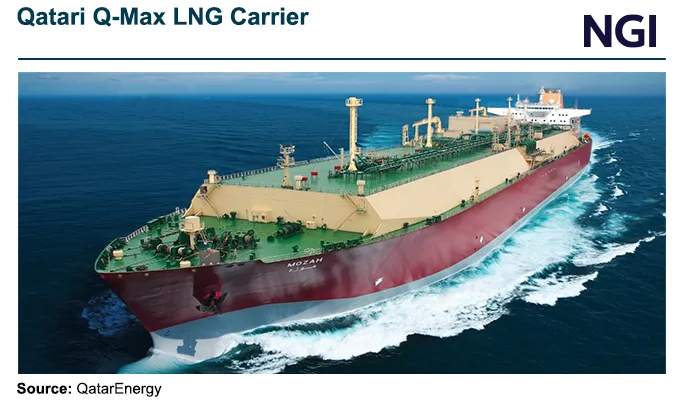
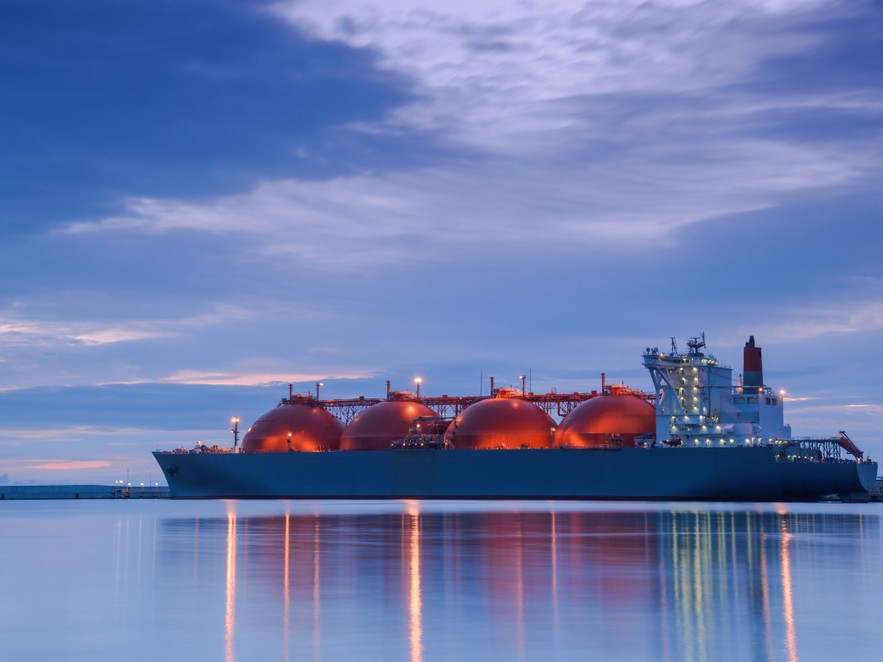
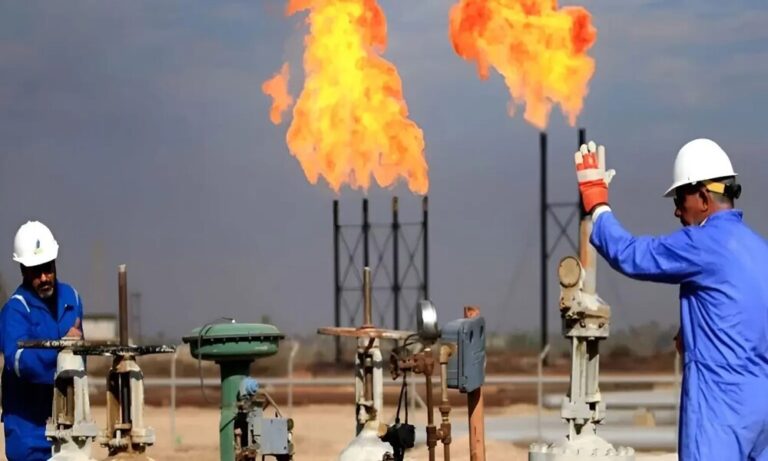
QatarEnergy's force majeure declaration on March 3-4, 2026, following Iranian drone strikes represents a critical supply shock for global e-commerce logistics. The world's largest LNG producer halted all production facilities, signaling no near-term restart of gas operations. This creates cascading cost pressures across cross-border commerce: historical energy disruptions generate 15-25% logistics cost increases within affected regions within 2-4 weeks of announcement. For e-commerce sellers, the impact manifests through multiple cost vectors—increased air freight premiums, elevated warehouse operating expenses, and compressed margins on time-sensitive shipments.
The geopolitical escalation (Trump administration Iran policies triggering regional conflict) cuts off crucial energy supplies to Europe, Asia, and India-to-Italy corridors. Sellers relying on energy-intensive fulfillment operations face immediate margin compression. Temperature-sensitive categories—pharmaceuticals, perishables, specialty foods—experience disproportionate vulnerability due to refrigerated shipping dependencies. The force majeure mechanism protects QatarEnergy from contractual liability but creates uncertainty for logistics providers, who will pass costs downstream to sellers within 2-4 weeks as shipping rate adjustments cascade through carrier networks.
Strategic opportunities emerge for sellers in regions with alternative energy sources and those offering energy-efficient products. The crisis accelerates demand for renewable energy solutions and energy-efficient goods, creating category expansion opportunities. Sellers should immediately diversify logistics partnerships, shift 20-30% of inventory to 3PL providers in energy-secure regions (North America, renewable-powered European hubs), and implement dynamic pricing strategies to offset cost increases. The timing window is critical: carriers typically announce rate increases 2-4 weeks post-disruption, creating a narrow window for contract renegotiation before Q2 2026 cost impacts materialize. Sellers in high-margin categories (electronics, specialty foods, pharmaceuticals) should prioritize cost hedging; lower-margin sellers may need to reduce air freight dependency or accept temporary margin compression.
Questions 8
What strategic opportunities exist for sellers during this energy crisis?
Three opportunity vectors emerge: (1) Energy-efficient product demand acceleration—renewable energy solutions, LED lighting, energy-efficient appliances, and sustainable goods see 15-30% demand increases during energy crises as consumers prioritize efficiency; (2) Regional arbitrage—sellers in energy-secure regions (North America, Scandinavia) gain competitive advantage; shift sourcing to these regions and capture market share from high-cost competitors; (3) Logistics innovation—sellers implementing regional fulfillment networks, nearshoring strategies, and 3PL diversification gain operational resilience and cost advantages. Consider launching energy-efficient product lines and marketing them as 'crisis-proof' solutions to capture demand spikes during the March-June 2026 disruption window.
How long will shipping cost increases persist, and when should sellers expect normalization?
QatarEnergy's statement indicates it does not anticipate 'near-term' restart of gas operations, suggesting disruption duration of 8-16 weeks minimum (through May-June 2026). Facility repair timelines typically require 6-12 weeks for drone-strike damage assessment and infrastructure restoration. Shipping costs will remain elevated throughout this period: initial 2-4 week spike (March-April), sustained elevation (April-May), and gradual normalization (June onwards). Sellers should plan Q2 2026 inventory and pricing strategies assuming elevated costs through June; those with flexibility should defer non-urgent shipments to July 2026 when costs normalize. Monitor QatarEnergy repair announcements and carrier rate bulletins weekly for early normalization signals.