




Prediction Market Compliance Surge | $54M Frozen Assets Trigger CFTC Enforcement Wave
- Kalshi freezes $54M in bets; Prediction Market Integrity Act proposes $10K+ fines; CFTC identity verification and position-limit requirements create 60-90 day compliance window for fintech platforms



























Overview
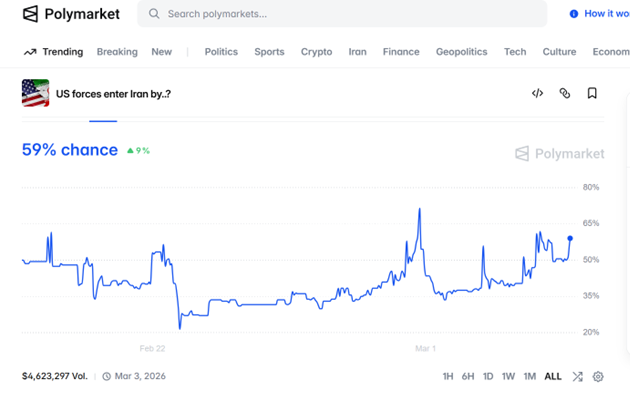
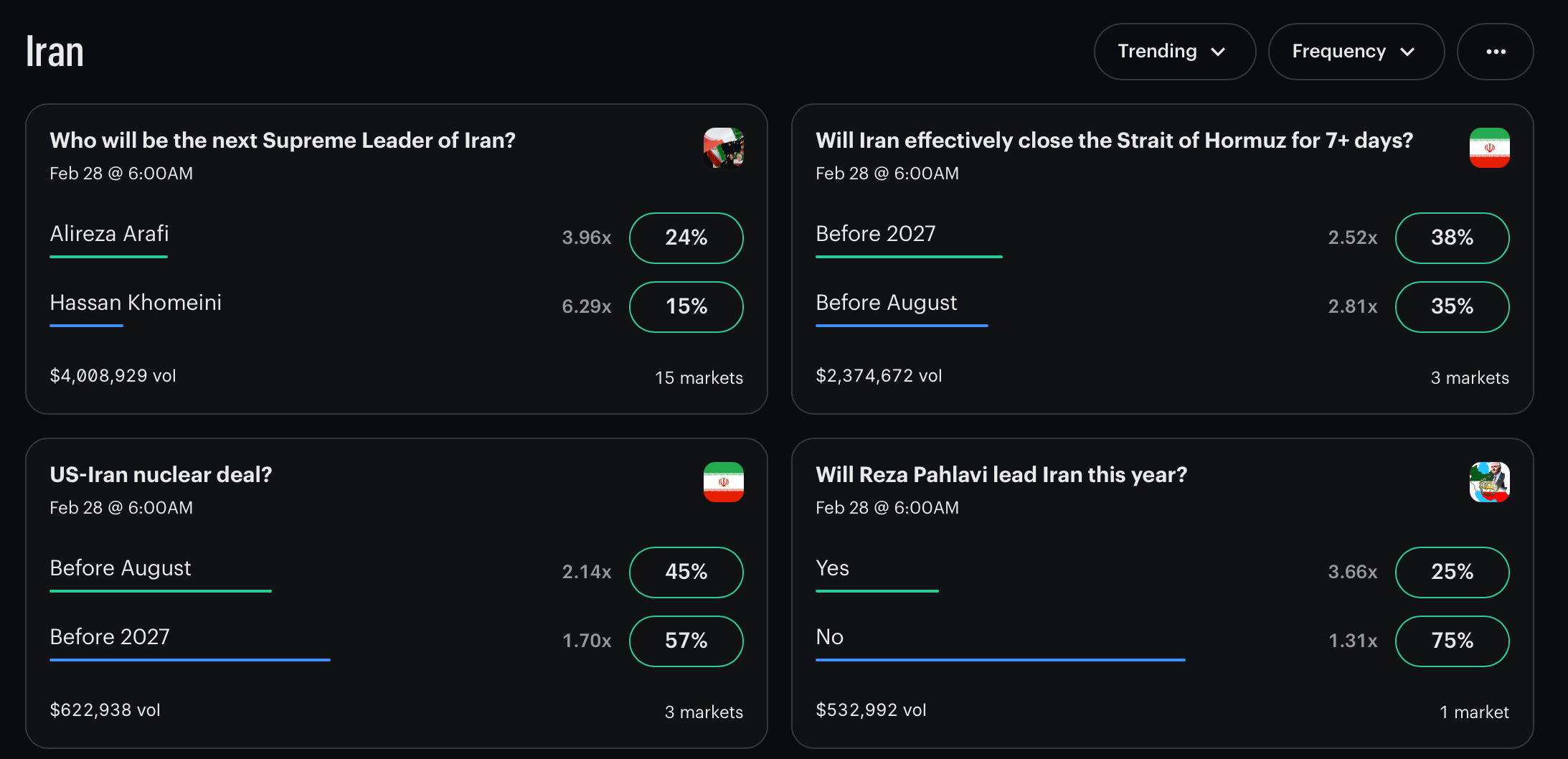
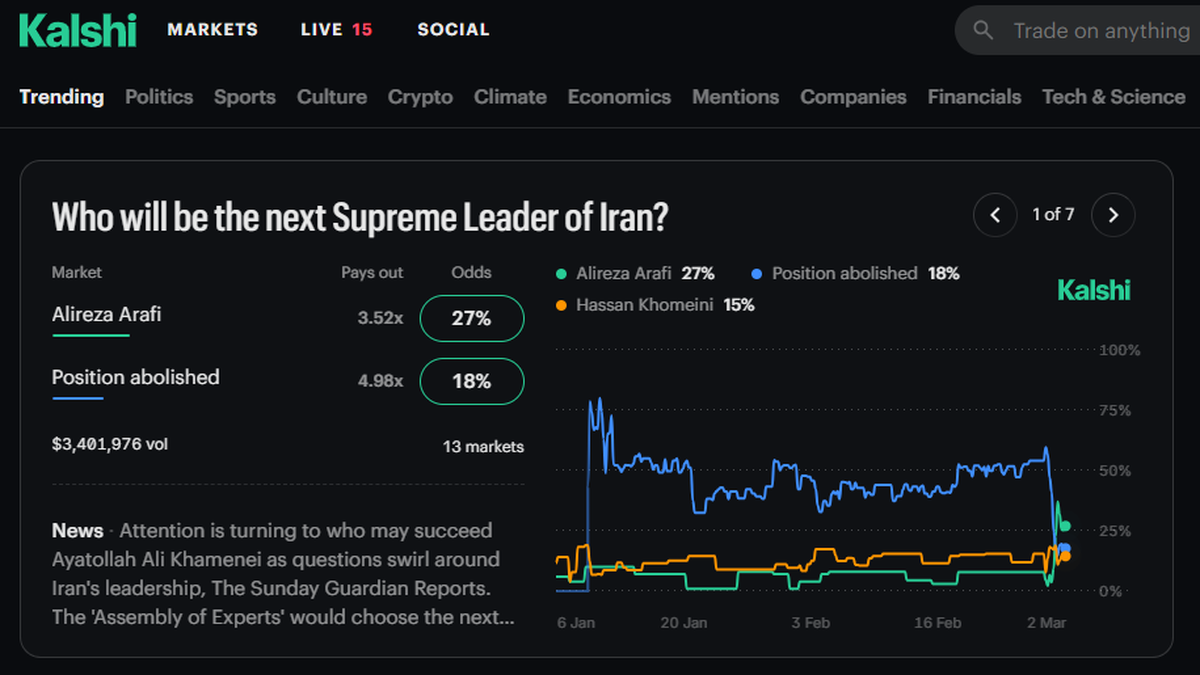
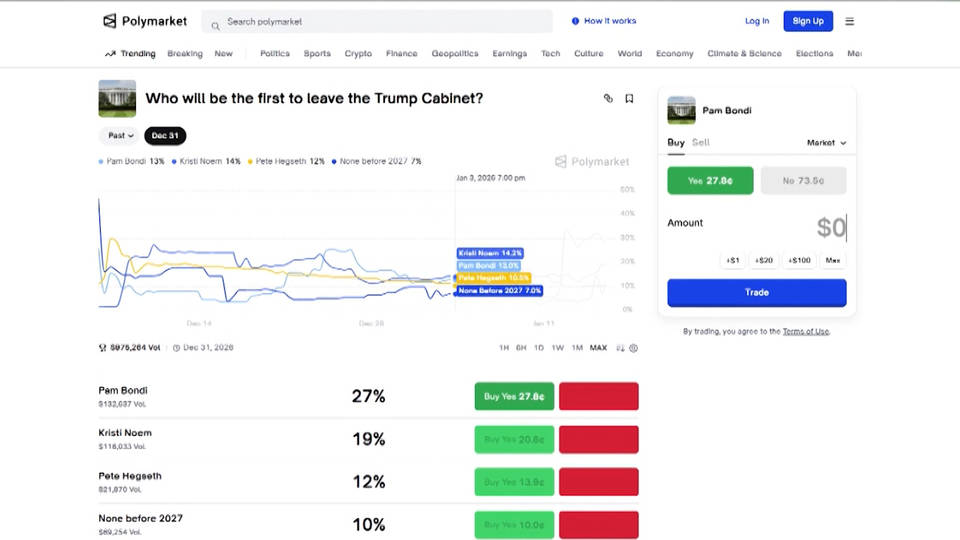
The prediction market sector faces unprecedented regulatory scrutiny following the Kalshi $54 million payout freeze on March 4, 2026, and subsequent Congressional action. The Prediction Market Integrity Act, introduced by Senators Merkley and Klobuchar, proposes banning federal officials from trading event contracts on platforms like Kalshi and Polymarket, with violations carrying $10,000+ fines. Simultaneously, Senator Schiff and colleagues requested CFTC prohibition of event contracts involving physical injury, death, or war—directly targeting geopolitical betting markets that generated suspicious trading patterns preceding the Iran-Israel conflict (Friday bets on Saturday attacks) and Venezuela invasion predictions ($400K+ anonymous profits).
Compliance Barriers Creating Market Consolidation: The proposed reforms mandate enhanced identity verification, position-limit mechanisms, and insider trading enforcement procedures comparable to SEC/CFTC standards for traditional securities. This represents a 60-90 day compliance window for prediction market operators to implement new KYC (Know Your Customer) protocols, transaction monitoring systems, and audit trails. Platforms operating with minimal federal oversight currently face estimated compliance costs of $500K-$2M for infrastructure upgrades, creating a moat favoring well-capitalized operators like Kalshi (which publicly supports regulation) over smaller competitors. Industry estimates suggest 40-60% of smaller prediction market platforms lack resources for CFTC-grade compliance systems, positioning them for market exit or acquisition.
Service Gap Opportunities: The regulatory push creates urgent demand for fintech compliance services—specifically insider trading detection algorithms, identity verification infrastructure, and position-limit management systems. Compliance service providers specializing in CFTC/SEC standards can rapidly pivot to prediction market operators facing 90-day implementation deadlines. The frozen $54M in Kalshi payouts signals platform liability exposure, driving demand for compliance insurance and regulatory consulting. Additionally, the Democratic initiative's bipartisan trajectory (41 House co-sponsors, potential GOP support) suggests regulatory finalization within 6-12 months, creating a first-mover advantage for compliance-ready platforms that can capture market share from non-compliant competitors during the enforcement transition period.
Questions 8
Which prediction market platforms are best positioned for regulatory compliance?
Kalshi, a CFTC-regulated platform, is best positioned for compliance as it publicly expressed support for federal regulation and insider trading enforcement. The platform stated it supports 'Congress and regulators taking action to police insider trading, and keep prediction markets onshore and under federal regulation.' Polymarket, which generated the $400,000+ Venezuela invasion prediction profit, faces greater regulatory scrutiny. Platforms with existing compliance infrastructure, capital reserves exceeding $2 million, and proactive regulatory engagement will capture market share from competitors unable to meet 60-90 day compliance deadlines. The regulatory environment favors consolidation around well-capitalized, compliance-ready operators.
What service gaps exist in prediction market compliance?
The regulatory push creates urgent demand for fintech compliance services including insider trading detection algorithms, identity verification infrastructure, and position-limit management systems. Compliance service providers specializing in CFTC/SEC standards can rapidly pivot to prediction market operators facing 90-day implementation deadlines. The frozen $54 million in Kalshi payouts signals platform liability exposure, driving demand for compliance insurance and regulatory consulting services. Additionally, the Democratic initiative's bipartisan trajectory (41 House co-sponsors, potential GOP support) suggests regulatory finalization within 6-12 months, creating a first-mover advantage for compliance service providers that can support platforms during the enforcement transition period.