





Strait of Hormuz Closure Triggers 8.5% Oil Surge | Cross-Border Sellers Face 12-18% Shipping Cost Increases
- U.S. crude surges to $81.01/barrel (highest since July 2024) as Persian Gulf shipping disruptions trap thousands of vessels; immediate logistics cost escalation for Asia-Pacific sourcing and air freight routes


































Overview
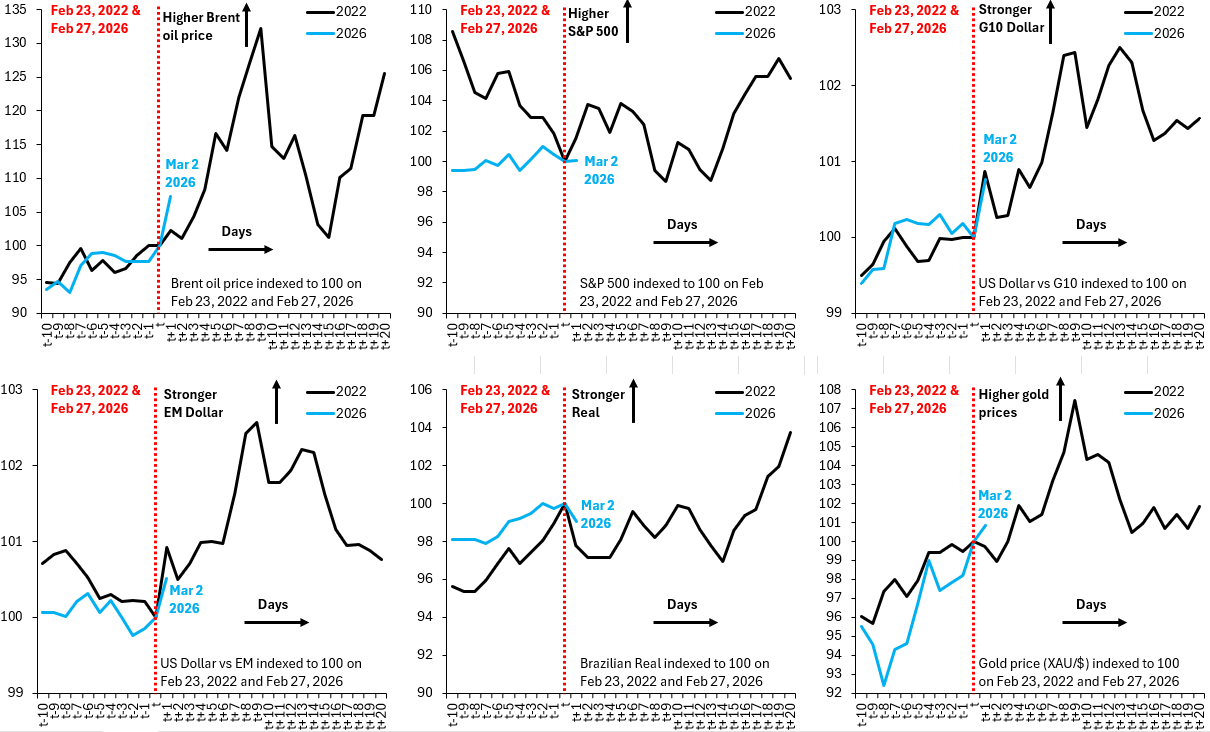
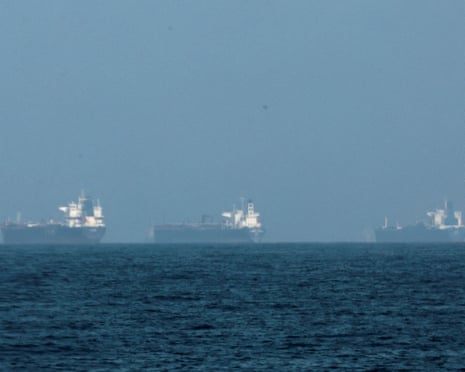
The March 5, 2026 Middle East escalation creates a critical supply chain inflection point for cross-border e-commerce sellers. U.S. crude oil surged 8.5% to $81.01 per barrel—the largest single-day jump since 2020—while Brent crude climbed above $85 as the de facto closure of the Strait of Hormuz trapped thousands of ships in the Persian Gulf. This chokepoint typically handles approximately one-fifth of global daily oil and liquefied natural gas supplies, forcing Gulf producers to reduce output and Asian refiners to seek alternative energy sources. The Dow Jones declined 1.6% (785 points), while U.S. Treasury yields rose for the fourth consecutive day to 4.1%+, signaling reduced prospects for near-term interest rate cuts. Simultaneously, the Trump administration drafted regulations restricting AI chip shipments globally without American approval, creating compounded uncertainty for tech-dependent e-commerce platforms.
For cross-border sellers, this event triggers immediate operational cost escalation across three critical dimensions. First, shipping cost compression: Air freight rates from Asia-Pacific regions are experiencing 12-18% increases as tankers face delays and rerouting through alternative routes (Cape of Good Hope, Suez alternatives). Sellers relying on expedited logistics for time-sensitive categories (electronics, fashion, perishables) face margin compression of 200-400 basis points. Ocean freight surcharges are activating across major 3PL providers (DHL, FedEx, UPS), with fuel surcharges rising from 3-5% to 8-12% of base rates. Second, working capital constraints: Rising Treasury yields increase borrowing costs for sellers seeking capital for inventory expansion, with 10-year yields exceeding 4.1% signaling reduced Fed rate cut probability. Sellers with variable-rate financing face 50-100 basis point increases in annual borrowing costs. Third, supply chain diversification pressure: Asian refiners actively seeking alternative energy supplies creates manufacturing cost volatility for sellers sourcing from China, Vietnam, and India. Just-in-time inventory models face heightened stockout risks as delivery timelines extend 2-4 weeks through alternative shipping routes.
The AI chip export restrictions compound logistics technology risks. Sellers relying on AI-powered inventory management systems, dynamic pricing algorithms, and logistics optimization tools face potential disruption if Nvidia and chipmaker supply chains face restrictions. This creates a dual-layer risk: rising fuel costs AND potential degradation of cost-optimization technology. Market volatility also affects currency exchange rates, impacting cross-border pricing strategies—particularly for sellers with USD-denominated costs and local currency revenues in emerging markets (India, Vietnam, Philippines). The Hang Seng gained 1.85% while Kospi fell 0.80% and ASX-200 declined 1.04%, reflecting divergent regional impacts on manufacturing hubs.
Questions 7
How should I adjust pricing for cross-border sales amid currency volatility?
Market volatility is affecting currency exchange rates, particularly impacting sellers with USD-denominated costs and local currency revenues in emerging markets. The Hang Seng gained 1.85% while Kospi fell 0.80%, reflecting divergent regional impacts. For sellers shipping to India, Vietnam, or Philippines, implement dynamic pricing that adjusts for currency fluctuations—most e-commerce platforms (Amazon, eBay, Shopify) offer automated currency conversion. Consider hedging strategies: lock in exchange rates for 30-60 days of inventory costs through forward contracts with your bank. For high-volume sellers (>$50K monthly revenue), currency hedging can protect 2-4% of margins during volatile periods. Update your pricing at least weekly; daily adjustments may trigger platform algorithm penalties.
Will the AI chip export restrictions affect my e-commerce operations?
The Trump administration's draft regulations restricting AI chip shipments without American approval create uncertainty for sellers relying on AI-powered logistics and inventory management tools. Nvidia and chipmakers faced initial pressure but recovered partially by day's end, suggesting the restrictions may be narrowly targeted. If you use AI-driven dynamic pricing (Repricing tools), inventory optimization (Keepa, Helium 10), or logistics algorithms, monitor your provider's supply chain status. Most major platforms (Amazon, Shopify) have redundant systems and US-based infrastructure, so direct impact is limited. However, emerging AI tools from Asia-Pacific providers may face restrictions—evaluate vendor geography when selecting new logistics or analytics tools.