



Middle East Crisis Drives 4-6 Week Supply Chain Disruption | Seller Logistics Impact
- Brent crude surges to $84/barrel; air freight costs spike 15-25%; semiconductor supply threatened; expedited shipping margins compress 8-12% through mid-April 2026


Overview
The March 5, 2026 Middle East geopolitical escalation creates a critical 4-6 week supply chain disruption window for cross-border e-commerce sellers, with direct operational and cost impacts across multiple logistics corridors. Brent crude oil surged $3.30 to $84 per barrel following Iranian missile attacks on US-registered tankers in the Persian Gulf, while Qatar—the world's largest LNG producer—suspended operations and declared force majeure on gas exports, signaling production recovery requiring at least one month. This energy shock cascades through seller operations in three distinct ways: elevated air freight costs, semiconductor supply constraints, and reduced airline capacity.
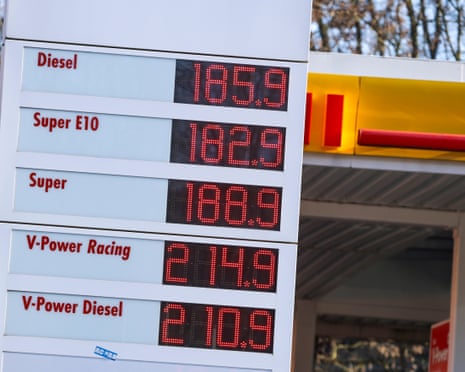
Air freight pricing represents the most immediate margin compression threat. Airlines including Wizz Air warned of €50 million annual profit hits from cancelled routes to Israel, Dubai, Abu Dhabi, and Amman through March 15, 2026, directly translating to fuel surcharges on remaining flights. Sellers relying on expedited air shipments from Asia to Europe and North America face 15-25% cost increases on per-unit logistics expenses. For a seller shipping 500 units monthly via air freight at baseline $2.50/unit, this translates to $187-312 additional monthly costs. Time-sensitive categories—electronics, fashion, perishables—face the steepest margin compression, with sellers unable to absorb costs without raising prices or accepting 8-12% margin erosion through mid-April.
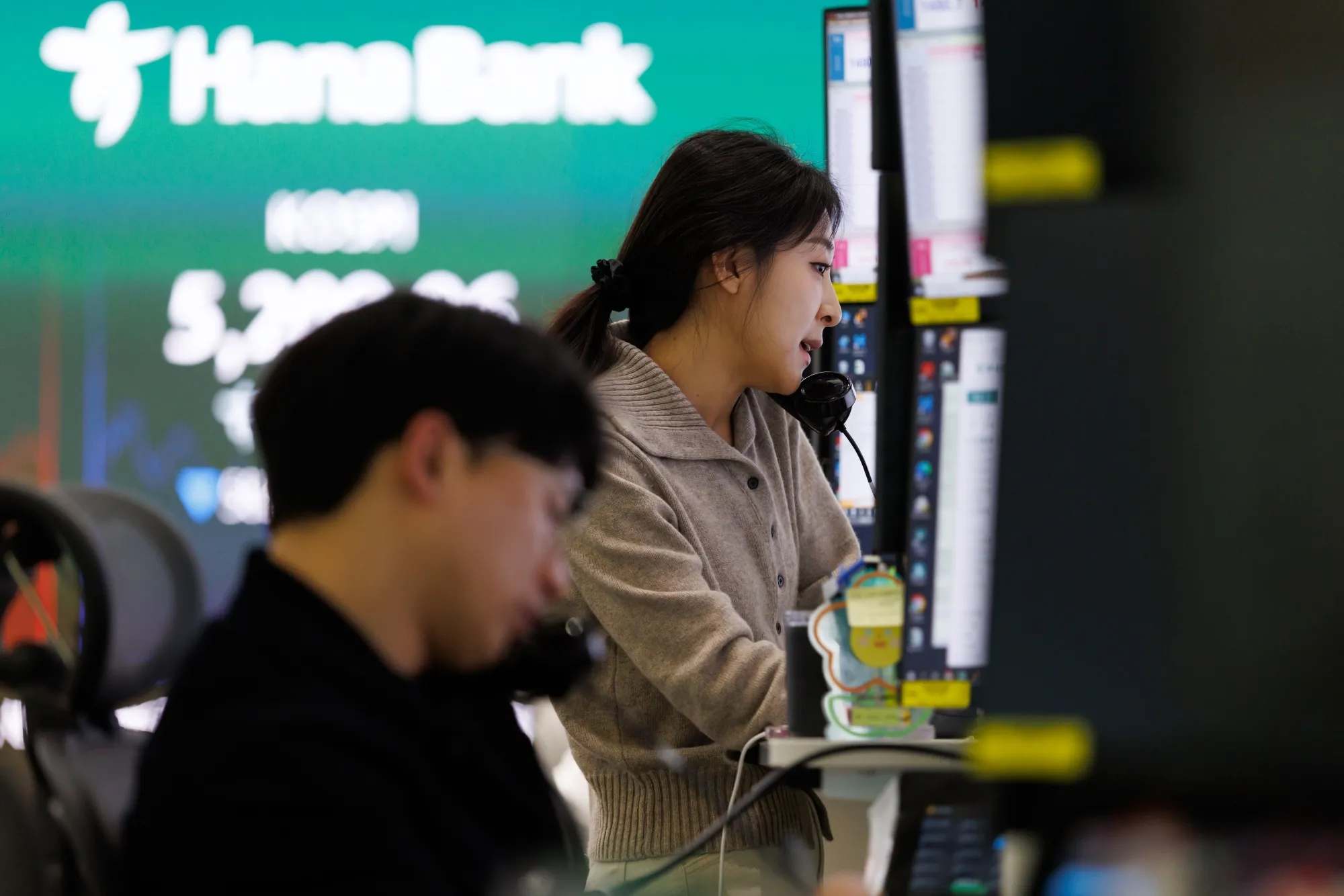
Semiconductor supply disruptions threaten electronics sellers specifically. South Korea's KOSPI index plummeted 12% on March 5—its largest single-day decline ever—driven by energy price shock concerns. The index is heavily weighted toward Samsung Electronics and SK Hynix, which collectively supply two-thirds of global memory chips critical for AI systems, laptops, and consumer electronics. While the KOSPI recovered 10% the following day, the volatility signals manufacturing capacity constraints. Simultaneously, China's government instructed major oil refiners to halt diesel and gasoline exports immediately due to crude supply disruptions, constraining manufacturing capacity for goods sourced from Chinese suppliers. Electronics sellers should expect 2-4 week lead time extensions and potential 5-8% component cost increases through April.
Strategic seller response requires immediate action across three dimensions. First, sellers should audit current air freight commitments and shift non-urgent shipments to sea freight (20-30 day transit) to avoid fuel surcharges, accepting longer delivery windows for lower-margin categories. Second, electronics sellers should accelerate orders for memory chips and semiconductors before April 15 to lock in current pricing before potential secondary supply shocks. Third, sellers should monitor airline capacity announcements daily—Wizz Air's route cancellations may create opportunities with alternative carriers offering temporary capacity discounts to fill aircraft. The disruption window closes approximately April 15-20 based on Qatar's stated one-month recovery timeline, creating urgency for inventory positioning decisions.
Questions 8
Should sellers increase inventory levels now or wait for prices to stabilize after April 15?
Sellers should increase inventory selectively before April 15 for high-margin, fast-moving categories (electronics, semiconductors, premium fashion) where component costs are rising 5-8%. Accelerating orders locks in current pricing before potential secondary supply shocks and secures manufacturing capacity at Korean and Chinese suppliers facing energy constraints. However, sellers should avoid over-purchasing slow-moving inventory or perishable goods with short shelf lives. The optimal strategy: increase inventory 15-25% for top 20% of SKUs (by margin and velocity) before April 15, then revert to normal ordering after April 20 when energy prices stabilize. Sellers should also negotiate extended payment terms (60-90 days) with suppliers to preserve working capital while building safety stock buffers.
How does the South Korea KOSPI crash affect sellers sourcing from Korean manufacturers?
The KOSPI's 12% single-day crash on March 5, 2026 signals manufacturing capacity constraints at Samsung Electronics and SK Hynix, which supply two-thirds of global memory chips. While the index recovered 10% the next day, the volatility reflects underlying energy price shock concerns affecting production costs. Sellers sourcing semiconductors, memory chips, and electronics components from Korean manufacturers should expect 2-4 week lead time extensions and 5-8% cost increases through April. The crash also indicates potential working capital constraints at Korean suppliers, increasing default risk on payment terms. Sellers should confirm supplier liquidity by requesting recent financial statements and consider shortening payment terms from 60 days to 30 days to reduce counterparty risk through mid-April.